
Antique Dining Room Carver
An antique dining room carver provides a proper seat at the head of the table, blending sturdy timber with supportive armrests.
Antique Dining Room Carver
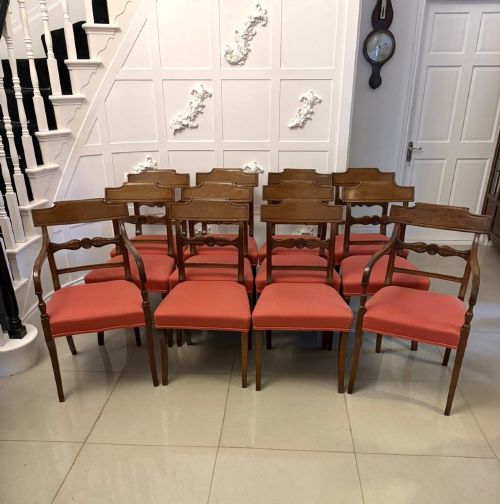
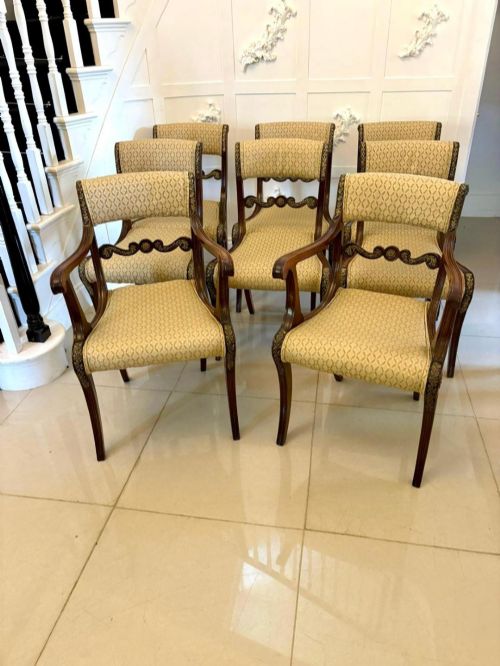
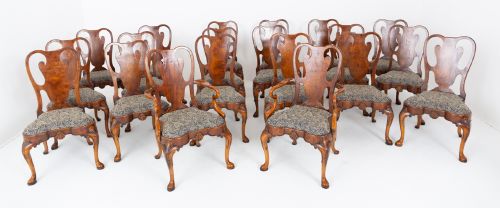
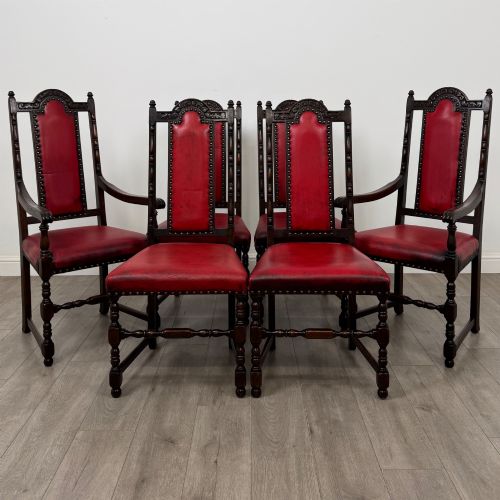
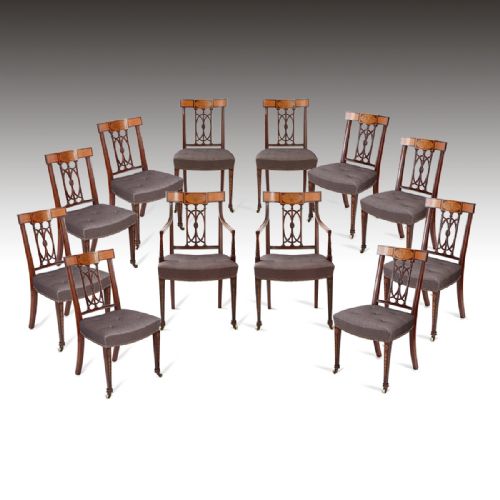
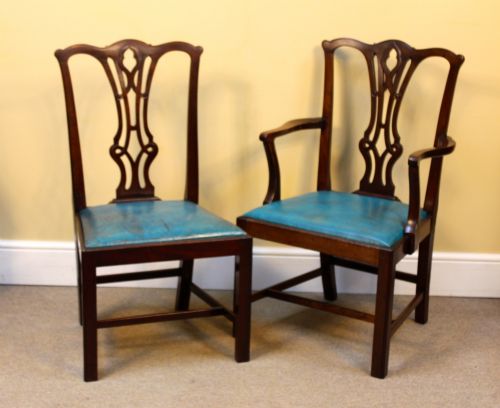
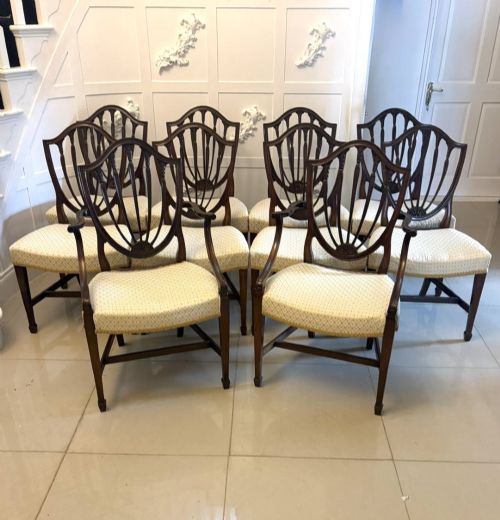
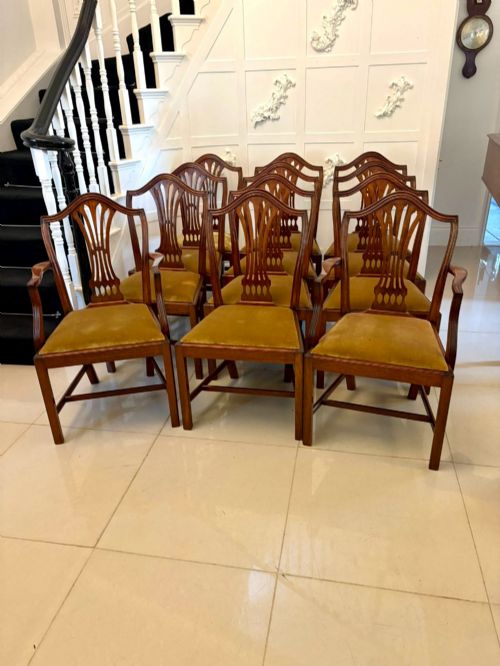
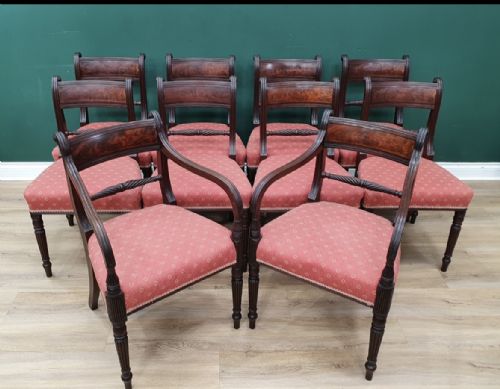
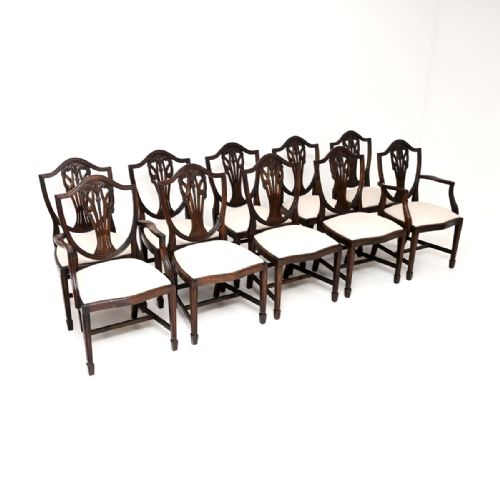
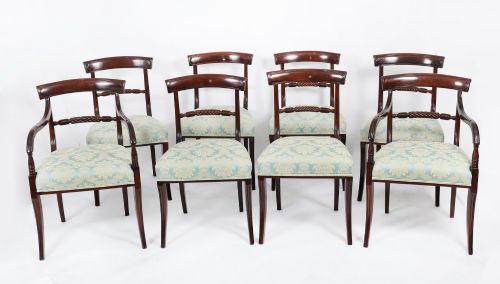
An antique dining room carver sits as the larger arm-bearing counterpart within a larger suite of dining seats, designed originally for the head of the table. You meet these primarily in mahogany and oak, spanning periods from the Georgian era through the Victorian years and into the Edwardian decades.
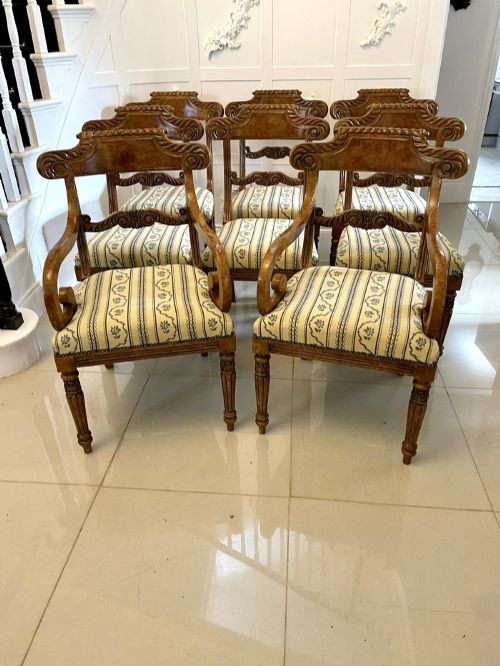
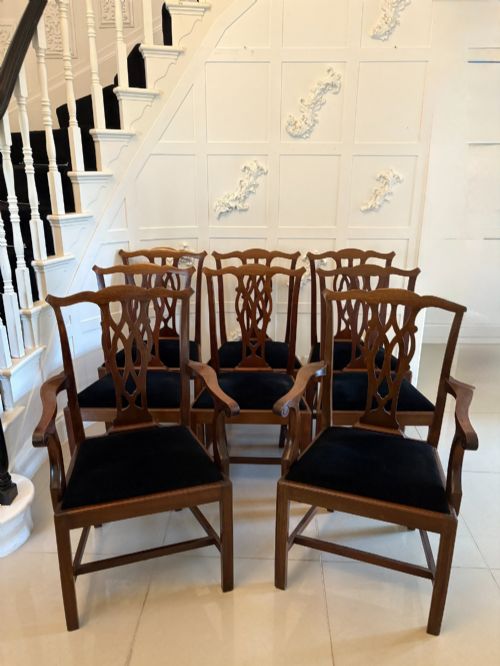
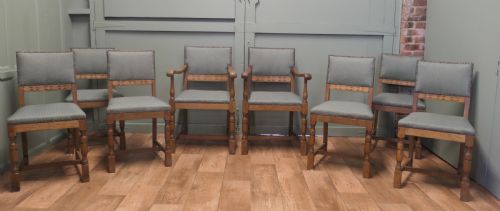
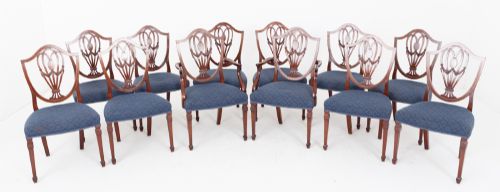
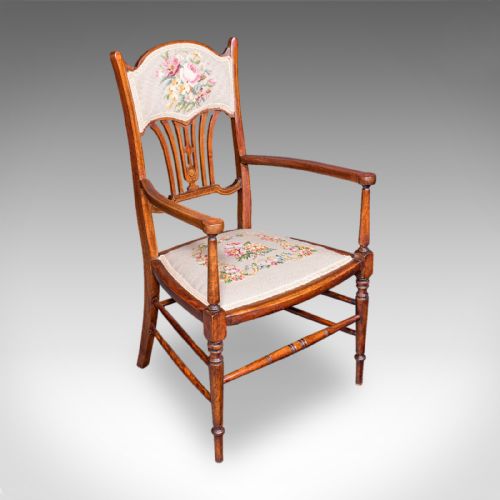
The pieces on this page appear within sets or as single armchairs, adopting styles such as Hepplewhite, Chippendale, and Regency. Makers interpreted these historical designs through revival movements, producing shield backs, ladder backs, and carved frames intended for formal dining rooms.
Timbers and Construction
Cabinetmakers constructed these frames using dense hardwoods like mahogany, oak, walnut, and beech, joining the components with mortise and tenon joints to withstand daily use at the dining table. Carved details on splats, top rails, and legs required skilled hand chiselling rather than mechanical replication.
Seat pads utilise traditional upholstery methods, incorporating webbing, stuffing, and coverings of leather, fabric, velvet, or silk damask secured with brass tacks. Wood surfaces received finishes of wax or polish to highlight the natural grain of the timber.
Distinctions in Execution
Quality rests in the crispness of the hand-carved ornamentation on the splat and crest rail, where sharper detailing separates superior cabinet work from softer, later revivals. Timber selection also dictates value, with well-figured mahogany or quarter-sawn oak holding greater visual depth.
The structural integrity of the arm supports and leg joints determines the long-term stability of the carver. Original upholstery systems and retained finish add considerably to the integrity of the piece compared to later modifications.
Maple & Co
The Antique Dining Room Carver Glossary
- Carver
- An armchair designed specifically to match a set of dining chairs, typically placed at either end of the dining table.
- Shield Back
- A chair back shaped in the outline of a heraldic shield, popularized by cabinetmakers during the late eighteenth century.
- Barley Twist
- A turning technique resembling a twisted rope, carved into the vertical legs or stretchers of oak furniture.
- Splats
- The vertical wooden strip down the centre of a chair back, often pierced and intricately carved in revival styles.
Antique Dining Room Carver: Frequently Asked Questions
What is an antique dining room carver?
An antique dining room carver is an armchair designed to accompany a set of dining chairs, traditionally positioned at the head of the table.
These pieces feature integrated armrests to provide greater comfort and distinct status for the host.
How were carver chairs used?
Hosts and principal guests used these chairs during formal meals to sit comfortably at either end of long dining tables.
The sturdy armrests offered support while sitting for long periods during extended dinner parties.
How do I care for wooden carvers?
Maintain the timber by applying a quality beeswax periodically to nourish the grain and protect the polished surface from drying out.
Keep the chairs away from direct heat sources and strong sunlight to prevent the wood from warping or splitting.
Can I mix carvers with other chairs?
Carvers often come as part of large matched suites, but collectors frequently pair single armchairs with compatible antique dining sets.
Matching the primary timber, such as mahogany or oak, helps maintain visual harmony around the dining room table.