


Antique Dining Room Art
Antique dining room art spans practical furniture and oil paintings designed to furnish spaces from the Victorian era through the Art Deco period.
Antique Dining Room Art
When buyers search for antique dining room art, they encounter a blend of substantial storage furniture and original oil paintings intended for interior spaces. The selection ranges from carved oak sideboards to still life paintings depicting fruit and tableware.
The most common items met on this page are sturdy sideboards, dining suites, and framed canvases created during the late nineteenth and early twentieth centuries. Pieces reflect design movements such as Arts and Crafts, Art Nouveau, and Art Deco.
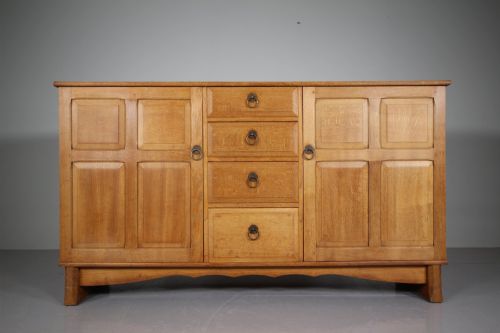
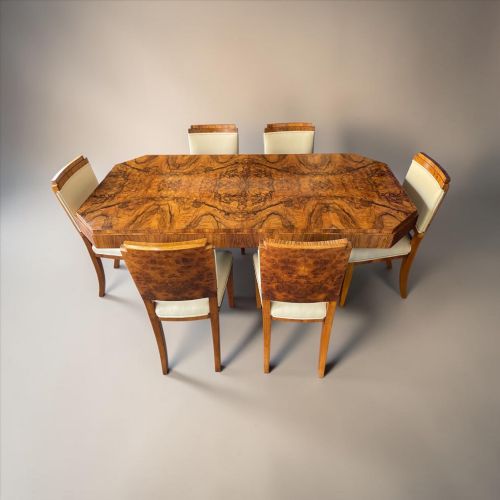
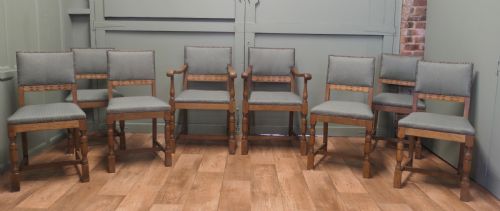
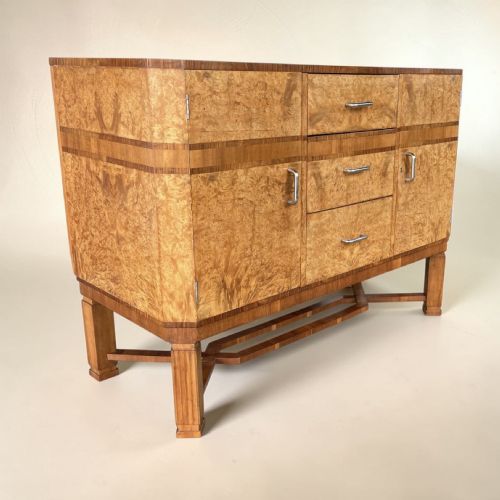
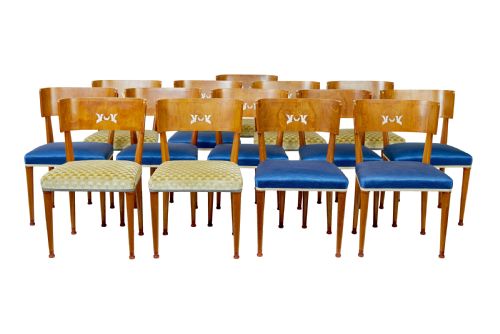
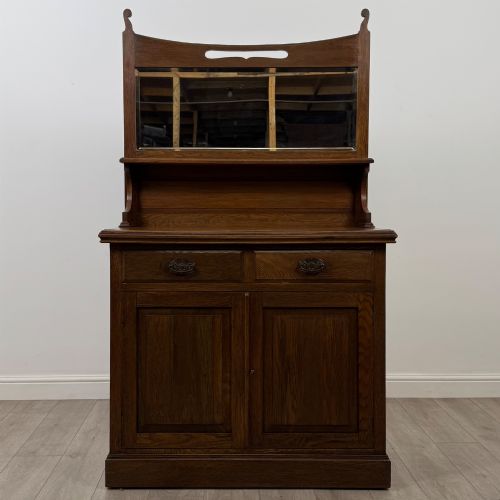
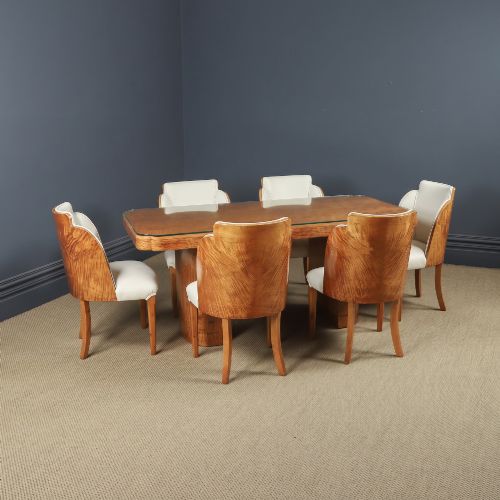
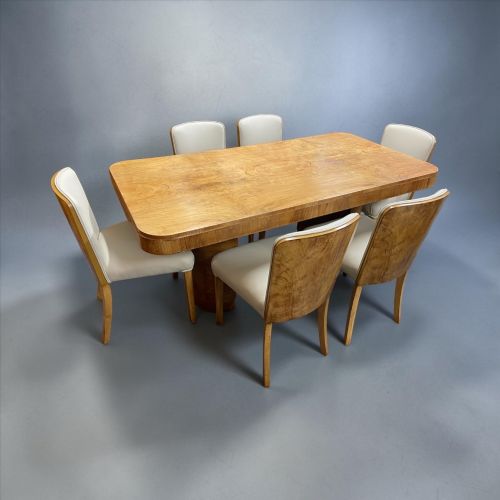
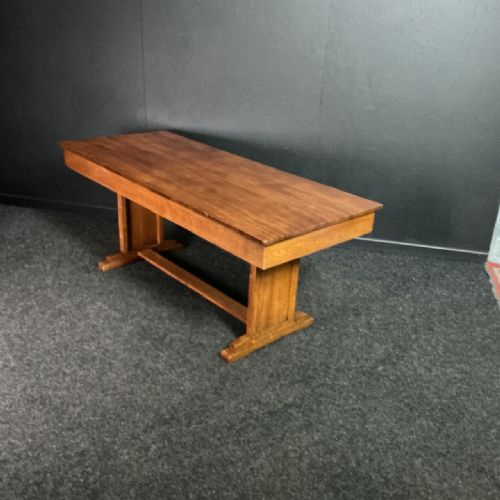
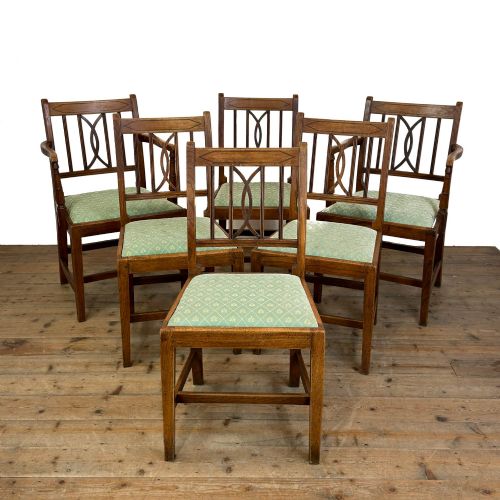
Forms include mirror-back sideboards, dining chairs in sets, armchairs, and decorative dressers originating from British, French, and Dutch workshops. These objects served functional daily roles in period dining rooms while displaying decorative craftsmanship.
Materials and construction methods
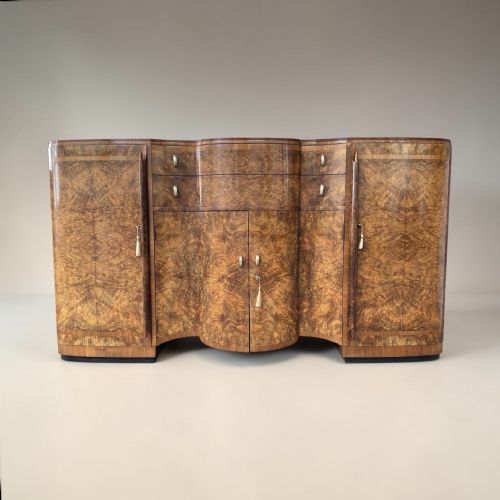
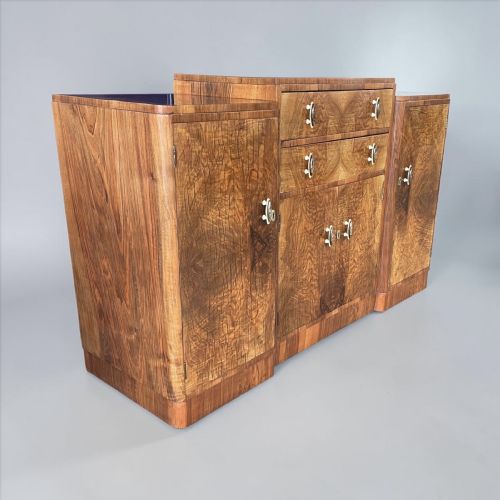
Makers utilised solid timbers such as oak, walnut, and mahogany alongside decorative veneers like burr walnut, satinwood, and maple for cabinetry and dining furniture. Structural framing often relied on traditional joinery techniques appropriate to periods from the Victorian era to the Art Deco decades.
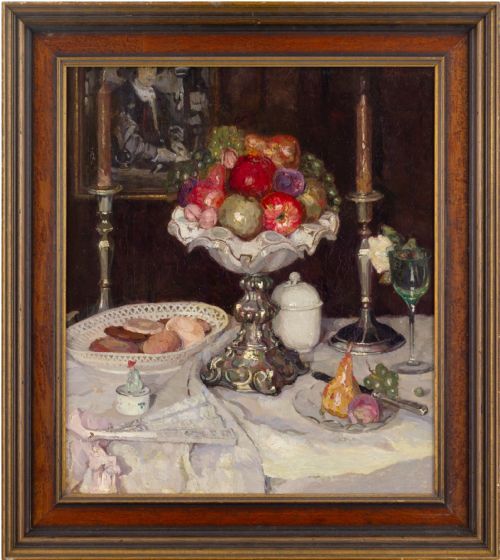
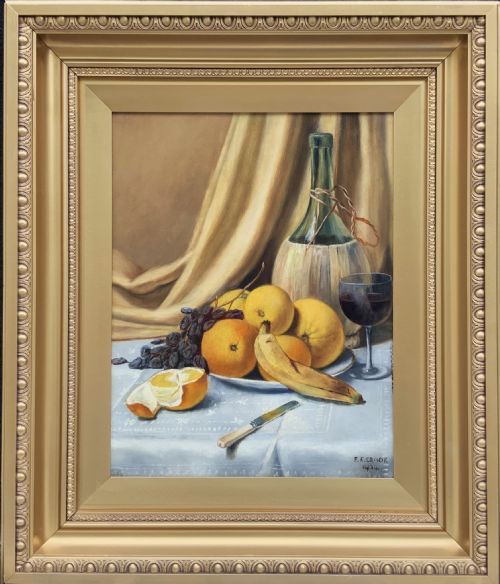
Painted works employ oil on canvas applied by artists working within Edwardian and mid-century traditions. Cabinetry hardware incorporates brass and metal fittings, while seating utilises leather and upholstered textiles paired with wood frames.
Antique Dining Room Art Retail Price Guide 2026
Typical asking prices for dining room art among the pieces listed under this phrase on Sellingantiques today, from the lower quarter to the upper quarter. They describe what is for sale here now, not the wider market.
Listings feature oak, walnut, brass, and oil on canvas spanning the Victorian, Edwardian, and Art Deco periods.
Distinctions in quality
The upper tier of pieces displays cohesive stylistic unity across entire dining suites, matched timber grains on veneered surfaces, and accomplished hand-carving or painterly execution by named makers and studios. Construction relies on dense hardwoods and substantial timber thickness rather than lighter secondary woods.
Simpler examples show utilitarian construction intended for everyday service without ornate decorative carving or complex marquetry. The distinction rests on the ambition of the design and the refinement of the execution.
Maurice Adams·Harry and Lou Epstein·Hamptons of Pall Mall London·Else Preußner·T Simpson and Son
The Antique Dining Room Art Glossary
- Sideboard
- A large dining room cabinet used for storing tableware and serving food. These pieces frequently feature drawers and cupboards combined with mirror backs or wooden plate racks.
- Art Deco
- A design movement prominent during the 1920s and 1930s characterised by streamlined geometric forms and stylised motifs. Furniture from this period often employs exotic wood veneers.
- Arts and Crafts
- A stylistic movement valuing hand-craftsmanship and honest construction using traditional materials like solid oak. Surfaces typically display simple lines and minimal decorative carving.
- Oil on Canvas
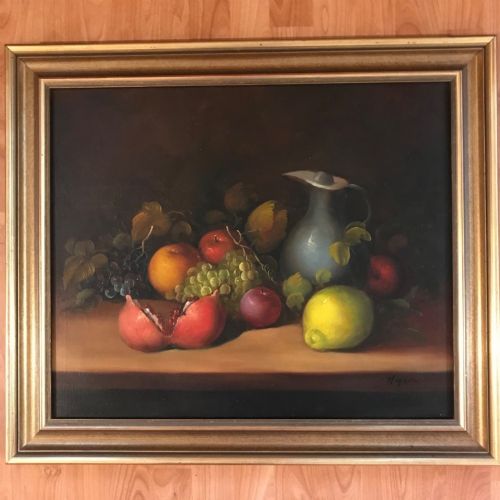
- A traditional painting medium where pigments suspended in oil are applied to stretched fabric. Works of this type include still life compositions of fruit and domestic objects.
- Burr Walnut
- A wood figure featuring swirling knot formations prized for decorative veneer panels. Cabinet makers utilised this material on prominent surfaces like drawer fronts and cabinet doors.
Antique Dining Room Art: Frequently Asked Questions
What periods do these pieces cover?
The items span from the mid-nineteenth century through the Edwardian era up to the Art Deco period of the 1930s. This temporal range encompasses multiple distinct aesthetic movements.
Craftsmanship styles shift from heavy Victorian oak carving to clean geometric lines characteristic of interwar modern design.
How were sideboards used in period dining rooms?
Sideboards functioned as central storage units for dining china, silver cutlery, and table linens during meals. The flat top surface also served as a station for serving dishes.
Larger variations included mirror backs to reflect light and display decorative ceramics within the room.
What subjects appear in the oil paintings?
The painted works predominantly feature still life compositions depicting fruit, candlesticks, biscuits, and tabletop arrangements. These canvases were created to complement domestic interior decoration.
Signed original pieces provide visual focal points specifically suited for dining room walls.