


Antique Diamond Wristlet
An antique diamond wristlet is a precious bracelet set with sparkling stones, offering a glimpse into past eras of fine jewellery design.
Antique Diamond Wristlet
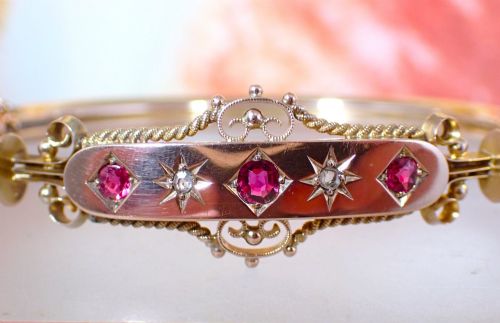
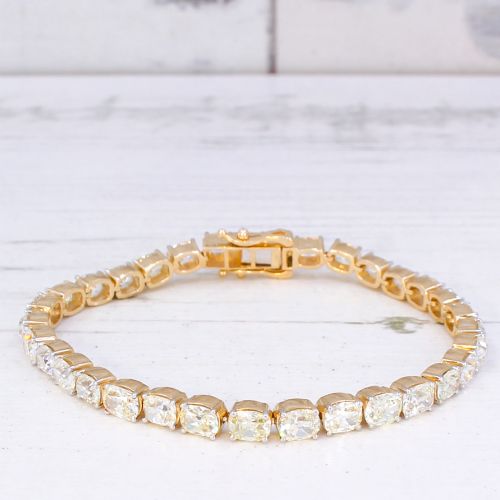
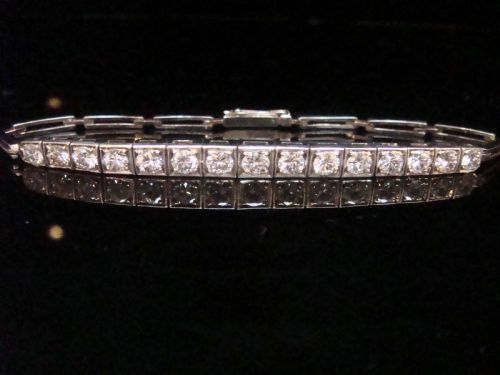
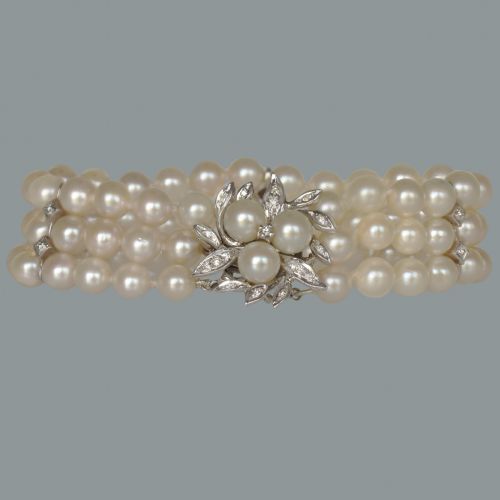
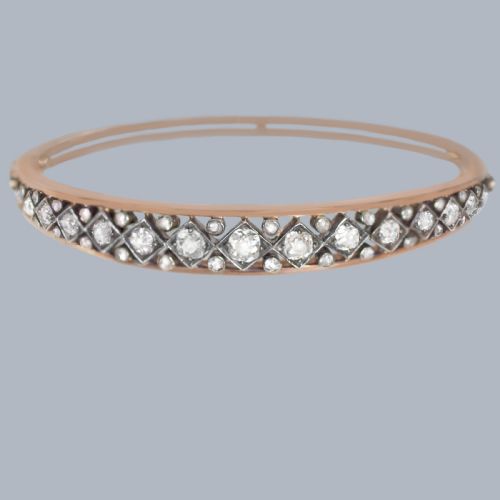
An antique diamond wristlet encompasses an array of delicate bracelets and bangles spanning the Victorian, Edwardian, Belle Époque, Art Deco, and Mid-Century periods. Buyers encounter pieces configured as flexible tennis bracelets, rigid hinged bangles, and geometric line settings. These ornaments showcase precious gemstones mounted on gold, silver, and platinum structures.
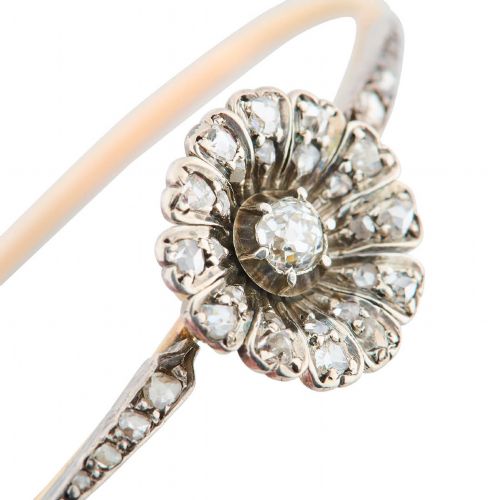
The selections on this page draw from periods ranging from the late nineteenth century through to the mid-twentieth century. Art Deco and Edwardian designs appear frequently alongside Victorian gold flower motifs and later platinum creations. Each object represents the prevailing ornamental taste of its respective decade of origin.
Materials and Construction
Makers utilised a combination of precious metals including platinum, 9ct, 14ct, 15ct, and 18ct yellow and white gold, alongside silver settings. Platinum gained favour during the Edwardian and Art Deco eras for its strength in supporting intricate openwork. Earlier Victorian pieces often combined silver fronts with gold backs to hold old mine cut stones securely.
Gems such as diamonds, sapphires, emeralds, rubies, and seed pearls were hand-set into the metalwork. Cut styles like old mine cuts and brilliant cuts define the stones, whilst collet settings and intricate channel or claw mountings hold them in place.
Antique Diamond Wristlet Retail Price Guide 2026
Typical asking prices for diamond wristlet among the pieces listed under this phrase on Sellingantiques today, from the lower quarter to the upper quarter. They describe what is for sale here now, not the wider market.
Assessing Quality
The standard of a piece rests upon the harmony of its design and the quality of its gem selection. Higher tier examples pair substantial total diamond carat weights with fine coloured stones like Ceylon sapphires, emeralds, or rubies. The precision of the metalwork, whether geometric platinum piercing or detailed floral gold casting, dictates the level of craftsmanship.
The integrity of the construction and the preservation of the original stones further separate the fine examples from standard items. Pieces that retain their period character without excessive alteration command attention from collectors who value historical authenticity.
The Antique Diamond Wristlet Glossary
- Old mine cut
- An early diamond cut shape featuring a near-square girdle, high crown, and large culet facet. This style preceded modern brilliant cuts and reflects candlelight warmly.
- Collet set
- A method of securing a gemstone by enclosing its girdle in a metal collar or band. It creates a smooth, continuous border around the stone.
- Belle Époque
- A period of fine jewellery design spanning the late nineteenth century up to the First World War. It is characterised by light, garland-style platinum mounts.
- Seed pearl
- A very small natural or cultured pearl, often drilled and threaded or set in clusters. Victorian and Edwardian jewellers used them to add delicate texture around central gems.
Antique Diamond Wristlet: Frequently Asked Questions
What periods do these bracelets cover?
The inventory spans several eras, beginning with late Victorian and Edwardian pieces from the nineteenth and early twentieth centuries. Items also represent the Belle Époque, Art Deco, and mid-century modern periods up to the nineteen fifties.
Each era brings distinct metal choices and stone cuts, ranging from old mine cut diamonds in gold and silver settings to geometric platinum Art Deco works.
How do I care for an antique diamond wristlet?
These delicate pieces require gentle handling due to their age and historical setting techniques. Avoid exposing them to harsh chemicals, ultrasonic cleaners, or vigorous physical impacts.
Store them separately in lined boxes to prevent metal abrasion and protect fragile seed pearls or platinum openwork from damage.
Which metals were commonly used?
Makers utilised various purities of gold, including 9ct yellow and rose gold, 14ct white gold, 15ct gold, and 18ct yellow and white gold. Silver was also paired with gold in nineteenth-century settings.
Platinum became the preferred metal for Edwardian and Art Deco pieces because its strength permitted fine, lace-like structural designs.