




Antique Devotional Sculpture
These pieces of antique devotional sculpture are carved figures and panels created for sacred spaces and private contemplation, offering a direct link to centuries of faith and artistry.
Antique Devotional Sculpture
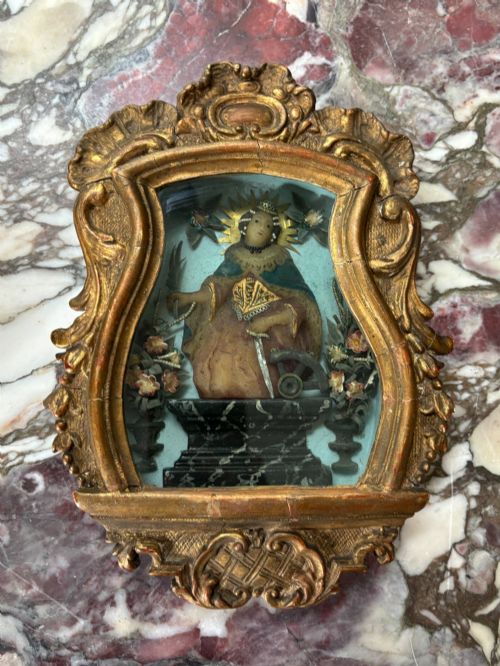
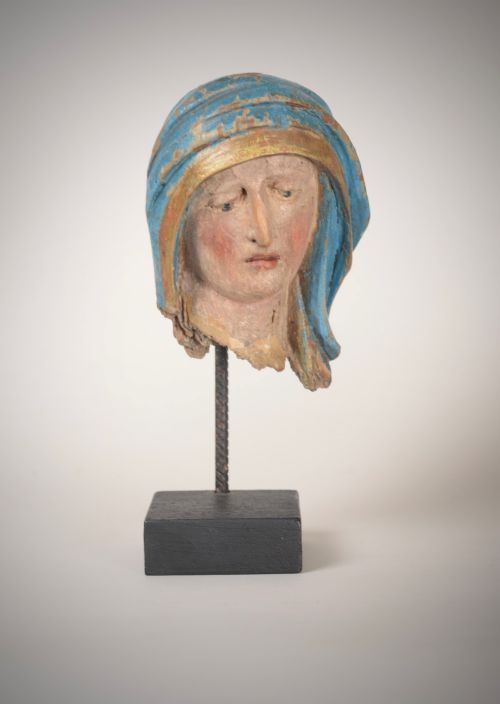
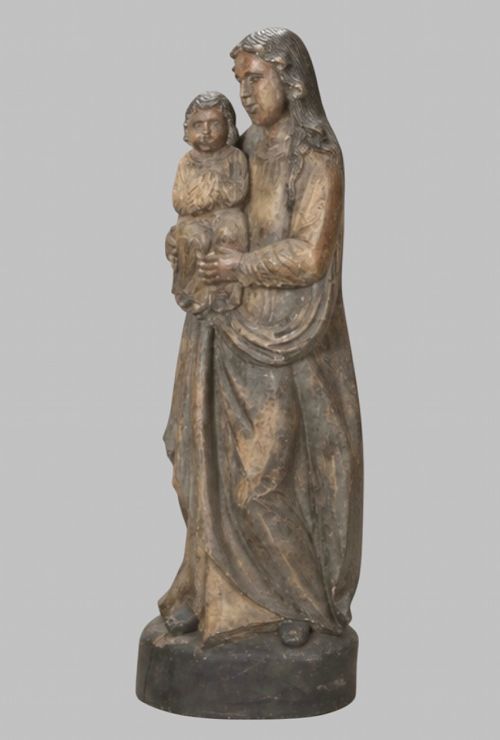
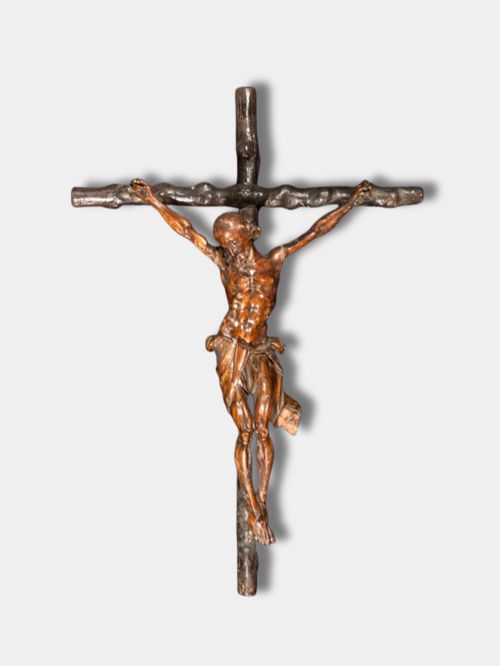
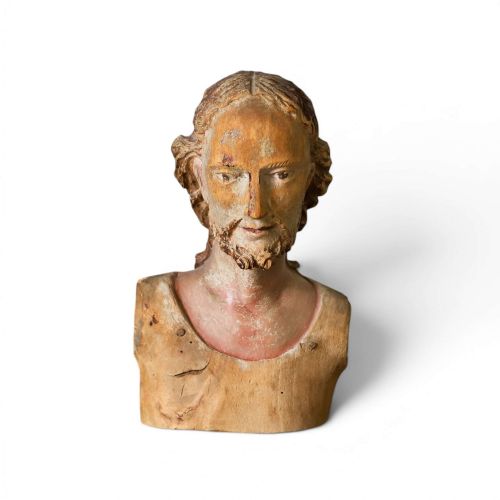
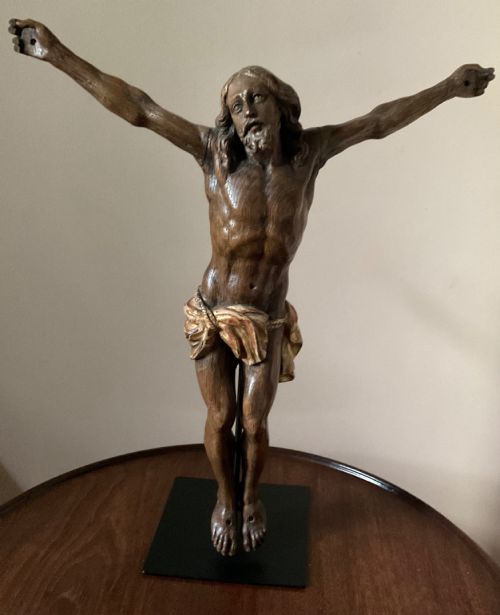
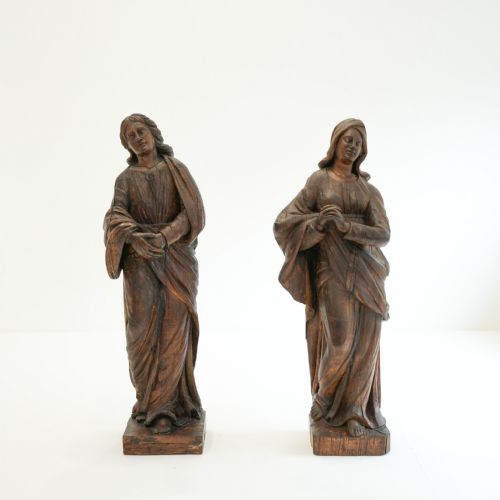
When you examine antique devotional sculpture, you encounter figures of saints, Madonnas, and corpus Christi crosses originating from diverse European regions. The selection spans centuries of religious expression, running from pre-sixteenth century Gothic carvings up to twentieth century plaster and terracotta statues.
You meet representations ranging from Italian folk art statues of Saint Anthony of Padua to formal Spanish Baroque character heads. The forms include standalone figures, processional santos, and architectural fragments that once served pivotal roles in altarpieces or domestic shrines.
The material record on this page leans heavily towards carved wood, encompassing oak, olive wood, lindenwood, and boxwood. Alongside these wooden works, you find terracotta, plaster, and occasional stone figures embellished with paint, gesso, and gold leaf.
How they were made
Surface decoration frequently combined oil or tempera pigments with gold leaf to catch the flickering light of candles in dim chapels. In many instances, glass eyes and textile additions were incorporated to heighten the lifelike presence of processional figures and crèche pieces.
Several saints retain their original glass eyes, fixed in a permanent, glassy stare that has watched centuries of devotions pass by.
What varies in quality
Quality rests primarily in the anatomical conviction of the carving and the sensitivity with which the facial expression is rendered. Master carvers achieved fluid movement in fabric and profound emotional resonance, whereas lesser works remain rigid and formulaic.
The preservation of original polychrome surfaces and gold leaf heavily influences the standing of a piece. Retained layers of early paint without excessive modern overpainting distinguish the finer examples from those stripped or heavily restored.
The Antique Devotional Sculpture Glossary
- Polychrome
- Painted in several colours. This term describes wooden sculptures finished with layers of pigment to mimic life.
- Corpus Christi
- The body of Christ on the cross. These figures form the central focus of devotional crucifixes.
- Santos
- A carved figure representing a saint or divine personage. These statues often served in processions or domestic prayer.
- Gesso
- A plaster mixture applied to wood as a base for paint. It provided a smooth ground for gilding and polychrome decoration.
- Gothic Revival
- An architectural and artistic style reviving medieval forms. Pieces in this category echo the piety and verticality of the Middle Ages.
Antique Devotional Sculpture: Frequently Asked Questions
How do I date a wooden religious sculpture?
Dating relies on tool marks, the choice of timber, and stylistic traits associated with specific centuries. Examining the construction methods and the wear patterns on the wood helps confirm the era.
Changes in pigment composition and the ageing of the underlying gesso layer also provide reliable clues for chronological placement.
What is a processional figure?
A processional figure is a statue designed to be carried through streets during religious festivals and holy days. These pieces often feature lightweight construction or articulated limbs to facilitate movement.
Many retain sockets for staffs or garments that were changed according to the liturgical calendar.
How should I care for polychrome wood?
Stable indoor humidity and protection from direct sunlight prevent the wood from splitting and the paint from flaking. Dusting requires only a soft, dry brush without chemical cleaners.
Avoiding abrupt temperature changes preserves both the timber substrate and the historic gesso finish.
What distinguishes Spanish Baroque sculpture?
Spanish Baroque carving is noted for intense emotional drama and heightened realism. Figures frequently display glass eyes, real hair, and rich polychrome finishes designed to evoke visceral empathy.
This regional style prioritized theatricality and profound spiritual devotion over classical restraint.