




Antique Devon Wall Art
Antique devon wall art brings the historic landscapes and maritime scenes of the West Country directly into your interior.
Antique Devon Wall Art
When you search for antique devon wall art, you encounter a varied selection of regional paintings, watercolours, maps, and pottery pieces. These works capture the local topography, coastal harbours, and moorland scenery through the eyes of artists working from the eighteenth century into the mid twentieth century.
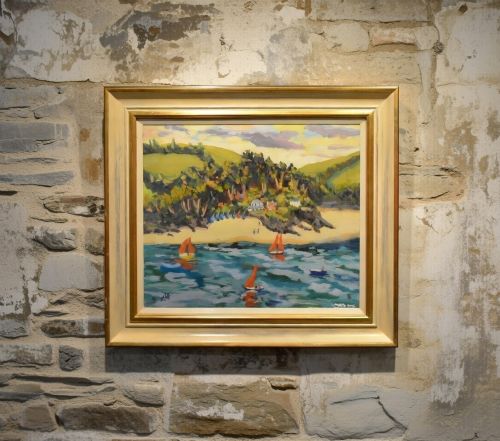
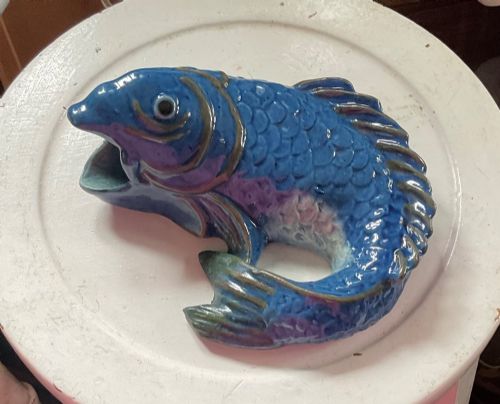
The pieces available span oil paintings on canvas, delicate watercolours, framed cartography, and ceramic wall pockets. Landscapes of Dartmoor and Exmoor appear alongside maritime scenes of Brixham, Lyme Bay, and Plymouth.
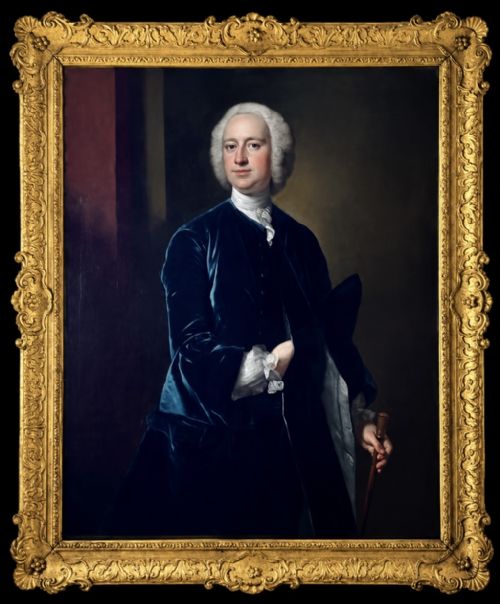
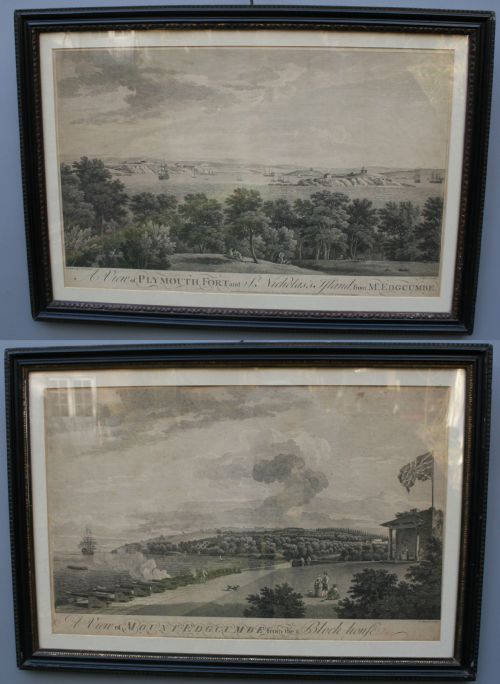
Georgian cartography and eighteenth century portraiture sit beside Victorian maritime watercolours and later twentieth century West Country oils. Each format offers a distinct glimpse into the visual heritage of the county.
How these pieces were made
The works rely upon traditional mediums including oil on canvas, watercolour, pastel, and gouache applied to paper or canvas supports. Ceramic pieces such as wall pockets utilise local West Country pottery techniques.
Many paintings are housed in period timber surrounds, including giltwood frames that complement the scale and palette of the artwork. Engravings and cartography employ detailed copperplate printing methods on paper before framing under glass.
Object types range from oil paintings and framed engravings to ceramic wall pockets and Georgian cartography.
What varies in quality
Quality rests upon the skill of the draughtsmanship and the artist's ability to render light and atmospheric conditions across coastal and moorland settings. Works by named practitioners holding formal exhibition records demonstrate superior handling of perspective and colour.
The integrity of the original support, whether canvas, paper, or ceramic, alongside the preservation of pigment and the retention of period framing, distinguishes finer examples from simpler decorative items.
Thomas Hudson·Lauder Pottery Barnstaple·Joseph Knight·Charles William Adderton·Charles Walter Simpson·Richard Harry Carter·Ernest Higgins Rigg·Robert Morden·William Traies·Charles Branwhite·Samuel Edward Kelly·Richard Cosway·Edmund Gouldsmith·George Marks·Alfred Leyman
The Antique Devon Wall Art Glossary
- Cartography
- The science or practice of drawing maps. Georgian examples often feature hand coloured cartouche details.
- Giltwood frame
- A wooden picture surround covered with a thin layer of gold leaf. These frames frequently date to the same period as the artwork they enclose.
- Wall pocket
- A decorative ceramic vessel designed to hang flat against a wall to hold flowers or foliage. Barnstaple potteries produced notable examples.
- Watercolour
- A painting method in which the paints are made of pigments suspended in a water soluble vehicle. This technique is prominent in nineteenth century West Country marine art.
Antique Devon Wall Art: Frequently Asked Questions
What subjects appear in antique devon wall art?
The subjects focus heavily on regional topography, including expansive moorland views of Dartmoor and Exmoor with ponies and figures. Coastal scenes depict fishing trawlers, beach life, and harbours around Brixham, Lynmouth, and Lyme Bay.
Alongside landscapes, you find regional portraiture of local figures, eighteenth century engraved views of Plymouth and Mount Edgcumbe, and early cartography mapping the county.
How do I date a piece of devon wall art?
Dating relies upon stylistic markers within the painting technique, artist biographical dates, and framing materials. Georgian maps and eighteenth century portraits carry distinct typographic and sartorial evidence.
Nineteenth and twentieth century watercolours and oils often bear artist signatures, exhibition labels, or inscriptions on the stretchers and reverse mounts that pinpoint their creation.
How should I care for antique paper and canvas art?
Works on paper, including watercolours and engravings, require protection from direct sunlight to prevent fading of pigments and yellowing of the paper. Displaying them away from high humidity keeps the paper stable.
Oil paintings on canvas benefit from gentle dusting with a soft, dry brush and stable indoor temperatures to avoid cracking in the paint layer and stretcher movement.