




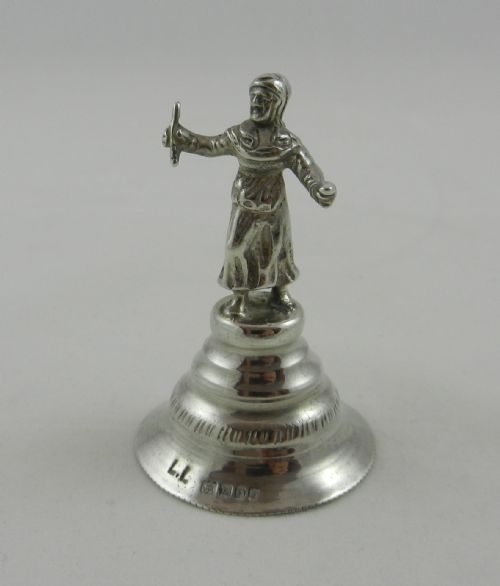

Antique Desk Service Bell
An antique desk service bell summons attention with a crisp ring, uniting practical Victorian utility with fine metalwork.
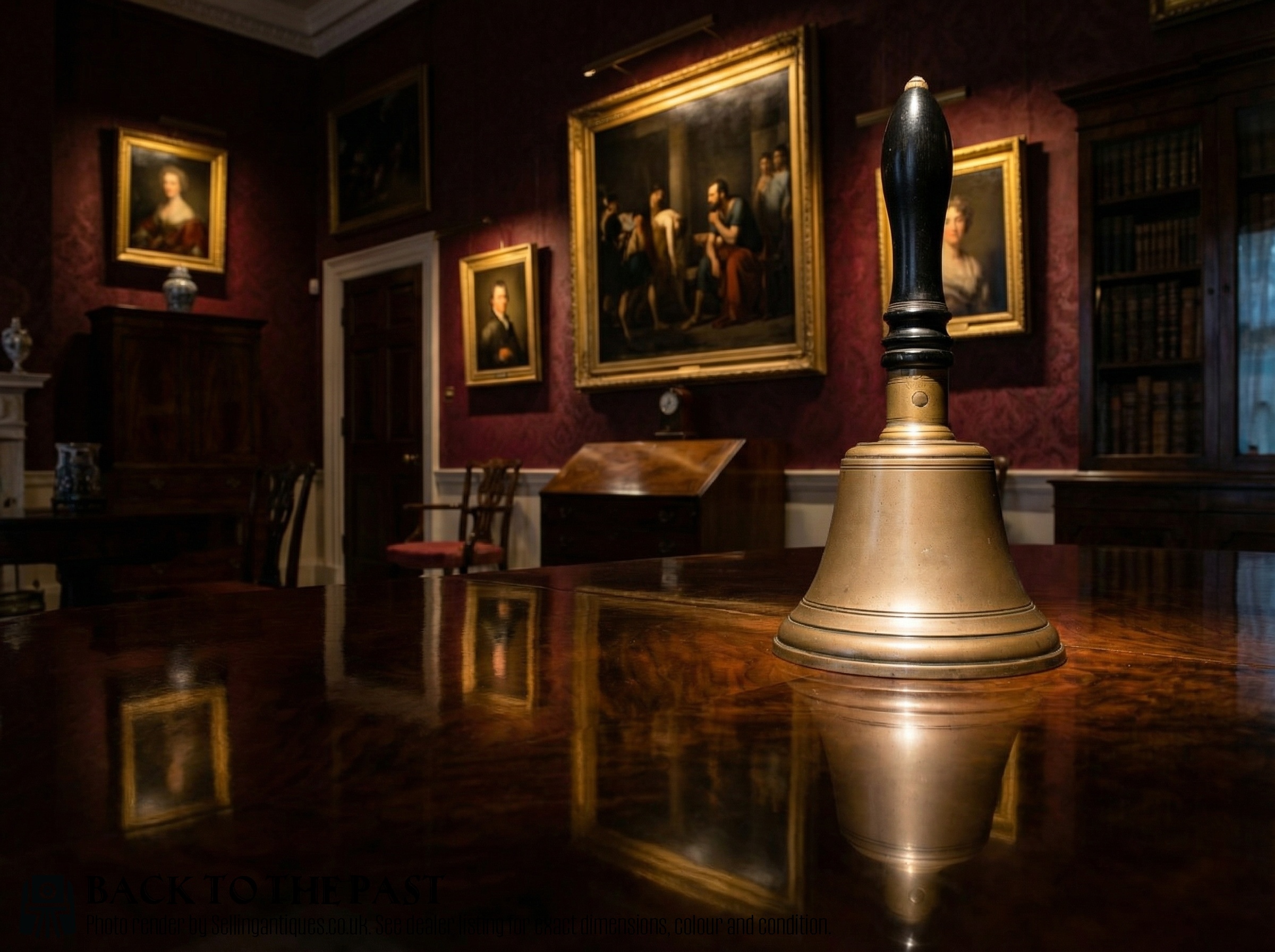
Antique Desk Service Bell
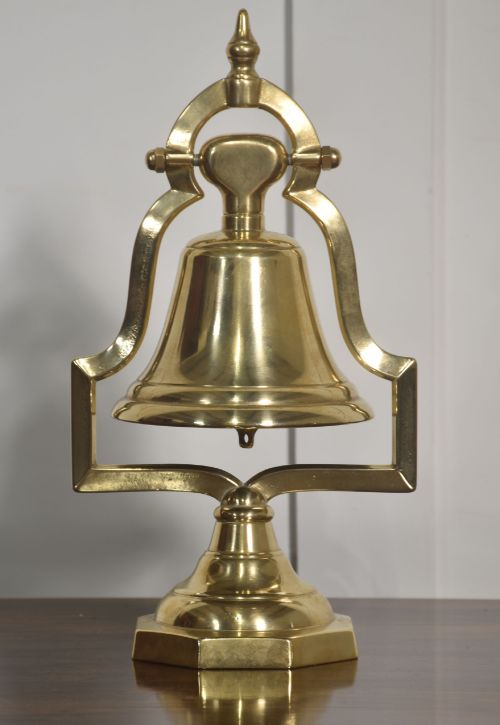
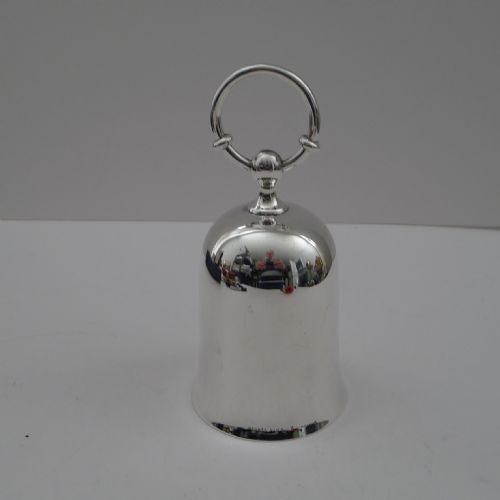
An antique desk service bell is a functional device designed for placement on a counter, desk, or table to call for assistance. The selection includes counter bells, table bells, and hand bells spanning periods from the late nineteenth century through the mid twentieth century.
Most examples originate from the Victorian and Edwardian eras, reflecting the domestic and commercial needs of the period. Buyers frequently encounter polished brass and silver plated specimens equipped with spring mechanisms or traditional clappers.
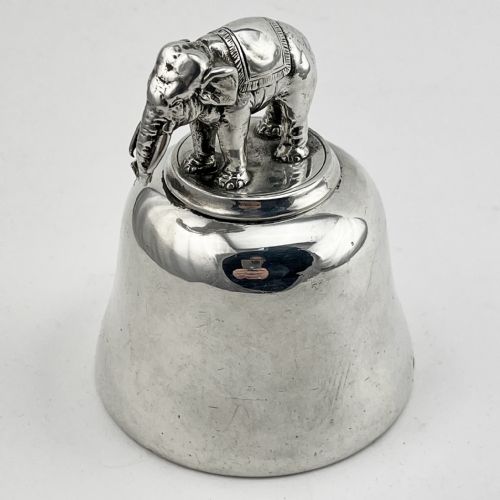
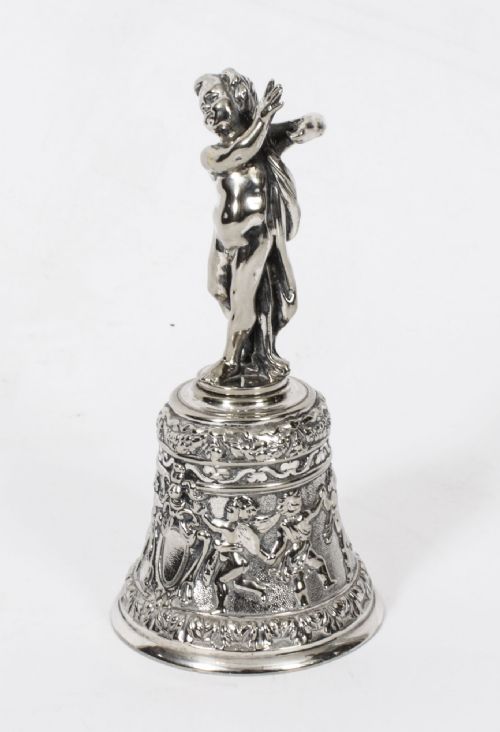
Forms range from simple brass desk stands to ornate figural designs incorporating glass, hardwood, bone, and bronze. Each piece represents a tangible piece of daily life from past decades, designed for regular use in homes, schools, and businesses.
How they were made
Maker construction relies heavily on cast brass, bronze, and sterling silver, often shaped into domes, stands, and decorative handles. Metals are turned, polished, and occasionally silver plated to achieve a bright finish.
More elaborate models incorporate contrasting materials such as glass bowls, hardwood bases, and carved bone details. Mechanical versions utilise internal springs and plungers to strike the bell when pressed from above.
Antique Desk Service Bell Retail Price Guide 2026
Typical asking prices for desk service bell among the pieces listed under this phrase on Sellingantiques today, from the lower quarter to the upper quarter. They describe what is for sale here now, not the wider market.
Among the formal metal domes sits a mechanical pig bell, proving that even Victorian service bells occasionally possessed a sense of humour.
What varies in quality
Quality separates simple utility items from pieces featuring sculptural figural handles and cast ornamentation. The thickness of the metal and the resonance of the tone indicate superior manufacture.
The complexity of the mechanism also determines standard, ranging from basic manual swing clappers to spring loaded counter plungers designed for heavy commercial use.
The Antique Desk Service Bell Glossary
- Counter bell
- A bell designed to sit firmly upon a shop counter or hotel reception desk for summoning staff. These typically feature a heavy base and a top plunger.
- Table bell
- A domestic bell placed on a dining or occasional table to call servants or family members. They often feature an ornate handle and a traditional clapper.
- Silver plate
- A thin layer of silver applied to a base metal such as brass or copper. This technique provided the appearance of solid silver at a lower production cost.
- Renaissance Revival
- A nineteenth century design style drawing inspiration from fifteenth and sixteenth century European art and architecture. Pieces in this style display classical motifs and heavy ornamentation.
Antique Desk Service Bell: Frequently Asked Questions
How do desk service bells work?
Most desk service bells operate either by pressing a spring loaded plunger on top that strikes an internal dome or by lifting a hand bell to swing a clapper.
Counter models usually remain stationary on a desk while the top button is depressed.
What materials are used in antique bells?
The primary materials found in these pieces include brass, bronze, sterling silver, and silver plate. Secondary materials such as glass, hardwood, and bone appear in handles and bases.
Metal combinations provide both structural weight and acoustic resonance.
How do I date an antique bell?
Dating relies upon stylistic markers, material composition, and manufacturing techniques characteristic of periods like the Victorian or Edwardian eras.
Inscriptions, patent dates, and makers marks when present offer further chronological precision.
Where were these bells originally used?
These bells served in diverse environments including domestic country houses, hotel reception desks, retail counters, and schoolrooms. Schoolmasters and shopkeepers relied upon them for daily communication.
Domestic households utilised them in dining rooms and drawing rooms to summon staff.