


Antique Desk Easel
An antique desk easel provides a sturdy support for reading, displaying portraits or checking time while working.
Antique Desk Easel
When you search for an antique desk easel, you encounter a range of items designed to hold books, music sheets, timepieces or photographs upright on a writing surface. The pieces appearing in this category span the nineteenth and early twentieth centuries, encompassing styles from Victorian and Edwardian periods to Art Deco and Art Nouveau.
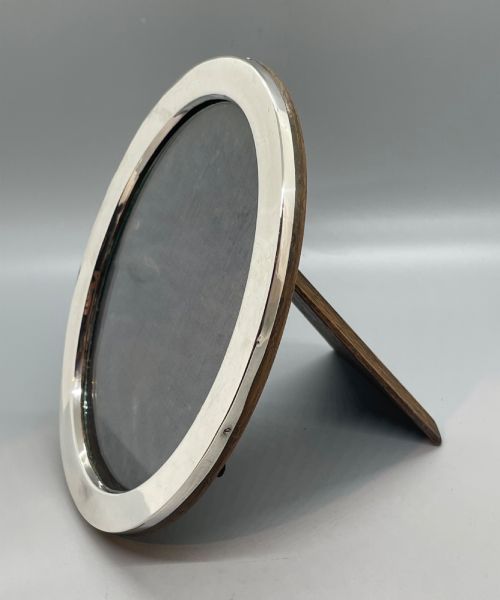
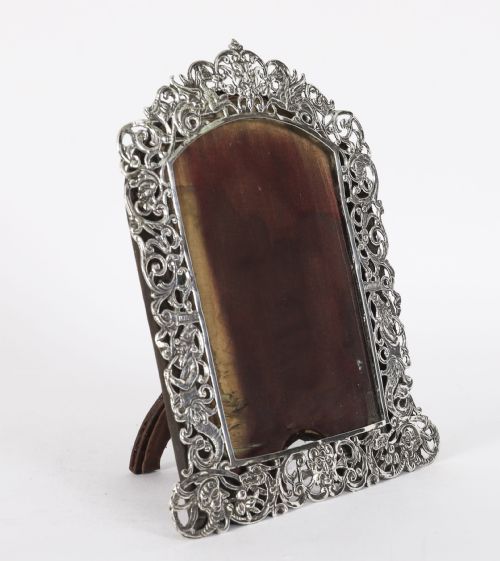
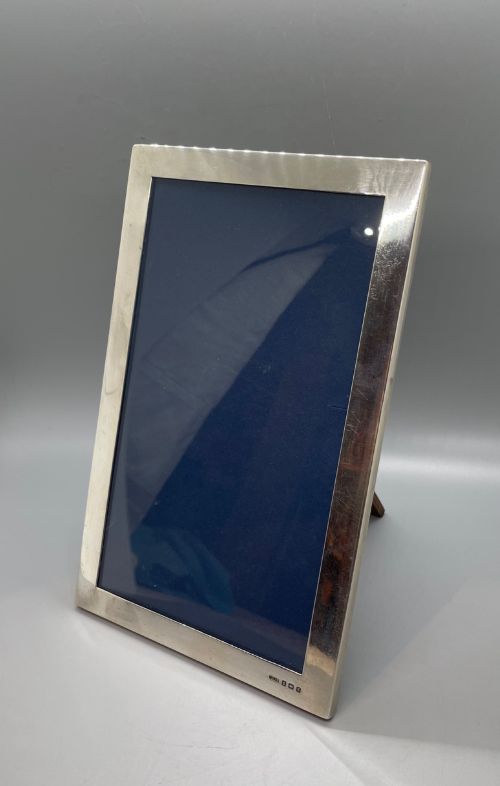
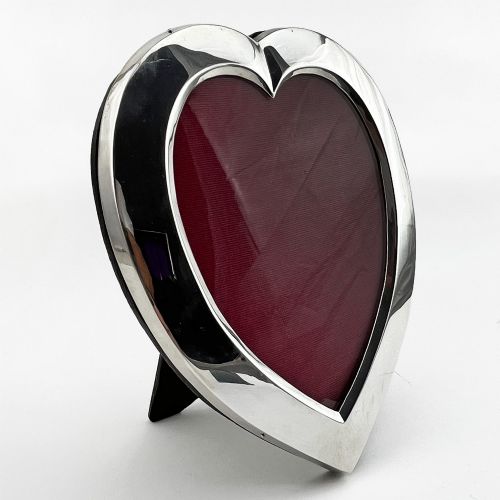
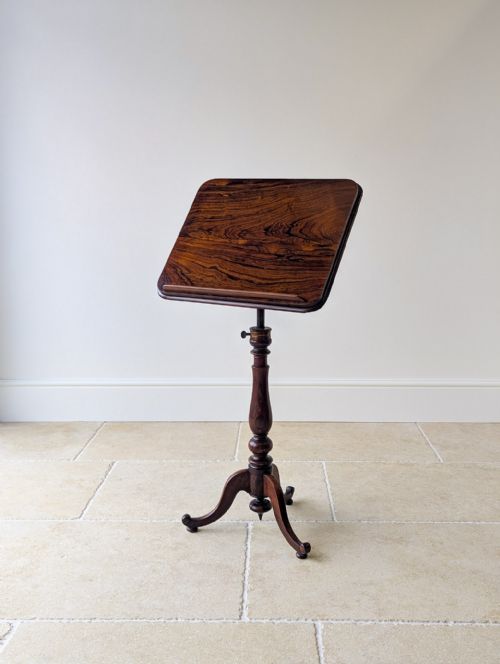
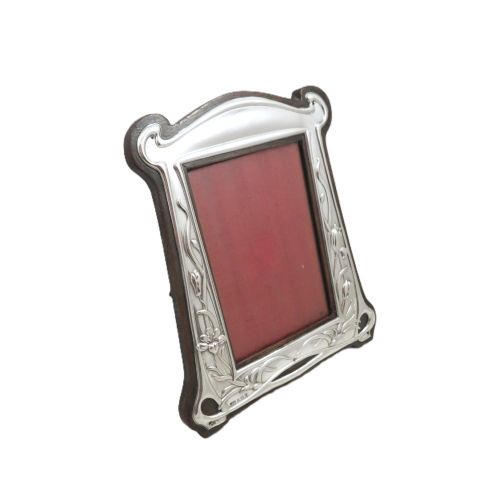
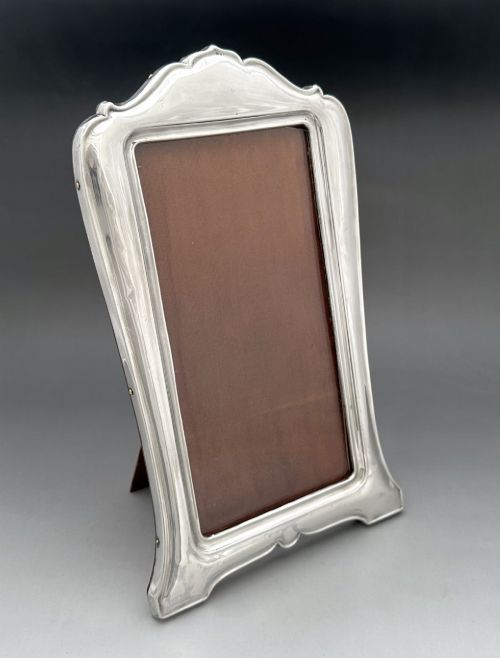
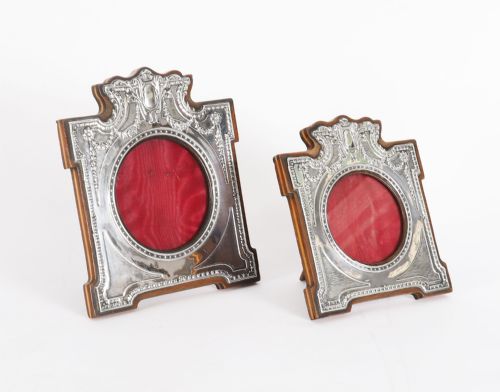
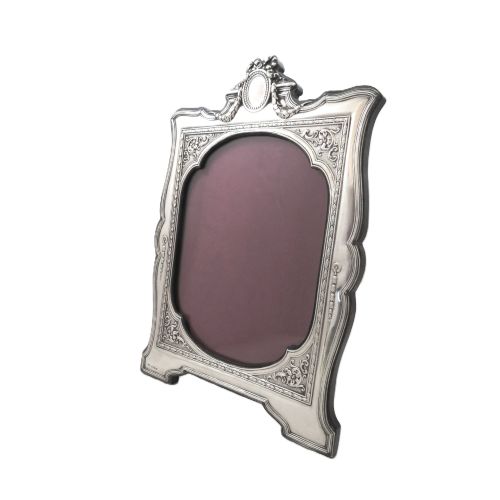
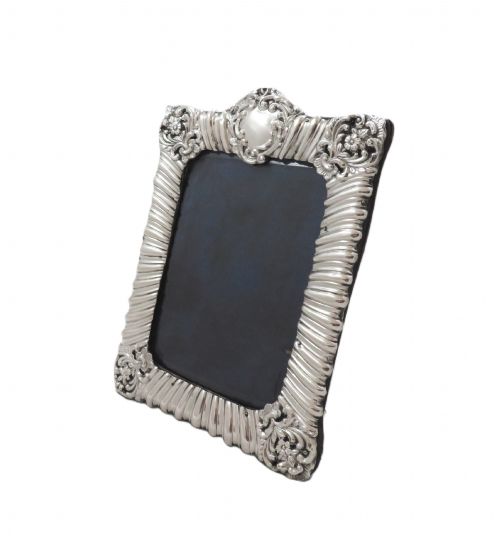
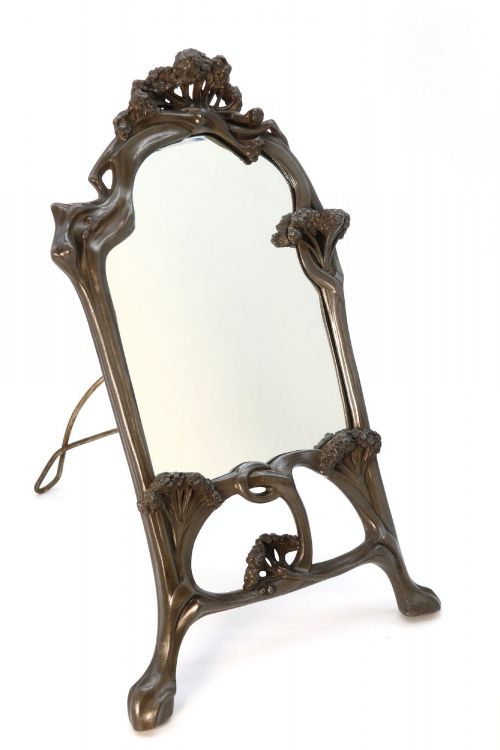
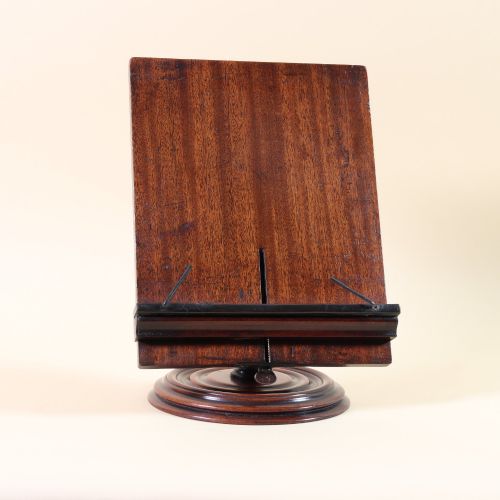
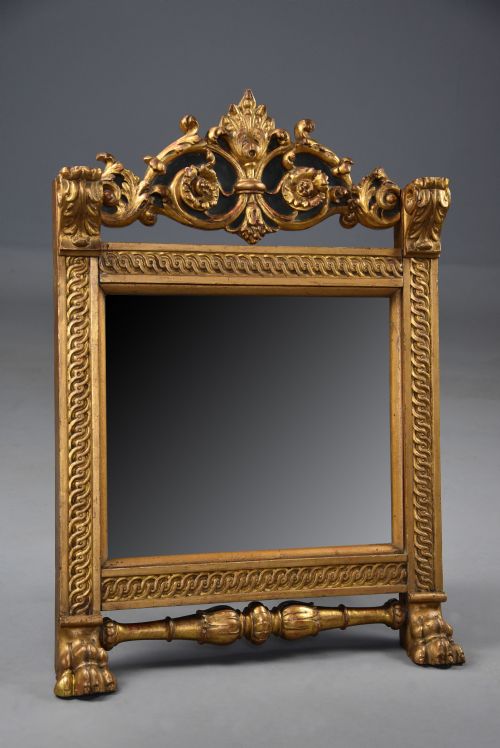
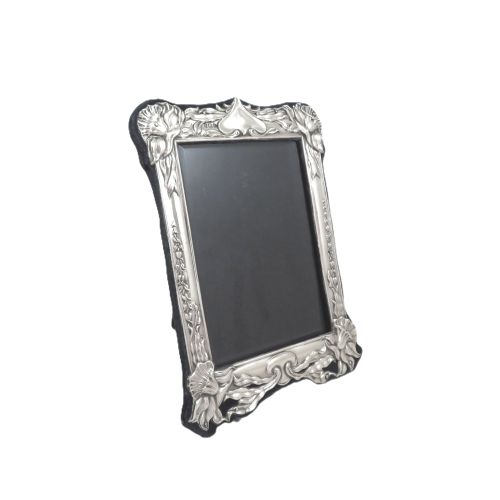
While the search names a desk easel, the inventory actually includes related table-top reading stands, music stands, book rests, vanity mirrors and sterling silver photo frames fitted with integral support struts. These varied objects share the common mechanical purpose of tilting items at a comfortable viewing angle for the user.
Makers and origins across these listings include English workshops, French studios and Swiss clockmakers using materials ranging from dense hardwoods to precious metals. Buyers frequently meet sterling silver picture frames bearing Birmingham assay marks alongside rosewood and mahogany reading tables.
Materials and construction methods
Makers utilised solid sterling silver, pewter, and giltwood alongside dense timbers such as rosewood, mahogany, and walnut to construct these supports. Metal items often received intricate embossing, chased motifs, or smooth polished borders, while wooden reading stands incorporated adjustable ratchets and brass hinges.
Backings for frames and mirrors typically consisted of wood lined with velvet or fitted with leather supports to ensure stability when the strut deployed. Joinery on nineteenth-century stands relied on turned columns and carved feet, whereas twentieth-century silver pieces employed wooden backing boards secured by hinged clips.
Assessing quality and craftsmanship
Quality reveals itself in the weight of the silver, the crispness of chased or embossed details like Reynolds Angels, and the solidity of the supporting strut. Superior examples maintain firm hinges that hold position securely without slipping under weight.
The choice of materials dictates the standard, with heavy gauge solid silver and well-figured rosewood or mahogany representing the upper tier of production. Maker marks from established silversmiths or renowned clockmakers further distinguish finer pieces from anonymous domestic items.
Rosenthal Jacob And Co·William Comyns·Mappin Bros·Louis Auguste Moreau·Carters Of London·Howell And James·Smiths Clockmakers·Deakin And Francis
The Antique Desk Easel Glossary
- Strut
- A hinged prop attached to the reverse of a frame, mirror or clock that allows it to stand upright on a desk.
- Champlevé
- An enamelling technique where troughs are dug into a metal surface and filled with vitreous enamel before firing.
- Assay mark
- A stamp indicating the purity of precious metal and the office that tested the item.
- Bergère
- A type of enclosed upholstered armchair with wooden framing, sometimes featuring woven cane panels.
- Giltwood
- Timber that has been coated with a thin layer of gold leaf or gilt powder.
Antique Desk Easel: Frequently Asked Questions
How do you adjust the angle of an antique desk easel?
Adjustable wooden stands usually employ a ratchet mechanism fitted underneath the ledge to alter the slope.
Smaller frames and mirrors rely on a hinged metal strut at the back that swings out to a fixed distance.
Were these items meant for travel or stationary use?
Most pieces remain too heavy or delicate for frequent transit, designed instead to stay in one spot on a library table, bureau or mantelpiece.
Sterling silver photo frames and small desk clocks occupied domestic writing desks and drawing rooms permanently.
What is the difference between a reading stand and a photo frame easel?
Reading stands feature larger wooden ledges built to bear the weight of heavy folios, music books or Bibles.
Photo frame easels utilise a slim strut specifically to display portrait or landscape pictures behind glass.
How do you clean sterling silver frames safely?
Use a soft cloth and a gentle silver polish specifically formulated for antique metalwork to preserve embossed details.
Avoid getting moisture onto the velvet or wooden backings often attached to the reverse of these pieces.