

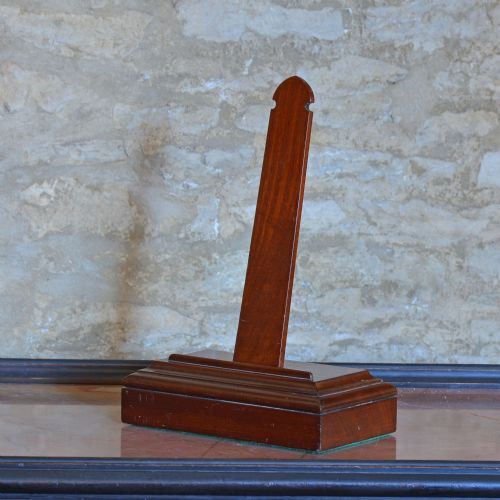


Victorian Mahogany Easel
These nineteenth-century pieces of furniture hold canvases, books and folios with steady proportion.
Victorian Mahogany Easel
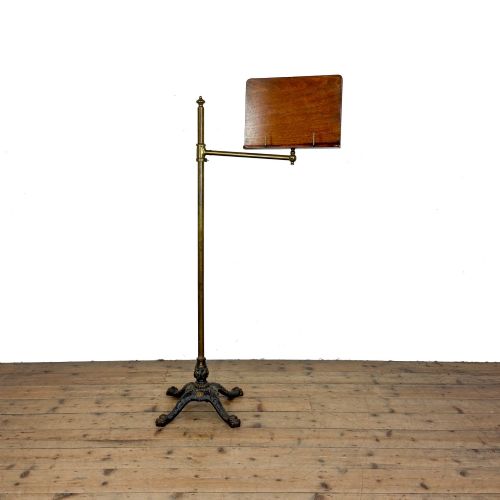
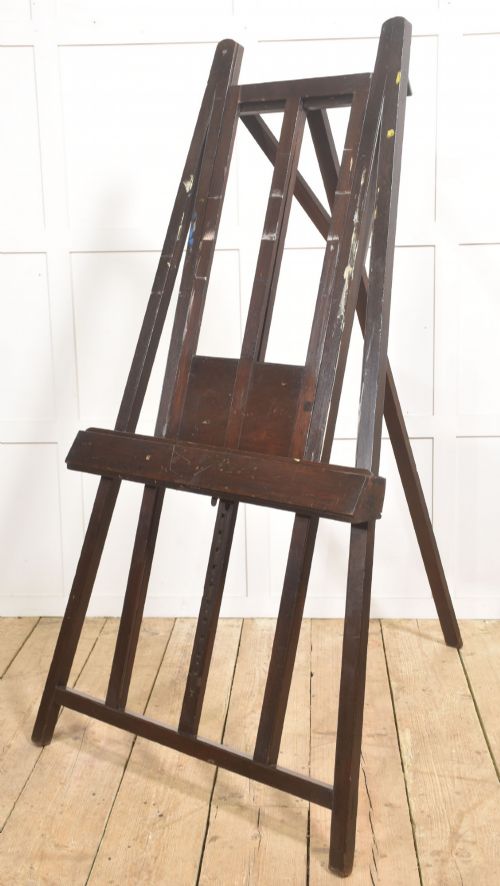
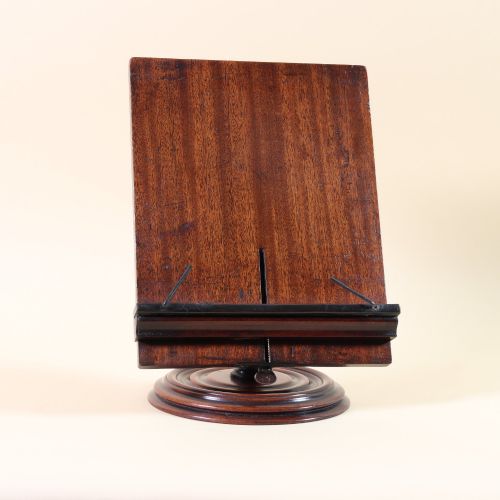
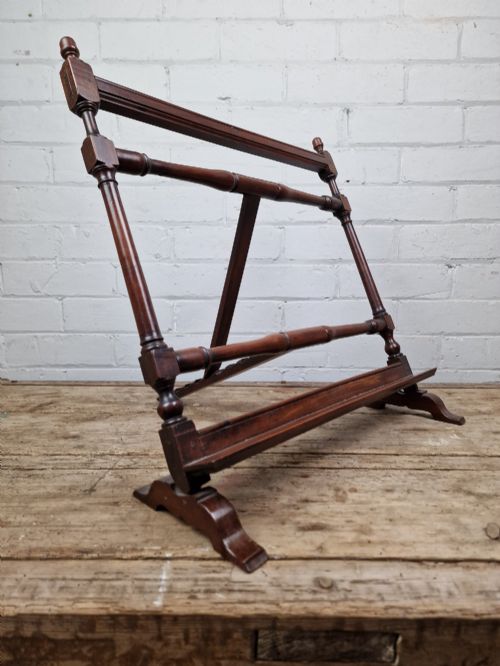
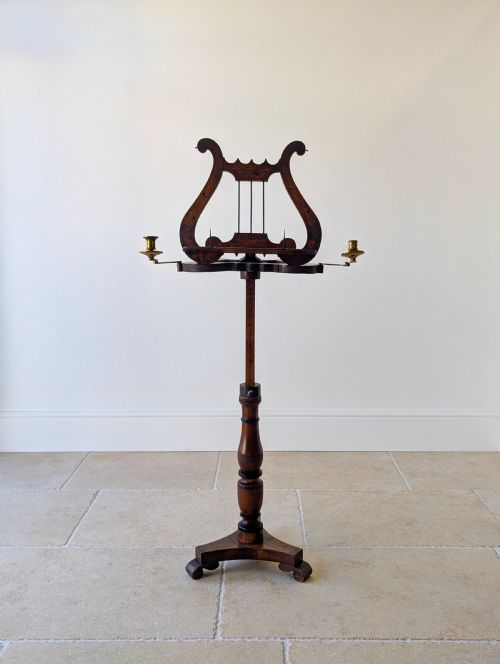
A victorian mahogany easel serves artists, readers and collectors by supporting paintings, books and folios at an adjustable angle. The pieces seen on this page span the nineteenth century, including the Victorian, William IV, and Regency periods, alongside related forms like music stands, reading stands and folio stands.
Studio easels, table-top models and gallery easels dominate the selection. Makers built these stands to be functional items of studio or library equipment, employing rich timber to suit domestic and working interiors alike.
How they were made
Carpenters utilised solid mahogany for the main frames, often turning uprights and incorporating brass fittings for adjustment mechanisms. Metal components such as cast iron appear on heavier studio models to provide necessary ballast.
Secondary elements include cane, leather, felt and wood depending on the specific form, whether a music stand, reading desk or painting easel. Detail work ranges from carved motifs to fretwork panels.
Victorian Mahogany Easel Retail Price Guide 2026
Typical asking prices for victorian mahogany easel among the pieces listed under this phrase on Sellingantiques today, from the lower quarter to the upper quarter. They describe what is for sale here now, not the wider market.
The listings here show pieces from the nineteenth century using mahogany, brass, metal, leather, felt, wood and cane.
What varies in quality
The sophistication of the mechanical adjustment hardware largely separates standard utility pieces from finer examples. Robust brass ratchets, smooth screw mechanisms and well-engineered pivoting joints indicate careful workshop production.
Selection of the mahogany timber and the presence of carved ornamentation or inlaid details distinguish high-end studio and gallery easels from plainer functional stands.
Newman
The Victorian Mahogany Easel Glossary
- Mahogany
- A durable hardwood with a warm reddish-brown grain utilised extensively for nineteenth-century furniture and studio equipment. Its stability made it ideal for adjustable stands.
- Studio easel
- A large, sturdy standing frame designed for artists working in oils or large canvases. These often incorporate winch mechanisms or heavy bases for stability.
- Reading stand
- A desktop or floor-standing support featuring a sloping ledge for books or folios. Many include hinged book-rests and adjustable height poles.
- Folio stand
- A piece designed to hold large portfolios of prints, drawings or maps flat or slightly inclined. They often feature slatted sides and folding cross-frames.
Victorian Mahogany Easel: Frequently Asked Questions
What is a studio easel used for?
Artists utilise studio easels to hold large canvases upright while painting. They provide height adjustment and solid support in a workshop setting.
These large pieces often feature heavy bases or wheeled legs to move easily across wooden floors while bearing the weight of framed artwork.
How do I adjust a reading stand?
Reading stands typically rely on brass ratchets, pegs or sliding wooden arms to alter the reading angle. Users lift the book rest and secure it into the desired notch.
This mechanism allows books, folios or sheet music to be angled towards the reader for comfortable viewing at a desk or table.
Where were these pieces used?
Nineteenth-century stands found places in artist studios, libraries, studies and formal drawing rooms. They served practical daily functions for reading, painting and displaying bound works.
Their robust mahogany construction meant they could withstand regular adjustment and movement between rooms.
How do I distinguish Victorian from Regency pieces?
Regency and William IV pieces tend to show sharper classical turning and bolder proportions dating from earlier in the nineteenth century. Victorian items span a broader range of styles, from plain utilitarian stands to heavily carved or inlaid gallery models.
Examining the specific brass hardware, turning style and joinery helps clarify the period of production.