

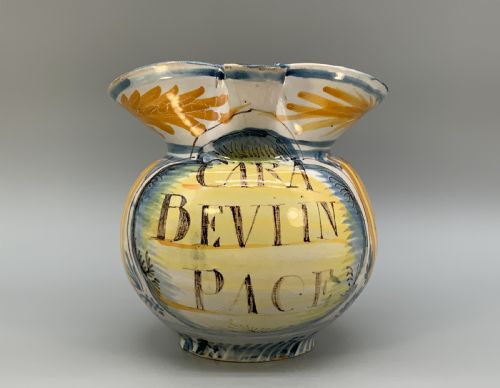


Antique Delft Ceramic Jug
These antique delft ceramic jug pieces are tin-glazed earthenware vessels offering historical character and hand-painted blue and white or polychrome decoration for any interior.
Antique Delft Ceramic Jug
An antique delft ceramic jug brings centuries of European pottery tradition into a room, spanning forms from simple pitchers and tankards to complex puzzle jugs and pharmacy vessels. The pieces found here predominantly reflect Dutch delftware origins, alongside Italian and German examples.
Makers utilised earthenware bodies covered in a characteristic tin glaze, which served as a smooth white canvas for intricate painting. Buyers encounter everything from early seventeenth-century blue and white chinoiserie designs to later nineteenth-century polychrome figures.
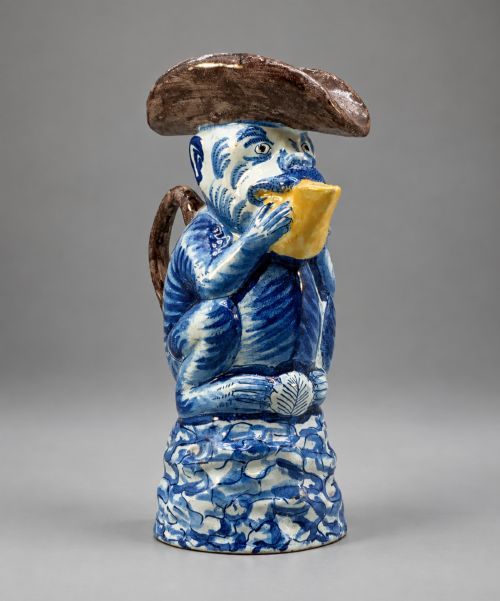
The selection includes specialised forms such as apothecary jugs, coffee pots, and figural toby jugs that reveal the diverse domestic and commercial uses of tin-glazed pottery. Each vessel carries the distinct visual language of its period, whether seventeenth-century Dutch or nineteenth-century historicism.
How they were made
Potters shaped the ceramic and earthenware bodies by hand or on a wheel before applying a tin glaze that fired to an opaque white surface. Artisans then painted directly onto this absorbent glaze using cobalt blue, manganese, and other mineral pigments.
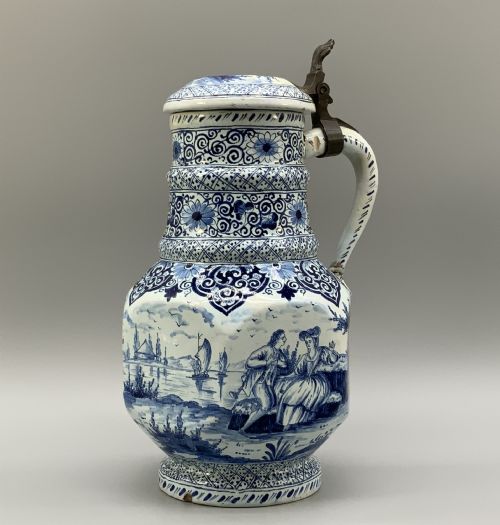
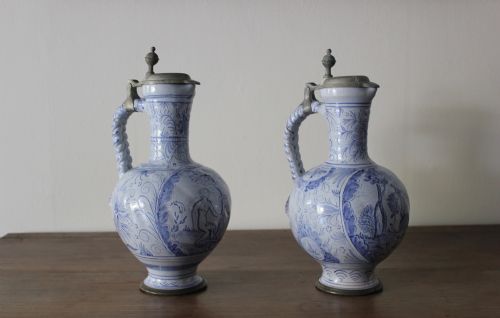
Many historical examples incorporate fitted metal mounts, such as pewter lids attached to jugs and tankards for practical daily use. The firing process required careful temperature control in traditional kilns to achieve the signature gloss and colour depth of tin-glazed earthenware.
Antique Delft Ceramic Jug Retail Price Guide 2026
Typical asking prices for delft ceramic jug among the pieces listed under this phrase on Sellingantiques today, from the lower quarter to the upper quarter. They describe what is for sale here now, not the wider market.
The listings span from the seventeenth century through to the late nineteenth century, encompassing earthenware, tin-glazed surfaces, and pewter elements.
What varies in quality
The precision and fluidity of the hand-painted decoration distinguish superior examples from simpler production pieces, particularly in detailed chinoiserie scenes and floral motifs. Finer vessels display confident brushwork and well-balanced proportions that reflect the skill of the original workshop.
The purity of the white tin glaze and the stability of the fired colours create visual harmony across the surface of the better-preserved jugs. Collectors also look for the integrity of the earthenware body and any surviving original pewter hardware.
Pieter Verburg
The Antique Delft Ceramic Jug Glossary
- Tin Glaze
- A lead glaze made opaque by the addition of tin oxide, providing the white background typical of delftware. This surface accepts metal oxide pigments for hand-painted decoration before firing.
- Faience
- A European term for tin-glazed earthenware, often associated with wares produced in France, Germany, and other continental centres. The technique shares the same foundational chemistry as Dutch delft.
- Chinoiserie
- European decorative motifs imitating Chinese artistic styles, frequently seen in blue and white on seventeenth and eighteenth-century pottery. These designs depict imagined landscapes, figures, and architectural elements.
- Puzzle Jug
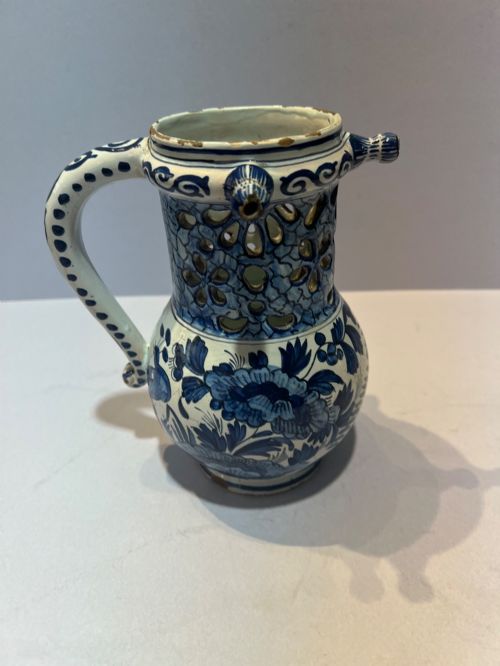
- A drinking vessel featuring a perforated neck and multiple spouts that challenges the user to drink without spilling. This form relies on a hidden tubular channel connected to the handle.
- Polychrome
- Decoration utilising multiple colours beyond traditional cobalt blue, incorporating manganese, yellow, and green pigments. These varied palettes appear frequently on later delft and majolica pieces.
Antique Delft Ceramic Jug: Frequently Asked Questions
What is an antique delft ceramic jug?
An antique delft ceramic jug is a tin-glazed earthenware vessel, typically originating from Dutch, German, or Italian workshops across the seventeenth, eighteenth, and nineteenth centuries. These pieces feature hand-painted decoration in blue and white or polychrome colours.
Potters created these vessels for various functions, ranging from serving liquids at the table to storing dry goods in pharmacies. Their distinctive tin glaze provides the bright white surface characteristic of historic delftware.
How were these jugs used historically?
Historic jugs served practical roles in domestic dining, tavern service, and apothecary storage, holding beer, wine, coffee, or medicinal liquids. Many included pewter lids to keep contents secure during daily use.
Specialised forms like puzzle jugs functioned as novelty items for entertainment during social gatherings. Over time, these functional vessels transitioned into decorative cabinet pieces valued for their artistry.
How do I care for tin-glazed earthenware?
Tin-glazed earthenware requires gentle handling due to the ceramic body and the historical nature of the tin glaze. Dusting with a dry, soft cloth is usually sufficient for routine maintenance.
Avoid immersing antique jugs in water or exposing them to sudden temperature changes, which can stress the historic glaze and ceramic material. Display them away from direct sunlight and damp environments.