





Antique Deed Chest
An antique deed chest secures paper and keepsakes in iron, steel, or rich timber, offering a tangible link to centuries of domestic and commercial history.
Antique Deed Chest
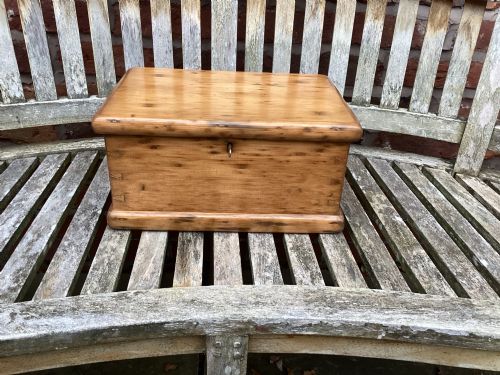
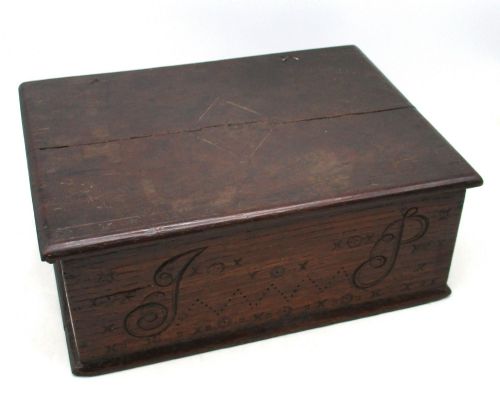
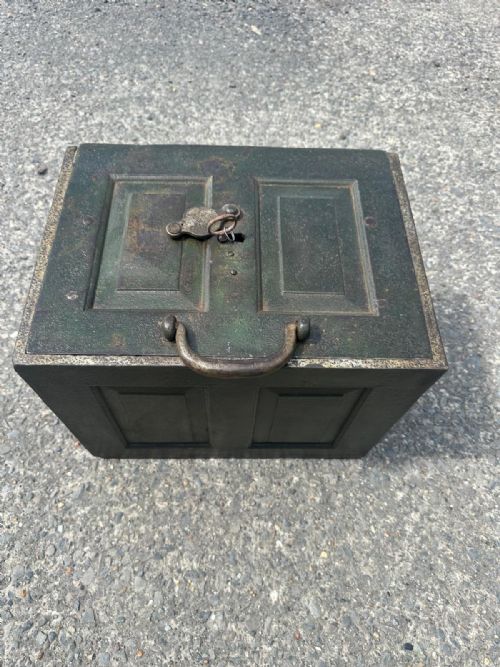
An antique deed chest encompasses a variety of strongboxes, document boxes, and safes designed to safeguard legal papers and valuables. Buyers seeking an antique deed chest encounter pieces ranging from early seventeenth-century oak Bible and deed boxes to Victorian cast iron safes and nineteen-twenties steel storage cases.
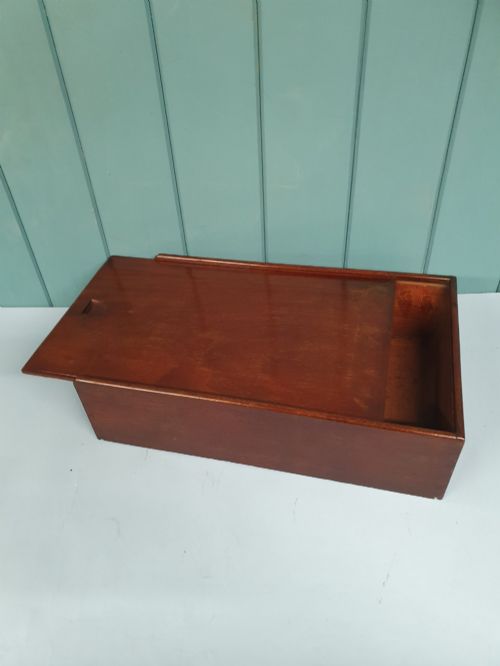
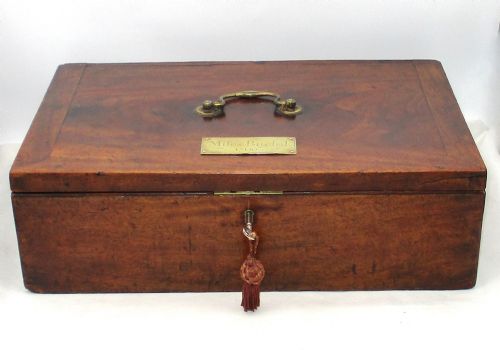
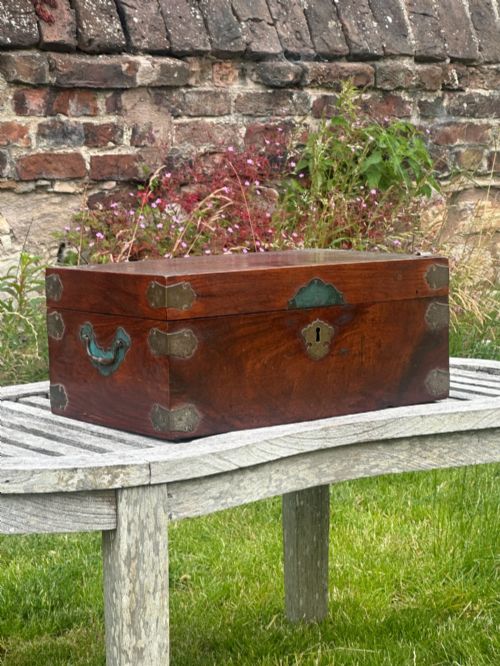
The forms span from small tabletop desk boxes in mahogany and carved oak to heavy metal strongboxes and folk-art painted containers. Examples include Anglo-Indian padouk boxes with brass banding, French chestnut coffers with gothic carving, and Scandinavian metal-bound boxes.
Domestic and commercial interiors of past centuries relied upon these sturdy repositories to protect important documents from fire, theft, and damp. The selection reflects diverse origins, utilising woods like mahogany, oak, padouk, and chestnut alongside robust ferrous metals.
How they were made
Makers constructed wooden deed chests using durable hardwoods such as mahogany, oak, and padouk, frequently employing sturdy dovetail joints and panel construction to withstand heavy use. Iron and steel versions utilised heavy cast construction, sometimes incorporating brass bindings, strapwork, and specialised locking mechanisms.
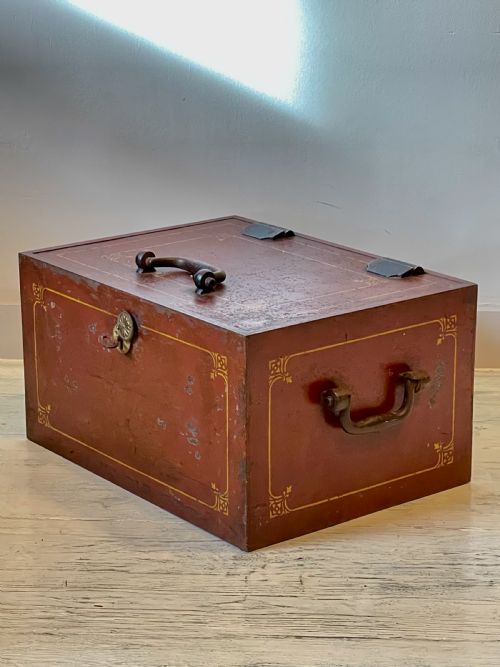
Surface treatments varied widely, from polished natural timber and carved decoration to original paintwork and leather coverings. Metal iterations relied upon foundry casting and robust riveting, paired with functional locking devices and keys designed for security.
Antique Deed Chest Retail Price Guide 2026
Typical asking prices for deed chest among the pieces listed under this phrase on Sellingantiques today, from the lower quarter to the upper quarter. They describe what is for sale here now, not the wider market.
Some nineteenth-century folk art deed chests survived because their vibrant painted decorations were too charming for anyone ever to throw away.
What varies in quality
The distinction between standard utility boxes and finer examples rests upon the selection of materials, the sophistication of construction, and the survival of original surface finishes and keys. Superior pieces display thoughtful joinery, high-grade timber figures, or sophisticated metalwork rather than mere mass-produced utility.
The presence of original decorative elements, such as folk art paintwork, gothic carving, or intact brass banding, elevates a piece's integrity. Preservation of original locks, functioning keys, and unaltered surfaces marks the difference between ordinary storage and a distinguished antique.
Milners of Liverpool·George Price
The Antique Deed Chest Glossary
- Padouk
- A dense tropical hardwood known for its reddish hue, often utilised in export furniture and decorative boxes from regions influenced by trade.
- Strongbox
- A heavily reinforced metal container designed to secure valuables and documents against theft and fire.
- Document box
- A portable container specifically sized for the storage of flat paper deeds, contracts, and letters.
- Fall front
- A hinged front panel that drops down to reveal internal compartments or drawers within a desk box or chest.
- Folk art
- Decorative or utilitarian items produced within a traditional community style, often featuring distinctive hand-painted or carved ornamentation.
Antique Deed Chest: Frequently Asked Questions
What were antique deed chests used for?
These chests served as secure storage for land indentures, legal contracts, wills, and private correspondence before modern filing systems existed. Households and businesses relied upon them to keep vital papers safe from prying eyes and accidental loss.
Over time, their roles expanded to hold family keepsakes, currency, and jewellery. Their robust construction reflected the high value placed on paper documents in past centuries.
How do I tell an 18th-century box from a 19th-century one?
Eighteenth-century examples often display traditional timber construction, hand-cut dovetails, and simpler locking mechanisms integrated into wood or light metal framing. Oak and mahogany predominated during this period, with understated decoration suited to domestic spaces.
Nineteenth-century pieces frequently incorporate heavier cast iron, steel, and patent locking systems reflecting industrial advancements. The rise of specialised safe makers introduced robust strongboxes alongside folk art painted wooden chests.
Where should I place a deed chest in my home?
These compact boxes sit well upon side tables, desks, or low cabinets where their textures and metalwork can be appreciated. Their enclosed storage makes them practical for keeping modern odds and ends out of sight while adding historical character to a room.
Placing them away from direct heat sources and strong sunlight helps preserve the timber surfaces and original painted or leather finishes. Many owners utilise them as focal points in studies, hallways, or living spaces.
Are original keys important for these boxes?
Original keys add significantly to the historical integrity and completeness of an antique chest or safe. Finding a piece retaining its working original key is a notable bonus for collectors.
However, many historical strongboxes and document boxes survive without them due to centuries of shifting households. Functional locks remain desirable, though the primary appeal often lies in the box's exterior craftsmanship and materials.