



Antique Decoy
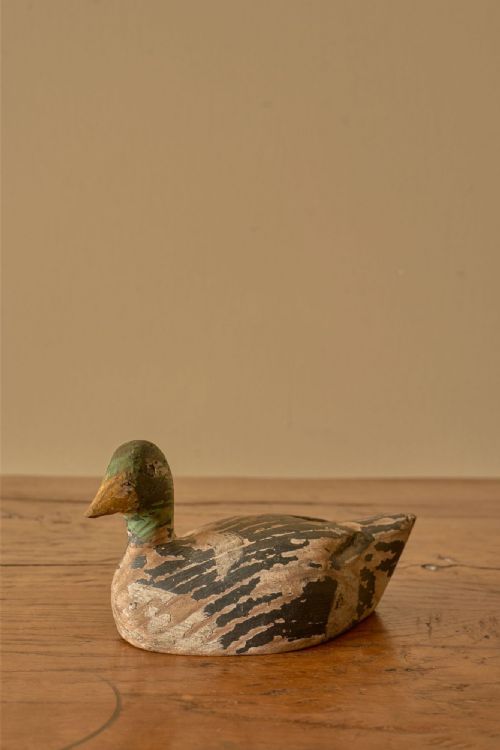
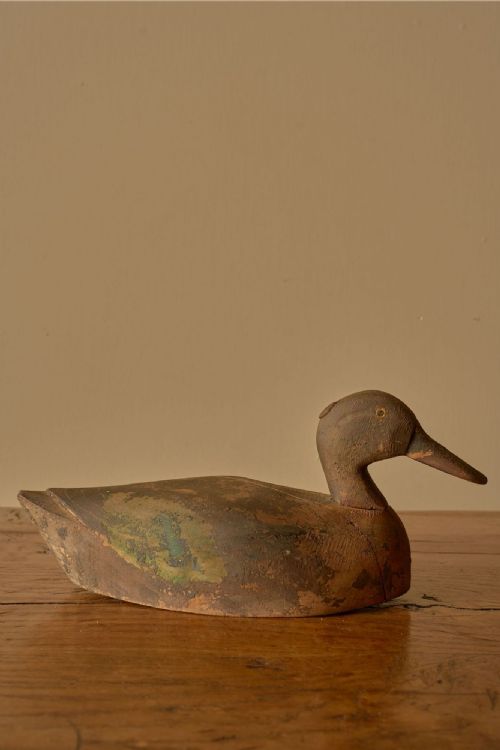
An antique decoy is a working carving of timber and paint that brings the quiet utility of the marsh straight into the room.
Antique Decoy
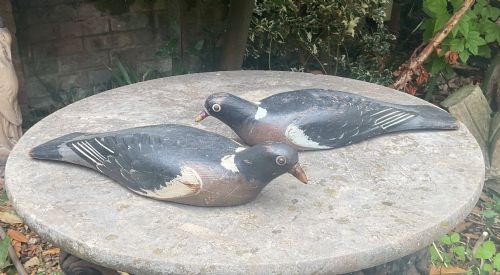
When you search for an antique decoy, you encounter working carvings created to lure wildfowl, pigeons, or doves into shooting range. These utilitarian objects span the nineteenth century, the Edwardian era, and the early twentieth century, showing the practical needs of rural life.
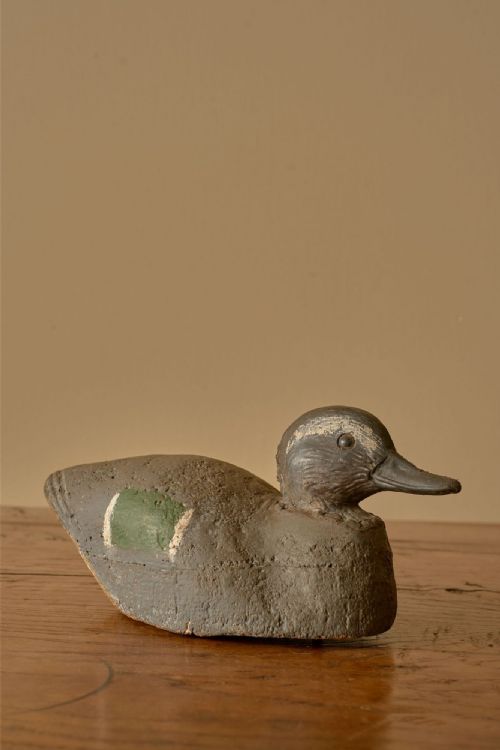
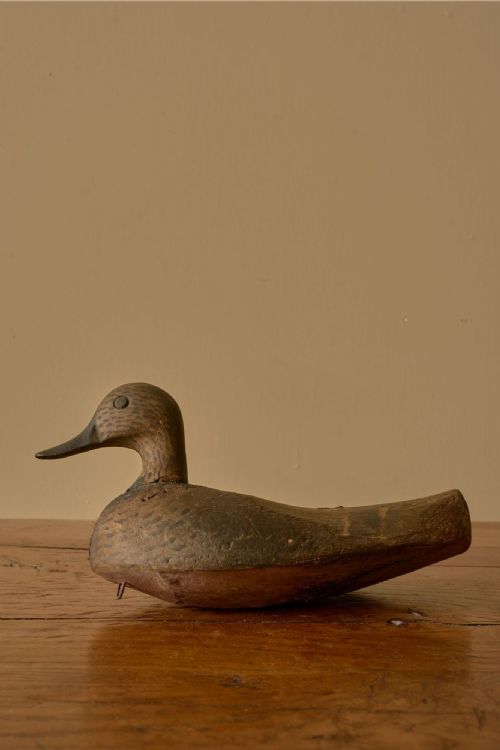
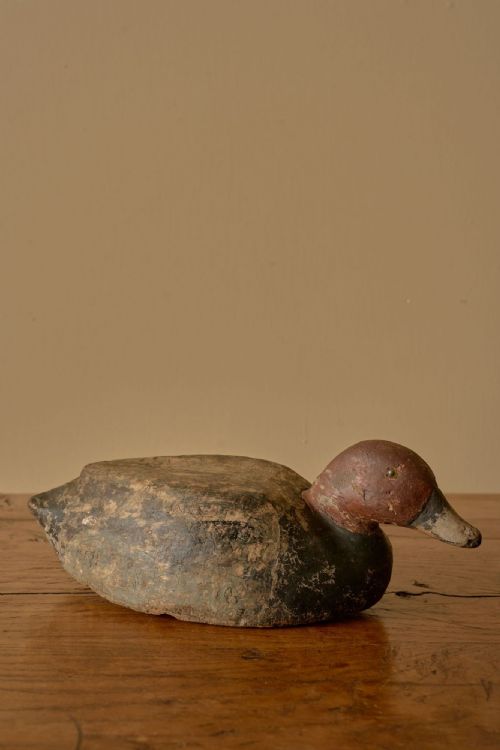
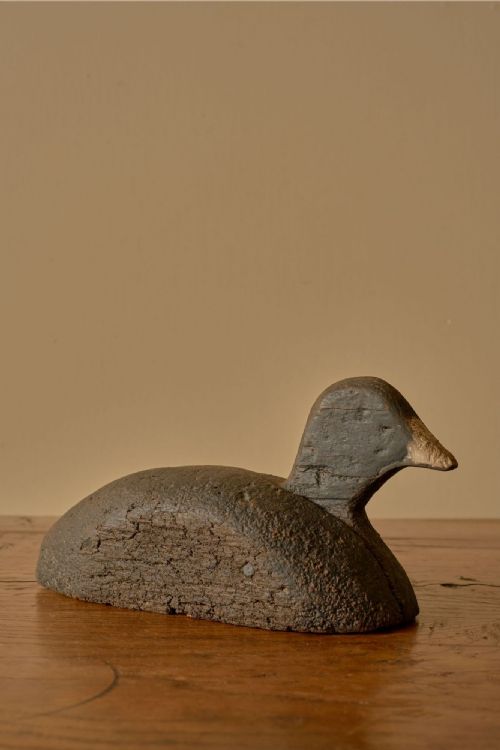
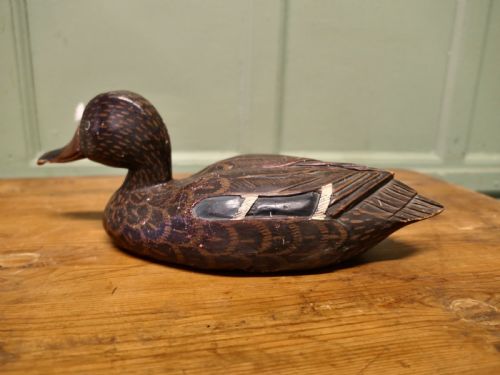
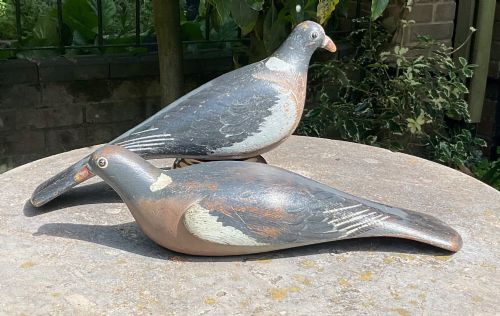
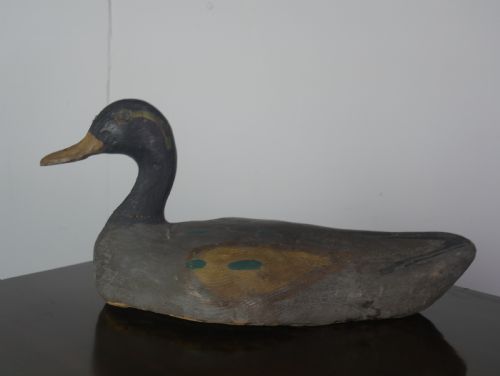
The version you are most likely to meet on this page is the decoy duck, carved from wood and finished with hand paint. Alongside ducks, the selection includes decoy pigeons, geese, loons, and dovecoat decoys, often categorized under folk art and treen.
Many examples arrive with paired groupings or sets, reflecting their original use in larger spreads on water or in fields. Their forms range from simple carved timber bodies to more detailed representations complete with glass eyes.
Materials and construction
Makers shaped these pieces primarily from solid timber and carved wood, utilising the natural weight of the material to keep the figures stable on water or land. Alternative constructions include papier mâché and straw, particularly in smaller studies like ducklings.
Surfaces are finished with paint, showing layered tones that weathered the elements outdoors. Metal fittings and iron components occasionally appear in the construction, whilst glass is utilised for realistic eyes on specific avian forms.
Antique Decoy Retail Price Guide 2026
Typical asking prices for decoy among the pieces listed under this phrase on Sellingantiques today, from the lower quarter to the upper quarter. They describe what is for sale here now, not the wider market.
Listings span the nineteenth century, the Edwardian era, and the nineteen-thirties, featuring materials like carved wood, painted timber, glass, iron, and papier mâché.
Distinctions in quality
Quality rests in the vigour of the original carving and the integrity of the surface paint. Pieces that retain their genuine working layers of pigment show a more direct connection to their utilitarian origins.
Proportion and stance separate standard production from finer sculptural examples. A well-balanced silhouette captures the specific posture of a duck, pigeon, or loon rather than a generic bird shape.
The Antique Decoy Glossary
- Folk art
- Objects created by self-taught or traditional makers working outside academic traditions. These items prioritize practical utility and direct expression over formal academic training.
- Treen
- Small handmade wooden household objects and utilitarian items. The term encompasses turned and carved wooden pieces made for everyday use.
- Decoy
- A carved or moulded figure used to attract wild birds or animals. In this context, they were utilised by hunters to draw fowl close.
- Dovecote
- A structure or nesting place intended for doves or pigeons. Decoys associated with dovecotes served to encourage birds to settle.
Antique Decoy: Frequently Asked Questions
What is an antique decoy?
An antique decoy is a carved wooden or papier mâché bird made to attract wild fowl or pigeons for shooting. Makers shaped these objects by hand and finished them with paint to mimic live birds on water or in fields.
Over time, these working implements transitioned from practical shooting tools into decorative folk art objects collected for their rustic forms and surface patina.
How were decoys used?
Hunters placed wooden ducks on water or arranged pigeons and geese in fields to create the appearance of a resting flock. The carved figures convinced passing wild birds to land nearby within range.
Today, these objects are displayed indoors as decorative sculptures, treen, and folk art studies rather than serving their original outdoor function.
How do I date an antique decoy?
Dating relies on examining the tool marks left by the maker, the type of timber, and the composition of the paint layers. Pieces from the nineteenth century often show heavier hand-working, whilst Edwardian and early twentieth-century examples display characteristic regional carving styles.
Materials like papier mâché or specific paint formulations also help place an object within the Edwardian period or the nineteen-thirties.
How do I live with decoys?
Decoys suit display on shelves, mantelpieces, and tables where their carved wooden textures and painted surfaces can be appreciated up close. They pair naturally with other rustic items, folk art, and treen.
Keep them away from direct heat sources and strong sunlight to protect the original painted finishes from fading or flaking over time.