




Antique Decorative Tin
These antique decorative tin and tin-glazed vessels unite utility and artistry across centuries of domestic display.
Antique Decorative Tin
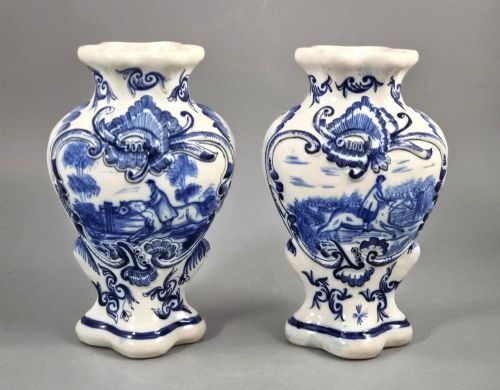
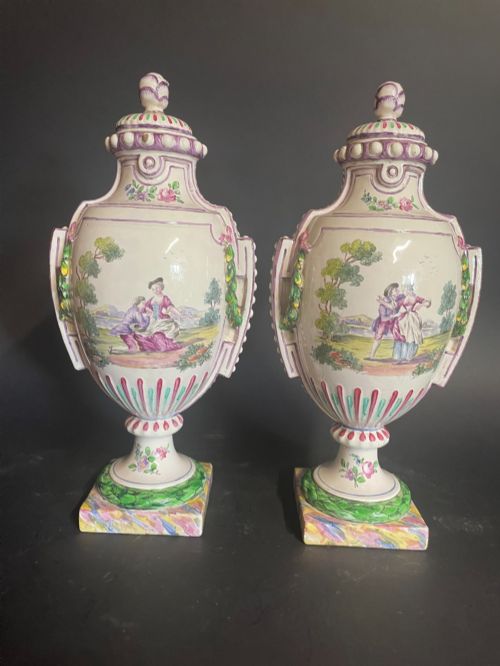
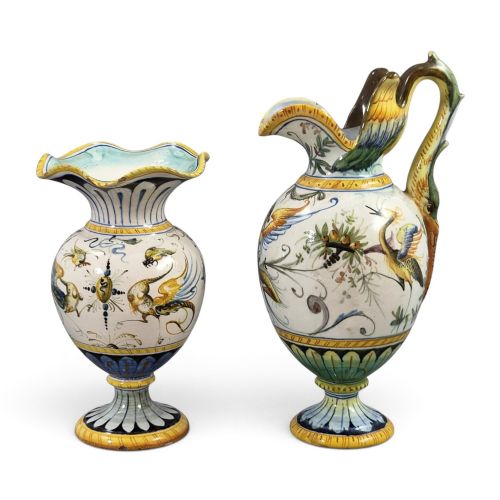
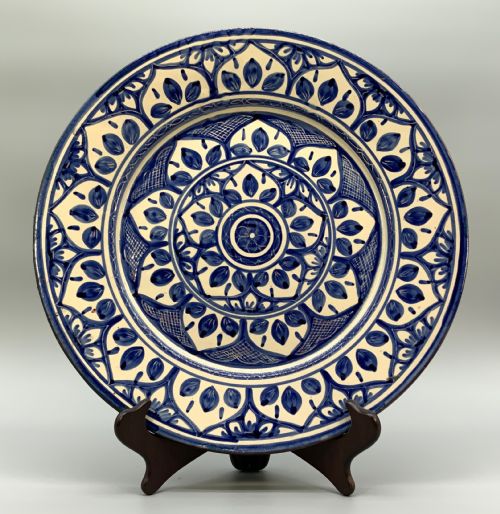
Buyers exploring antique decorative tin will encounter a diverse selection of tin-glazed earthenware plates, chargers, and vessels alongside painted toleware and metal novelties. The offerings span centuries of European production, featuring notable examples of English, Dutch, French, and Italian craftsmanship.
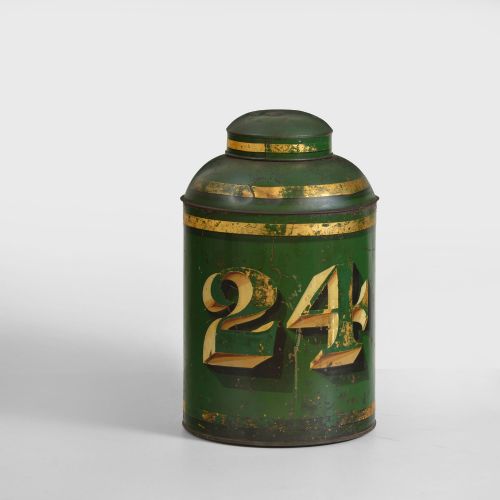
Most frequently, collectors meet tin-glazed ceramic chargers and hand-painted tea canisters dating from the eighteenth and nineteenth centuries. These items served both functional roles in domestic life and ornamental purposes in formal rooms.
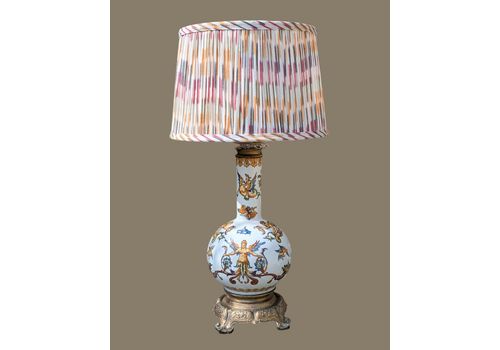
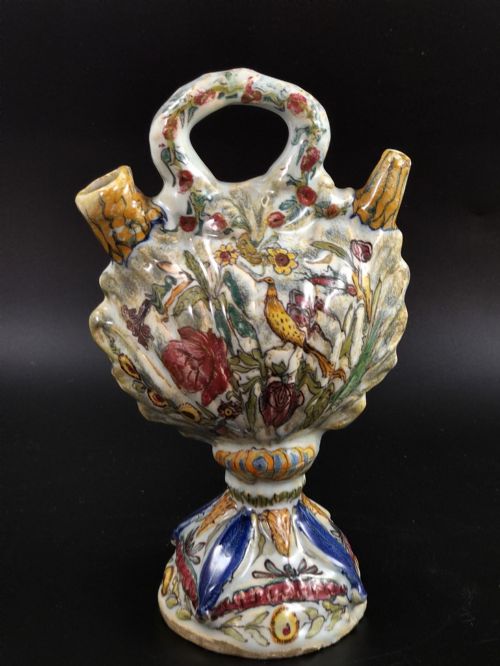
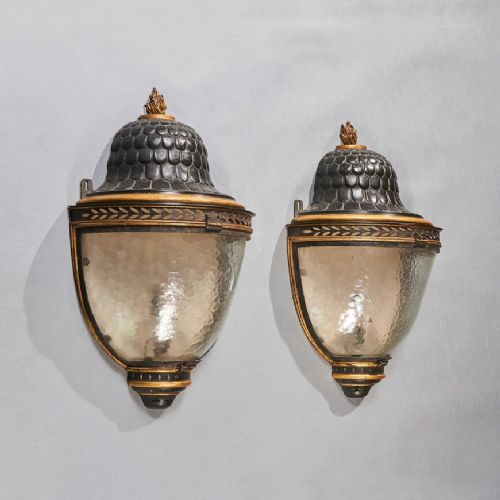
The category extends to specialised items such as wall lanterns, pilgrim flasks, table lamps, and novelty biscuit tins manufactured by prominent firms. Each piece reflects the aesthetic preferences of its period, from Renaissance Revival revivals to delicate Chinoiserie motifs.
Materials and manufacturing methods
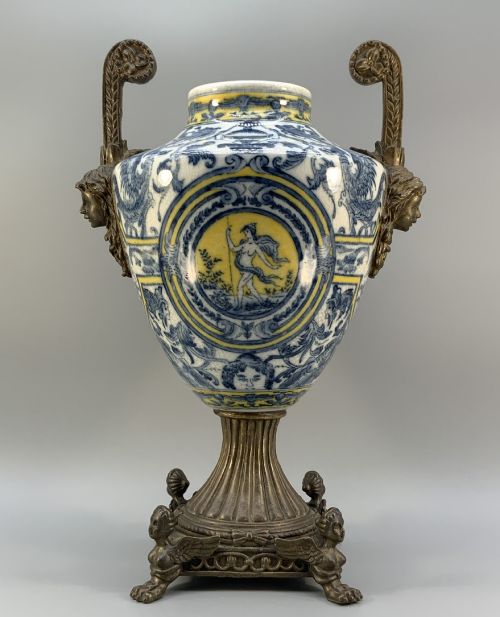
The construction of these pieces relies heavily on tin-glazed earthenware, often referred to as faience, majolica, or delft, which provides a smooth white opaque surface for intricate polychrome painting. Artisans applied mineral oxides directly onto the raw glaze to achieve rich blues, manganese purples, and vibrant yellows before firing.
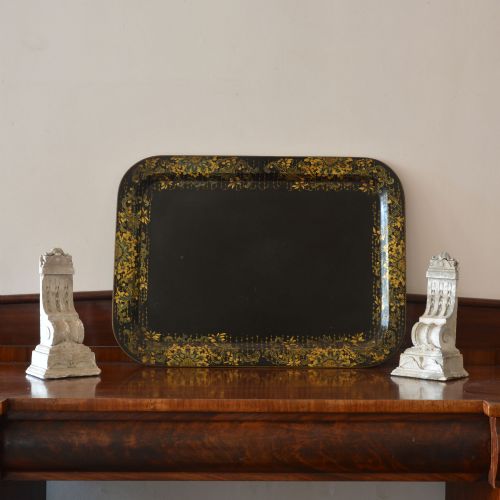
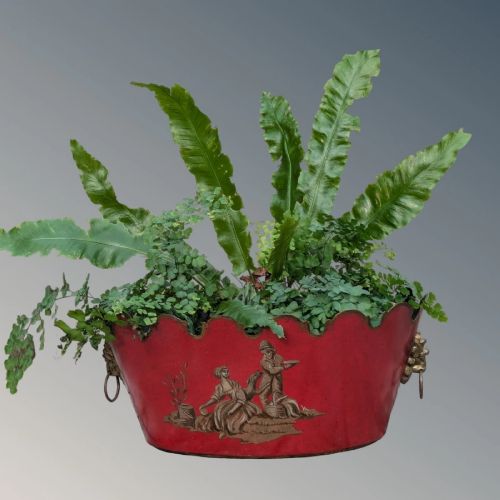
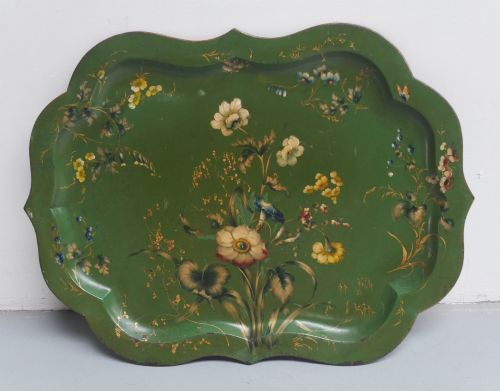
Toleware pieces utilise sheet metal or tinplate as a base, which was then coated with dark paint, lacquered, and frequently embellished with gilt Chinoiserie decorations or historical scenes. This technique required careful layering and drying to ensure the durable finish characteristic of surviving nineteenth-century examples.
Antique Decorative Tin Retail Price Guide 2026
Typical asking prices for decorative tin among the pieces listed under this phrase on Sellingantiques today, from the lower quarter to the upper quarter. They describe what is for sale here now, not the wider market.
Surviving novelty biscuit tins once held sweet treats before finding a second life as cherished mantlepiece ornaments shaped like satchels.
Assessing quality and craftsmanship
Quality in these items is determined by the precision of the hand-painted decoration and the ambition of the composition. Master painters executed detailed historical narratives, intricate floral arrangements, or crisp Chinoiserie motifs with confident brushwork and balanced palettes.
The finesse of the physical form, whether a thinly potted earthenware dish or a carefully constructed tinplate canister with original gilding, separates standard domestic wares from exceptional collector pieces. Evidence of accomplished studio execution and well-preserved surface finishes elevate the standing of any object.
Fourmaintraux Courquin Desvres·Cantagalli Florence·Veuve Perrin Marseille·William Crawfords Son Ltd·Peek Frean and Co
The Antique Decorative Tin Glossary
- Charger
- A large decorative plate or dish traditionally used for display on sideboards or walls rather than dining. These items often feature elaborate historical or floral scenes.
- Toleware
- Metalware, usually tinplate or iron, finished with opaque paints and lacquers. The technique produces glossy decorative household goods such as tea canisters and trays.
- Faience
- European tin-glazed earthenware produced in imitation of Chinese porcelain and Italian majolica. It is known for its absorbent white background and painted surface designs.
- Majolica
- Heavy earthenware covered with an opaque tin glaze and decorated with coloured metal oxides. This pottery style gained prominence through Italian Renaissance revivals.
- Chinoiserie
- European artistic style reflecting Chinese motifs and imaginary landscapes. Artisans applied these decorative patterns widely to ceramics and lacquered metal containers.
Antique Decorative Tin: Frequently Asked Questions
What is toleware?
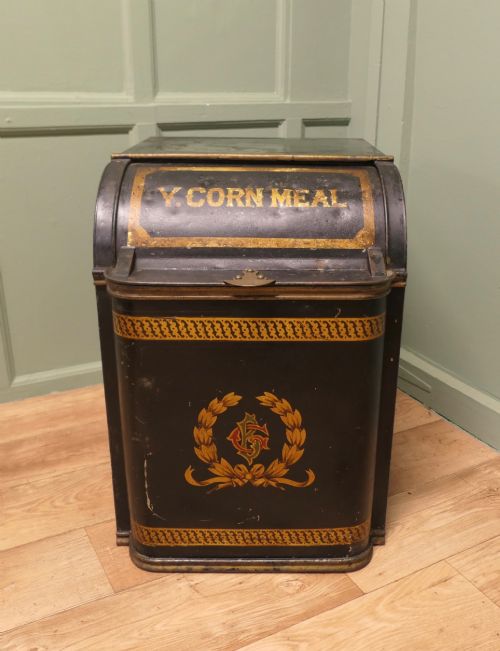
Toleware refers to lacquered and painted metal objects, typically fashioned from tinplate or iron. These items include tea canisters, trays, and bins decorated with gilt or coloured motifs.
Craftsmen produced these wares for domestic organisation and display during the eighteenth and nineteenth centuries. The durable painted finishes have allowed many decorative examples to survive in original condition.
How were ceramic chargers used?
Large tin-glazed chargers were primarily designed for ornamental display on walls, dressers, or mantelpieces rather than for practical dining use. Their expansive surfaces provided an ideal canvas for intricate painted scenes.
Households utilised these striking dishes to showcase wealth, artistic taste, and fashionable interior aesthetics. They remain prized focal points for collectors of early European ceramics.
What is tin-glazed earthenware?
Tin-glazed earthenware is pottery coated with a glaze containing tin oxide, which fires to an opaque white finish. This versatile ground allows artists to paint detailed polychrome or blue-and-white designs directly onto the surface.
Variations of this technique are known regionally as delft, majolica, or faience across England, Holland, France, and Italy. The method bridged the gap between everyday pottery and prized porcelain imports.
How do I care for antique painted tin?
Antique painted tin and toleware require gentle handling and protection from excessive moisture and direct sunlight. Dusting with a dry, soft cloth is sufficient for routine maintenance.
Harsh cleaning agents or water immersion will damage the delicate lacquered surfaces and original gilding. Proper environmental conditions ensure the painted decorations remain stable and vibrant.