

Antique Decorative Side Table
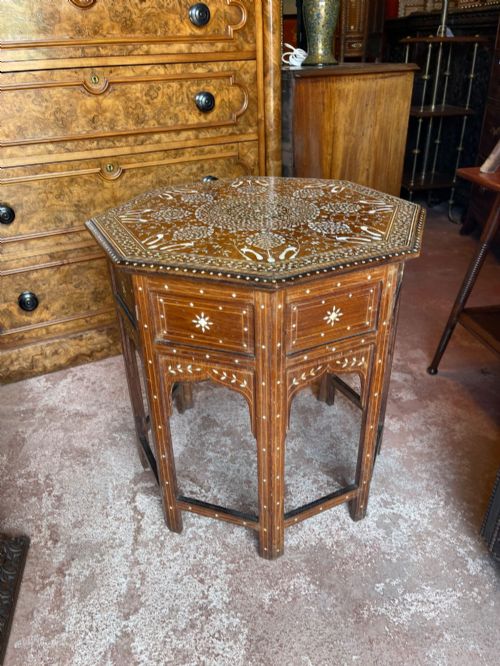
When you search for an antique decorative side table, you encounter versatile occasional furniture spanning walnut, mahogany, oak, and painted finishes from the eighteenth to the early twentieth century.
Antique Decorative Side Table
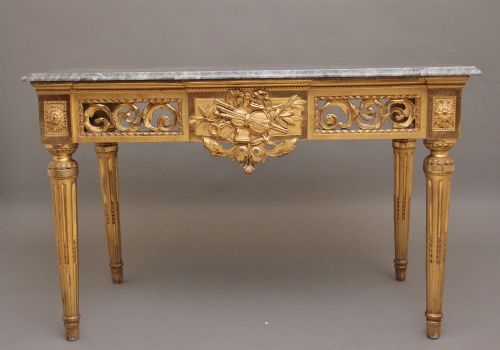
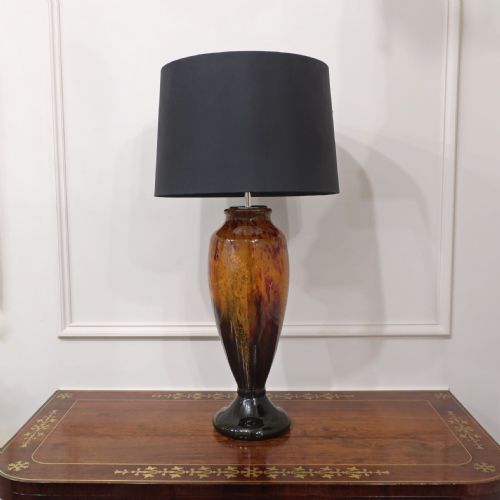
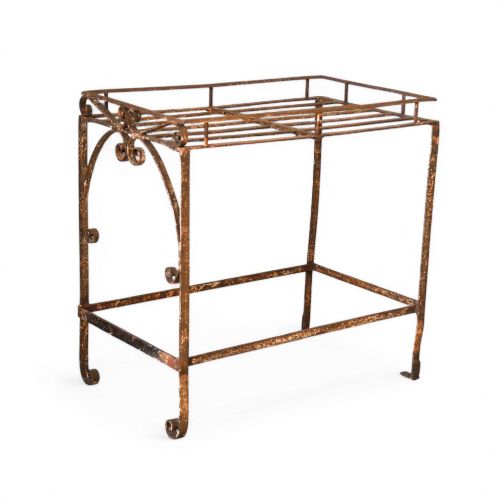
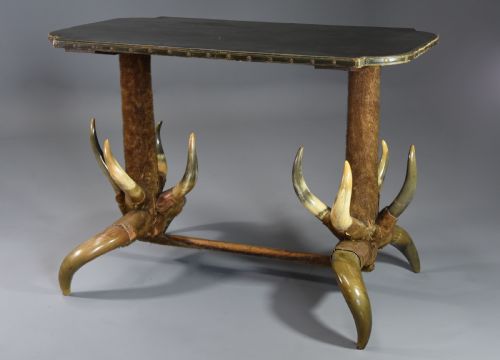
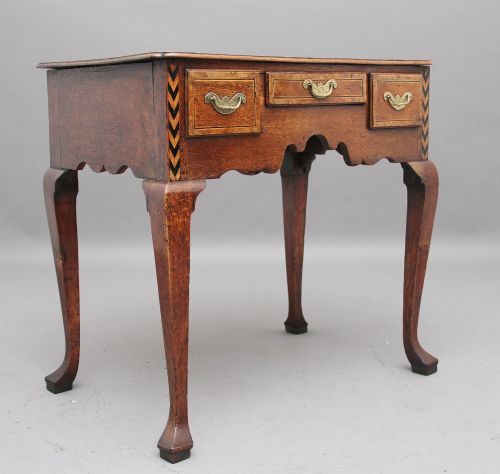
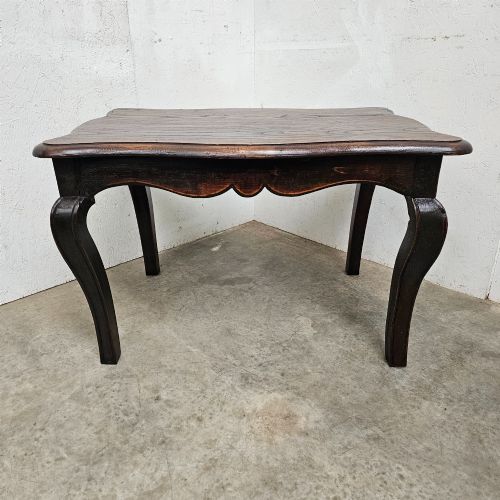
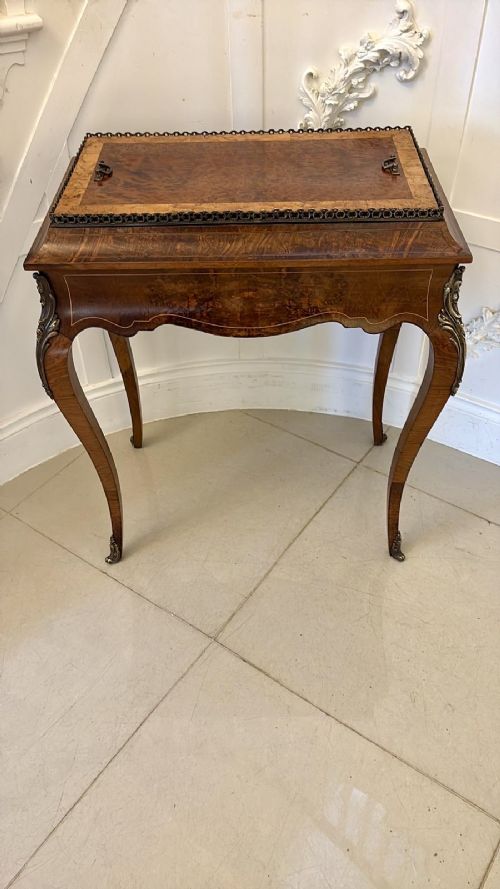
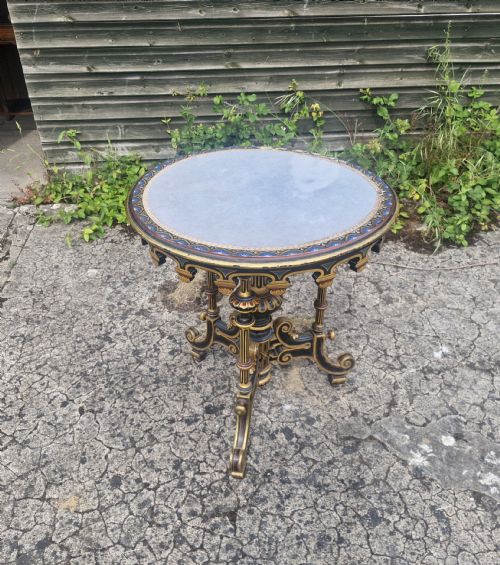
An antique decorative side table serves practical functions while offering ornamental appeal through carved woods, marble tops, and marquetry. These compact furnishings include console tables, lowboys, occasional tables, and lamp tables designed to sit against walls or beside seating.
The selections available range from nineteenth-century walnut and oak examples to eighteenth-century Italian console tables and Anglo-Indian padouk pieces. Buyers most frequently encounter Victorian and Edwardian iterations featuring inlaid satinwood, painted finishes, and brass details.
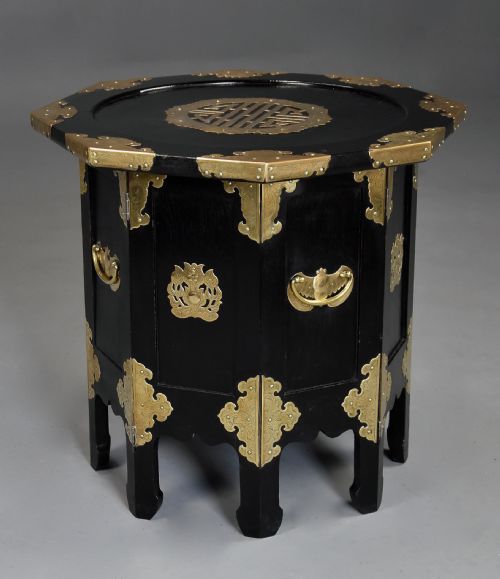
Makers and workshops utilised diverse global styles, incorporating Chinese export motifs, French Louis XVI elements, and Gothic Revival patterns into standard domestic forms. Each piece reflects the decorative priorities of its period, balancing utility with distinct aesthetic flourishes.
How they were made
Cabinetmakers constructed these tables using solid timbers such as mahogany, oak, and walnut, frequently applying veneers of satinwood or burr walnut to create patterned surfaces. Joinery techniques relied on traditional mortise and tenon frames alongside dovetail joints for drawers.
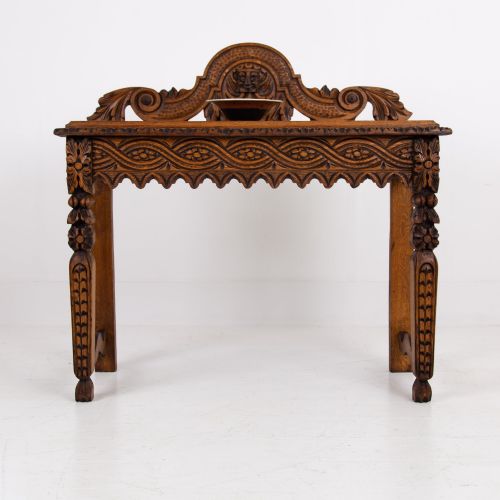
Decorative surfaces incorporated hand-carved wood, applied giltwood, pietra dura stone inlays, and polychrome painted details. Marble tops, onyx inserts, and brass mounts added weight and visual contrast to wooden frames.
The inventory spans diverse forms including console tables, lowboys, plant stands, and games tables.
What varies in quality
Quality rests in the crispness of the hand-carved ornament, the selection of timber veneers, and the integrity of the structural joinery. Superior examples maintain original painted surfaces, intact marquetry, and fire-gilt bronze mounts without modern replacements.
The distinction between standard domestic output and exceptional workshop production appears in secondary timbers, the thickness of marble slabs, and the precision of inlaid details. Original hardware and unaltered structural elements elevate the standing of any piece.
Maple and Co·Liberty and Co
The Antique Decorative Side Table Glossary
- Console table
- A table designed to be fixed against a wall, frequently supported by ornamental brackets or legs. These pieces often feature marble tops and giltwood frames.
- Lowboy
- A small seventeenth or eighteenth-century English table with drawers, typically constructed from oak or walnut. They served various domestic functions including dressing or serving.
- Marquetry
- The art of applying pieces of veneer to a structure to form decorative patterns and pictures. Craftsmen used various tinted woods and metals to achieve pictorial depth.
- Pietra dura
- An inlay technique using cut and fitted polished coloured stones to create images. This method appears on tabletops from Italian and Victorian workshops.
- Etagere
- A piece of furniture consisting of a set of open shelves for displaying small objects. These tiered tables provide multiple surfaces within a compact footprint.
Antique Decorative Side Table: Frequently Asked Questions
Where should I place an antique side table?
These compact tables fit easily into hallways, living rooms, and bedrooms where surface space is needed without a large footprint. Console versions anchor well beneath mirrors or artwork against empty walls.
Smaller occasional and lamp tables suit placement beside armchairs or sofas to hold lighting and everyday objects. Their decorative nature allows them to act as focal points in smaller architectural spaces.
How do I clean a marble top table?
Marble surfaces require gentle cleaning with a soft cloth and warm water, avoiding acidic or abrasive household cleaners that etch the stone. Promptly blotting spills prevents staining on porous types of marble.
Occasional application of specialised stone wax helps protect the polished finish. Maintaining the stone preserves the tactile quality intended by the original maker.
Are these tables sturdy enough for daily use?
Most antique side tables handle everyday domestic tasks like holding lamps, books, or decorative items without issue. Their solid wood frames and traditional joinery were built for regular household service.
Heavier items like large planters or excessive weight should be avoided on delicate or bamboo frames. Placing them away from direct heat sources protects glued joints and wood veneers over time.
How can I tell an eighteenth-century table from a nineteenth-century copy?
Eighteenth-century tables display hand-cut secondary timbers, pegged joinery, and natural wear patterns consistent with age. Examination of the underside and drawer linings reveals tool marks specific to earlier hand-working methods.
Nineteenth-century revival pieces often utilise machine-sawn elements and standardised fixings while mimicking earlier styles. Comparing construction methods against documented period examples clarifies the age of the piece.