

Antique Decorative Relief
Antique decorative relief brings sculptural depth to a room through carved panels, cast metal plaques, and moulded ceramics.
Antique Decorative Relief
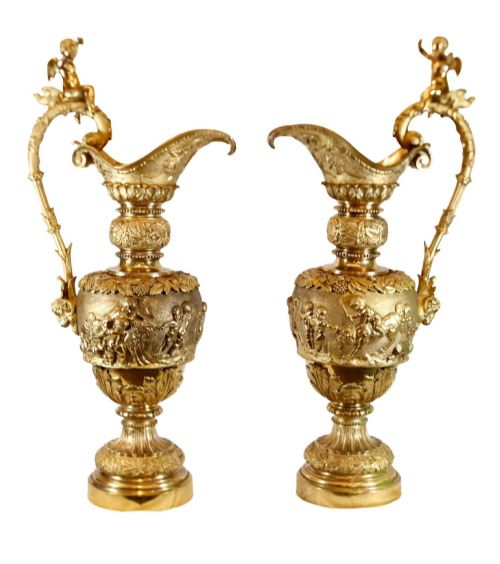
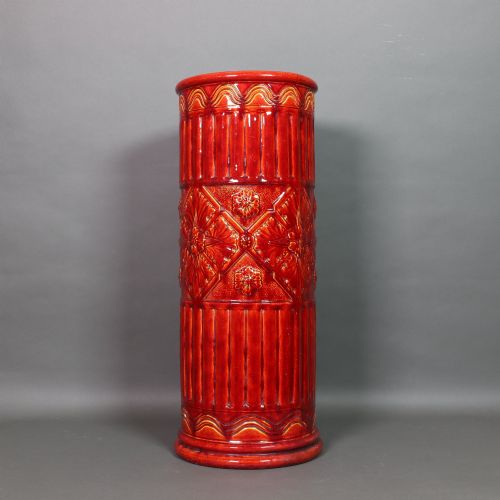
When searching for antique decorative relief, buyers encounter moulded, cast, and carved surfaces across various historical periods. The selection on this page centres primarily on nineteenth-century pieces, including carved wooden panels, cast metal appliques, and glazed ceramic vessels with raised ornamentation.
Forms range from architectural fragments and wall plaques to sculptural vases and decorative caskets. Pieces originate from diverse traditions such as Victorian Britain, Meiji period Japan, and continental Europe, each utilising raised surface work to create visual dimension.
How They Were Made
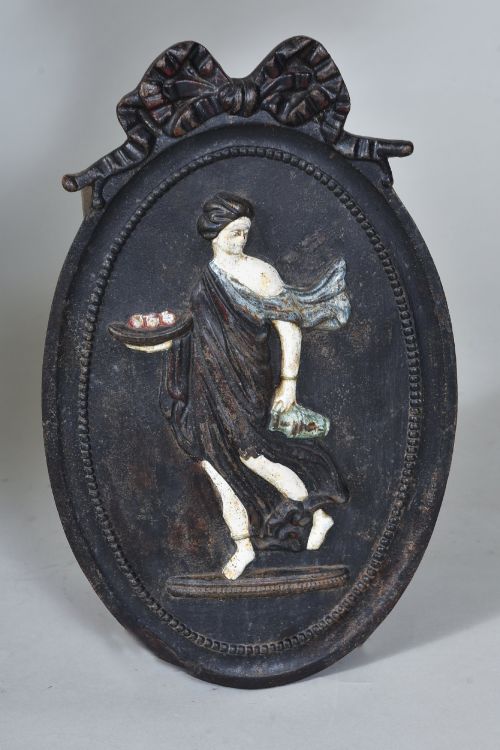
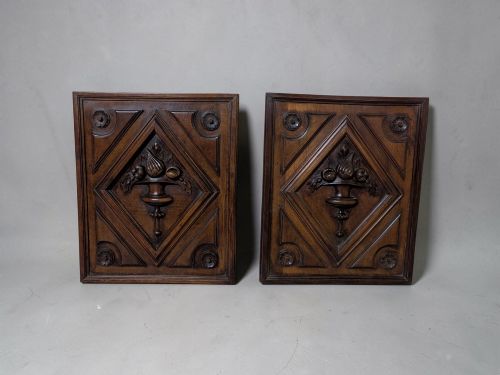
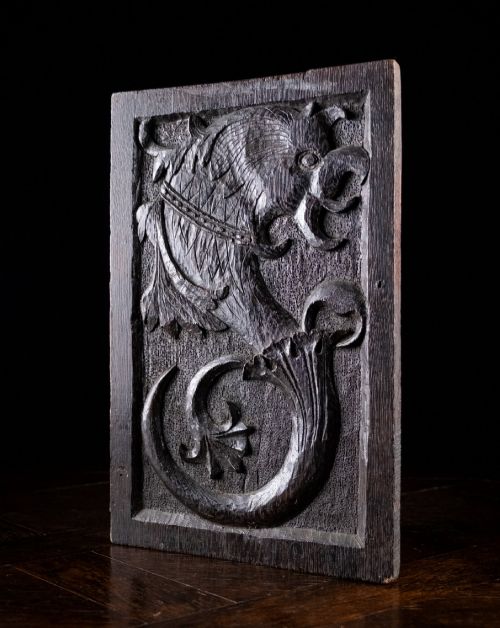
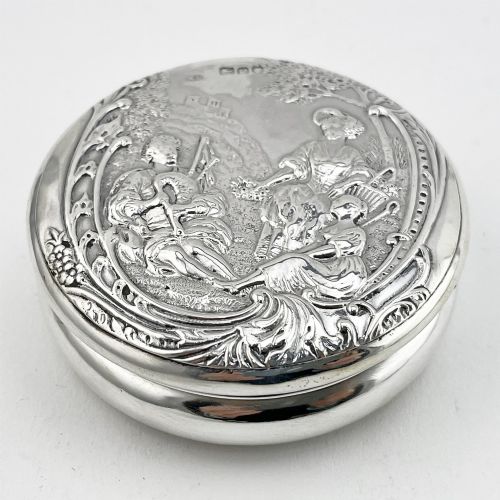
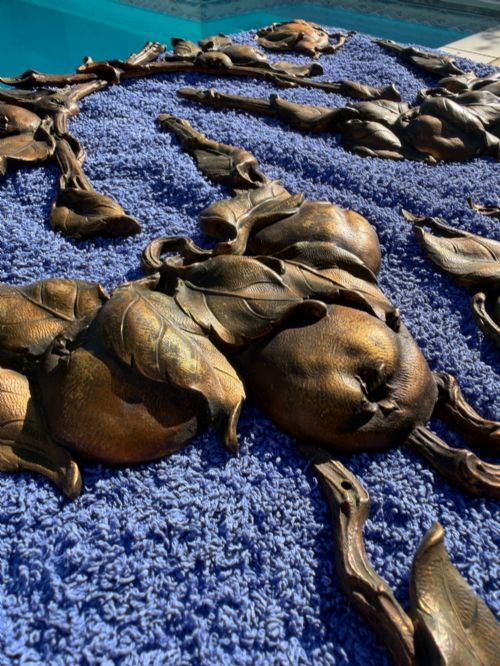
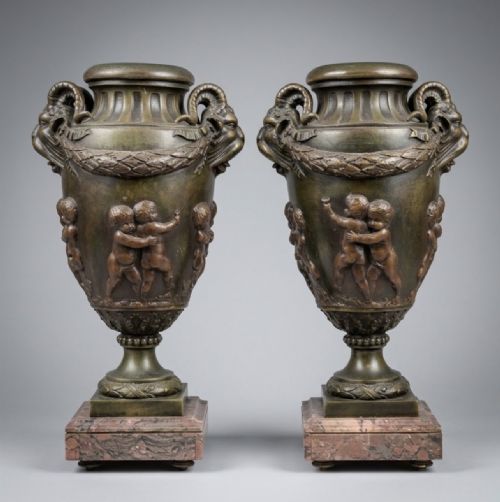
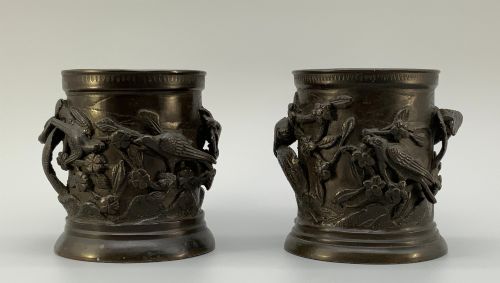
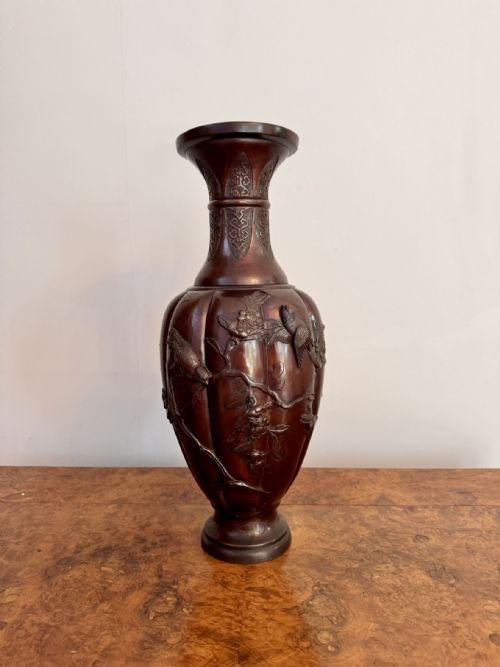
Makers utilised traditional hand-carving techniques on dense materials like fruitwood and hardwoods to produce deep pictorial panels. Metalwork relief relied on casting processes using bronze, brass, copper-alloy, and spelter, often enhanced with gilt or patinated finishes.
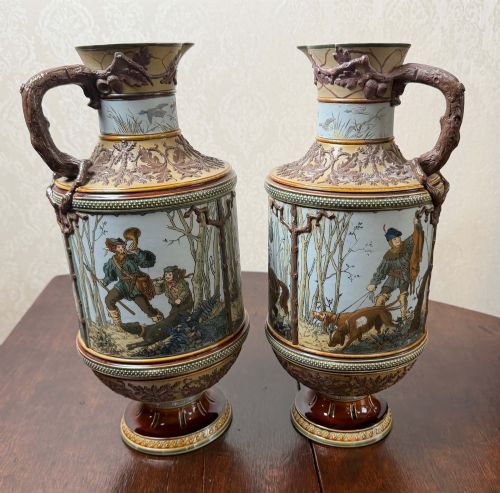
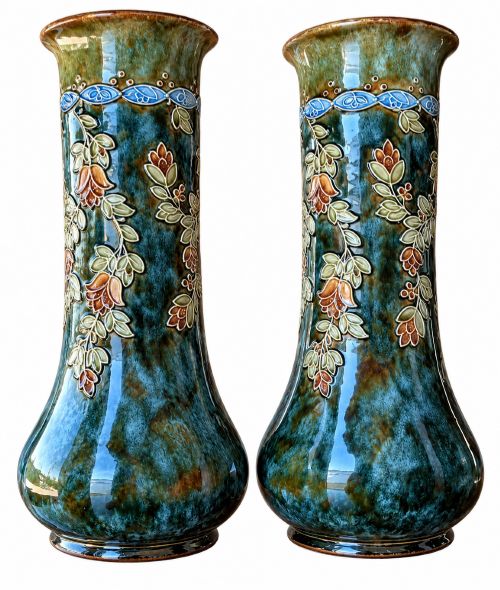
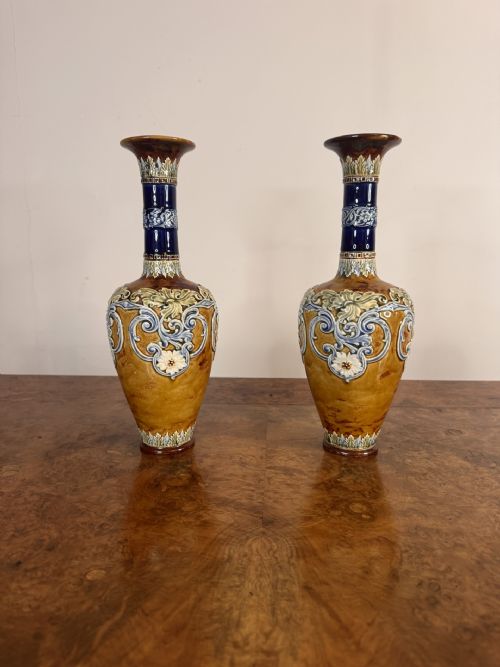
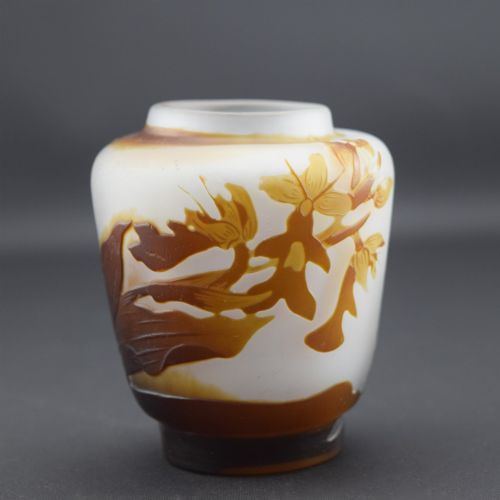
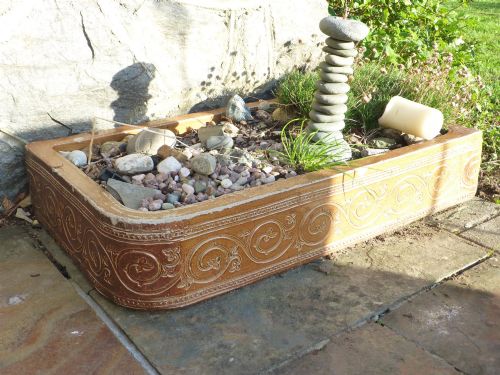
Ceramic relief work involved earthenware, stoneware, faience, and porcelain moulded with applied figures or botanical motifs, frequently finished with glazes or gesso decoration before firing or mounting.
Antique Decorative Relief Retail Price Guide 2026
Typical asking prices for decorative relief among the pieces listed under this phrase on Sellingantiques today, from the lower quarter to the upper quarter. They describe what is for sale here now, not the wider market.
Materials represented across the selection include bronze, earthenware, carved wood, enamel, brass, stoneware, and gesso.
What Varies in Quality
The standard of an antique decorative relief depends upon the crispness of the modelling and the depth of the carving or casting. Pieces showing sharp detail in facial expressions, foliage, and drapery indicate skilled handwork rather than mass production.
Material integrity and surface preservation dictate the standing of an item. Original patination, intact gilding, and well-preserved ceramic glazes elevate a piece above examples with heavy wear or poorly executed repairs.
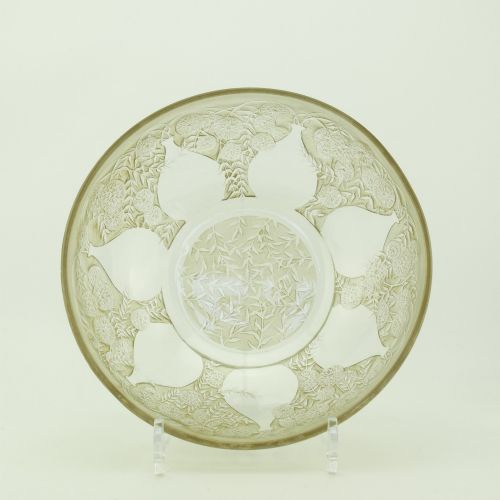
Poix Blin·Rene Lalique·Burmantofts Faience·Guichard Carriès·Royal Doulton
The Antique Decorative Relief Glossary
- Relief
- Sculpture where figures or patterns project from a background plane. This technique ranges from shallow bas-relief to high-relief forms that stand well out from the surface.
- Gesso
- A plaster-like material applied to wood or canvas as a base for moulding or gilding. Artisans carved and painted this mixture to create ornate decorative details.
- Spelter
- An alloy of zinc and lead used as a cheaper alternative to bronze. Found in nineteenth-century decorative castings and urns.
- Faience
- Tinned glazed earthenware produced in various European centres. This pottery medium supported colourful raised decorative motifs.
- Applique
- An ornamental fitting applied to a larger surface such as furniture or metalwork. These cast or pressed elements added dimensional decoration to plain areas.
Antique Decorative Relief: Frequently Asked Questions
What is antique decorative relief?
Antique decorative relief encompasses carved, cast, or moulded objects featuring raised designs that project from a flat background. These items include wall plaques, architectural fragments, carved wooden panels, and ornamental metalwork.
Such pieces span several centuries and styles, using materials like bronze, wood, ceramic, and gesso to achieve their three-dimensional surface patterns.
How do I hang a heavy relief panel?
Heavy wooden or cast metal panels require secure wall fixings suited to the specific weight of the object. Hardware should anchor directly into wall studs or employ heavy-duty masonry plugs.
Consulting a professional installer ensures the piece remains safely supported without straining the antique frame or backing.
How do I clean bronze relief pieces?
Bronze relief ornamentation requires gentle dusting with a soft, dry brush to remove particles from recessed crevices. Avoid commercial metal polishes, which can strip historic patination and damage the underlying metal surface.
Professional conservation advice is recommended if deeper cleaning or wax application becomes necessary for preservation.
How are different periods identified?
Period identification relies on examining the specific stylistic markers, manufacturing techniques, and material composition of the piece. For instance, nineteenth-century Japanese Meiji metalwork displays distinct casting methods compared to European Renaissance Revival bronzes.
Comparing structural joints, mounting hardware, and surface patinas helps narrow down the probable era of production.