

Antique Decorative Molding
Antique decorative moulding brings architectural relief and ornamental detail to walls, frames, and furniture.
Antique Decorative Molding
When you search for antique decorative moulding, you encounter architectural elements, picture frames, and furniture trim designed to create visual depth and ornamentation. These pieces originate from various periods including the nineteenth century and the early twentieth century.
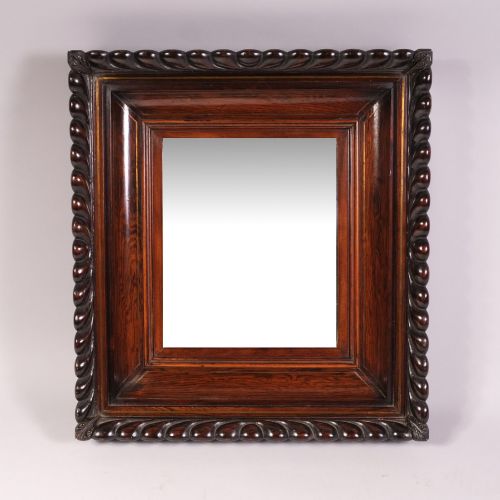
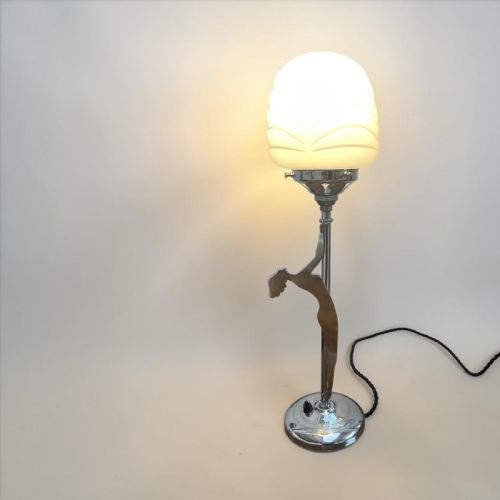
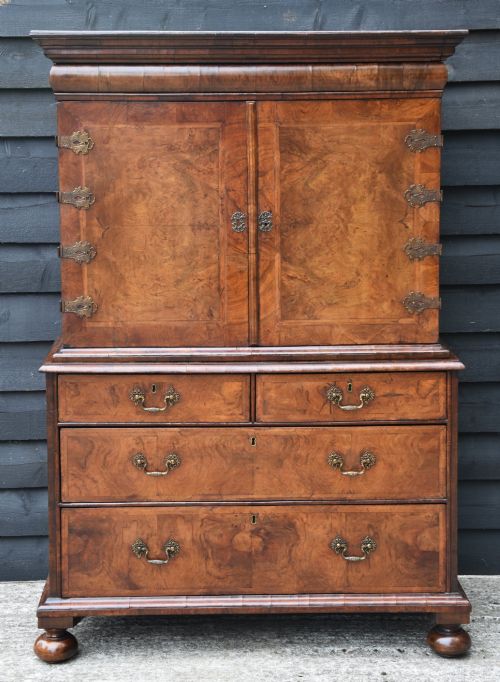
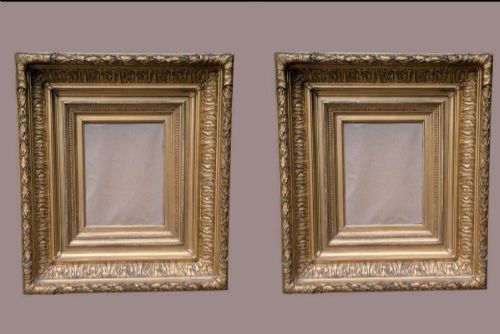
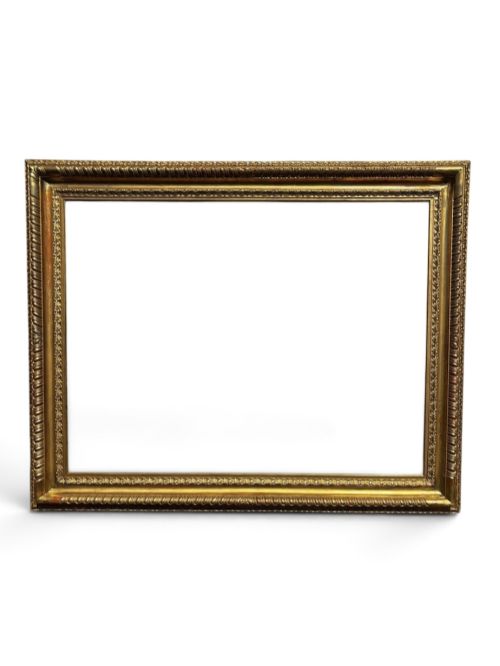
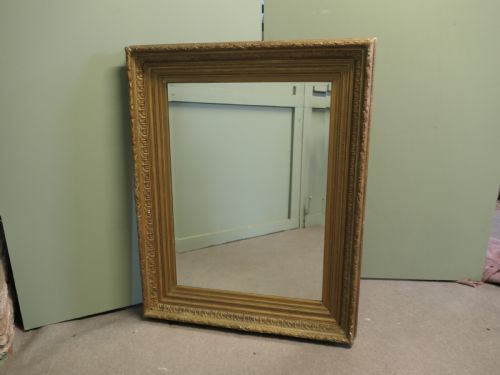
The items take the form of gilded picture frames featuring carved patterns, architectural salvage, and ornamental woodwork. You find pieces spanning the Victorian era, the Edwardian period, and Art Deco designs.
Many examples incorporate raised motifs, bead and reel patterns, or egg and dart designs into wood, gesso, or ceramic bodies. These elements serve both structural framing purposes and purely decorative interior functions.
Materials and Construction
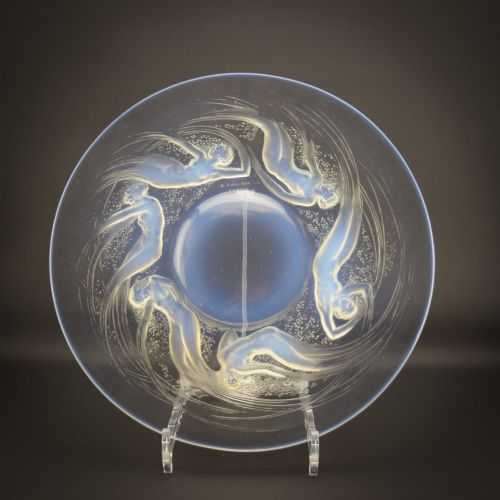
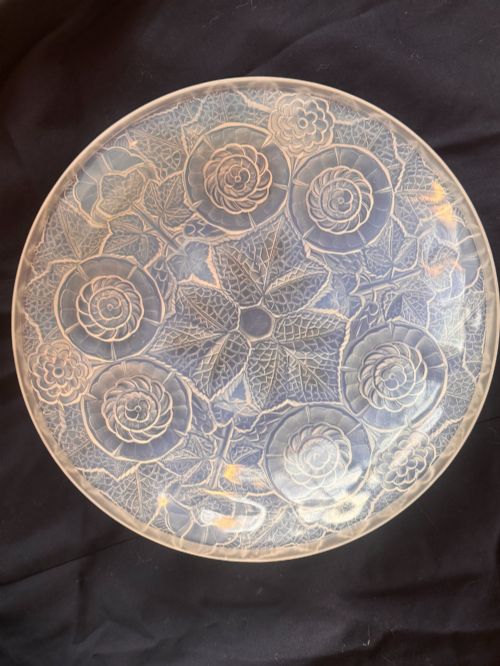
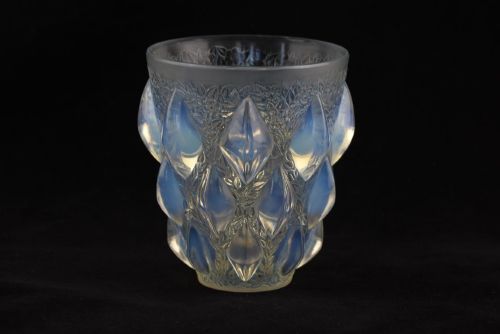
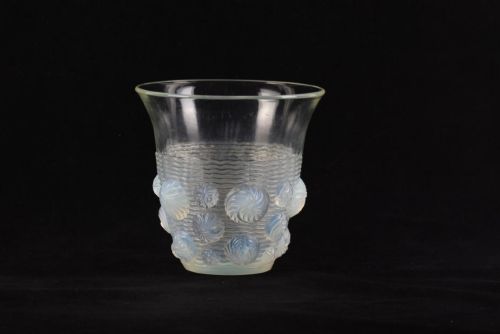
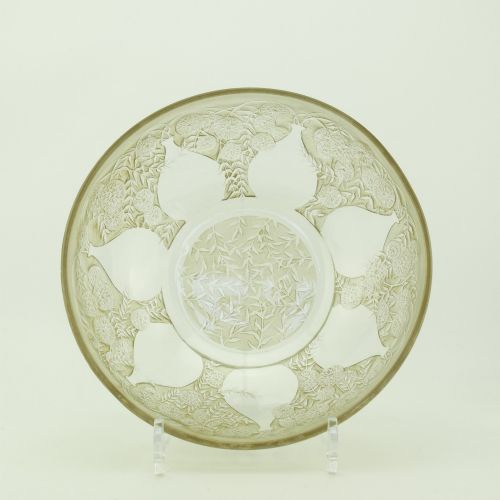
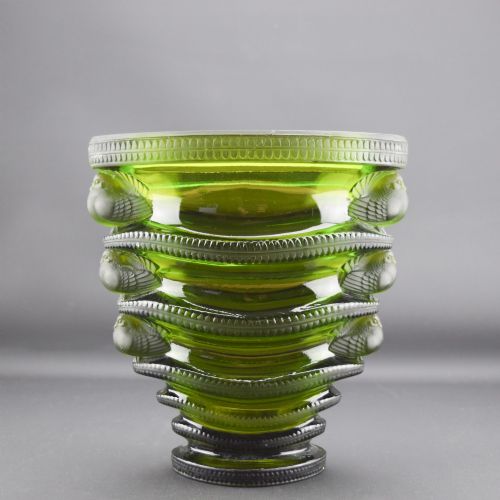
Wood serves as a primary substrate, frequently paired with gesso to build up complex relief patterns before gilding with gold leaf. Craftsmen also utilised earthenware, stoneware, and various forms of glass including opalescent and frosted varieties.
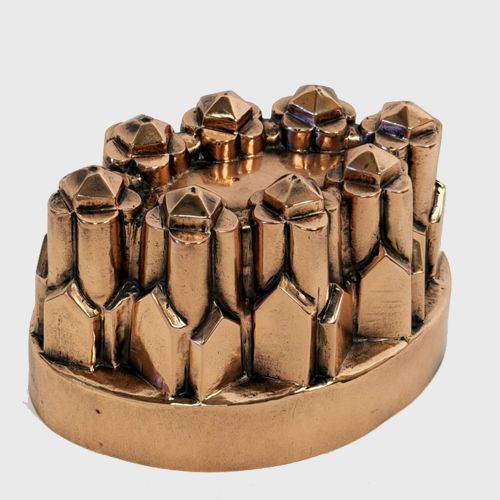
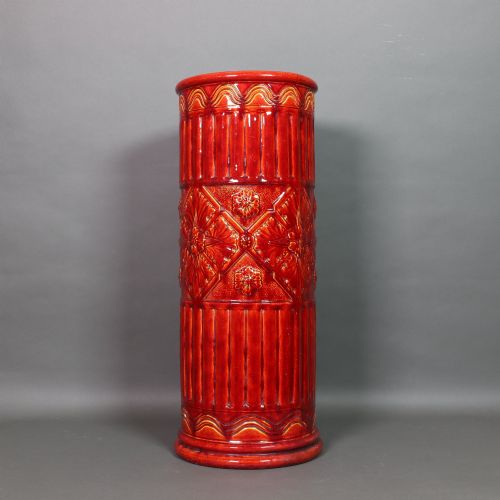
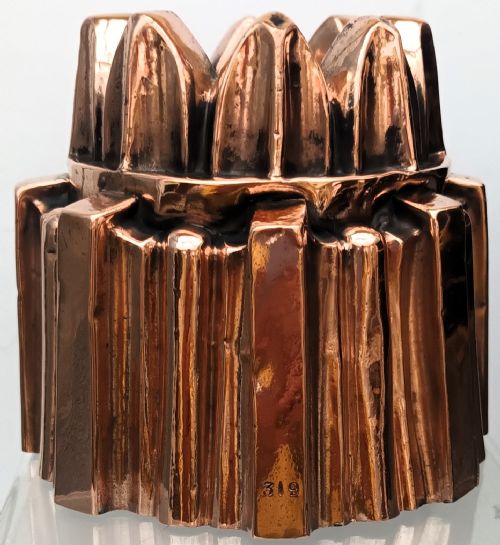
Moulding techniques involve carving directly into timber, casting ornaments in composition materials, or pressing clay into moulds to achieve crisp floral and geometric profiles. Surface finishes range from hand-applied gilding to decorative glazes and sepia staining.
Antique Decorative Molding Retail Price Guide 2026
Typical asking prices for decorative molding among the pieces listed under this phrase on Sellingantiques today, from the lower quarter to the upper quarter. They describe what is for sale here now, not the wider market.
Listings feature items from the eighteenth century through to the 1930s, utilising wood, gesso, earthenware, and opalescent glass.
Assessing Quality and Execution
The distinction between tiers rests upon the crispness of the modelled relief and the depth of the carving or pressing. Superior examples retain sharp edges and well-defined details without blurring across the ornamental motifs.
Material composition also dictates standard, where hand-gilded wooden frames with intact gesso display superior craftsmanship compared to later mass-produced alternatives. The preservation of the original surface finish, whether glaze, gold leaf, or patinated wood, determines the integrity of the piece.
Burmantofts Faience·Rene Lalique·Royal Worcester·Minton Hollins
The Antique Decorative Molding Glossary
- Gesso
- A plaster-like mixture applied to wood surfaces as a base for carving or gilding. It allows craftsmen to model intricate low-relief ornamentation.
- Egg and Dart
- An ornamental moulding motif alternating oval egg-shaped forms with arrow-like darts. This classic architectural pattern appears frequently on nineteenth-century gilt frames.
- Opalescent Glass
- Glass that diffuses light and displays milky, iridescent colour shifts. It gained popularity during the early twentieth century for decorative vessels and bowls.
- Faience
- Tinned earthenware decorated with coloured glazes, often associated with aesthetic movement and art pottery productions. The technique creates a smooth, glossy surface finish.
- Architectural Salvage
- Building components and ornamental fragments rescued from older structures for reuse or display. These pieces preserve historic manufacturing methods and decorative styles.
Antique Decorative Molding: Frequently Asked Questions
What periods do these mouldings represent?
The inventory spans the eighteenth, nineteenth, and early twentieth centuries, capturing shifts from Regency and Victorian styles to Art Nouveau and Art Deco.
Victorian and Edwardian pieces dominate the selection, alongside earlier George II elements and later modernist glass works.
How do I identify gesso on picture frames?
Gesso appears as a smooth, heavy coating beneath the top layers of metallic leaf or paint on wooden substrates. It feels harder than raw wood and accepts fine detail work.
Examining corners and recesses reveals where the moulded composition mixture builds up the raised decorative relief.
Can architectural mouldings be used in modern interiors?
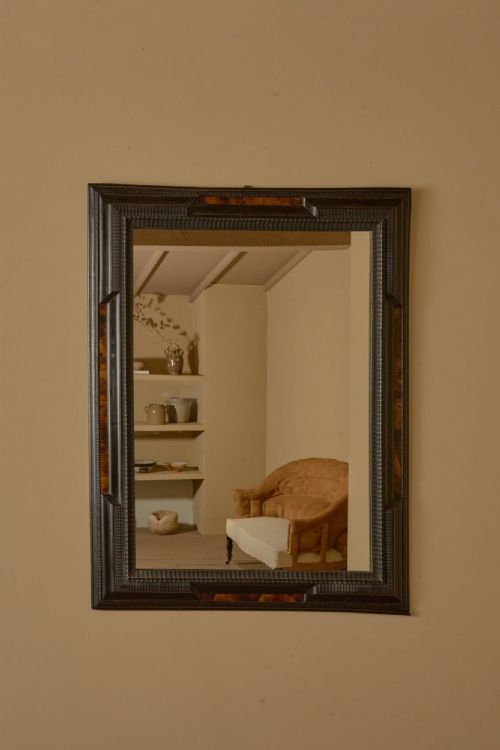
These elements integrate into contemporary spaces as wall art, mirror frames, or standalone decorative accents. Salvaged sections add historic texture to plain walls.
Securing heavier wooden or ceramic pieces requires appropriate wall anchors to support the weight of the dense materials.