



Antique Decorative Hall Chairs
These antique decorative hall chairs bring historic character to an entryway, crafted in oak, walnut, and mahogany across the nineteenth and early twentieth centuries.
Antique Decorative Hall Chairs
When you search for antique decorative hall chairs, you encounter seating designed for the entranceways and corridors of historic homes. These pieces often feature rigid timber construction intended for brief seating rather than long lounging.
The examples found here span the Victorian era, the Edwardian period, and the nineteenth century. You regularly meet side chairs, benches, and armchairs displaying styles from Gothic Revival to French Neoclassical.
How they were made
Cabinetmakers utilised dense timbers such as oak, walnut, mahogany, and rosewood to build these chairs. These woods were chosen for their durability and capacity to hold intricate hand-carved details.
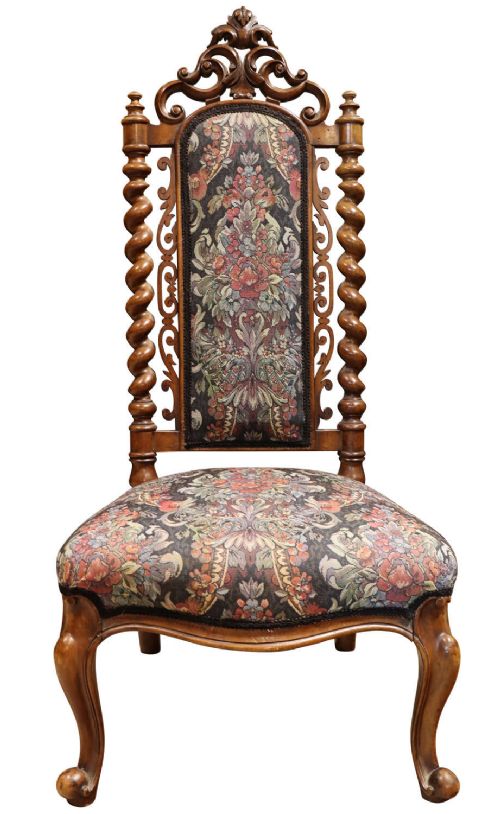
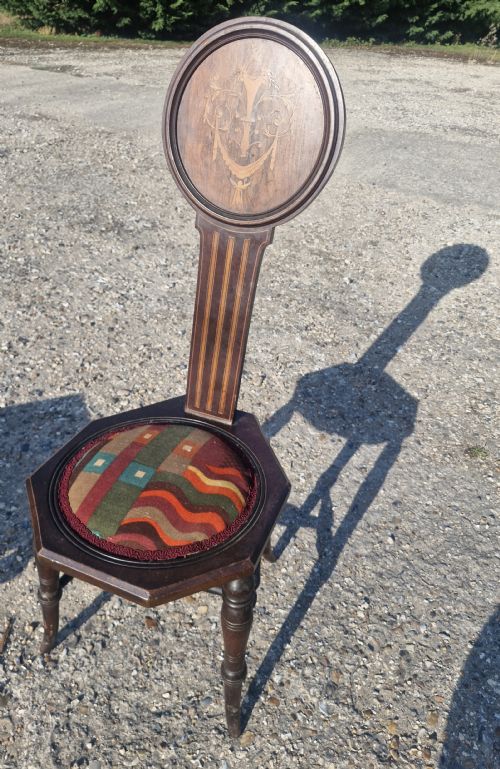
Makers embellished the frames with bone inlay, paintwork, and upholstery including tapestry fabric and cane. Construction techniques combined sturdy joinery with decorative carving reflecting Renaissance Revival and Gothic influences.
Listings span the nineteenth century through to nineteen twenty, featuring walnut, oak, mahogany, rosewood, and cane.
What varies in quality
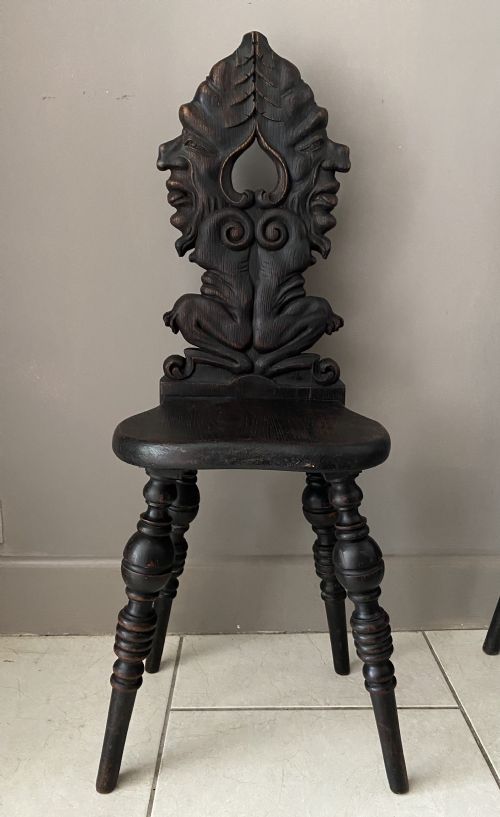
The depth and crispness of the hand-carving separate standard utility seating from finer decorative pieces. Superior items display deep relief work, such as gargoyle motifs or elaborate scrollwork, executed with precision.
The choice of primary timber and secondary materials also dictates quality. Pieces featuring solid walnut or mahogany with intact bone inlay or period tapestry upholstery sit at a higher level than simpler painted or cane variants.
The Antique Decorative Hall Chairs Glossary
- Hall chair
- A rigid wooden seat traditionally placed in an entrance hallway. These pieces usually lack upholstered padding and often display a carved family crest or shield on the backrest.
- Gothic Revival
- A nineteenth-century design movement inspired by medieval architecture. Characteristics include pointed arches, heavy tracery, and dark oak construction.
- Bone inlay
- A decorative technique where small pieces of bone are set flush into the wooden surface to form intricate geometric or floral patterns. This method adds striking contrast to dark woods.
- Bobbin chair
- A type of seating constructed from turned wooden bobbins or spools fitted together. The style gained popularity during the nineteenth century using rosewood or walnut.
Antique Decorative Hall Chairs: Frequently Asked Questions
Where did people use hall chairs?
These seats stood in entrance halls, corridors, and landings of large period houses. Guests used them briefly while waiting to be announced.
Because hallways served as transit areas, the furniture remained formal and upright. They were rarely moved into main living rooms for daily lounging.
How do I identify a Victorian hall chair?
Victorian examples frequently utilise dark oak or walnut with heavy carved decoration. Look for shaped wooden backs, often incorporating heraldic motifs or geometric relief work.
The proportions are typically solid and sturdy, designed to withstand heavy everyday traffic in a busy household entrance.
Are these chairs comfortable for daily use?
Most antique hall chairs feature wooden seats without upholstery, making them firm and upright. They suit short periods of sitting rather than relaxing.
Some variants include tapestry fabric or padded seats, offering slightly more comfort while retaining their decorative purpose in a hallway or bedroom.
What is Gothic Revival style?
Gothic Revival draws inspiration from medieval cathedrals and castles. You notice pointed arches, trefoils, and heavy timber construction.
This aesthetic appealed to Victorian makers who sought drama and historical connection in their entrance furniture.