


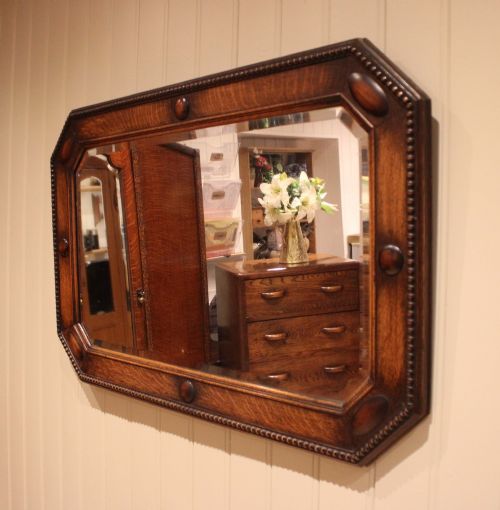
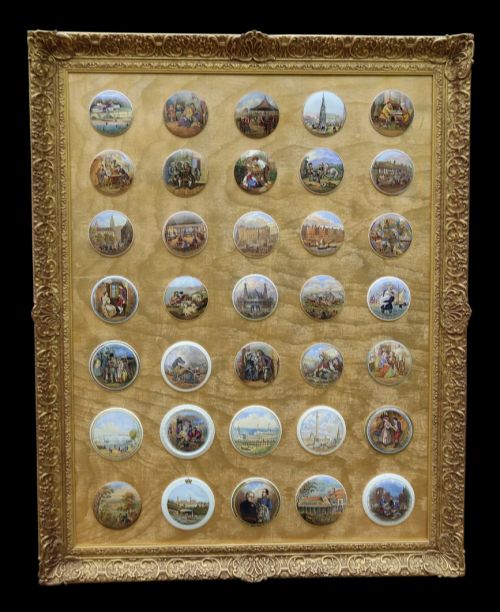
Antique Decorative Framed Art
These antique decorative framed art pieces span centuries of craft, bringing character and historic texture to any wall.
Antique Decorative Framed Art
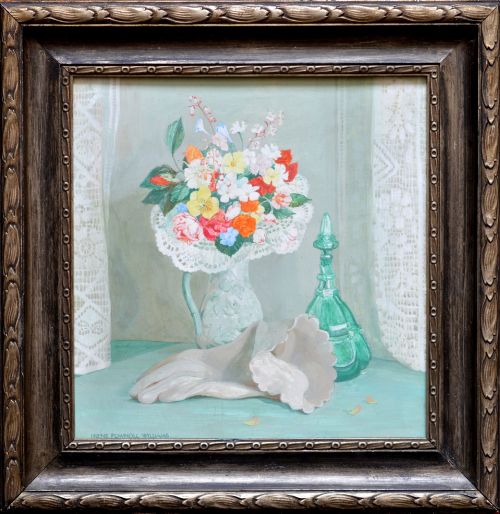
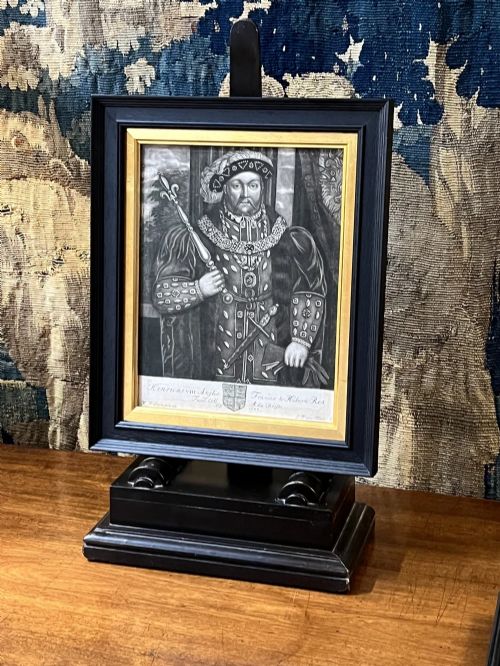
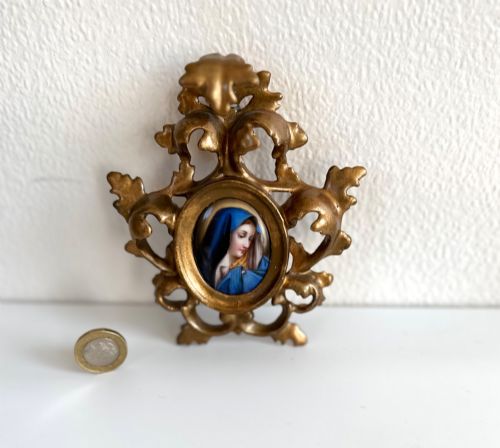
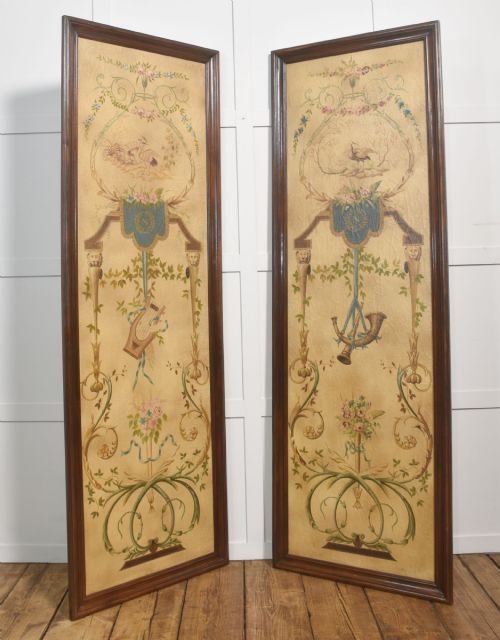
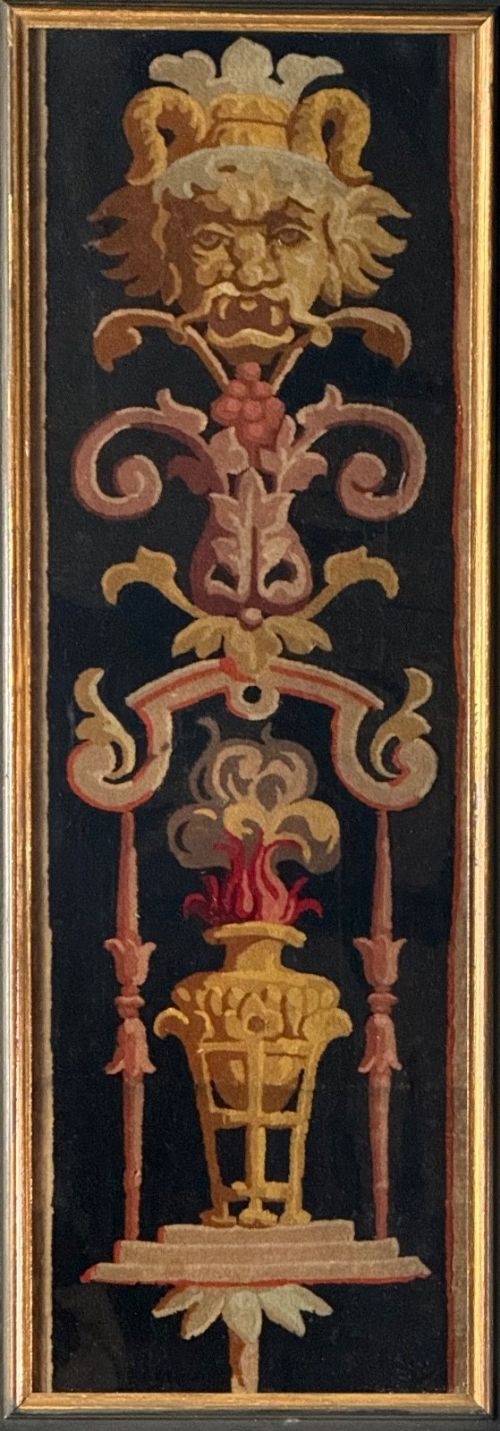
When you search for antique decorative framed art, you encounter a varied assembly of wall hangings, mirrors, plaques and paintings. These works range from seventeenth-century embroidered panels to twentieth-century prints and oil paintings.
The selection on this page leans heavily toward nineteenth-century pieces, alongside items from the eighteenth and early twentieth centuries. You will frequently find oil paintings, framed prints, and mirrors encased in elaborate wood or metal surrounds.
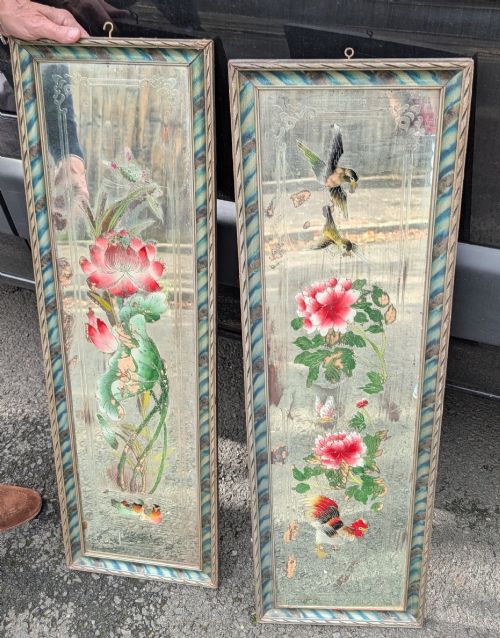
Forms vary widely, encompassing everything from delicate gouache watercolours and copper engravings to carved oak display easels and repoussé copper wall mirrors. Each piece serves primarily to adorn an interior space with period detail.
Materials and construction methods
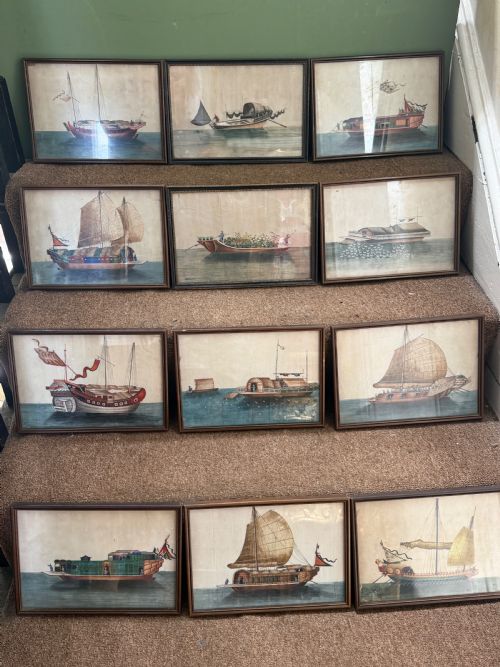
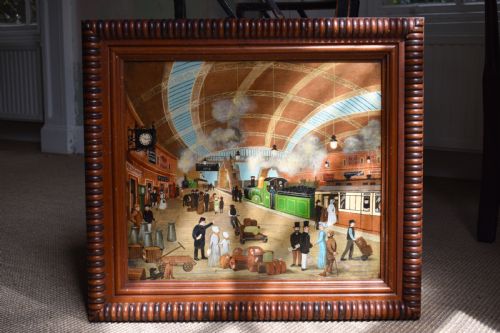
These items rely on traditional substrates such as canvas, wood, paper, and copper panel, worked upon with oil paint, tempera, pastel, or ink. Artisans applied hand-colouring to copper engravings and gouache to paper, creating enduring visual depth.
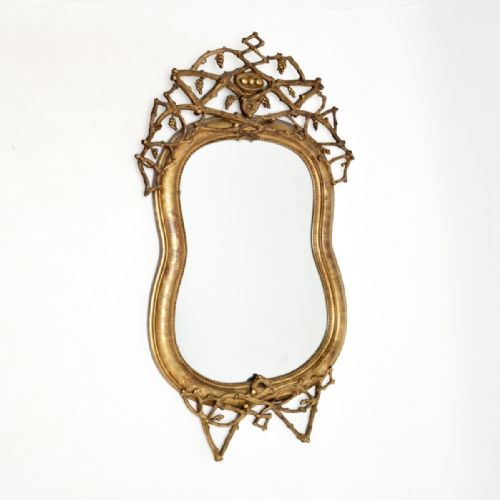
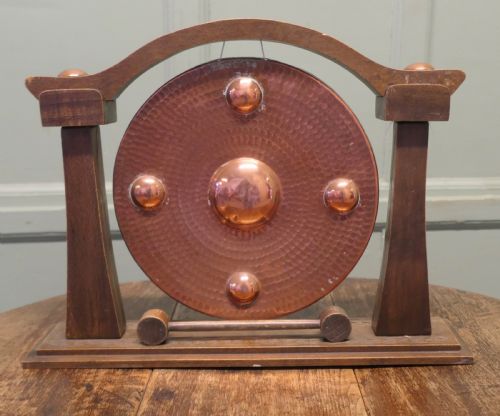
Frames and structural surrounds utilise timber like oak and giltwood, alongside metals including brass, copper, pewter, sterling silver, and gilded bronze. Gilding with gold leaf frequently highlights intricate carving and repoussé work.
Needlework and textile pieces employ historic embroidery techniques on fabric panels, while mirrors incorporate glass plates held within decorative mounts. The combination of structural woodwork and sensitive surface decoration defines the construction of these works.
Listings feature works from the seventeenth century through to the mid-twentieth century, utilising oil, copper, and carved wood.
Assessing quality in framing and works
Quality rests in the execution of the primary artwork and the integrity of its frame. Hand-painted oils and detailed engravings demonstrate superior artistic competence compared to mass-produced decorative prints.
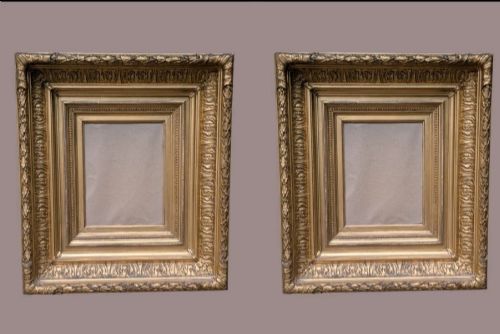
The sophistication of the framing reveals much about an object's original standing. Deep Victorian gilt frames, hand-carved wood, and finely worked repoussé copper display a level of artisan skill that elevates the entire piece.
Condition and originality dictate the hierarchy within this category. Intact historic surfaces, original glass, and untouched period mounts separate standard decorative items from truly distinguished examples.
Irene Christobelle Pownoll Williams·Leonardo Da Vinci·Hans Holbein The Younger·John Faber Snr·Ridinger·Theodore Jensen·J De Ninville·John A Monteith
The Antique Decorative Framed Art Glossary
- Repoussé
- Metalwork hammered into relief from the reverse side. This technique creates raised decorative motifs on copper and brass mirror frames.
- Mezzotint
- A printmaking process of the intaglio family where the plate is roughened to achieve rich tonal gradations. It was frequently utilised for portraiture.
- Gouache
- An opaque watercolour paint consisting of pigment and other inert materials suspended in water. It yields solid, matte colour on paper or silk.
- Trompe l'oeil
- An art technique involving extremely realistic imagery in order to create the optical illusion that the depicted objects exist in three dimensions.
- Giltwood
- Wood that has been treated with a thin layer of gold leaf or gold paint. It forms the lustrous surface of many nineteenth-century frames.
Antique Decorative Framed Art: Frequently Asked Questions
How do I date an antique frame?
Dating relies on examining the joinery, wood type, and finishing materials like gesso and gold leaf. Older frames often utilise hand-cut corner joins and heavier timber construction.
Stamps, labels, or the style of the mounting hardware on the reverse also offer clues to the period of production.
Where should I hang these pieces?
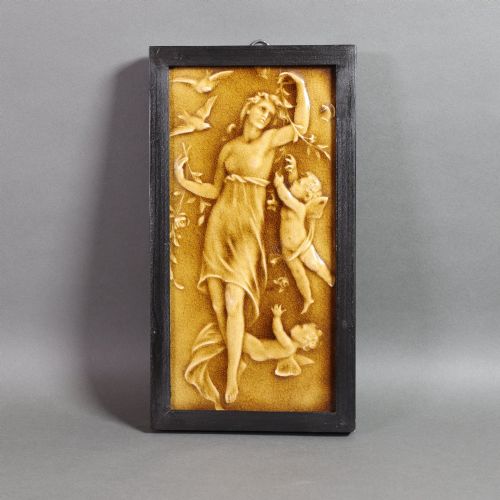
These works suit prominent wall spaces in living rooms, hallways, or studies where their decorative qualities can be appreciated. Consider pairing smaller framed miniatures or plaques together for greater visual impact.
Avoid placing delicate paper works, watercolours, or textiles in direct sunlight to prevent fading of the pigments.
Are mirrors considered art?
Historic wall mirrors often function as decorative art objects due to their ornate frames and artisanal construction. Pieces featuring repoussé copper or carved giltwood combine utility with high aesthetic value.
They serve the dual purpose of reflecting light and anchoring a room's decorative scheme.
How do I care for antique paintings?
Keep paintings away from extreme temperature fluctuations and high humidity, which can damage canvas and wood panels. Dust frames gently with a soft, dry brush without applying pressure to painted surfaces.
Consult a professional restorer if the canvas requires cleaning or structural stabilization.