

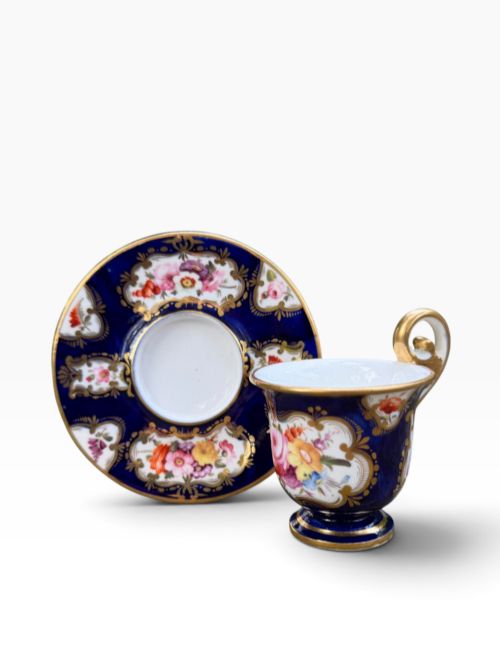
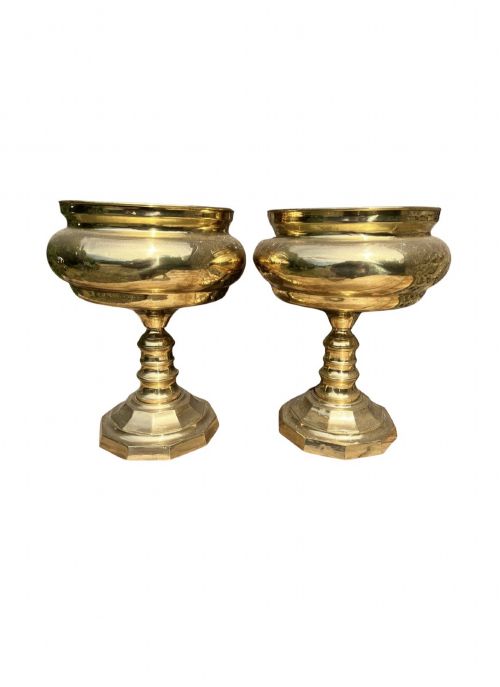


Antique Decorative Cup
An antique decorative cup brings centuries of craftsmanship into the home, offering an array of porcelain, bronze, and turned wood vessels for display.
Antique Decorative Cup
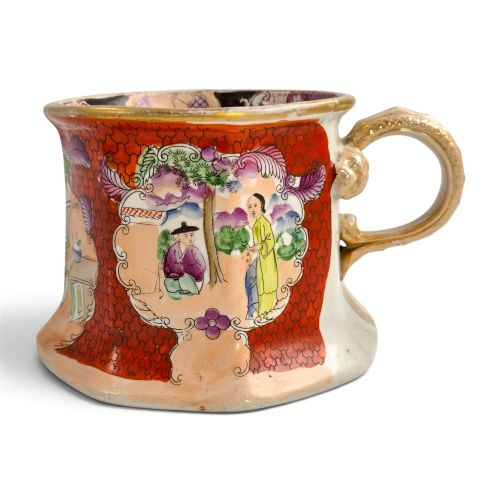
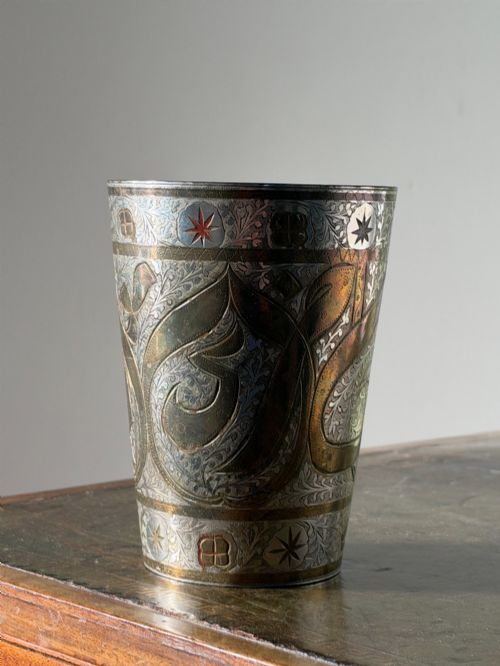
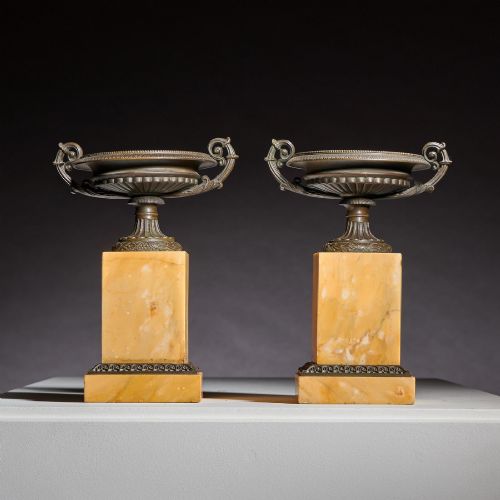
When searching for an antique decorative cup, buyers encounter a diverse selection of ornamental vessels spanning the Georgian, Regency, and Victorian periods, alongside early twentieth-century examples. These pieces range from delicate porcelain cabinet cups and saucers to substantial bronze Grand Tour tazzas and brass goblets.
The most common variations on this page include porcelain and bone china drinking vessels, often featuring hand-painted details or rich gilding, alongside metal urns, loving cups, and chalices. Makers and workshops from England and the continent produced these forms for display, celebration, and cabinet collections.
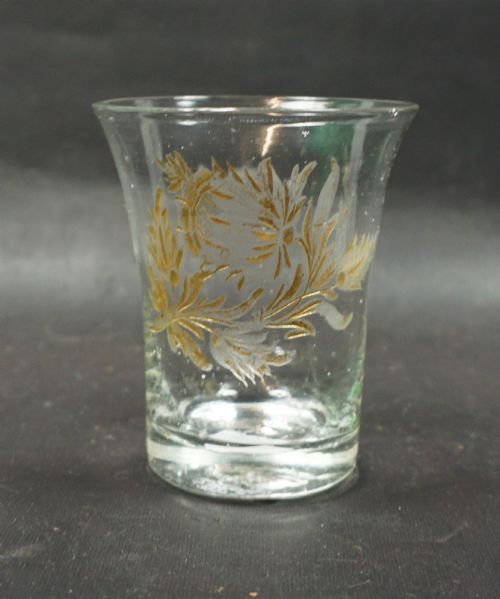
Objects catalogued under this heading encompass specialised drinking vessels like tygs and chocolate cups with covers, as well as decorative bowls and tazzas. The materials extend beyond ceramic and bronze to pewter, treen specimen wood, glass, and carved coconut with gilt details.
How they were made
Makers utilised traditional ceramic techniques, shaping porcelain and bone china before applying intricate hand-painted scenes, gold leaf, and enamel details. Many pieces required multiple firings to set the pigments and gilding securely onto the ceramic body.
Metal vessels such as bronze and brass goblets, urns, and tazzas were cast, often incorporating marble bases or detailed surface chasing. Pewter items, including Jugendstil chalices and tygs, demonstrate specialised metal-shaping methods characteristic of the Arts and Crafts and Art Nouveau movements.
Organic materials such as treen wood and coconut shells were turned on lathes or carved by hand. Artisans combined these carved structures with applied gilt decoration or contrasting mounts to create decorative vessels.
Antique Decorative Cup Retail Price Guide 2026
Typical asking prices for decorative cup among the pieces listed under this phrase on Sellingantiques today, from the lower quarter to the upper quarter. They describe what is for sale here now, not the wider market.
What varies in quality
The standard of painting and surface decoration separates standard vessels from finer examples. Finely executed allegorical woodland scenes, detailed Imari patterns, and precise hand-painted fruit distinguish superior porcelain cabinet cups and loving cups.
Material combination and casting crispness define the upper tier of metalwork. Grand Tour bronze and Siena marble tazzas or cast pewter Jugendstil vessels demonstrate varying levels of sculptural detail and finishing polish.
Royal Doulton·Royal Worcester·Royal Vienna·Spode·Wedgwood·Kayserzinn
The Antique Decorative Cup Glossary
- Cabinet cup
- A small decorative cup and saucer intended for display in a cabinet rather than for daily dining use. These pieces often feature delicate hand-painted motifs and rich gilding.
- Tazza
- A shallow ornamental cup or bowl raised on a stem and foot, commonly associated with Grand Tour bronze and marble pieces. They were frequently used as decorative centrepieces.
- Loving cup
- A large drinking vessel typically provided with two or more handles, designed to be passed among guests at banquets or celebrations. Many examples from the nineteenth century feature commemorative inscriptions or painted scenes.
- Tyg
- A large earthenware or metal drinking vessel with multiple handles, allowing several people to hold it from different angles. This form dates back centuries and reappears in Arts and Crafts metalwork.
- Kantharos
- An ancient Greek style of cup featuring two high-set handles and a deep bowl, recreated by nineteenth-century manufacturers using materials like brass.
Antique Decorative Cup: Frequently Asked Questions
What is a cabinet cup?
A cabinet cup is a small, highly decorative vessel paired with a saucer, made specifically for display in a collection rather than for serving tea.
These pieces often showcase the finest work of porcelain factories, featuring hand-painted scenes and gold leaf.
How were grand tour pieces used?
Grand Tour pieces, such as bronze and Siena marble tazzas, served as decorative souvenirs for travellers exploring cultural sites in Europe during the nineteenth century.
They were displayed in domestic interiors to signal the owner's education and refined taste.
How do you identify arts and crafts pewter?
Arts and crafts pewter items, including chalices and tygs, display stylized motifs inspired by the Celtic Revival and organic forms like mistletoe.
These objects rely on simple lines and hammered surface textures rather than heavy ornamentation.