




Antique Decorative Carving
An antique decorative carving brings hand-chiselled depth and cultural history to a room through centuries of woodwork, gilding and sculptural form.
Antique Decorative Carving
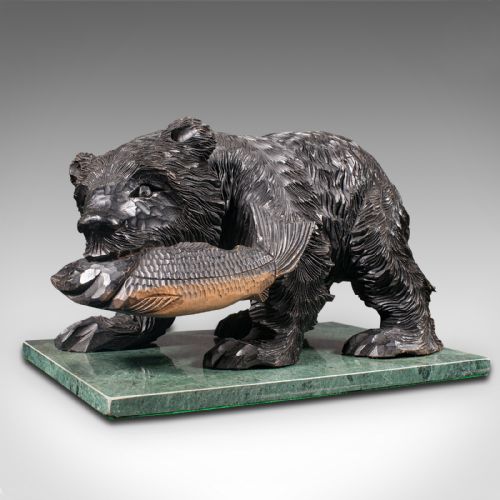
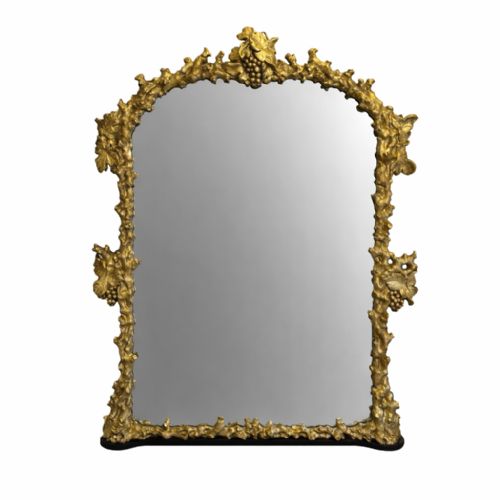
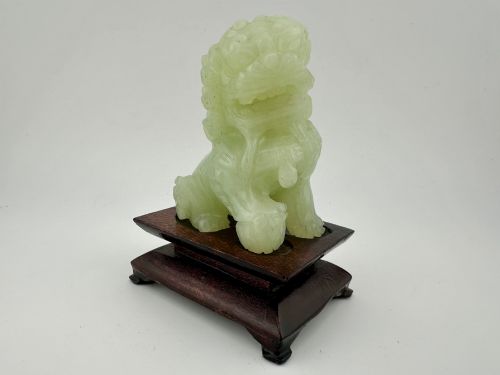
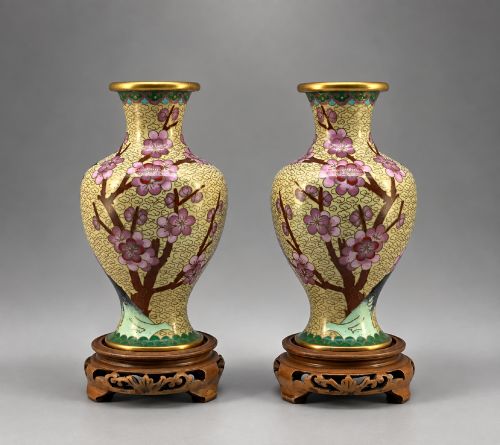
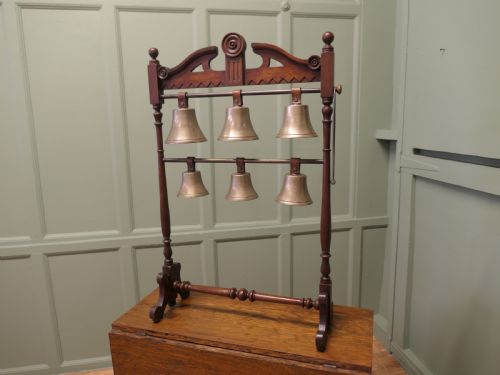
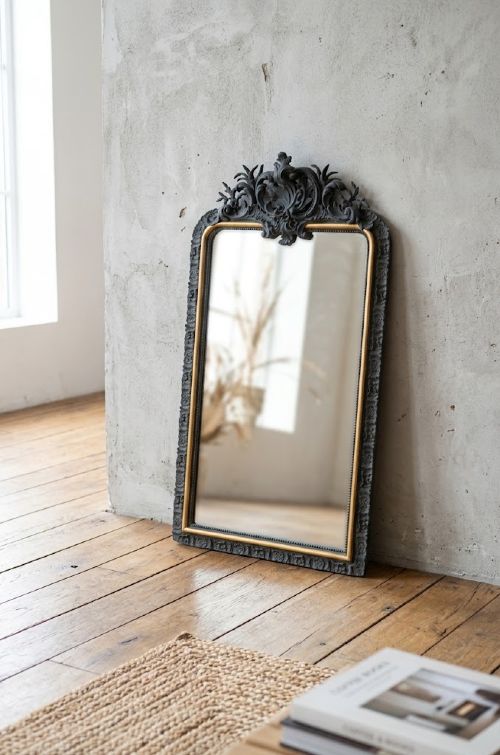
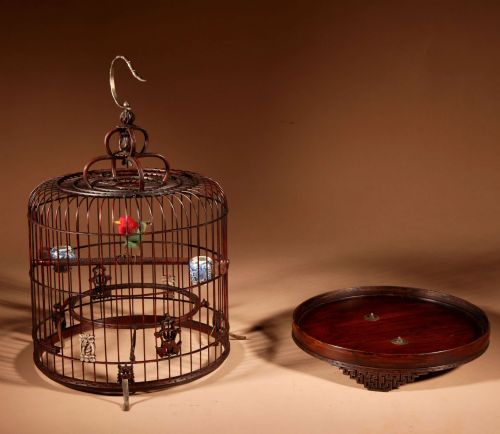
When searching for an antique decorative carving, buyers encounter an eclectic mixture of wall brackets, mirrors, furniture elements and sculptural objects originating from diverse global traditions. The most common versions on this page span the 18th century through to the 1930s, heavily representing Victorian domestic items alongside continental European mirrors and frames.
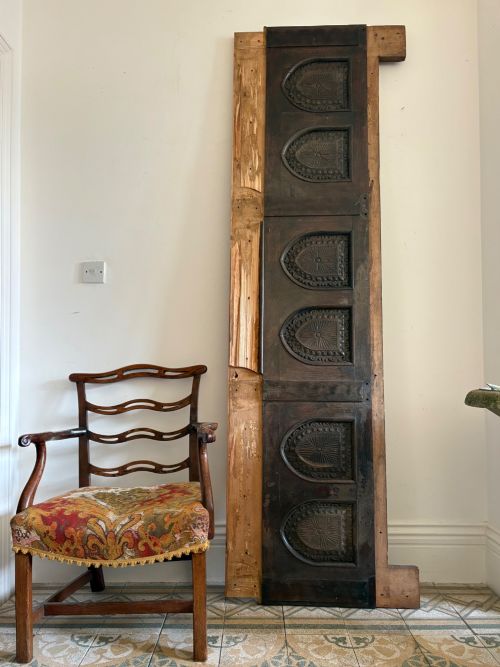
The objects take many functional forms, including Florentine giltwood overmantles, carved oak fruit bowls, architectural columns and Anglo-Indian serving trays. Makers across British, French, Italian and Asian workshops applied deep relief and ornamentation to domestic utility items, transforming everyday timber and stone into ornamental focal points.
Stylistic influences range from the elaborate curves of French Rococo revival and Baroque cherub brackets to Japanese Meiji folding screens and Middle Eastern inlaid trunks. This variety reflects the Victorian and Edwardian appetite for eclectic global ornamentation within domestic spaces.
How They Were Made
Carvers worked predominantly with hardwoods such as oak, walnut, teak and mahogany, using chisels and gouges to shape deep three-dimensional motifs into panels, frames and furniture. Softer timbers like beech and bamboo accommodated intricate pierced work, while specialised pieces incorporated bone, ivory or mother of pearl inlay.
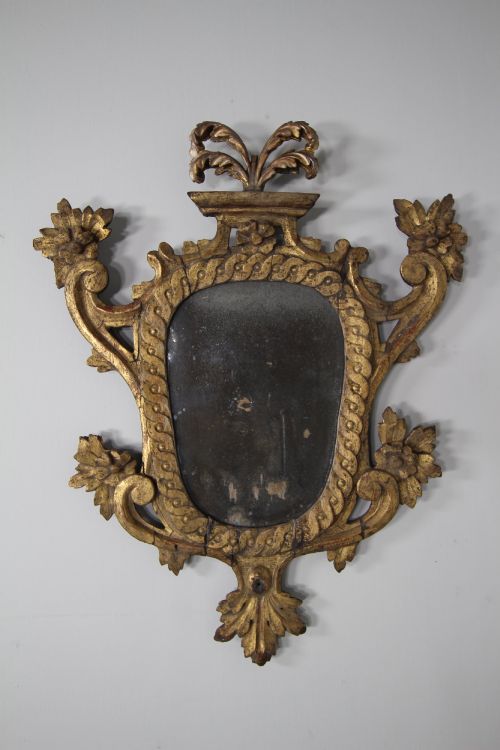
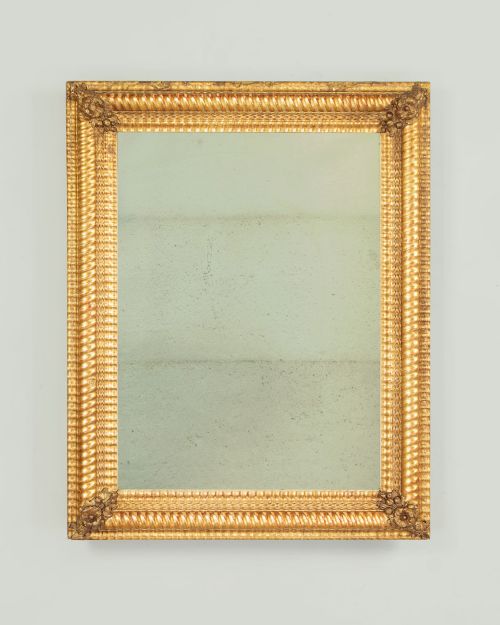
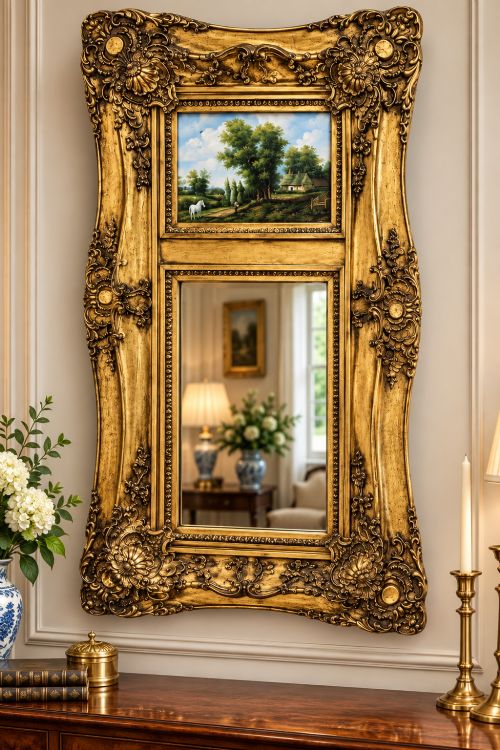
Surface ornamentation frequently relied on gesso applied over wood and finished with gold leafing to create opulent Florentine and French giltwood mirrors. Alternatively, pieces like oak fruit bowls and architectural columns depended on the natural grain of the timber exposed through wax or polish.
Periods represented span from the 18th century through Victorian and Arts and Crafts eras to Art Deco.
What Varies in Quality
Material selection and gilding technique dictate the finish of framed items and mirrors. Original gesso and gold leaf layers display a nuanced warmth compared to later mechanical paint applications or poorly executed repairs.
Poix Blin·Guichard Carriés
The Antique Decorative Carving Glossary
- Giltwood
- Timber coated with gold leaf over a prepared base layer. This finish defines many Florentine and French 19th-century mirrors.
- Gesso
- A plaster mixture applied to wood frames to create a smooth surface for gilding. Victorian carvers moulded this substance into ornate raised reliefs.
- Solomonic
- A helical or twisted column form found in 18th-century woodwork. The spiral design creates dynamic movement in architectural supports.
- Meiji
- The period in Japanese history spanning from 1868 to 1912. Carvings and screens from this era display precise naturalistic motifs of birds and blossoms.
- Girandole
- A branched wall sconce holding candles, frequently attached to a mirrored backplate. Italian and French workshops produced these in pairs.
Antique Decorative Carving: Frequently Asked Questions
How do I date an antique carving?
Dating relies on identifying the underlying wood species, tool marks left by the artisan, and the stylistic vocabulary of the period. For instance, heavy oak panels with deep geometric or solomonic turning point towards the eighteenth century, while ebonised finishes and Aesthetic movement details indicate the Victorian era.
Examining the backboards, fixings and ground layers such as gesso helps confirm whether the piece belongs to the nineteenth century or later revival periods.
Where were wall brackets placed historically?
Cherub wall brackets and display ledges were mounted in reception rooms to elevate small sculptures, vases or tazze above eye level. They created architectural points of interest along panelled walls.
In Victorian interiors, smaller walnut brackets served to display imported porcelain or Grand Tour souvenirs.
How do I care for giltwood frames?
Giltwood and gesso surfaces require gentle dusting with a soft, dry brush to prevent damage to the delicate gold leaf layer. Moisture and chemical cleaners must be avoided entirely.
Keeping pieces away from direct sunlight and fluctuating radiator heat preserves the underlying gesso and prevents timber shrinkage.