


Antique Decorative Bench
An antique decorative bench brings character to a hallway or garden through period craftsmanship and distinct historical styles.
Antique Decorative Bench
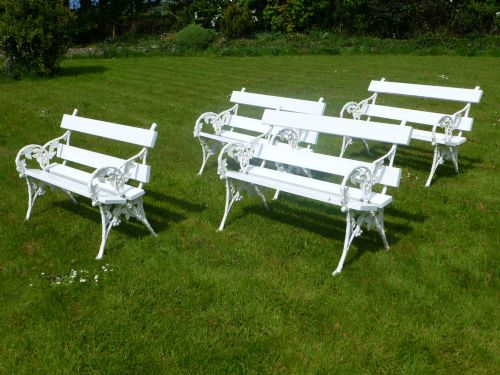
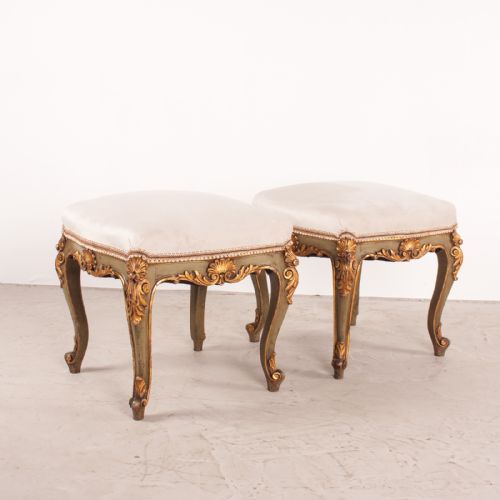
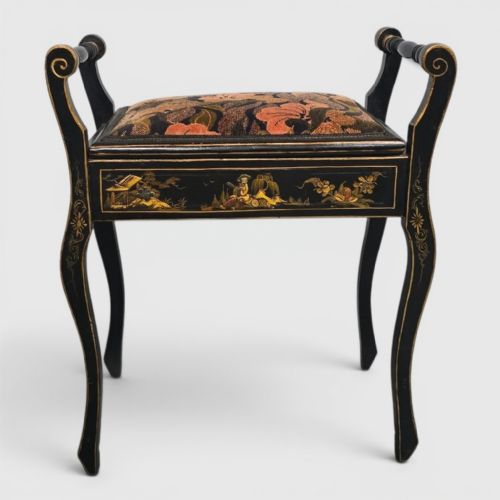
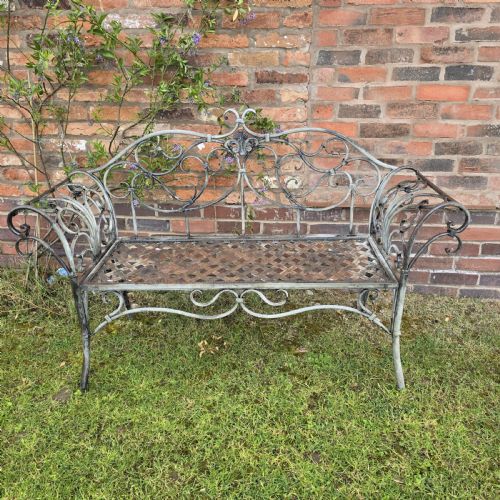
When searching for an antique decorative bench, buyers encounter a diverse selection of seating forms spanning the nineteenth and early twentieth centuries. These pieces encompass garden benches, window seats, settles, and piano stools originating from various European and international traditions.
The nineteenth century yields the highest volume of examples, featuring robust cast iron garden furniture alongside intricately carved wooden window seats and stools. Victorian and Edwardian pieces dominate the selection, often displaying regional styles such as Anglo-Indian, French Régence, and Chinoiserie.
Indoor variants serve functional roles beneath windows or in hallways, while outdoor versions utilise durable metals and timber to withstand the elements. Each piece combines structural utility with ornamental detailing appropriate to its intended setting.
What varies in quality
Quality in these pieces rests upon the crispness of the hand-carving and the precision of the foundry work. Superior examples exhibit deep, clean relief work on wooden frames and sharp detailing in cast iron botanical motifs.
The integrity of the construction, from the joinery of the timber frame to the original stability of the metal casting, determines the piece's structural standing. Finer items retain intact surface finishes, whether original gilding, paint, or polished hardwood grain.
Listings feature items spanning the 19th and 20th centuries, incorporating materials like cast iron, mahogany, walnut, and cane across various European and global styles.
Falkirk foundry·Coalbrookdale
The Antique Decorative Bench Glossary
- Cast iron
- An iron-carbon alloy poured into moulds to create intricate furniture frames and garden bench ends. It provides substantial weight and durability for outdoor seating.
- Window seat
- A long, narrow bench designed specifically to fit into the recess of a bay or traditional window. These pieces frequently feature upholstered tops and carved mahogany or walnut frames.
- Settle
- A wooden bench with a high back and solid arms designed to block draughts in older interiors. Decorative versions incorporate carved panels and upholstered seats.
- Chinoiserie
- A European artistic style reflecting Chinese motifs and decorative techniques. It appears on painted furniture and specialised seating forms.
- Needlepoint
- A type of canvas work embroidery used for upholstery on stools and benches. It provides a textured, decorative covering often worked in wool.
Antique Decorative Bench: Frequently Asked Questions
Where should I place an antique window seat?
An antique window seat fits naturally beneath a bay window, along a wide hallway, or at the foot of a bed. These narrow forms provide practical seating without obstructing circulation space in smaller rooms.
Position the bench away from direct radiator heat or strong sunlight to protect fragile wood finishes and vintage upholstery fabrics.
How do I maintain a cast iron garden bench?
Cast iron garden benches require regular inspection for moisture exposure and surface oxidation. Keep the metal clean and apply appropriate protective coatings during damp winter months.
Ensure that any timber slats attached to the iron frames are treated and sealed to prevent rot from prolonged outdoor use.
What is the difference between a stool and a window seat?
A stool is a compact, standalone seat without a backrest, designed for versatile placement around a room. Window seats are typically longer and shallower, proportioned specifically for placement against walls or beneath windows.
Both forms utilise similar decorative framing techniques, including carved cabriole legs and upholstered tops.