


Antique Decorative Basin
An antique decorative basin brings centuries of craftsmanship into a room, offering both utility and striking visual appeal through varied global traditions.
Antique Decorative Basin
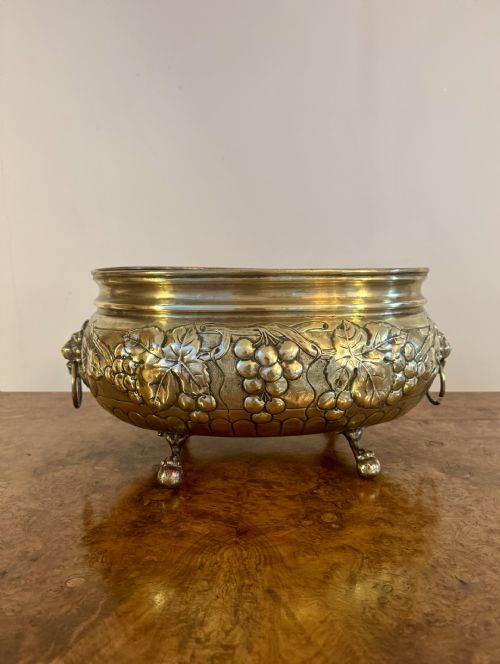
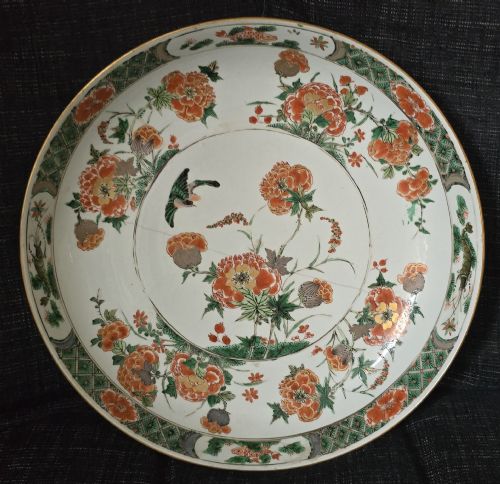
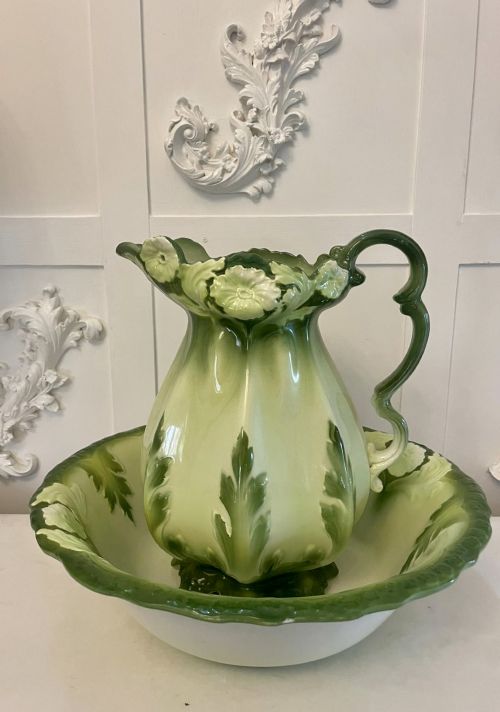
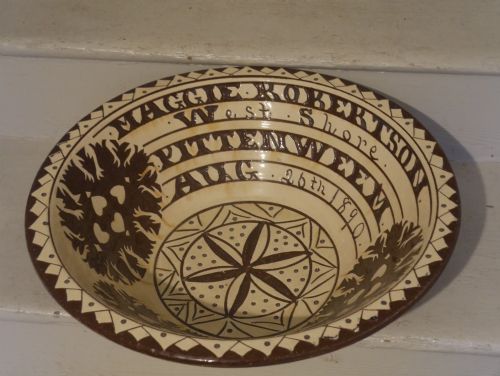
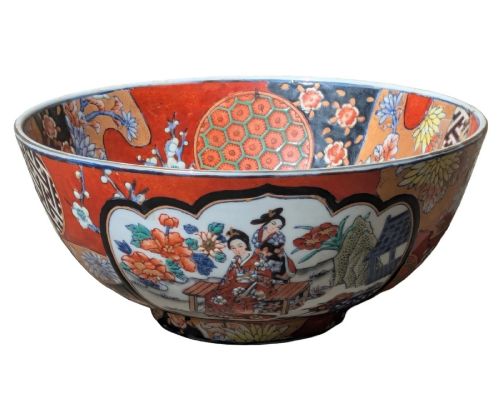
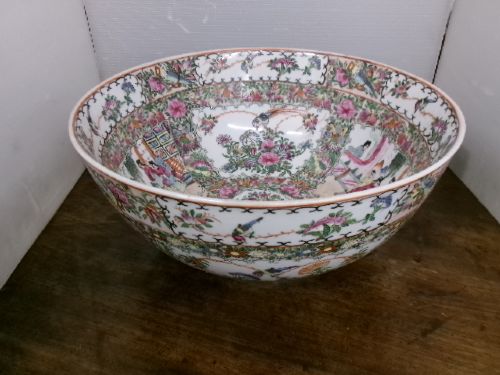
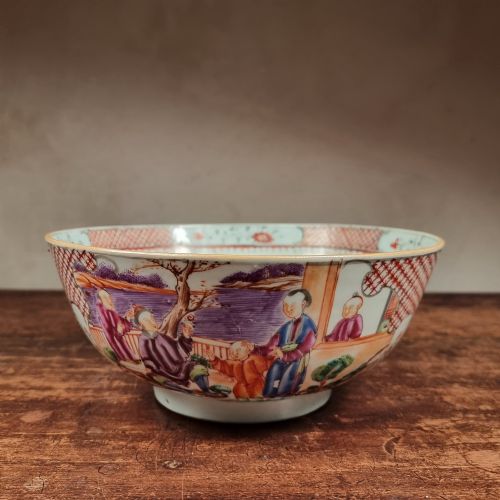
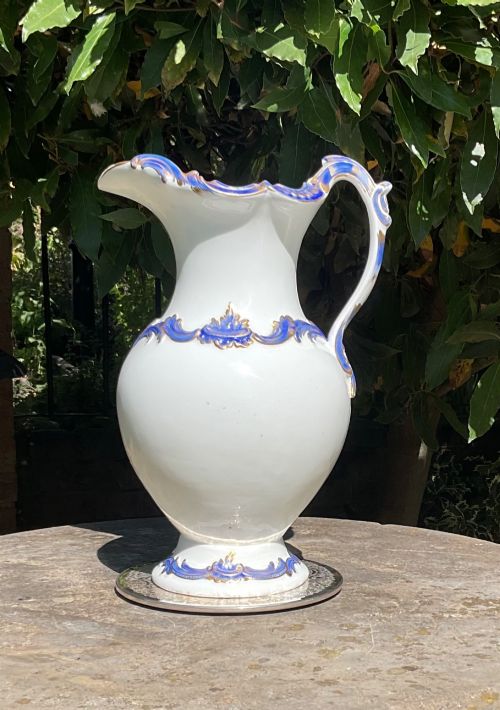
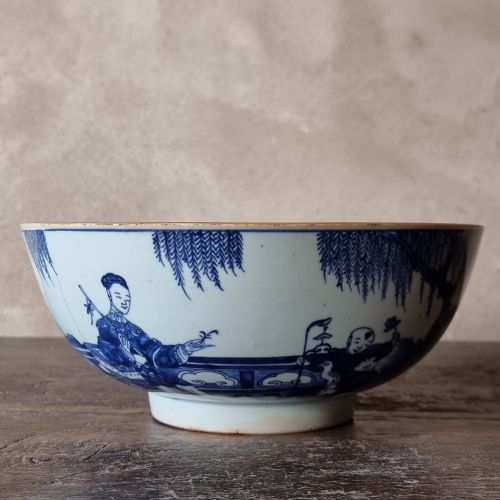
When searching for an antique decorative basin, buyers encounter a diverse selection of vessels spanning multiple centuries and continents. These pieces range from large porcelain punch bowls and ceramic jardinieres to wash jug and bowl sets.
The objects stem from various periods, including the eighteenth, nineteenth, and early twentieth centuries. Many originate from European potteries or Asian export kilns, reflecting distinct regional aesthetics and practical functions.
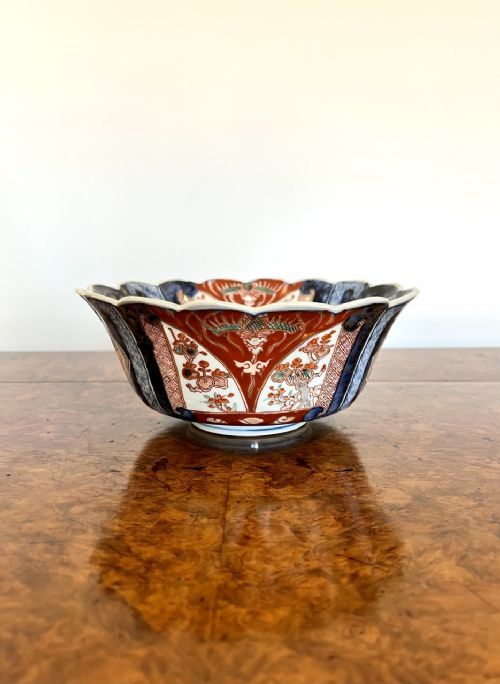
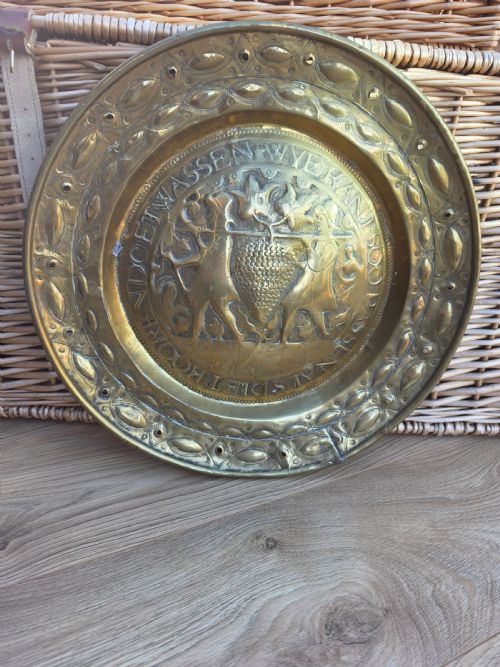
Vessels on this page appear in forms such as scalloped edge bowls, footbaths, and chargers. Each type demonstrates the specific domestic or ornamental requirements of its original era.
Materials and construction methods
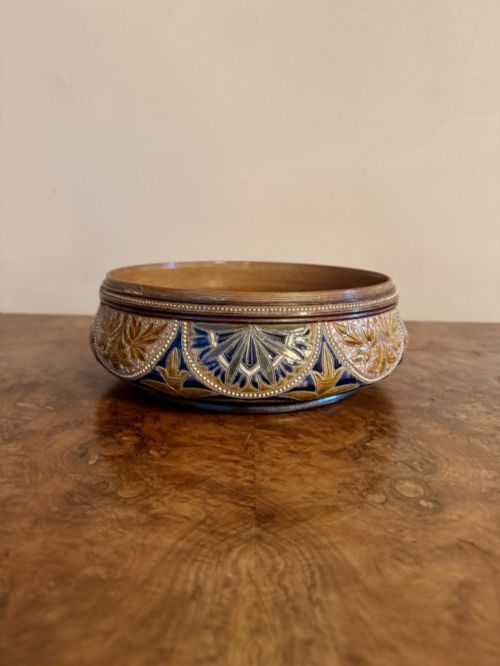
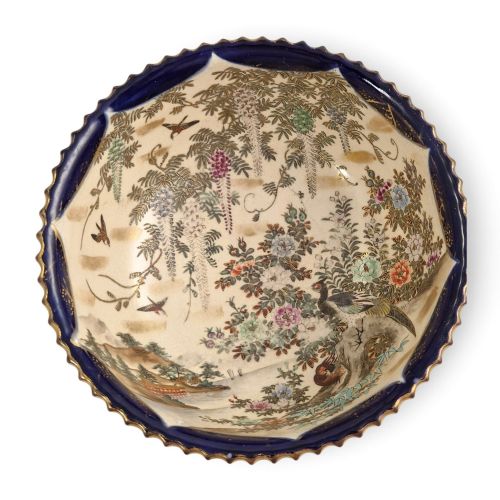
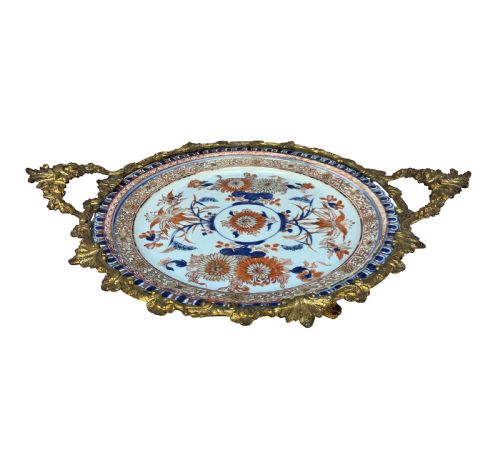
Potters and artisans utilised materials such as porcelain, earthenware, ceramic, copper, and brass to form these basins. Many items feature applied glazes, gold leaf, or hand-painted enamel motifs.
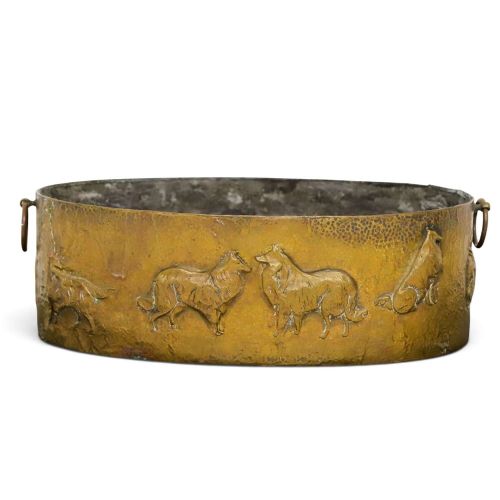
Manufacturing techniques combine wheel-throwing, moulding, and intricate hand-chasing or repoussé work on metal pieces. Surface decoration often involves detailed brushwork in cobalt blue or polychrome enamels.
Antique Decorative Basin Retail Price Guide 2026
Typical asking prices for decorative basin among the pieces listed under this phrase on Sellingantiques today, from the lower quarter to the upper quarter. They describe what is for sale here now, not the wider market.
Giant nineteenth-century clam shells appear alongside ceramic bowls, offering a naturally sculpted basin straight from the sea.
Evaluating craftsmanship and artistry
Quality in an antique decorative basin rests upon the precision of the hand-painted details and the crispness of moulded or chased elements. Superior examples display balanced composition and confident brushwork without hesitation.
The refinement of the glaze, the weight and stability of the ceramic body, and the integration of metal mounts or handles distinguish standard production items from exceptional workshop output.
Mann Co·Doulton Burslem·Royal Doulton·Royal Worcester·Spode·Wedgwood·Ryuzan·Nikko
The Antique Decorative Basin Glossary
- Jardiniere
- An ornamental pot or basin designed to hold a plant or flowers. These vessels often sit on table surfaces or pedestals.
- Imari
- A style of Japanese porcelain featuring a distinctive palette of underglaze blue, iron red, and gilt highlights. Pieces are typically decorated with dense floral and geometric patterns.
- Repoussé
- A metalworking technique where the artisan hammers the design from the reverse side to create a raised relief on the front. This method is common on brass and silver bowls.
- Famille Rose
- A palette of Chinese ceramic enamel colours dominated by opaque pink or rose. The style emerged during the Qing dynasty and was widely exported to Europe.
Antique Decorative Basin: Frequently Asked Questions
What is an antique decorative basin used for?
These vessels served various functions, from washing and personal grooming to mixing punch or displaying plants and flowers.
In modern settings, collectors utilise them primarily as decorative focal points on tables, sideboards, or open shelving.
How do I care for a porcelain basin?
Porcelain and ceramic vessels require gentle cleaning with warm water and mild soap to protect the glaze and hand-painted details.
Avoid abrasive sponges or harsh chemicals that can scratch the surface or damage delicate gilt highlights.
How can I tell the period of a bowl?
Dating relies on examining the characteristics of the paste, the composition of the glaze, and the style of the painted or impressed marks on the base.
Comparing the decorative motifs with documented examples from specific ceramic traditions also aids in establishing an approximate date.
Are brass and copper basins heavy?
Metal basins, particularly those made from brass or bronze, often possess substantial weight due to the thickness of the cast or hammered metal.
This heft generally indicates sturdy construction and contributes to the stability of the vessel when placed on a surface.