
Antique Decor
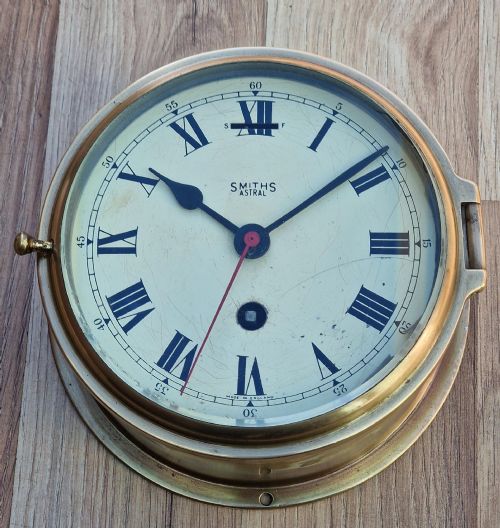
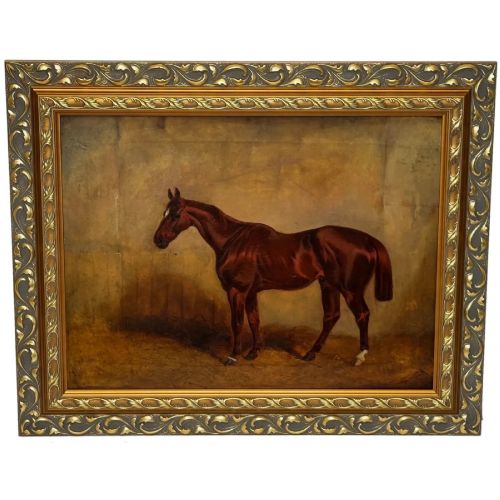
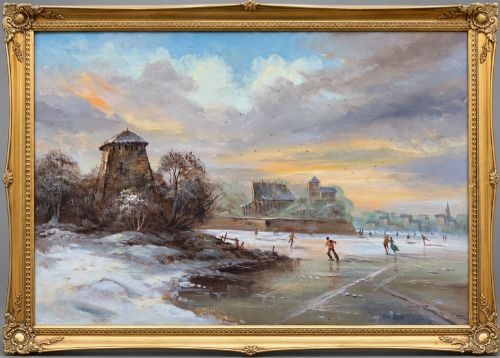
Antique decor spans everything from brass candlesticks and oil paintings to cloisonné vases across the eighteenth, nineteenth and twentieth centuries.
Antique Decor
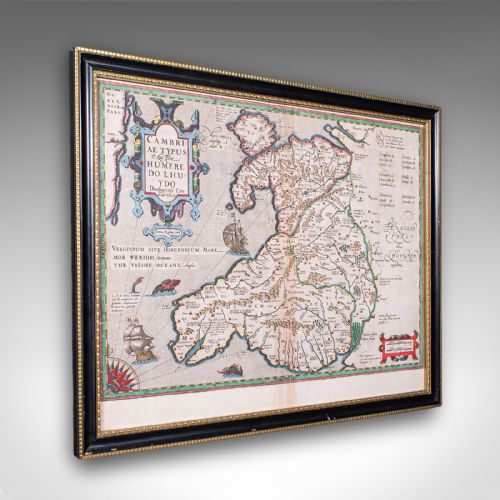
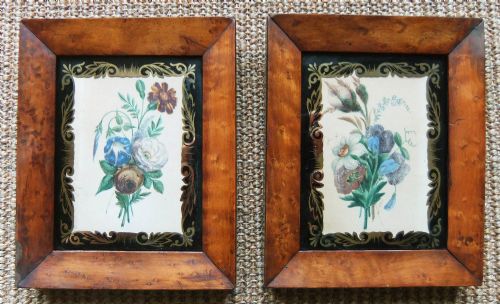
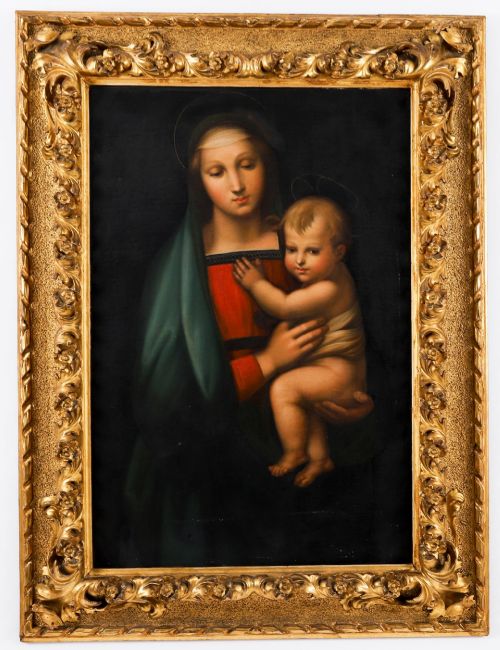
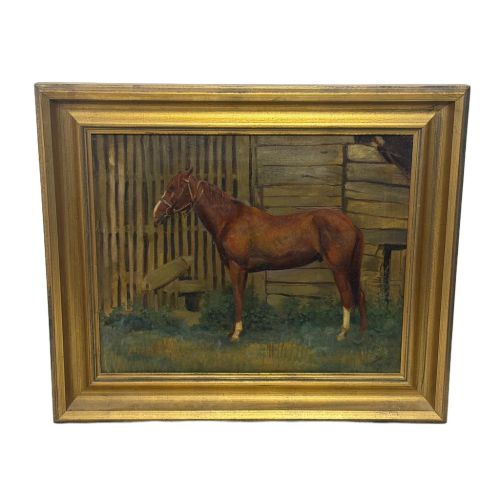
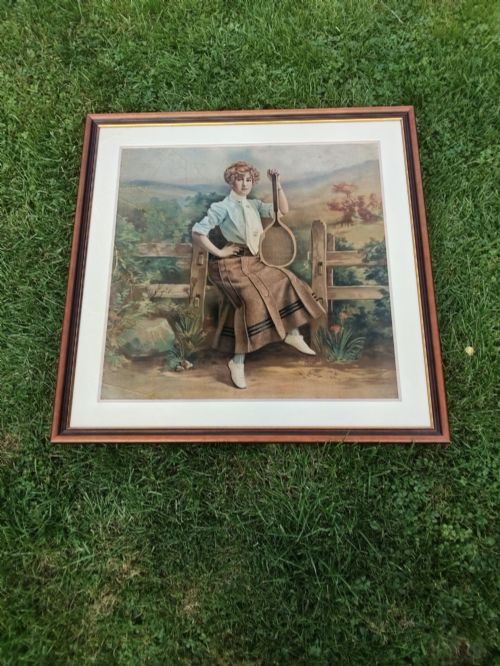
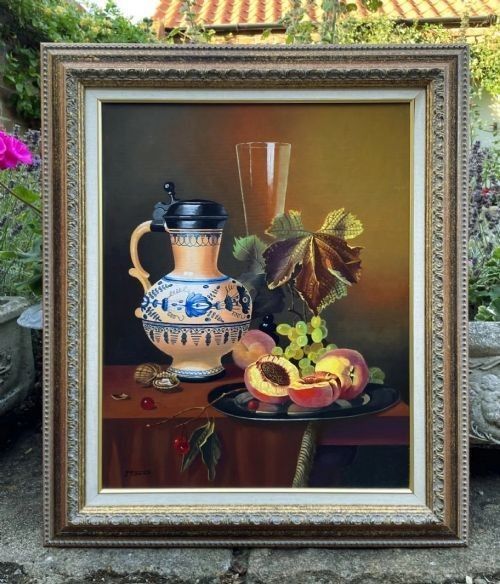
When searching for antique decor, buyers encounter a diverse assortment of ornamental and functional household objects spanning several centuries of craftsmanship. The selection encompasses oil paintings on canvas and panel, painted watercolours, framed tapestries and printed portraits.
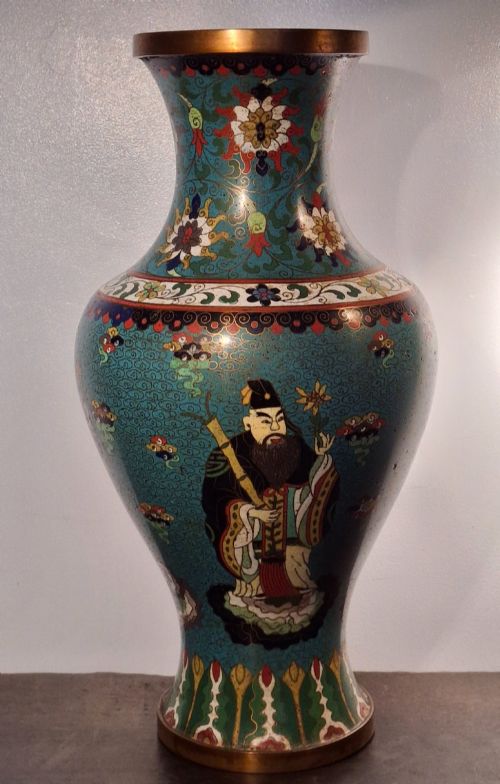
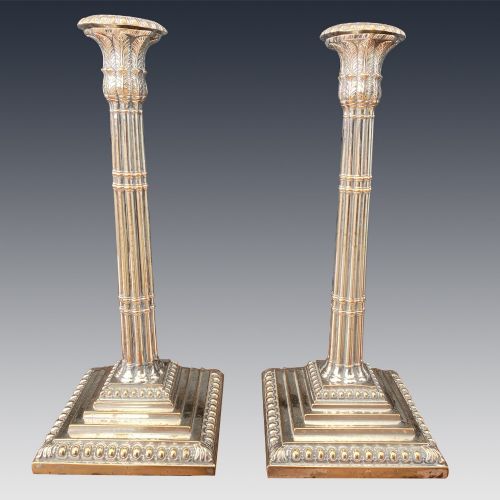
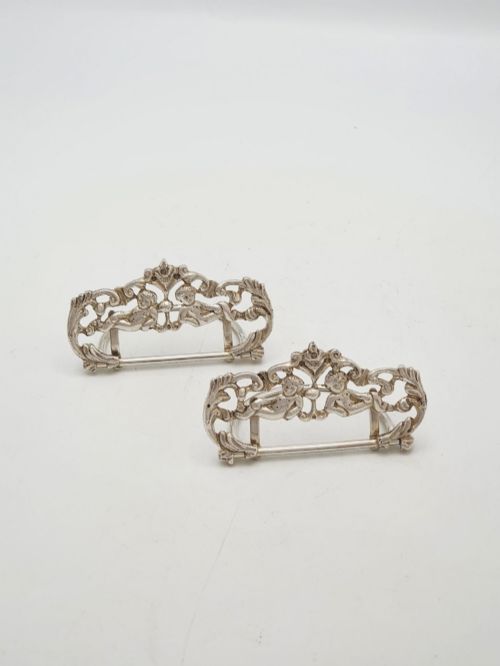
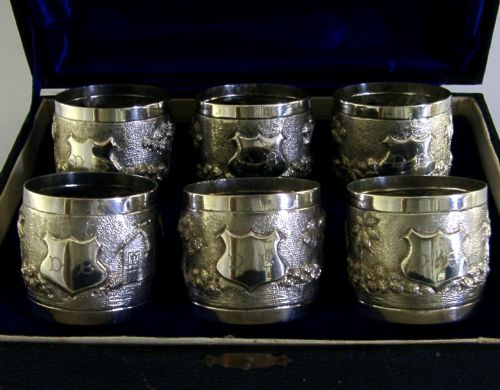
Vases dominate the ceramic and glass categories, featuring Japanese Satsuma earthenware, Chinese cloisonné enamel, and iridescent Art Nouveau glass pieces by makers such as Loetz. Candlesticks, wall carvings, sterling silver napkin rings and brass items provide traditional household utility and display.
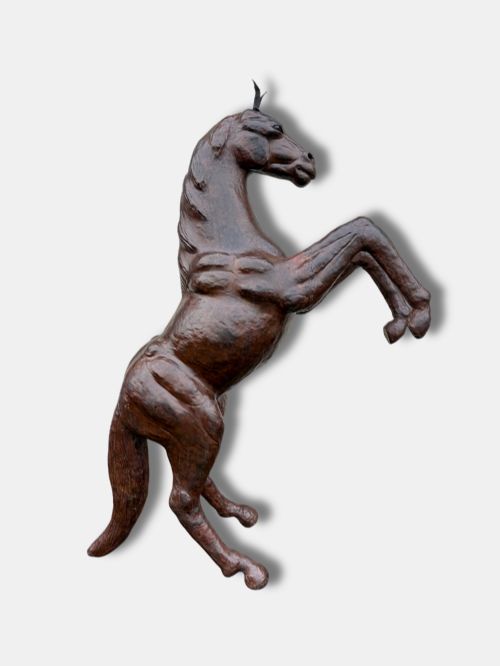
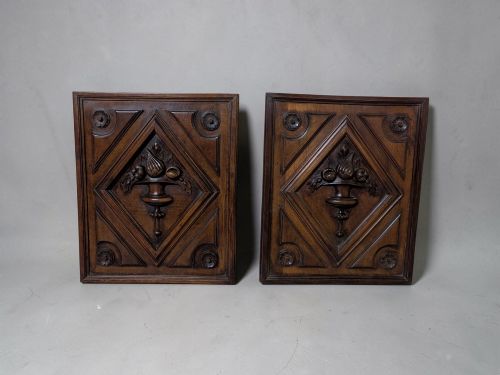
Origins stretch across Britain, Europe and Asia, incorporating styles from the Georgian, Victorian and Edwardian eras alongside French Rococo, Art Deco and Meiji Period pieces. Leather figures, folk art dioramas and carved wooden panels represent the broader decorative scope available.
How they were made
Materials divide into metals, ceramics, textiles and organic mediums, utilising brass, sterling silver, gold leaf, glass and carved wood. Oil paintings employ canvas and panel supports, while works on paper include watercolours and printed engravings.
Manufacturing techniques combine traditional hand-working methods such as wheel-carving for glass, hand-painting for porcelain and coats of arms, and detailed joinery for carved wooden wall panels and leather taxidermy-style forms. Enamelling on copper and bronze casting represent the metalworking traditions seen in the objects.
Listings feature glass, wood, oil on canvas, paper, brass, sterling silver, canvas, and gold leaf.
What varies in quality
Quality rests upon the execution of the hand-finishing, whether in the precision of wheel-carved glass, the brushwork detail of an oil painting, or the depth of relief on carved wooden panels. Pieces bearing recognisable maker attributions or firm stamps typically display superior material selection and technical mastery.
Condition and originality dictate distinction, separating items retaining their original mounts, gilding, or silver plating from those showing heavy alterations or loss. The complexity of the design, such as multi-layered cloisonné enamel or intricate Satsuma moriage work, separates standard production items from exceptional examples.
Liberty of London·Loetz·Georg Adam Scheid·Daum·Royal Bonn Franz Anton Mehlem
The Antique Decor Glossary
- Cloisonne
- Enamelling technique where thin metal wires form raised barriers on a metal body to contain coloured glass pastes before firing. It creates intricate compartmentalised patterns across vases and decorative vessels.
- Satsuma
- Japanese earthenware pottery featuring a distinctive ivory-crackled glaze decorated with elaborate enamel and gilt designs. Originating from the Satsuma Province, these pieces frequently depict traditional figures and floral motifs.
- Sconce
- A removable metal cup or insert designed to sit within the socket of a candlestick to catch dripping wax. They appear frequently on Georgian and antique silver plated candleholders.
- Moriage
- Japanese ceramic decoration technique using piped slip to build up raised decorative details such as flower petals and foliage. It produces a tactile, three-dimensional surface texture on pottery.
- Old Sheffield Plate
- An early composite material made by fusing a thin sheet of sterling silver to a thicker copper base before rolling and shaping. It precedes modern electroplating techniques.
- Tapestry
- A form of textile art woven by hand on a loom to create pictorial designs. Framed and glazed examples were popular interior ornaments during the Edwardian period.
Antique Decor: Frequently Asked Questions
How do I identify a Victorian oil painting?
Victorian oil paintings often depict pastoral landscapes, maritime scenes, or detailed portraits reflecting the artistic conventions of the nineteenth century. Examining the canvas support, stretcher frames, and framing style helps confirm the period.
Signatures, artist records, and historical subject matter further assist in dating these framed artworks accurately.
What is the difference between Satsuma and cloisonne?
Satsuma refers to Japanese pottery with a crackled cream glaze and colourful enamel and gilt hand-painted decoration. Cloisonne is a metalwork technique utilising wire partitions filled with enamel.
Both styles originated in Asia and gained popularity in Western decorative arts around the turn of the twentieth century.
How were antique candlesticks used?
Antique candlesticks provided primary indoor illumination before electric lighting became widespread in homes. They sat on dining tables, mantelpieces, and desks to hold wax or tallow candles.
Removable sconces were incorporated into designs to catch melting wax and simplify cleaning.
How should I clean antique brass decor?
Antique brass items require gentle dusting with a soft cloth to preserve any historic surface patina or mellow finish. Aggressive chemical polishing can strip away age-related characteristics valued by collectors.
Consulting a professional conservator is advisable before attempting any deep cleaning on delicate or gilded pieces.
Are silver napkin rings British?
Silver napkin rings found in antique collections include many British examples bearing hallmark dates from the Victorian and later periods. These hallmarks record the assay office, metal purity, and year of manufacture.
Other examples originate from international makers, including Indian colonial workshops.