
Antique Daybed Lounge
An antique daybed lounge offers a place for horizontal repose, bringing nineteenth-century comfort and architectural form into a modern interior.
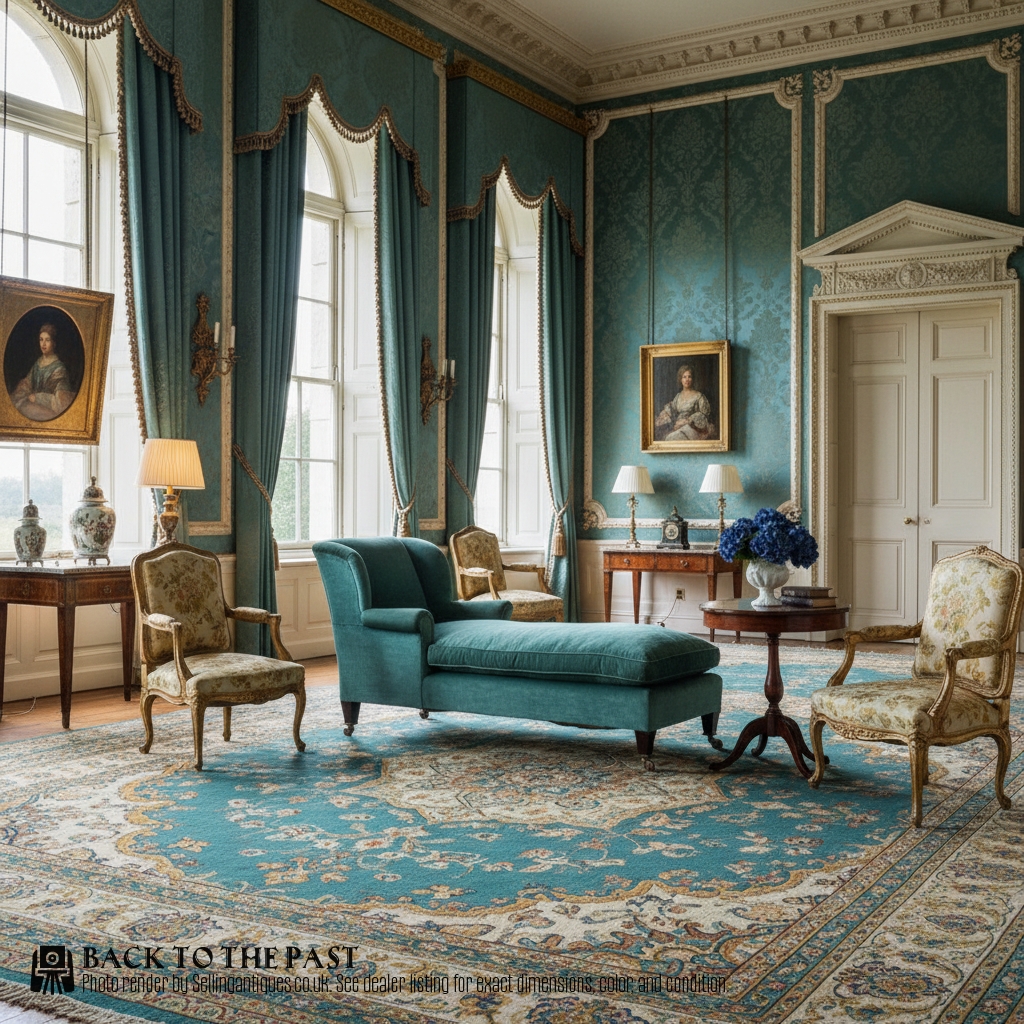
Antique Daybed Lounge
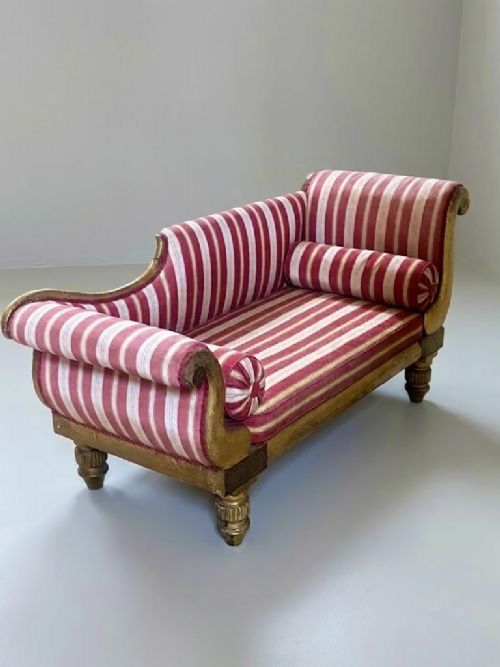
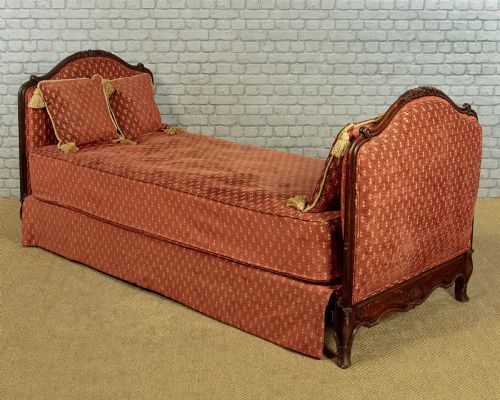
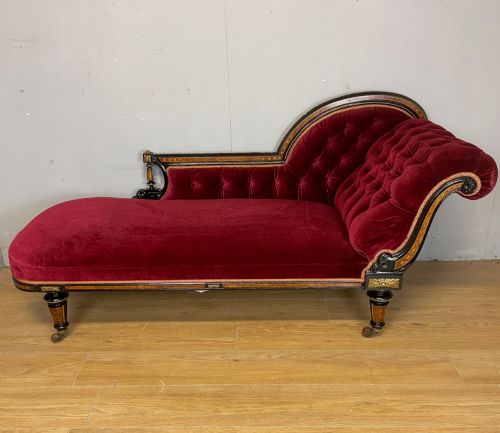
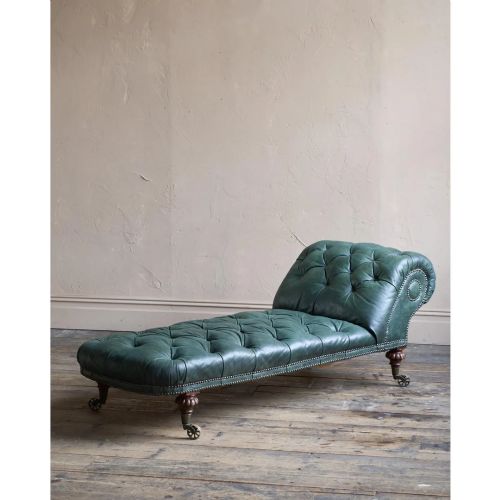
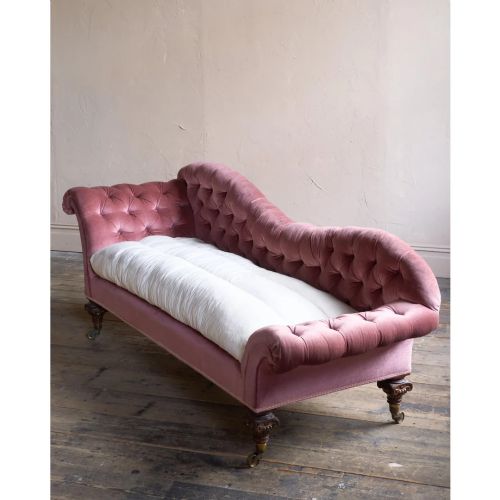
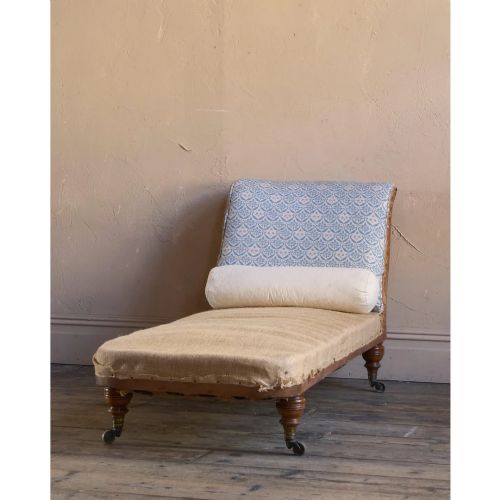
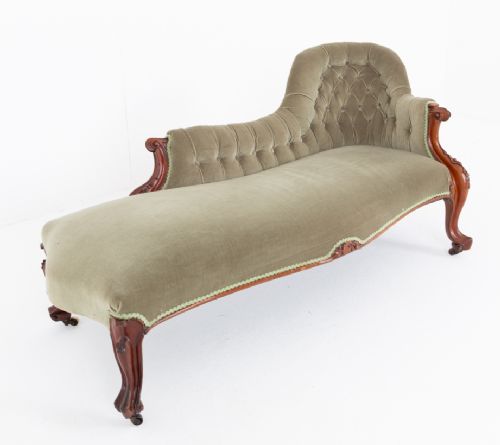
An antique daybed lounge encompasses nineteenth-century chaise longues, daybeds, and recliners designed for reclining while remaining upright. These seating forms served sitting rooms, bedchambers, and country house drawing rooms across the Regency and Victorian eras.
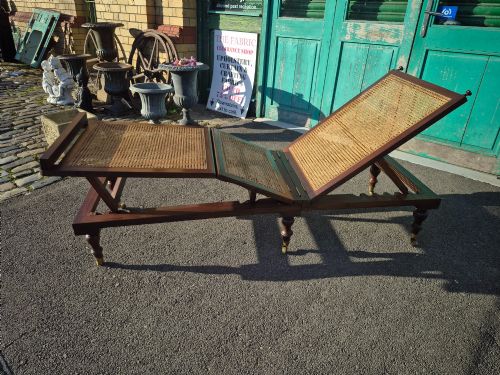
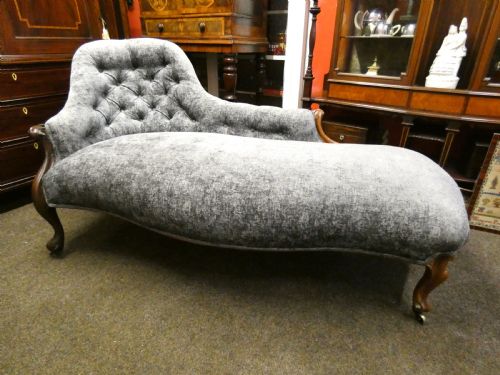
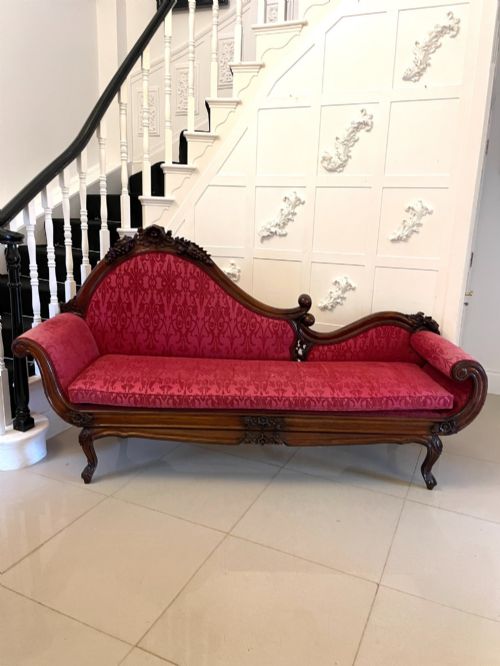
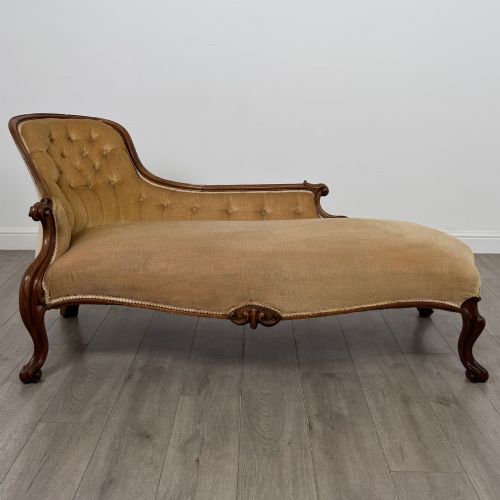
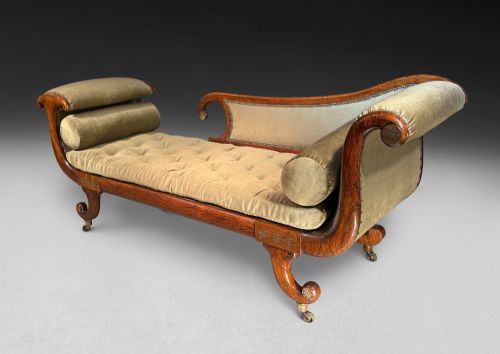
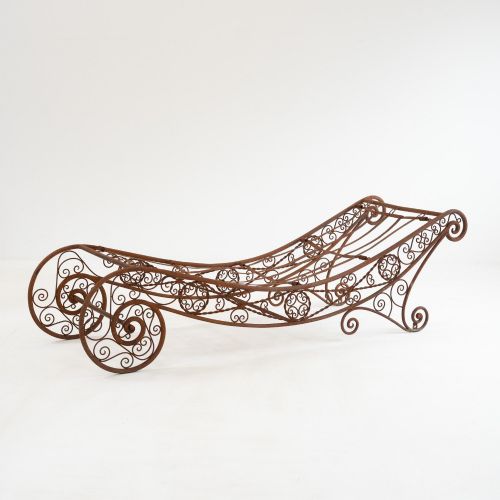
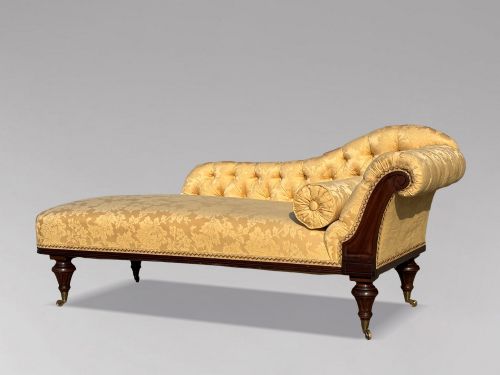
The most common examples on this page date from the nineteenth century, including Victorian carved mahogany and rosewood frames alongside earlier Regency pieces. Formats range from scrolled mahogany chaises to cast iron garden daybeds and French provincial styles.
Makers such as Howard and Sons, Holland and Sons, and H. Goodall and Sons appear within the inventory, providing labeled or attributed examples of high-status nineteenth-century seating. Simpler country house daybeds and campaign styles also feature among the selections.
How they were made
Cabinetmakers constructed the structural frames of these pieces using dense timbers like mahogany, rosewood, walnut, and ebonised wood. Brass inlays, ormolu decorations, and turned legs add decorative detail to the wooden chassis.
Upholstery techniques involved traditional stuffing covered in fabrics such as striped silk, velvet, damask, leather, and original upholstery fabric. Iron and brass appear in daybeds intended for gardens or campaign use.
Reversible box ottoman daybeds provide hidden storage for nineteenth-century blankets while doubling as seats for weary travellers.
What varies in quality
The precision of the timber carving and the sophistication of the frame silhouette separate standard seating from exceptional examples. Finer pieces display crisp mahogany scroll arms, intricate rosewood carving, and restrained brass inlay.
Attribution to documented workshops like Howard and Sons or Holland and Sons elevates the standing of a piece. The integrity of the original wood finish and the retention of period textiles also influence the character of the lounge.
Howard and Sons·Holland and Sons·H Goodall and Sons
The Antique Daybed Lounge Glossary
- Duchesse brisée
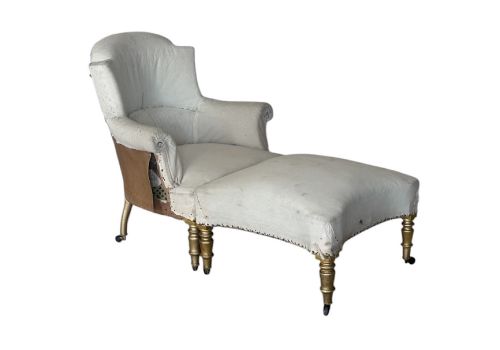
- A French daybed lounge made in two or three parts, combining an armchair with one or two footstools to form a long seat.
- Ormolu
- Gilded bronze mountings applied to furniture for decoration. It provides metallic contrast against dark woods like rosewood and mahogany.
- Campaign style
- Portable furniture designed for military officers on the move. These pieces often feature folding frames and robust construction.
Antique Daybed Lounge: Frequently Asked Questions
How do I use a daybed lounge today?
These pieces fit well in drawing rooms, studies, or large bedrooms as an alternative to a standard sofa. They provide a comfortable horizontal surface for reading or resting during the day.
Position the lounge away from direct sunlight to protect silk, velvet, or leather upholstery from fading. Ensure the floor space allows room to walk around the extended length of the frame.
What is the difference between a chaise longue and a daybed?
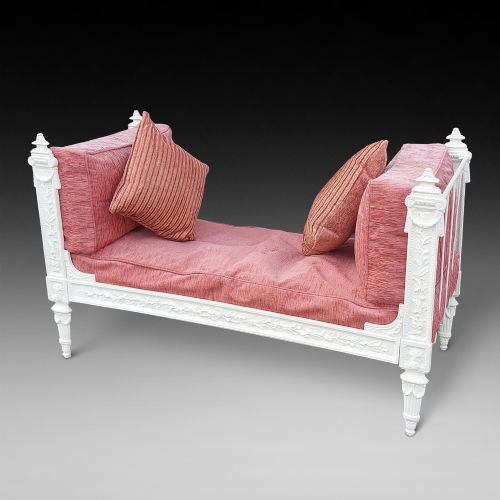
A chaise longue typically has one raised end for the head and a backrest running partway along the side. A daybed often functions without a partial backrest, resembling an extended bench or couch.
Both forms belong to the wider family of horizontal seating found in nineteenth-century interiors. Regency and Victorian examples often blur these definitions through hybrid scroll-arm designs.
How do I date an antique daybed?
Dating relies on stylistic markers, timber choice, and construction methods. Regency pieces often feature brass inlay and simulated rosewood, while Victorian examples lean toward heavy carved mahogany and rosewood.
Makers' stamps or paper labels underneath the frame offer definitive dates and workshop attributions. Turned legs and castors also help narrow the decade of manufacture within the nineteenth century.
Can I place an iron daybed outdoors?
Wrought iron and cast iron daybeds originated for both interior garden rooms and external use. They withstand sheltered outdoor environments better than upholstered wooden frames.
Protect iron frames from persistent dampness to prevent rust formation. Fabric cushions on garden daybeds require storage indoors during wet weather.