
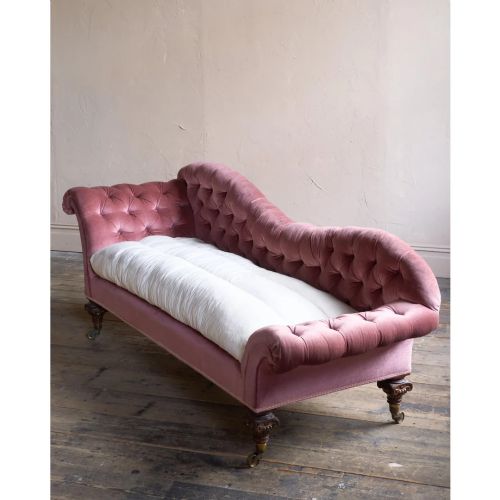
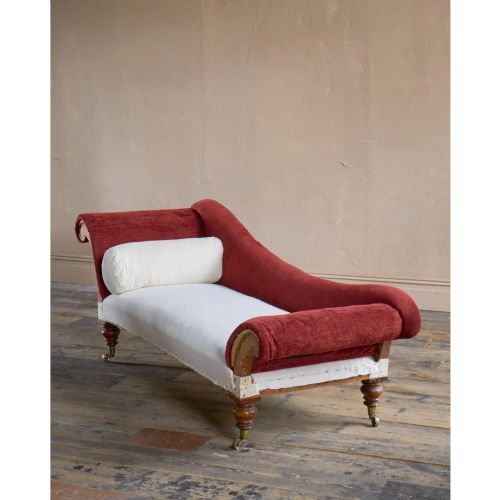
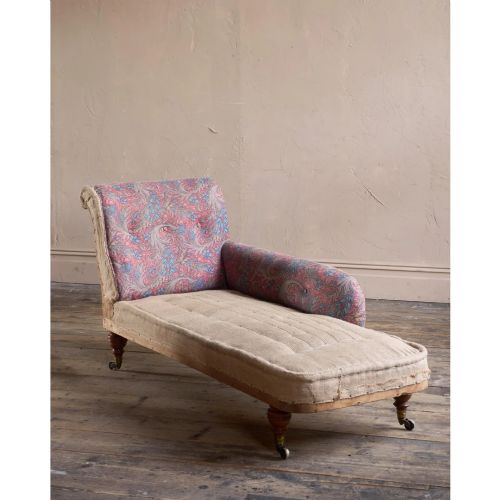
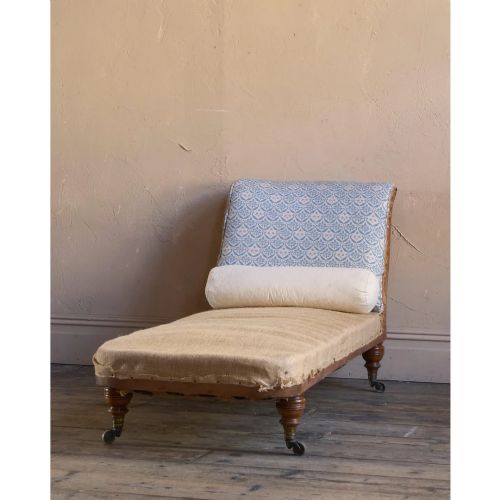
Antique Daybed Couch
An antique daybed couch brings nineteenth-century elegance and reclining comfort into a modern drawing room.

Antique Daybed Couch
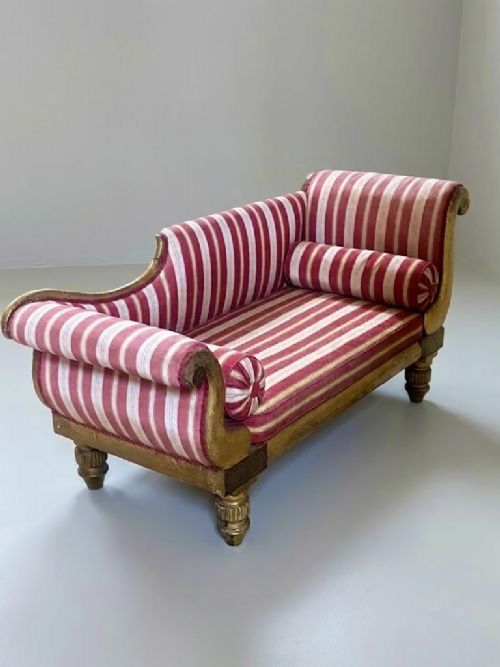
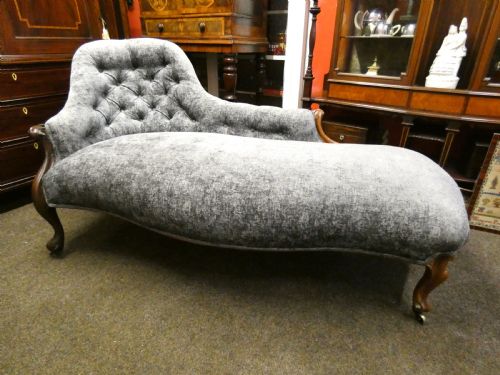
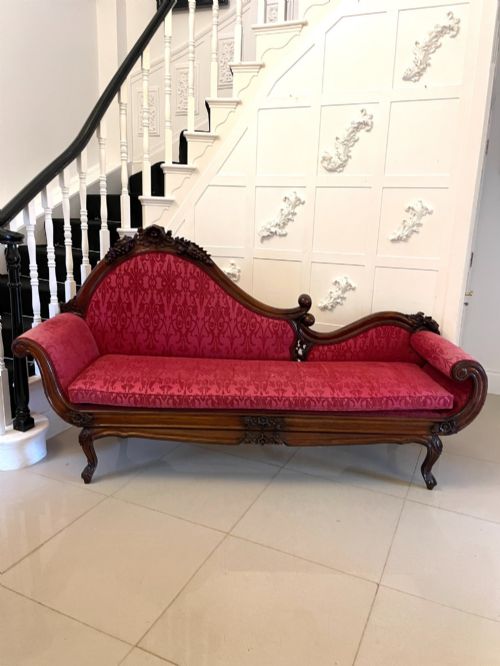
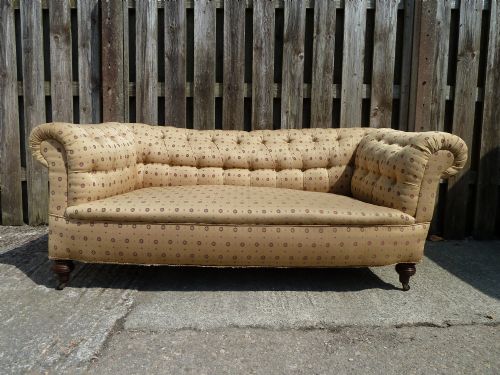
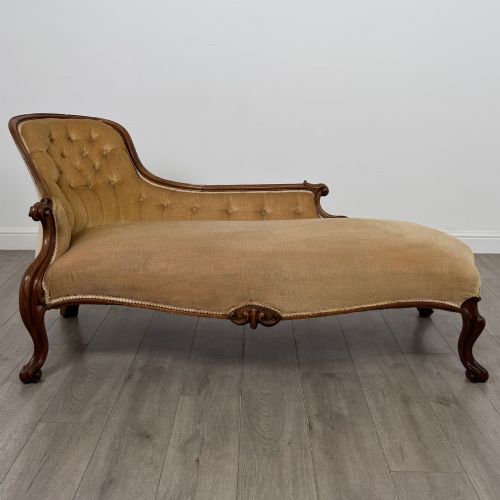
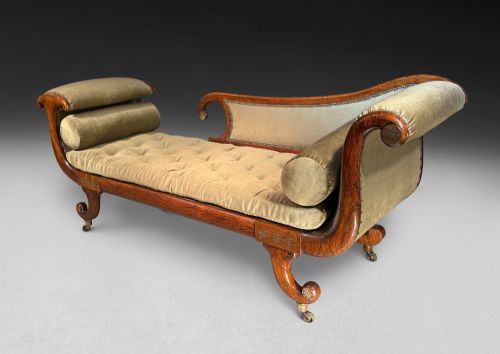
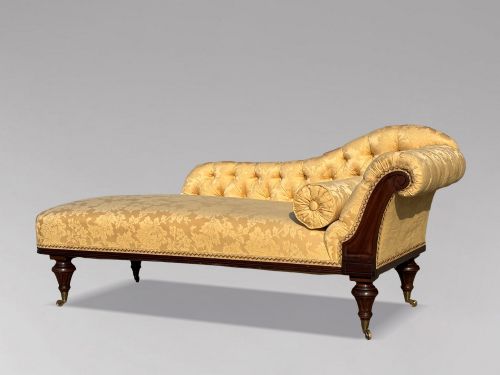
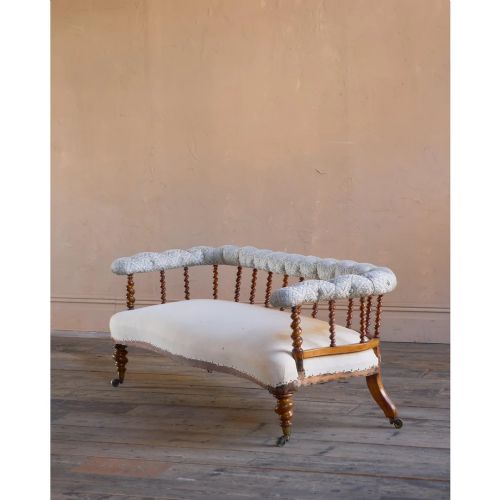
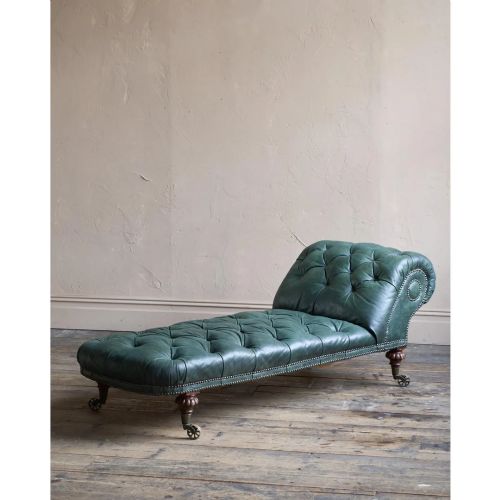
When you search for an antique daybed couch, you encounter a variety of nineteenth-century lounging forms including chaise longues, scroll-end couches, and daybeds. The Victorian and Regency periods dominate the selection, offering everything from carved mahogany frames to ebonised and brass-inlaid surfaces.
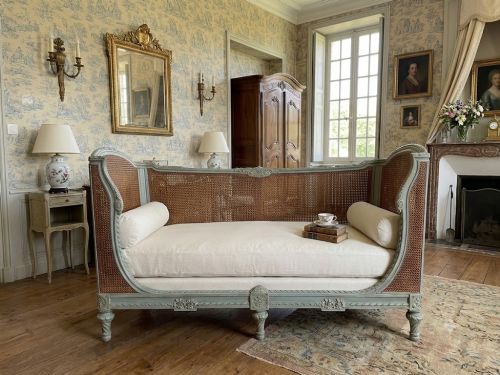
You are most likely to meet nineteenth-century mahogany or rosewood chaise longues alongside French-influenced caned day beds and grand scroll-end sofas. These pieces originate from diverse workshops and global styles, incorporating Victorian Chinoiserie and Anglo-Indian designs into domestic spaces.
The objects span simpler country house daybeds to sculptural pieces with ionic column legs or inlaid walnut panels. Each form serves the historic purpose of half-sitting and half-reclining during daytime hours.
Materials and Construction
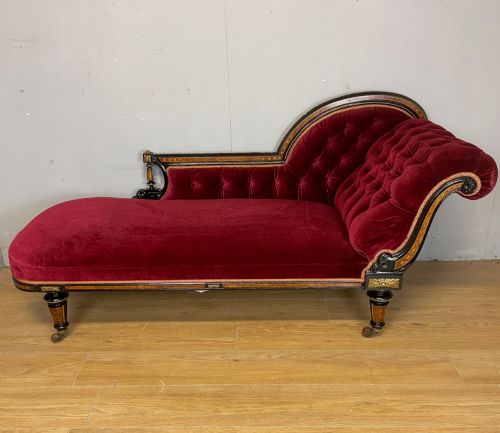
Cabinet makers utilised dense timbers such as mahogany, rosewood, walnut, and oak to build the structural frames of these couches. Many surfaces received an ebonised finish, painted decoration, or elaborate brass inlays.
Upholstery relied on traditional fabrics including silk, velvet, calico, and leather, often paired with cane work for breezy seating panels. Carved details and ormolu mounts added decorative weight to the timber frameworks.
Craftsmanship and Proportion
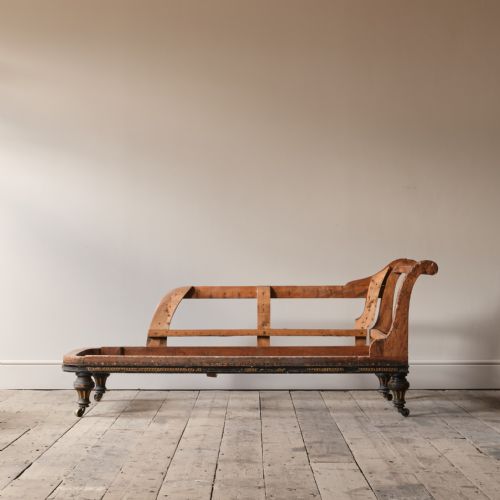
The distinction between ordinary and exceptional pieces lies in the crispness of the timber carving and the harmony of the scroll ends. Superior examples display tighter joinery, carefully matched wood veneers, and accomplished ormolu or brass decoration.
The integrity of the original frame structure dictates the tier of quality, alongside the retention of period textiles or appropriate cane work. Workshops known for superior output invested greater skill in structural stability and refined proportions.
Holland and Sons·C. Hindley and Sons·Howard and Sons·H. Goodall and Sons
The Antique Daybed Couch Glossary
- Chaise longue
- An upholstered sofa in the shape of a chair that has been lengthened to support the legs. This form remains central to nineteenth-century lounging furniture.
- Ormolu
- Gilded bronze or brass applied as ornamental mounts on furniture frames. Makers used this technique to highlight architectural lines and enrich ebonised timber.
- Cané
- Woven rattan or cane material used to form breathable seats and back panels. It appears frequently on French and Anglo-Indian day beds.
- Scroll end
- A rolled armrest or terminal curving outward in a volute shape. This profile defines many Regency and William IV daybed designs.
- Ebonised
- Wood finished with a dark stain or polish to imitate expensive ebony. The technique gained popularity during the nineteenth century for dramatic contrast.
Antique Daybed Couch: Frequently Asked Questions
How were antique daybeds used historically?
These pieces served daytime resting, reading, and receiving visitors in domestic parlours and drawing rooms without retiring to a bedroom.
Occupants reclined against the elevated scroll end while supported by upholstered cushions or cane seating.
How do I identify a Regency daybed?
Regency examples often feature simulated rosewood, brass inlay, and distinct scroll ends drawing on classical antiquity.
They date from the early nineteenth century and prioritise clean architectural lines over heavy Victorian carving.
Can I use an antique daybed for daily lounging?
Most surviving frames remain sturdy enough for regular sitting and reclining provided the internal webbing and joints are sound.
Consult the upholstery condition to determine whether professional conservation is needed before heavy use.