



Antique Davenport with Drawers
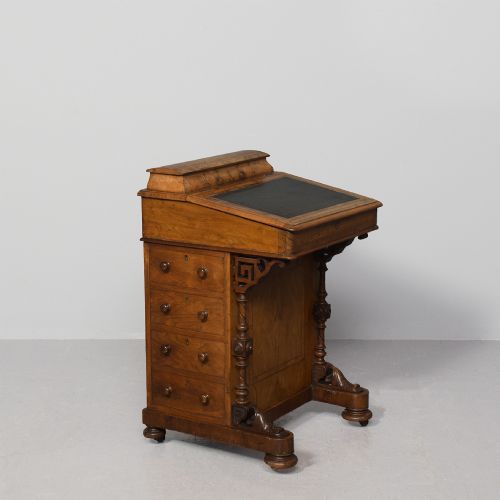
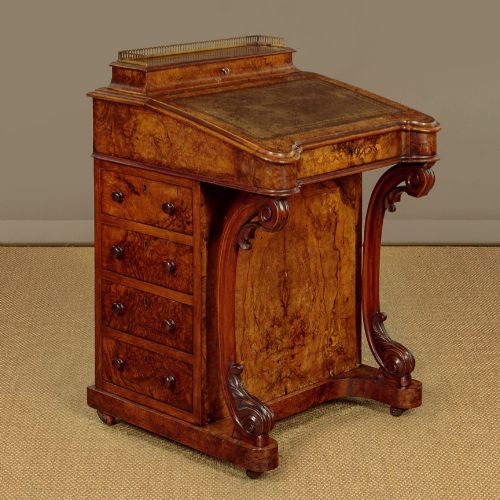
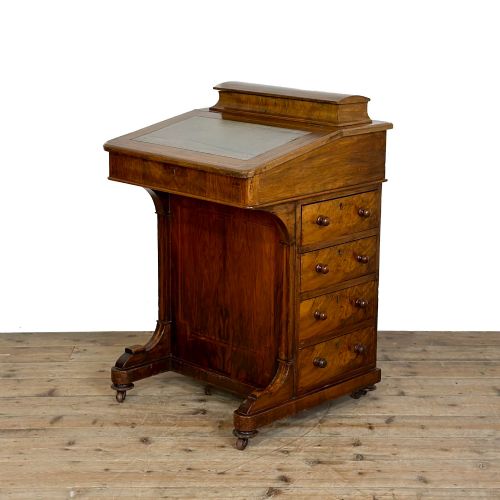
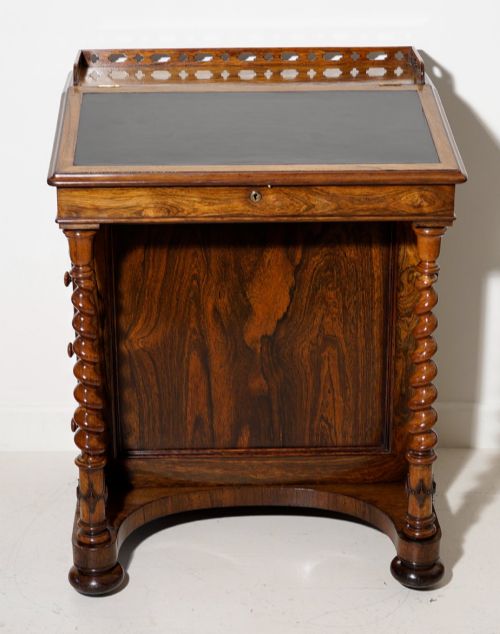
An antique davenport with drawers is a compact writing desk offering hidden compartments and fitted storage, prized for both practical writing space and handsome timber grain.
Antique Davenport with Drawers
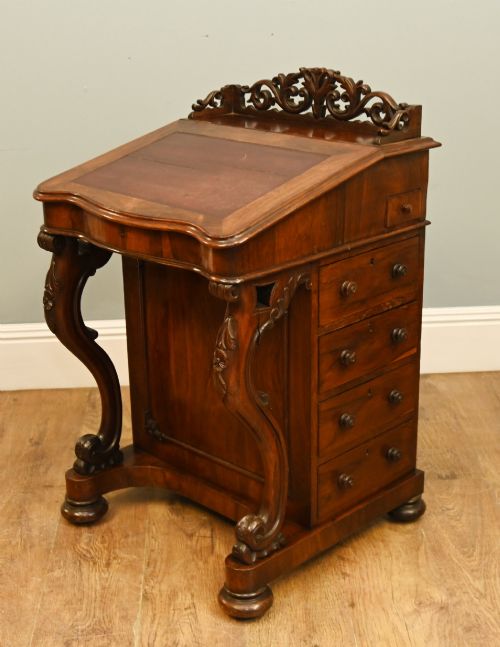
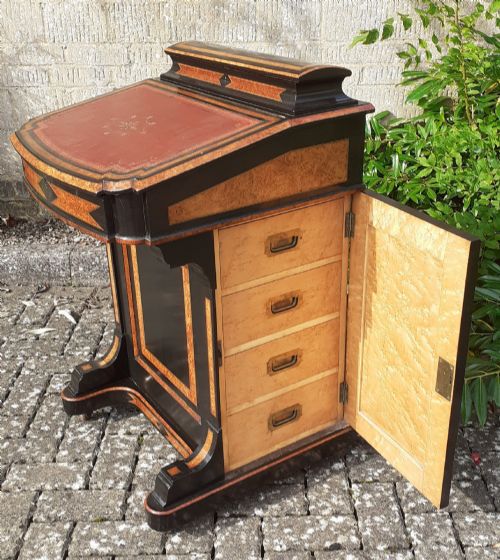
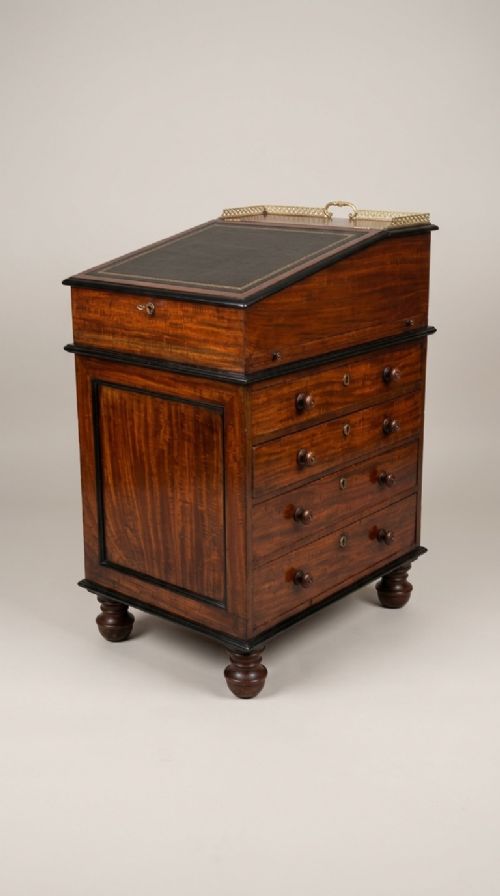
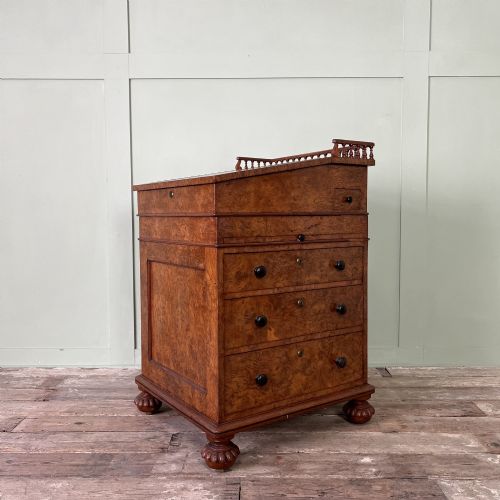
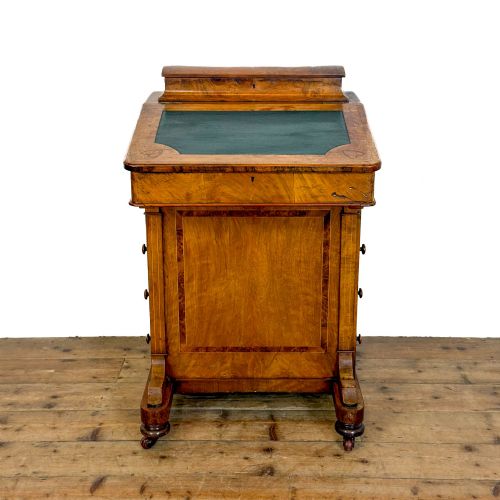
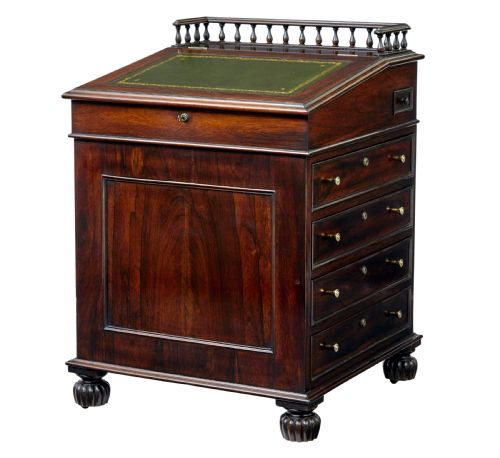
When a buyer seeks an antique davenport with drawers, they encounter a remarkably functional small desk built for domestic correspondence rather than grand administrative work. These pieces typically feature a sloping writing surface lined with leather above a pedestal base containing functional drawers.
The versions most commonly met on this page span the Regency and Victorian eras, alongside Edwardian examples. They originate from workshops across the nineteenth century, ranging from early Regency models to late Victorian iterations.
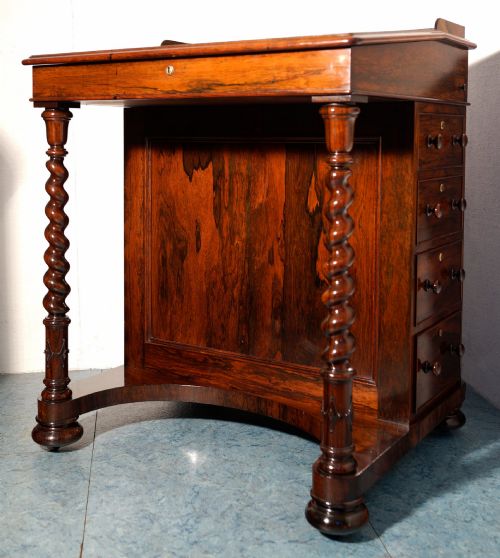
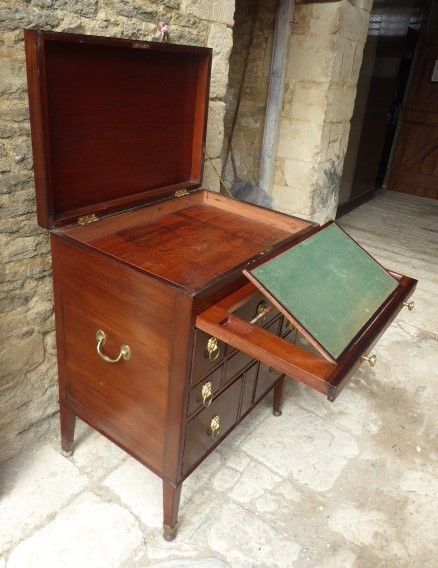
Design variations include sliding tops, piano tops, and freestanding formats with drawers accessible on both sides. Many incorporate secret compartments and interior maple linings alongside their exterior craftsmanship.
How they were made
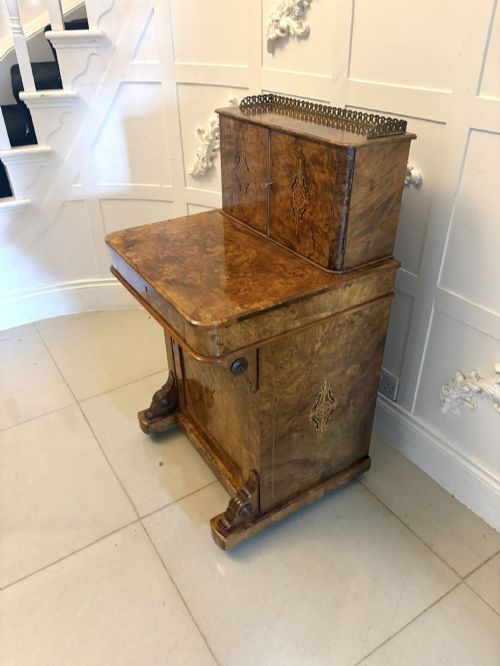
Cabinet makers utilised dense hardwoods such as mahogany, flame mahogany, rosewood, walnut, and burr walnut as the primary structural and decorative timbers. These woods were chosen for their rich grain patterns, which often formed the central visual appeal of the writing slope and pedestal sides.
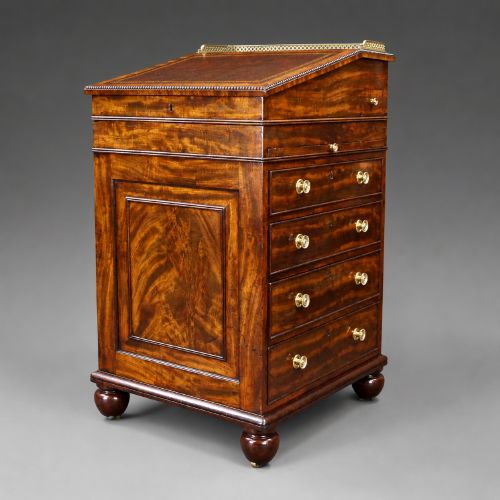
Joinery techniques incorporated brass hardware for handles and mechanisms, alongside inlaid marquetry work in selected styles. Writing surfaces were frequently inset with leather, while interior fittings utilised secondary timbers like maple.
Antique Davenport with Drawers Retail Price Guide 2026
Typical asking prices for davenport with drawers among the pieces listed under this phrase on Sellingantiques today, from the lower quarter to the upper quarter. They describe what is for sale here now, not the wider market.
Listings feature woods including walnut, burr walnut, rosewood, mahogany, flame mahogany, pollard oak, coromandel, and amboyna.
What varies in quality
The choice of timber veneer fundamentally separates standard examples from exceptional pieces, particularly the selection of figured burr walnut, flame mahogany, pollard oak, or amboyna. Superior desks display carefully matched grain patterns across the fall front and drawer fronts.
The complexity of the internal mechanism dictates the grade of the piece, such as sliding tops, pop-up superstructures, and rotating or dual-side drawer configurations. Finer items also incorporate intricate marquetry inlay, original brass fittings, and secondary drawer linings.
Gillows·Gillow and Co·Thomas Turner·James Shoolbred
The Antique Davenport with Drawers Glossary
- Davenport
- A compact pedestal desk with a sloping, hinged writing surface. The form gained popularity in the Regency period and remained a staple of Victorian study furniture.
- Burr walnut
- A highly figured timber veneer taken from the wart or burl growths of the walnut tree. It produces swirling, knotty patterns prized for fine cabinet work.
- Flame mahogany
- A timber cut from the fork of the mahogany tree where the grain twists and creates a flickering flame effect. Cabinet makers deployed this on prominent drawer fronts and writing slopes.
- Marquetry
- The art of applying decorative pieces of veneer to a structure to form intricate patterns or pictures. This technique appears on several walnut surfaces in the listings.
- Sliding top
- A mechanism allowing the desk top to push forward to extend the knee room or reveal interior compartments. This feature occurs in several Regency rosewood examples.
Antique Davenport with Drawers: Frequently Asked Questions
What is a davenport desk?
A davenport is a small writing desk featuring a sloped writing lid positioned above a pedestal of drawers. It was originally designed as a compact piece for correspondence.
Most examples include side drawers, pigeonholes, and small compartments concealed within the upper superstructure.
How do you use a davenport desk?
The sloping top lifts or opens to access writing materials and stationery stored inside the body of the desk. The pedestal drawers hold correspondence and small items.
Some models feature sliding tops that move forward to create a more comfortable writing position while seated on a small chair.
Where did davenport desks originate?
The form is traditionally associated with a Captain Davenport who commissioned a compact desk from Gillows of Lancaster around the late eighteenth century. The design suited life in limited spaces.
Production continued through the Regency, William IV, and Victorian periods with evolving decorative styles.