
Dark Wood Table
A dark wood table brings rich warmth and deep grain patterns to a room, ranging from compact occasional pieces to grand dining surfaces.
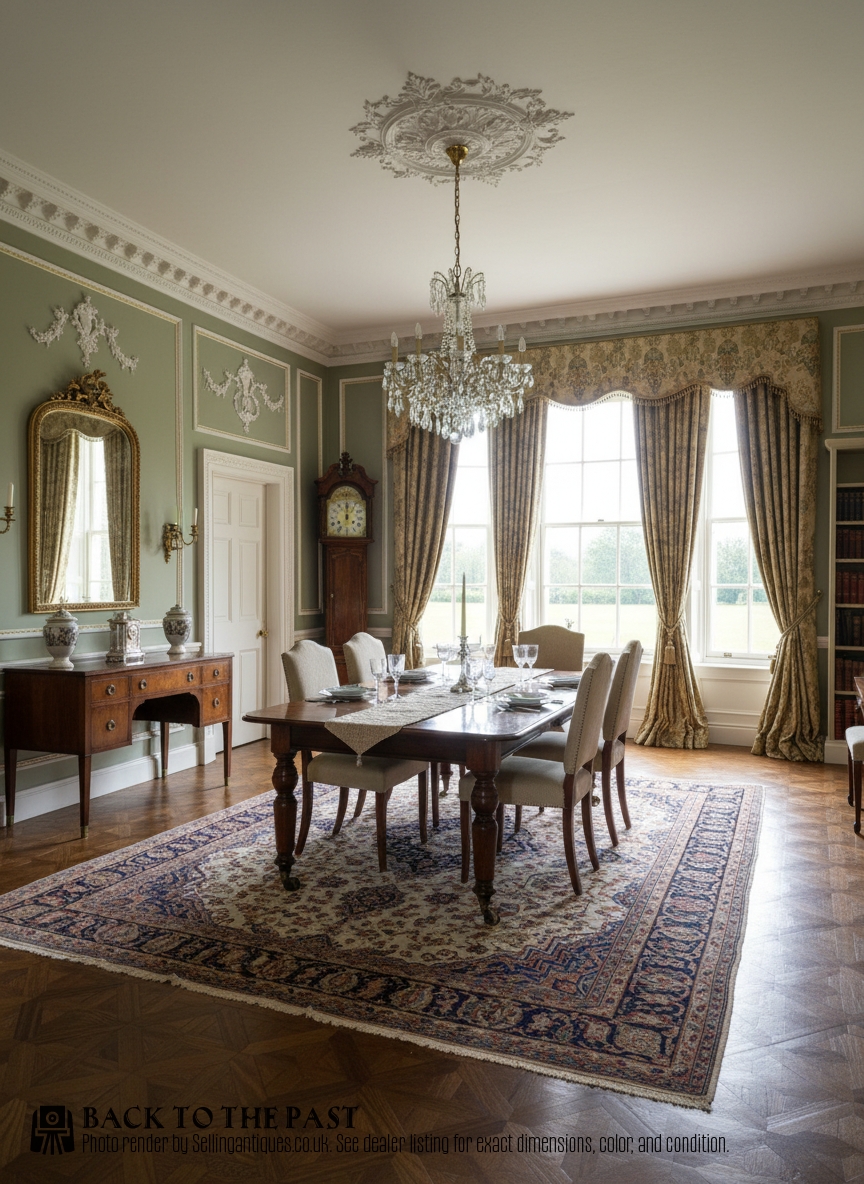
Dark Wood Table
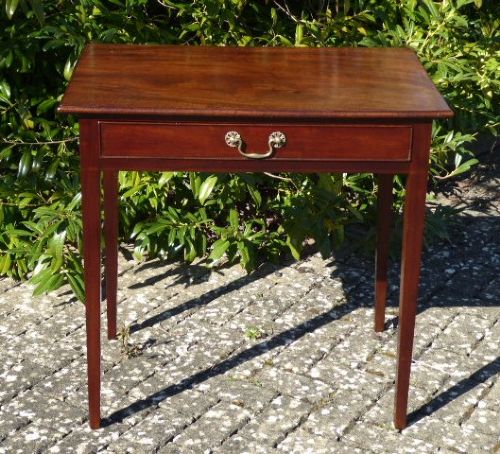
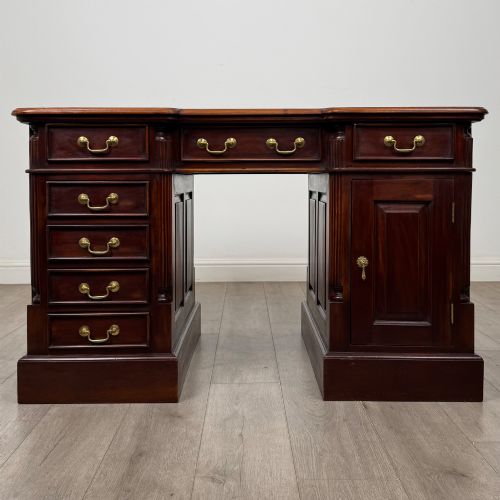
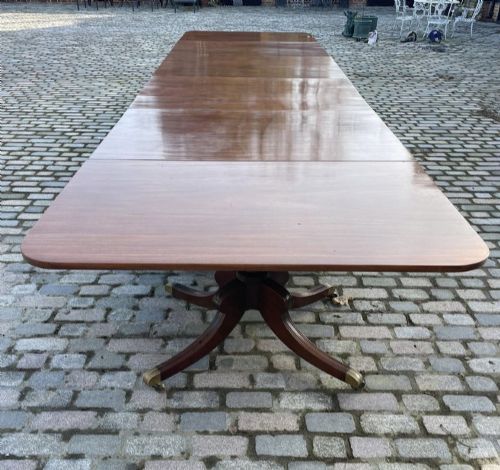
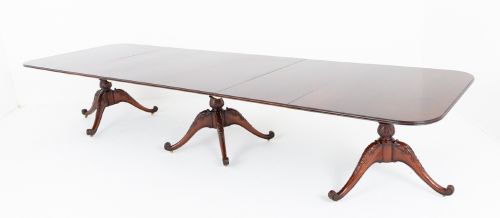
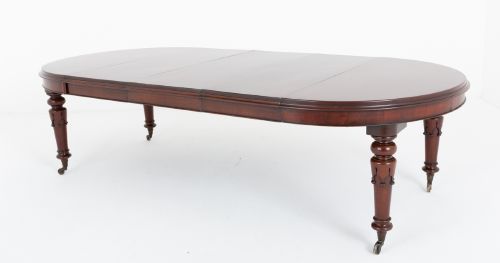
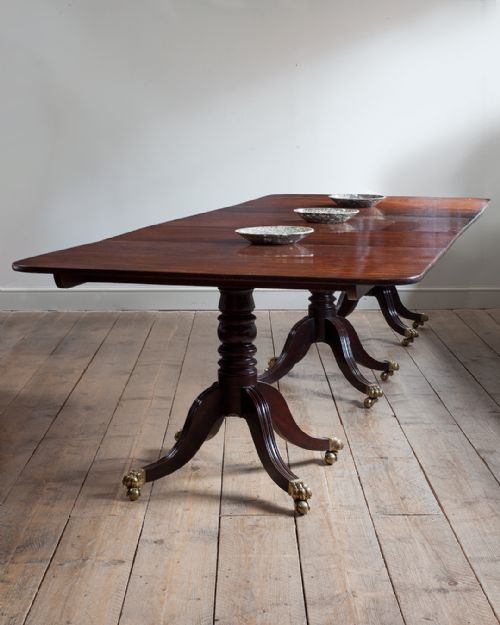
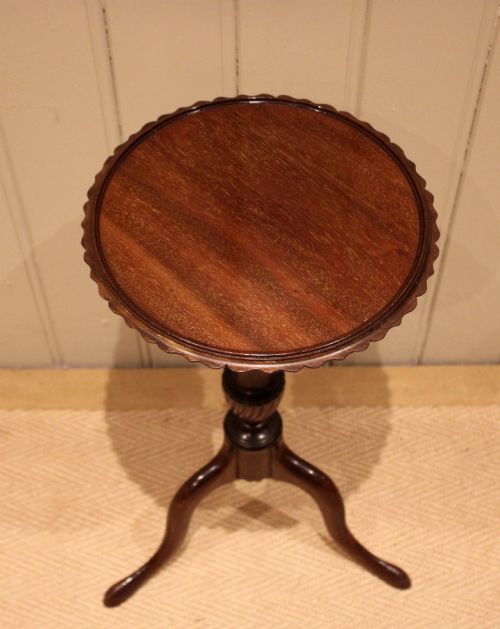
Makers and workshops utilised dense timbers to create functional furniture that served dining rooms, libraries, and drawing rooms alike. From small lamp tables to massive multiple pedestal dining tables, each piece reflects the specific domestic requirements of its period.
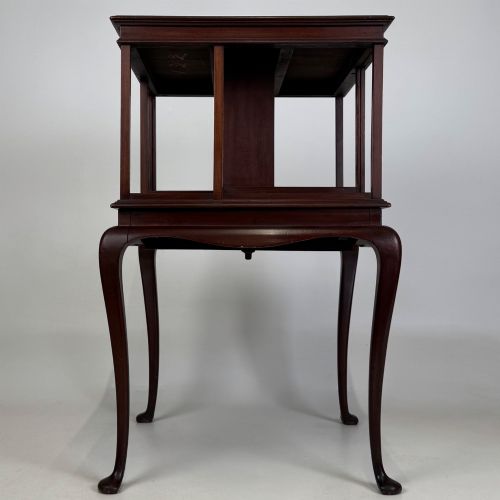
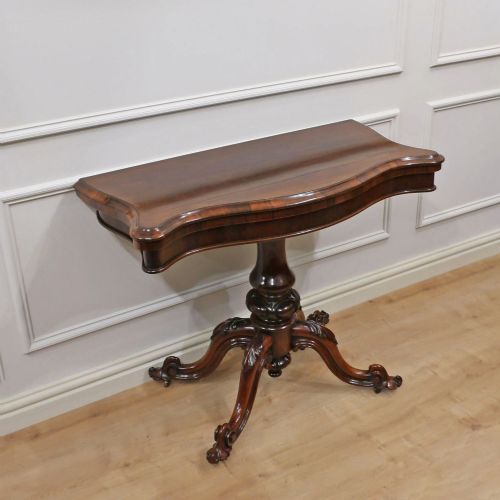
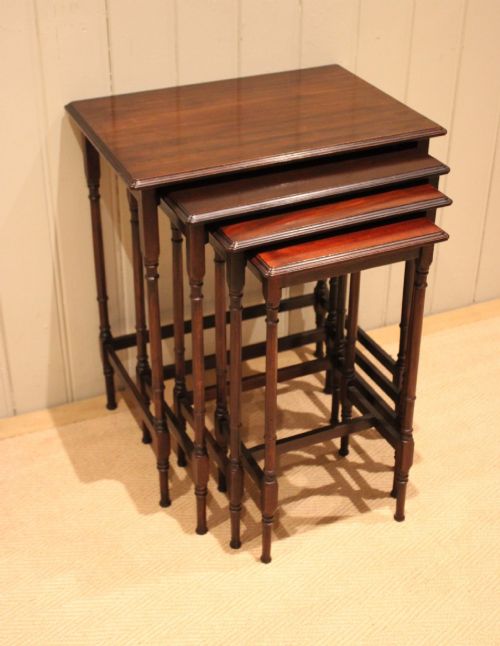
The assortment includes specialised forms like fold-over card tables, nest of tables, and revolving bookcases alongside simpler occasional stands. These objects demonstrate how dark timber was shaped to meet varied social and practical demands across the nineteenth and early twentieth centuries.

Materials and construction methods
Cabinet makers relied heavily on dense tropical hardwoods like mahogany and rosewood, alongside native English oak and walnut. These timbers were chosen for their structural strength and capacity to take a deep, polished finish that highlighted the natural grain.
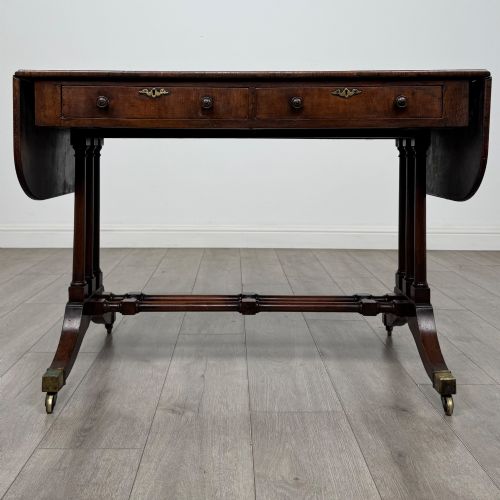
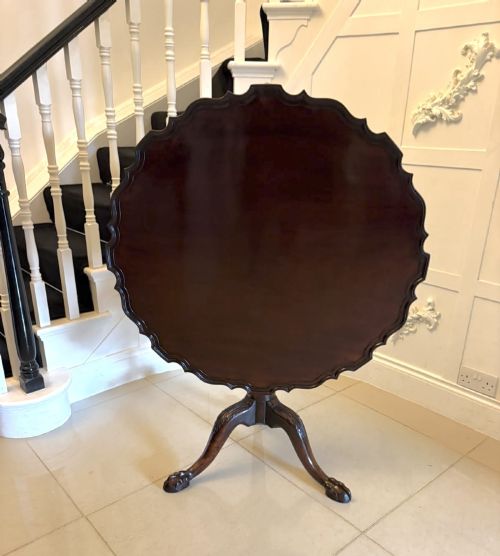
Construction involved traditional joinery techniques, including dovetailing for drawers and mortise and tenon joints for frames. Many dining and centre tables incorporated complex mechanisms such as concertina actions, tilt-top mechanisms, or drop leaves supported by gatelegs.
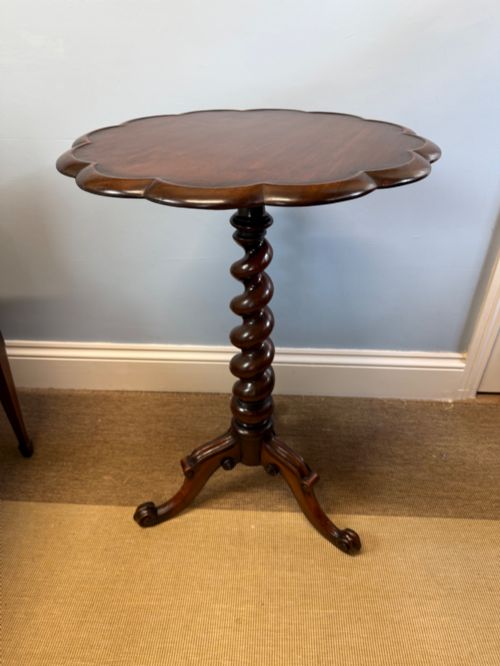
Surface decoration frequently included brass fittings, hand-carved edges, and turned legs such as barley twists or tapering columns. Dining tables often utilised multiple pedestals or pillars to support heavy timber tops while allowing adequate legroom.
Dark Wood Table Retail Price Guide 2026
Typical asking prices for dark wood table among the pieces listed under this phrase on Sellingantiques today, from the lower quarter to the upper quarter. They describe what is for sale here now, not the wider market.
Several tables come equipped with hidden concertina mechanisms and fold-over tops designed specifically to conceal late-night card games from prying eyes.
Assessing quality and craftsmanship
Quality in a dark wood table rests on the selection of the timber and the integrity of its grain matching across leaves and tops. Superior examples display carefully chosen veneer or solid cuts that age with a deep, even lustre rather than relying on surface staining alone.
The sophistication of the joinery and the execution of carved details dictate the standing of a piece within its period. Refined turning, precise brass inlays, and robust, stable base structures separate standard utility furniture from workshop creations attributed to notable makers.
Gillows of Lancaster·Trollope and Sons·Thomson of London
The Dark Wood Table Glossary
- Mahogany
- A durable, reddish-brown tropical hardwood prized by cabinet makers for its stability and fine grain. It became the dominant timber for high-quality English furniture from the eighteenth century onwards.
- Rosewood
- A heavily grained, dark timber with distinct purplish or black streaks, frequently used for luxury Victorian and Regency tables. Its rich natural oils allow for a high, polished finish.
- Pembroke table
- A small, versatile table featuring two hinged drop leaves on opposing sides. It typically includes one or more small drawers and was designed to be moved easily around a room.
- Tilt-top table
- A table with a mechanism that allows the top to pivot to a vertical position when not in use. This clever design saved valuable floor space in smaller domestic interiors.
- Concertina action
- An expanding mechanism used in dining and card tables that stretches like an accordion to support additional leaves. It provides robust structural support without cluttering the underframe.
Dark Wood Table: Frequently Asked Questions
How do I care for antique dark wood?
Maintain your table by dusting regularly with a soft, dry cloth and avoiding placement near direct heat sources or strong sunlight, which can dry out and fade the timber.
Periodically apply a quality beeswax to nourish the wood and preserve its natural sheen without building up heavy chemical layers.
How do I distinguish Regency from Victorian styles?
Regency pieces, dating from the early nineteenth century, generally favor clean classical lines inspired by ancient Greece and Rome, often featuring brass mounts and rosewood veneers.
Victorian furniture tends to be heavier and more exuberant in its carving, frequently showcasing elaborate barley twist legs and massive proportions.
What is the purpose of a Pembroke table?
A Pembroke table served as a versatile workspace, breakfast surface, or occasional table that could easily expand when its drop leaves were raised.
Its compact footprint made it ideal for positioning beside a sofa or in the centre of a modest parlor.