

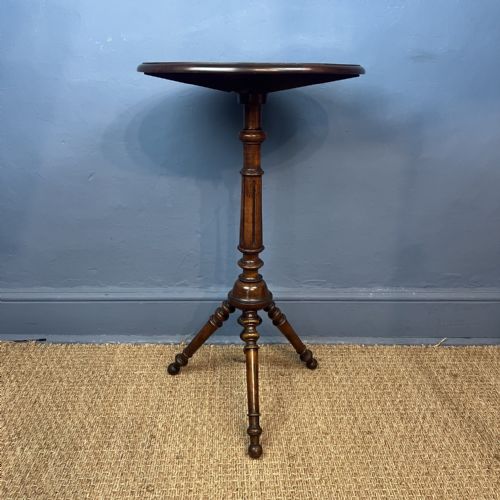


Circular Plant Stand
A circular plant stand lifts greenery into the light, bringing structure and proportion to a room through timber, marble and metal.
Circular Plant Stand
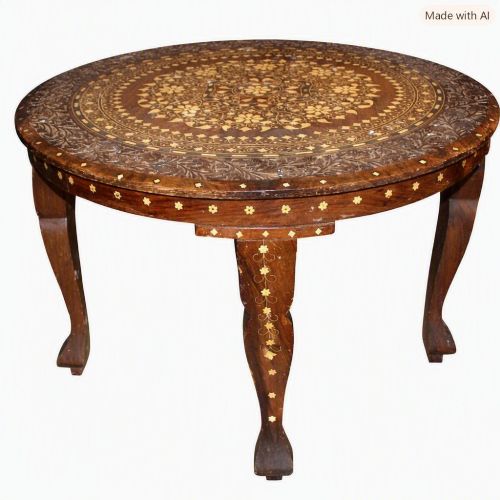
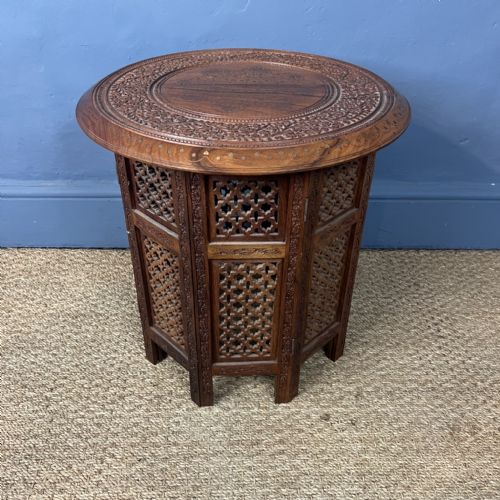
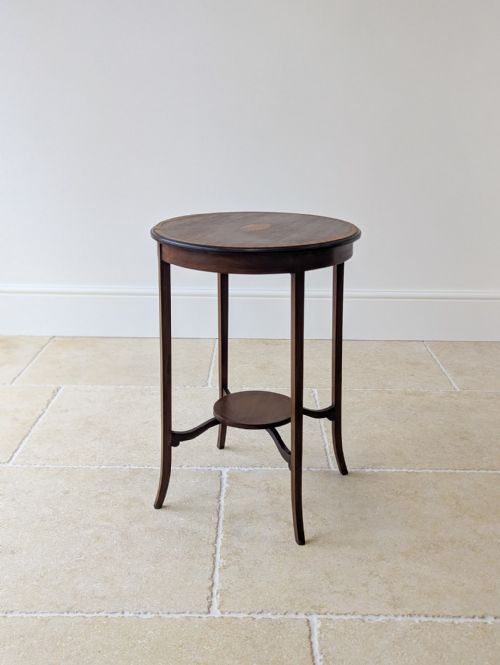
A circular plant stand serves to elevate pots, urns and jardinières, appearing in forms such as torchères, tripod tables and pedestals. These pieces originate across the nineteenth and twentieth centuries, spanning periods from the Victorian era through Edwardian decades to the 1930s.
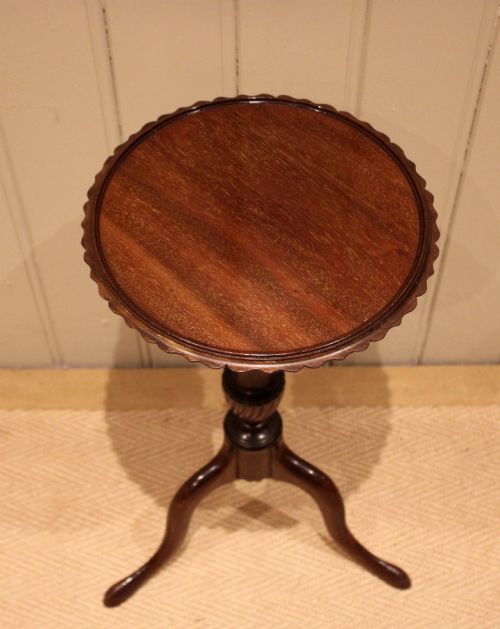
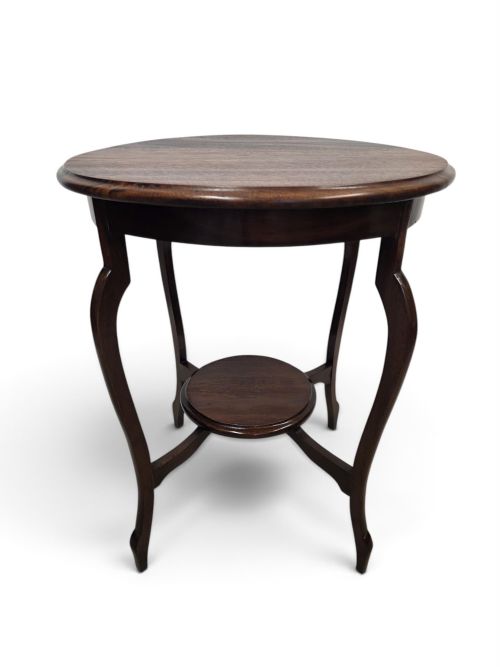
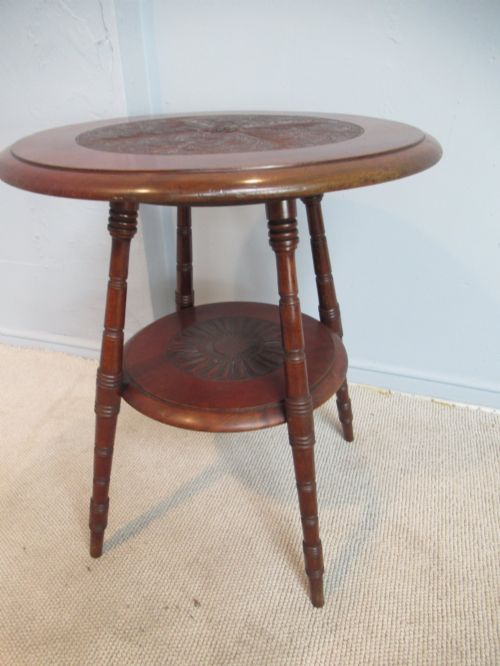
The version most commonly met on this page is the mahogany or oak plant stand, often supported on a tripod base with a circular top. Alongside these, examples in teak, cast iron and pine emerge from domestic and conservatory settings.
Makers and workshops across Britain, France, Italy, India and China produced these stands, utilising native hardwoods alongside exotic rosewood, satinwood and bone inlay. They function equally well today as side tables, lamp stands and display supports.
Materials and Technique
Makers constructed these stands using dense timbers like mahogany, oak, rosewood and teak, frequently shaping tops into circular discs, dished profiles or tiered platforms. Joinery relies on turned pedestals, tripod legs, and occasionally cast iron or wrought iron frameworks for conservatory use.
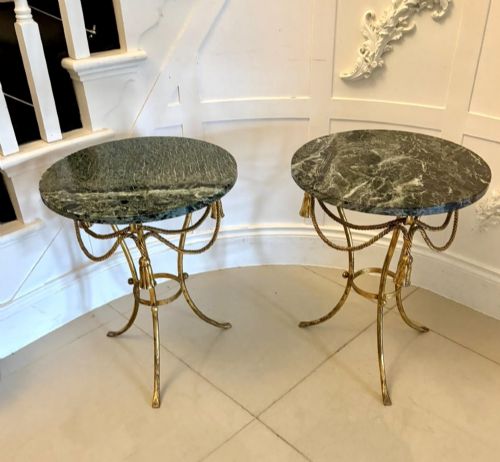
Surface ornamentation involved hand carving, bone inlay, brass stringing, gilt metal mounts, and painted or ebonised finishes. Marble inserts appear frequently on French gueridons and Italian tables, providing a cool, durable surface for damp pots and urns.
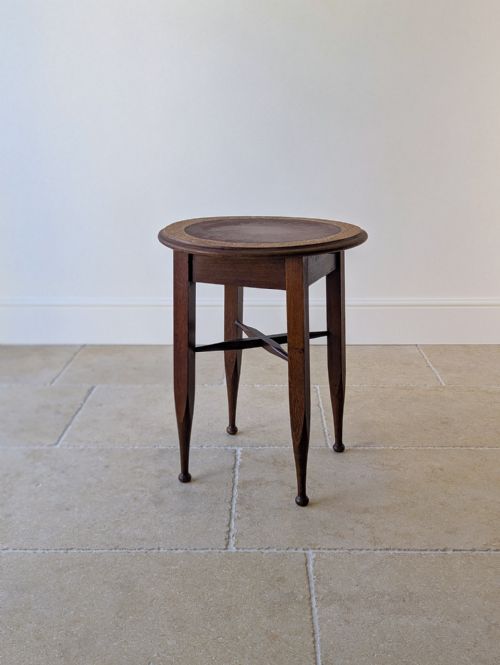
Listings feature circular plant stands in mahogany, oak, teak and marble, spanning the Victorian period through to the 1930s.
Evaluating the Pieces
The distinction between standard utility items and finer examples lies in the selection of materials and the crispness of the hand-carved detail. Dense, well-figured mahogany or satinwood with precise inlay denotes a higher workshop standard than plain pine or utilitarian cast iron.
Proportion and stability dictate practical worth, where slender tripod legs meet a heavy circular top with balanced grace. Original surfaces, such as untouched French polish or patinated bronze mounts, separate well-preserved examples from later decorated pieces.
Liberty & Co·Weisweiler
The Circular Plant Stand Glossary
- Torchere
- A tall, slender stand designed to hold a light, lamp or plant. These pieces usually feature a small circular top on a single central pillar or tripod base.
- Gueridon
- A small French circular table, frequently fitted with a marble top and ormolu mounts. The form originates in the seventeenth century but appears across later periods.
- Jardiniere
- A decorative receptacle or stand for holding a plant or flower pot. They often incorporate waterproof liners or durable stone and metal surfaces.
- Tripod table
- A small occasional table supported by three legs radiating from a central pillar. This construction prevents wobbling on uneven floors.
- Inlay
- A technique where pieces of contrasting material, such as bone, brass or lighter woods, are set into the surface to create decorative patterns.
Circular Plant Stand: Frequently Asked Questions
What is a circular plant stand used for?
These pieces elevate potted plants, flowers and ferns to catch the light and protect flooring from dampness. They also serve double duty as lamp tables, small side tables or pedestals for sculpture.
In period homes, they filled awkward corners and conservatory spaces, bringing height variation to room layouts. Today, they integrate easily beside seating or beneath windows.
How do I date a wooden plant stand?
Dating relies on observing timber choices, construction methods, and stylistic cues like carving or inlay. Victorian and Edwardian examples often feature rich mahogany or oak with turned columns and tripod feet.
Later pieces from the 1920s and 1930s introduce streamlined Art Deco lines or simpler oak frames. Comparing the joinery and finish helps distinguish nineteenth-century craft from later revivals.
Can these stands hold heavy pots?
Most solid hardwood and cast iron versions are built to bear substantial weight safely. Tripod bases provide sturdy support, though taller, slender torchères require careful placement to maintain balance.
Marble and brass-inlaid tops offer a water-resistant surface well suited for live plants. Checking the firmness of the central column and leg joints ensures safe daily use.
Are marble top stands waterproof?
Marble inserts provide a natural, highly durable barrier against water and soil spills. These surfaces allow pots to sit directly on the table without risking water damage to timber.
Wooden tops require a saucer or protective liner beneath the pot to prevent rings and moisture marks. Regular maintenance keeps both stone and wood surfaces in sound condition.