
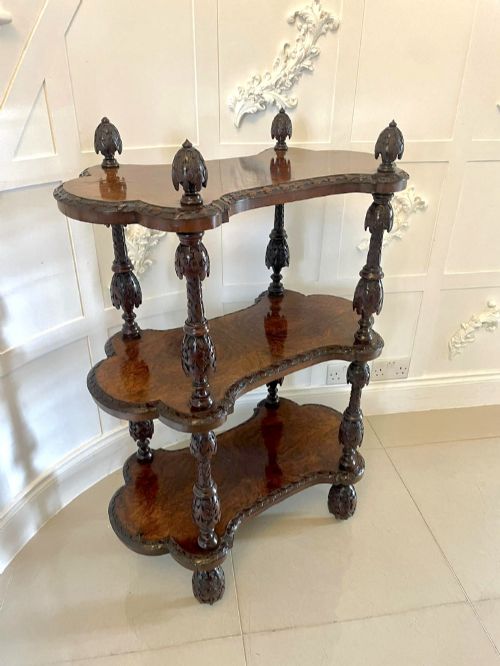
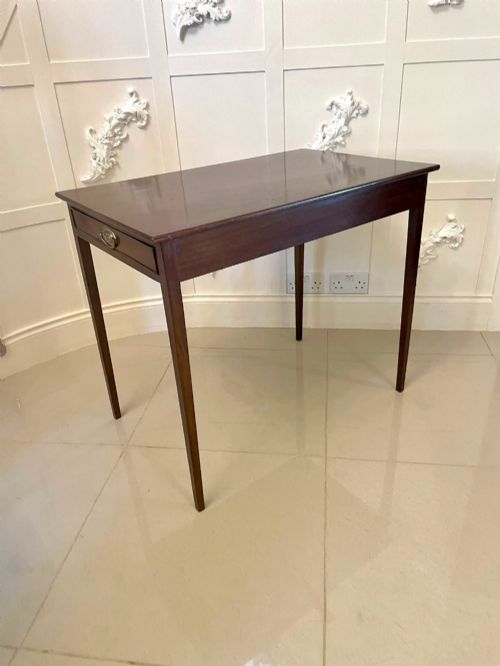
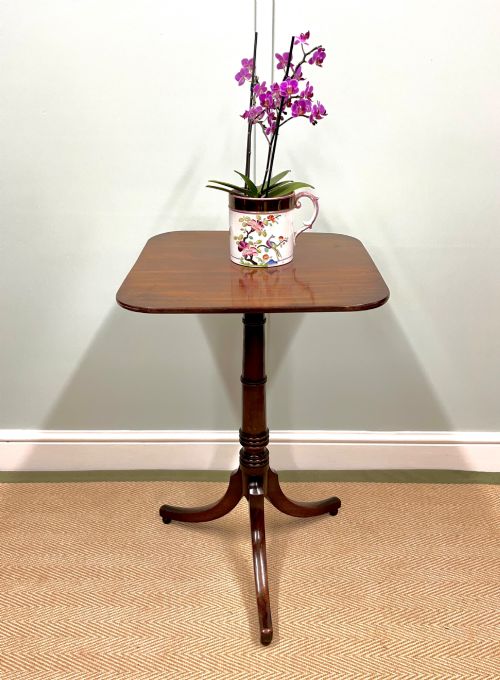
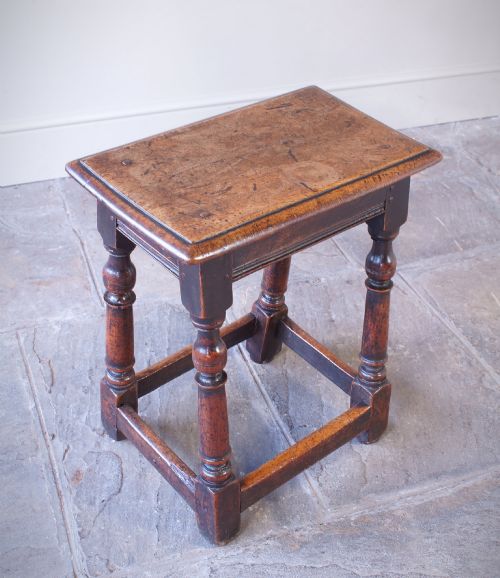

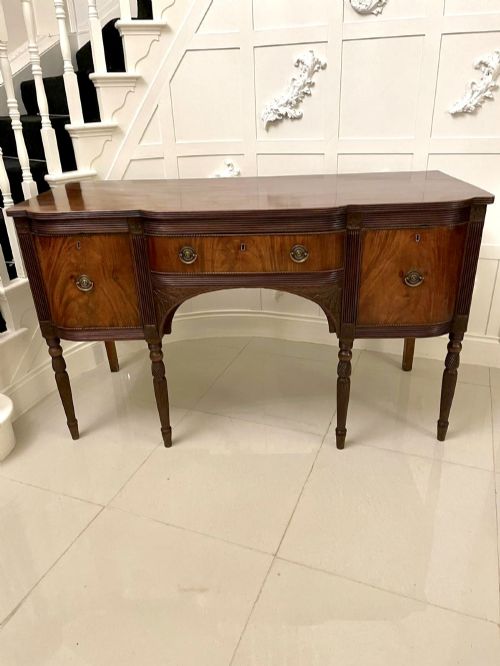
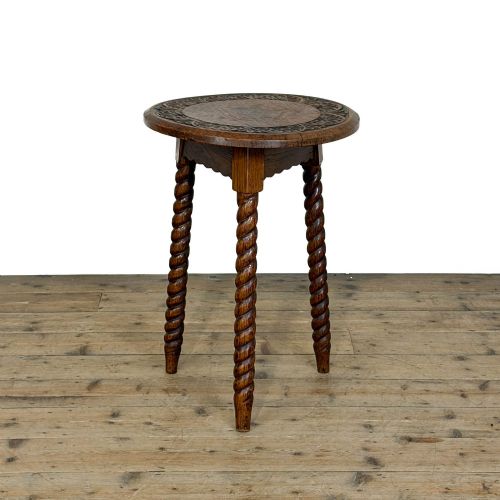
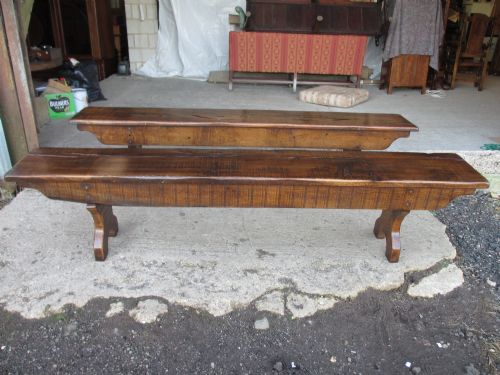
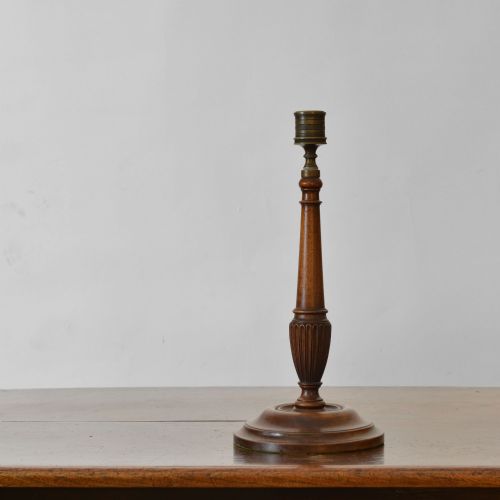
Antique Dark Timber Table
An antique dark timber table brings centuries of craft and grain into a room, offering a solid surface shaped by Georgian, Victorian or Edwardian hands.
Antique Dark Timber Table
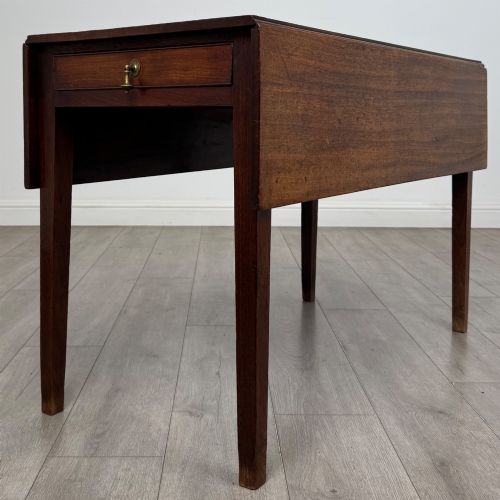
When you search for an antique dark timber table, you encounter a range of forms spanning centuries of domestic life. Dining tables, side tables, console tables, and occasional tables appear alongside heavier oak refectory and tavern pieces.
The materials span mahogany, oak, walnut, elm, and diverse hardwoods shaped across the eighteenth, nineteenth, and early twentieth centuries. Mahogany and oak dominate the offerings, appearing in forms from George III console tables to Edwardian wine tables.
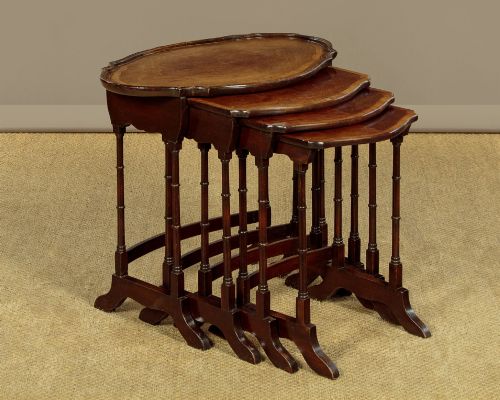
Regional variations introduce French farmhouse tables and Chinese export nesting sets alongside British forms. Buyers find everything from drop-leaf dining boards to small tripod cricket tables and primitive workbenches.
Materials and construction
Cabinet makers utilised dense timbers like mahogany, oak, and walnut, selecting boards for rich grain patterns and deep natural tones. Hardwoods such as elm and beech served for robust surfaces like farmhouse tops and workbenches.
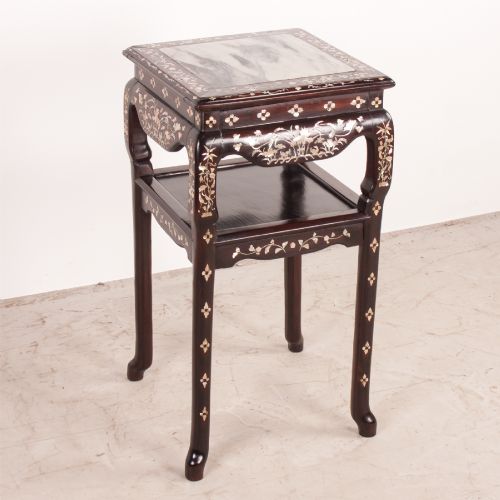
Joinery methods relied on traditional pegged joints, dovetailing, and mortise and tenon construction to sustain heavy daily use. Decorative elements included hand carving, mother of pearl inlay, and turned pedestal supports.
Listings feature eighteenth-century oak plank top tables alongside twentieth-century Art Deco pub tables and Chinese hardwood nesting sets.
Assessing quality and character
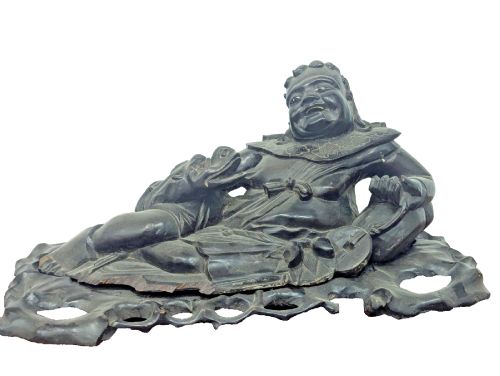
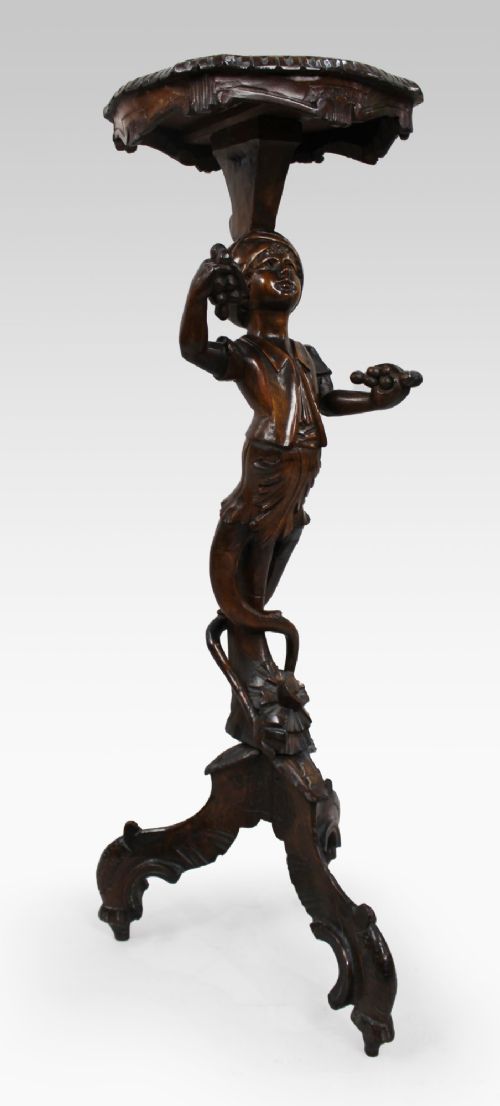
Quality rests in the selection of the timber and the crispness of any carved detail, such as the figures and foliage found on Black Forest or oak pieces. Figured mahogany and well-figured walnut display depth in the grain that lesser boards lack.
Structural integrity distinguishes everyday utility from finer parlour pieces, showing in the tightness of joints and the retention of original brass or wooden fittings. The presence of patination built up over generations signals genuine age and careful custodianship.
Trollope & Sons·Liberty of London
The Antique Dark Timber Table Glossary
- Mahogany
- A durable, reddish-brown tropical hardwood favoured for its stability and rich grain. Cabinet makers utilised it extensively for Georgian and Victorian dining and console tables.
- Refectory table
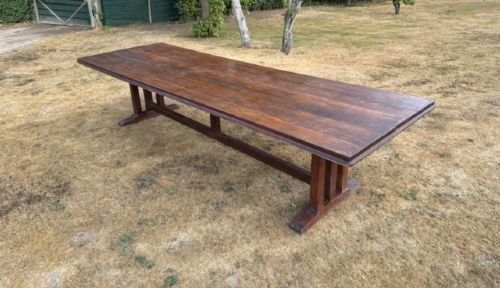
- A long, narrow dining table originally designed for monastic dining halls. These sturdy timber boards usually feature heavy trestle ends or thick legs linked by stretchers.
- Demi-lune
- A half-moon shape used for console and side tables designed to sit flush against a wall. Makers often built these in pairs to form a circular dining surface when combined.
- Drop leaf
- A table design featuring fixed central leaves with hinged flaps that drop down at the sides. This mechanism allows the furniture to save space when not in use.
- Patina
- The surface sheen and softening of colour developed by wood through age, handling, and wax polishing. It serves as a key indicator of authenticity.
Antique Dark Timber Table: Frequently Asked Questions
How do I care for antique timber?
Feed the wood occasionally with traditional beeswax to nourish the grain and maintain the surface sheen. Avoid placing timber furniture near direct heat sources or strong sunlight to prevent warping and fading.
Dust regularly with a soft, dry cloth rather than using silicone sprays. Proper humidity levels in the room keep the timbers stable over decades of daily use.
What is a cricket table?
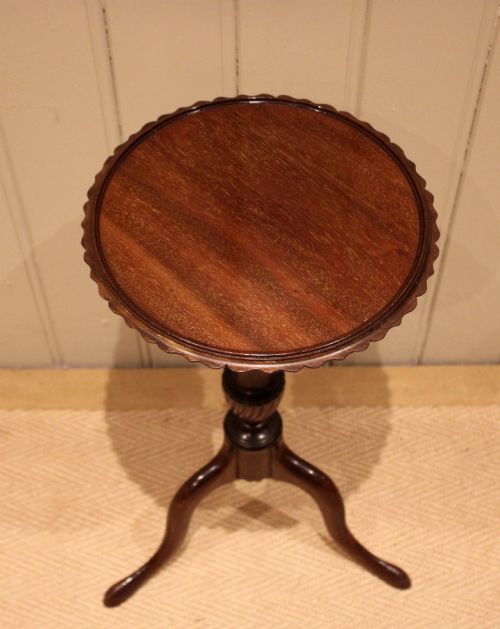
A cricket table is a small, lightweight occasional table typically supported by three legs. Their design allowed them to remain stable on uneven flagstone floors.
Originating in earlier centuries, these pieces often feature a round wooden top above a triangular framework. Their compact size makes them versatile side pieces in modern interiors.
How do I date an oak table?
Examine the underside and joints for hand-cut tool marks, pegged joinery, and timber shrinkage. Earlier pieces often display wider plank tops and simpler construction methods compared to later revival styles.
Colour and surface texture also provide clues, as older oak develops a deeper, harder grain through centuries of polishing. Hardware like handmade nails or screws helps narrow down the period of manufacture.
Can I use an antique table daily?
Most antique tables were built for rigorous domestic service and handle everyday living with ease. Using coasters, placemats, and tablecloths protects the antique finish from heat and moisture rings.
Solid timber tables accommodate normal wear gracefully, often adding to their historic character. Regular use keeps the wood conditioned through gentle handling and human contact.