

Antique Damask Seat
These antique damask seat options bring period seating upholstered in heavy patterned fabric into a room, offering functional comfort with historic character.
Antique Damask Seat
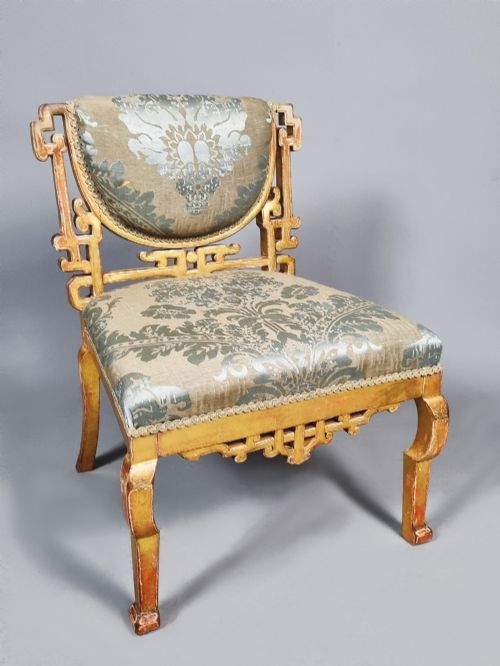
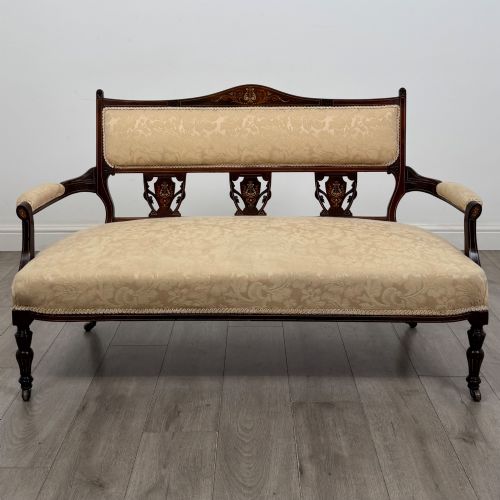
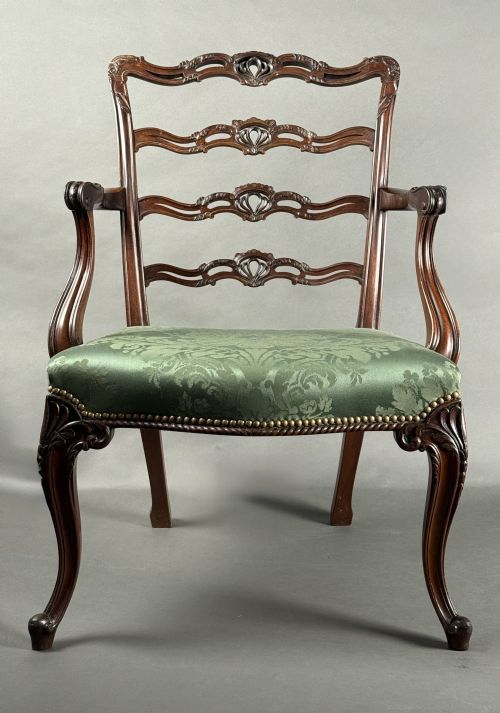
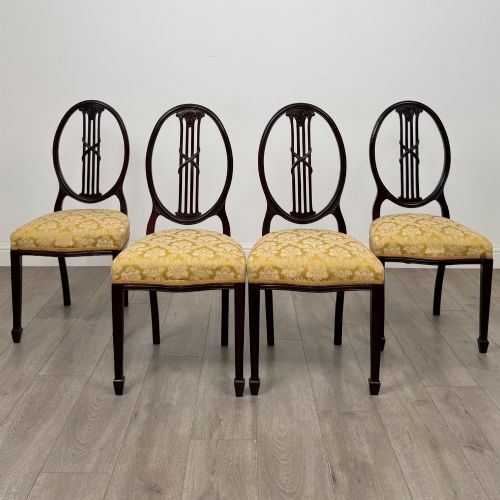
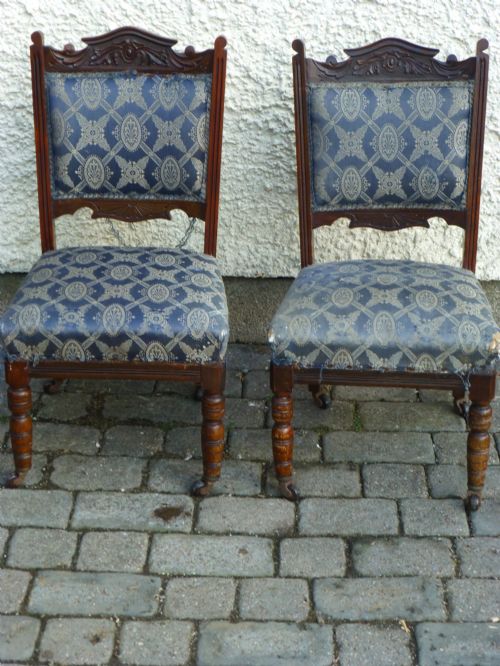
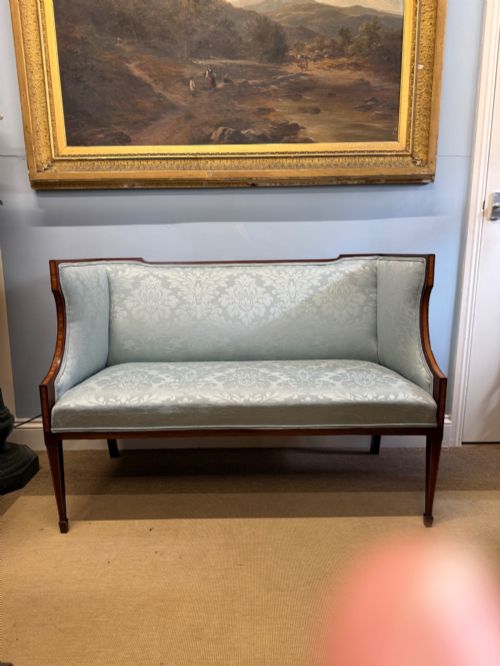
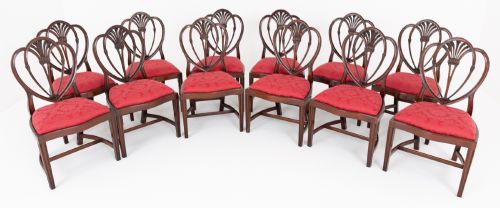
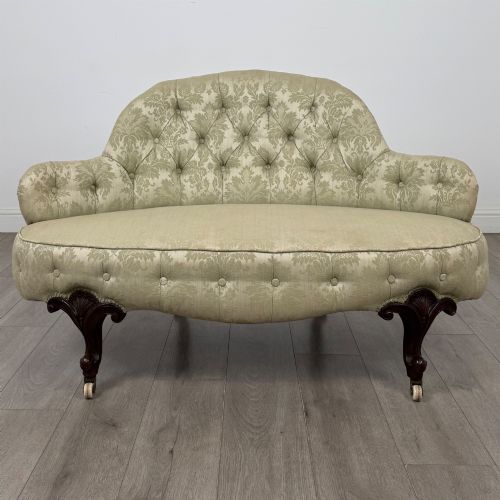
An antique damask seat covers a wide array of historical furniture designed for sitting and reclining, ranging from single dining chairs to large multi-seater sofas. The pieces originate from periods such as the eighteenth century, the Victorian era, and the Edwardian epoch, spanning formal drawing room furnishings to intimate parlour pieces.
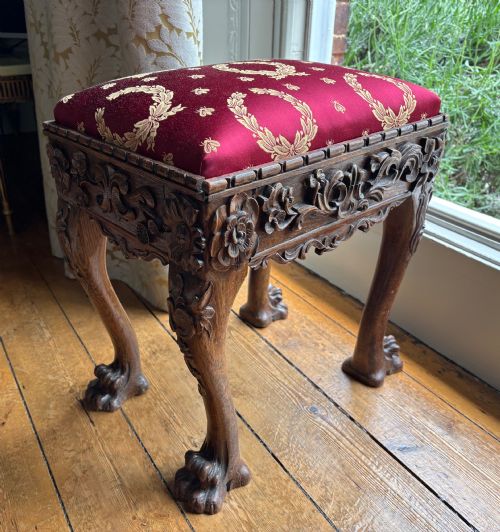
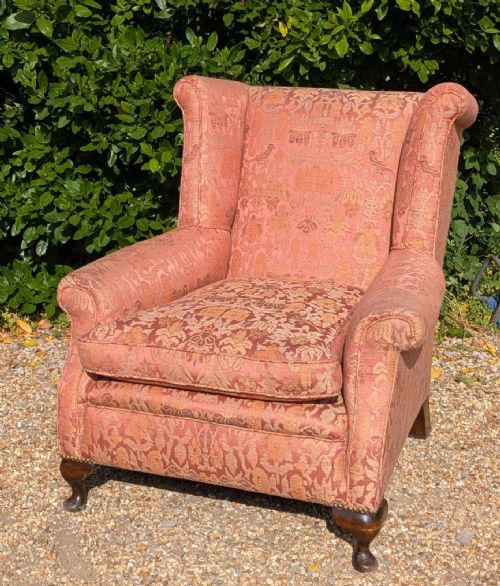
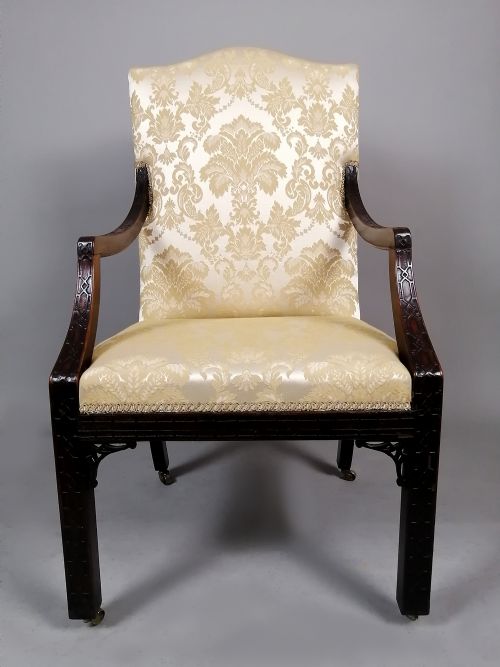
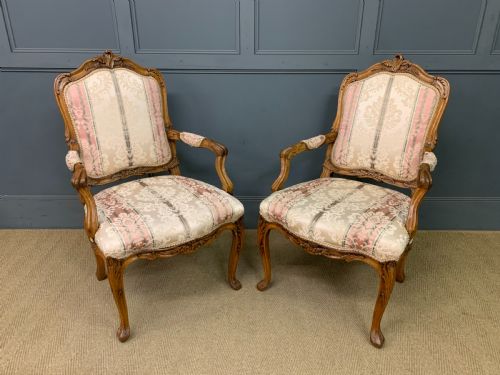
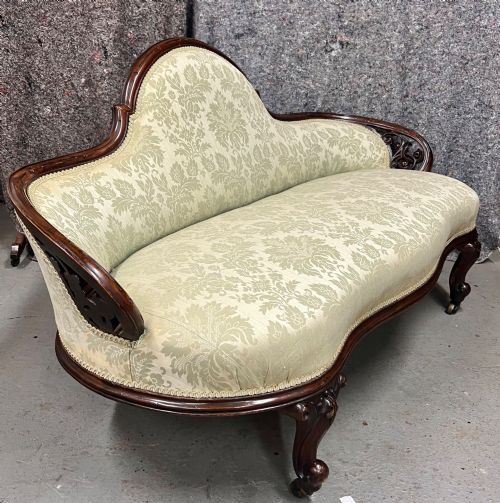
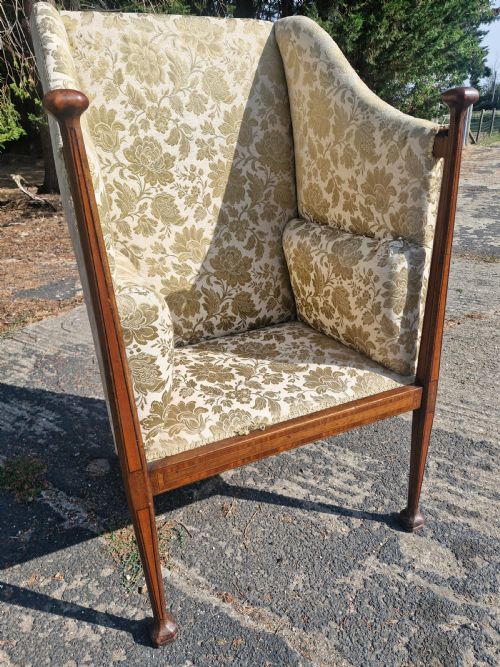
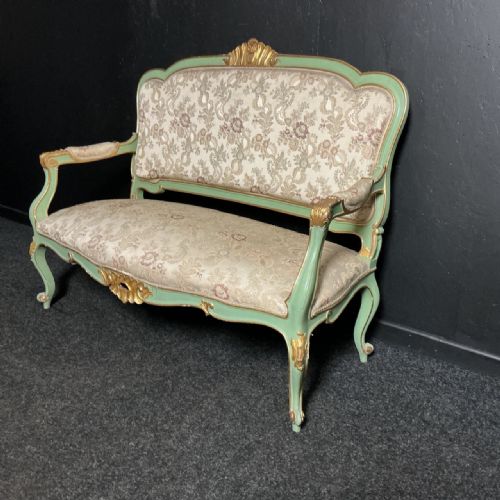
Buyers encounter numerous structural forms on this page, including armchairs, nursing chairs, wing armchairs, footstools, and extensive sets of dining chairs. Settees and couches appear alongside individual stools, often displaying distinct regional influences like Georgian framing or French Rococo styling.
The integration of damask fabric defines the category, whether applied during the original creation of the furniture or retained through later upholstery traditions. Such seating brings substantial historic presence to domestic spaces, combining robust timber frames with intricate textile surfaces.
Factors determining quality
The refinement of the woodwork dictates much of the distinction, separating standard production from exceptional cabinet work through crispness of carving and timber selection. Pieces exhibiting well-figured mahogany or walnut with harmonious proportions display superior craftsmanship.
The integrity of the frame construction and the fidelity of the upholstery styling further separate examples, where well-preserved period frames maintain structural rigidity without excessive alteration. Quality also rests in the retention of authentic design details that align with specific stylistic periods such as Chippendale or French revival movements.
The Antique Damask Seat Glossary
- Damask
- A reversible figured fabric traditionally woven on a jacquard loom with patterns formed by contrasting warp and weft threads. It provides the signature textured surface seen on these historical seats.
- Cabriole leg
- A furniture leg that curves out in a convex arc at the top and bends inward in a concave arc at the bottom, terminating in a foot. This form is common on eighteenth-century and revival seating.
- Giltwood
- Timber coated with a thin layer of gold leaf applied over a prepared gesso surface. It appears frequently on formal French-style chairs and settees.
- Settee
- A long wooden or upholstered seat with a back and arms, designed to accommodate multiple people. These items range from compact two-seater couches to expansive drawing room furniture.
- Ormolu
- Gilt bronze ornamentation mounted onto furniture frames. Makers utilised these metallic accents to embellish nineteenth-century revival and neoclassical salon pieces.
Antique Damask Seat: Frequently Asked Questions
Are these chairs comfortable for daily use?
Most historical seating provides firm support due to traditional stuffing materials like horsehair and coil springing. Certain pieces feature feather filling that offers a softer sit.
Comfort levels vary depending on the original ergonomic design of the period, as older chairs often feature shallower seats and more upright backs than modern furniture. Adding subtle support cushions can adapt them for contemporary lounging.
How do I maintain damask upholstery?
Routine maintenance involves gentle vacuuming using a soft brush attachment to remove dust settled within the woven pattern of the fabric. Immediate blotting of accidental spills prevents staining without damaging the textile fibres.
Direct sunlight exposure should be avoided to prevent the colours within the patterned weave from fading over time. Professional cleaning is recommended for deep maintenance to preserve the integrity of older textiles.
What is a nursing chair?
A nursing chair is a low-seated armchair designed in the Victorian period to allow a woman to tend to an infant comfortably. The reduced seat height facilitates closeness to the ground during childcare tasks.
These pieces typically feature upholstered backs and generous padding, making them suitable for low-profile seating in bedrooms and sitting rooms today. Their compact dimensions allow them to fit into smaller corners.