

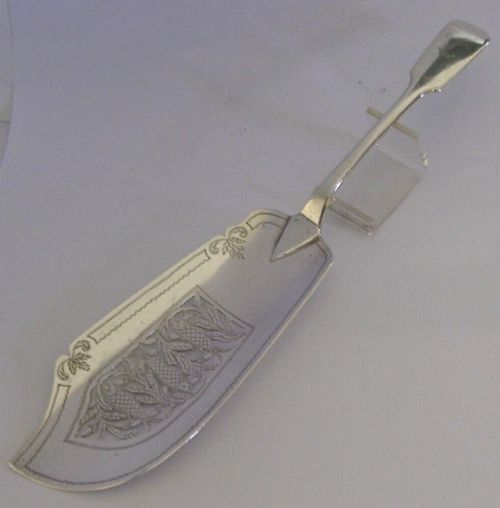
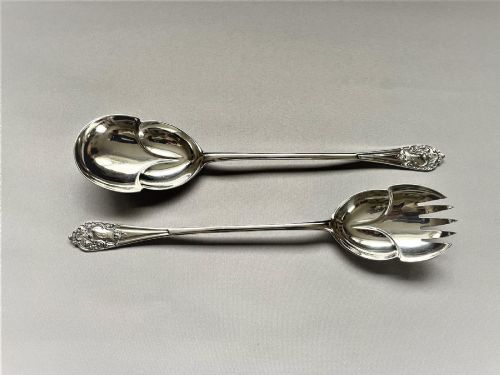
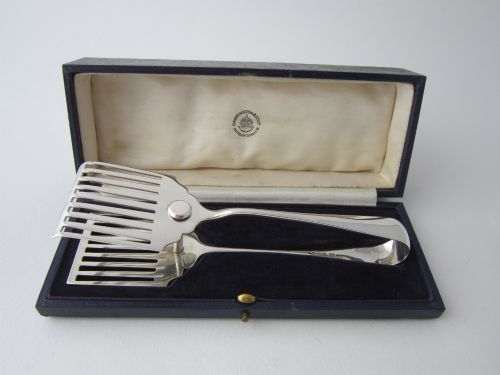
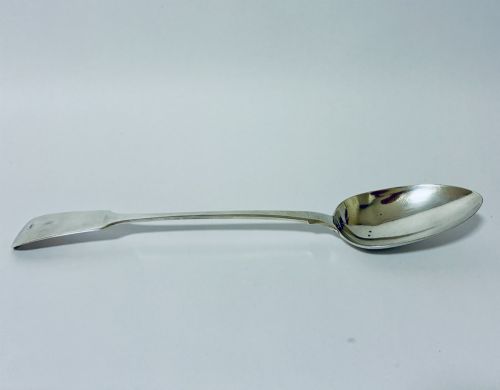
Antique Cutlery Utensil
These antique cutlery utensil pieces bring period silver and specialised dining tools to the table for daily service or display.
Antique Cutlery Utensil
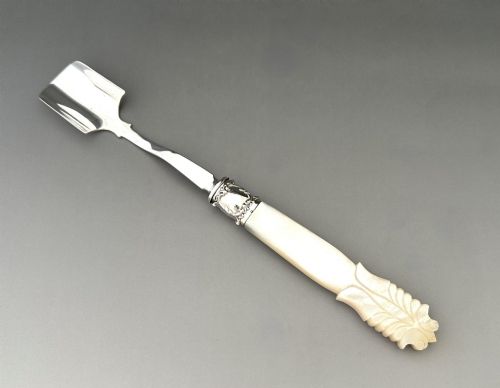
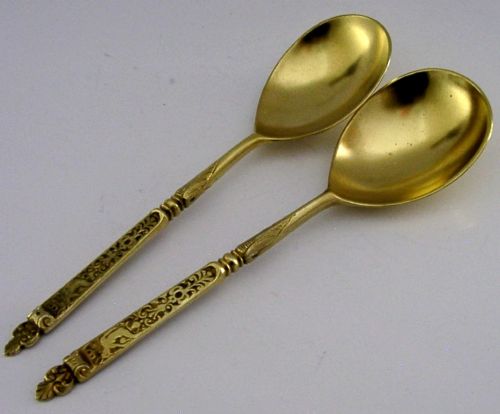
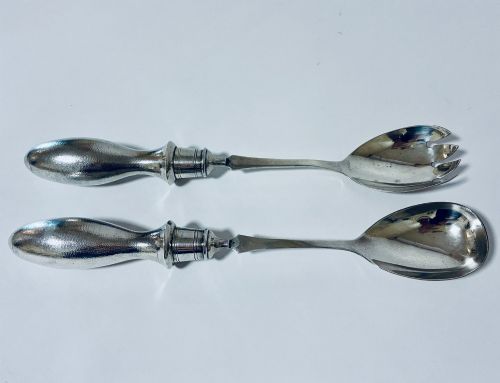
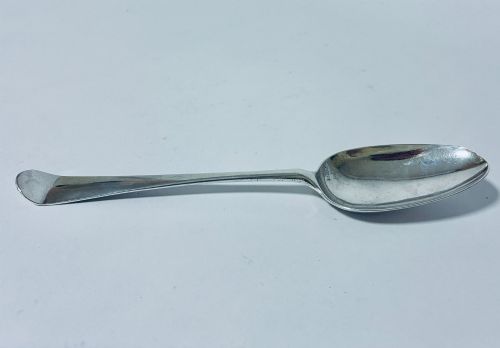
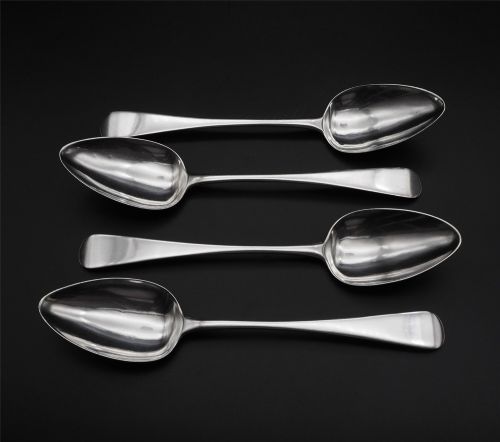
An antique cutlery utensil encompasses everything from serving spoons and fish slices to grape shears and marrow scoops. Buyers search for these items to find functional tableware with historical presence and specific dining utility.
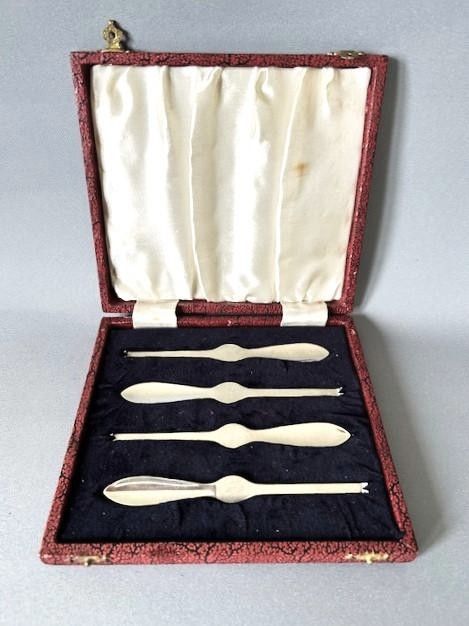
The selections on this page span the Georgian, Victorian, and Edwardian eras, alongside later pieces up to the mid-century. Sterling silver forms the core of the inventory, often accompanied by fitted boxes or specialised presentation cases.
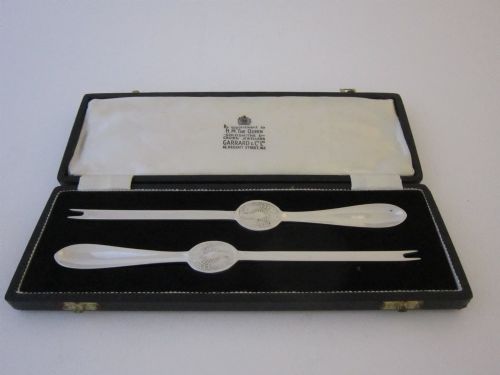
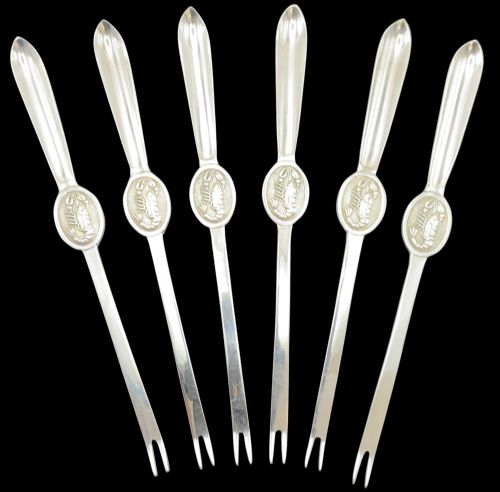
Specialised implements such as asparagus tongs, sardine servers, and lobster picks appear frequently alongside standard flatware and large serving spoons. Each object reflects the formal dining habits of its original period of manufacture.
Materials and construction
Sterling silver dominates the construction, worked into cast, pierced, and engraved forms by silversmiths operating across major British assay offices like Sheffield and Birmingham. Steel, bone, and silver-plate also appear in functional components and blades.
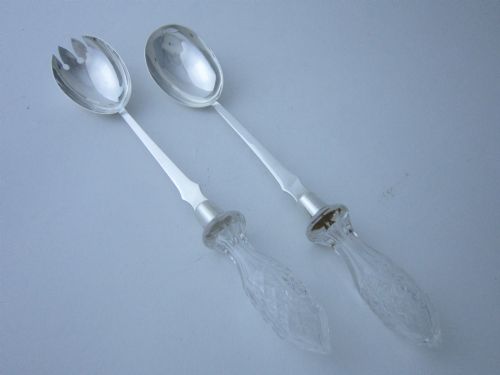
Handles introduce secondary materials including mother-of-pearl, velvet, and leather, particularly in cased sets and folding fruit forks. Glass inserts and wooden cutlery boxes supplement the metalwork, utilising traditional craftsmanship methods of the eighteenth and nineteenth centuries.
Antique Cutlery Utensil Retail Price Guide 2026
Typical asking prices for cutlery utensil among the pieces listed under this phrase on Sellingantiques today, from the lower quarter to the upper quarter. They describe what is for sale here now, not the wider market.
Some nineteenth-century diners required dedicated silver tongs just to handle asparagus without staining their lace cuffs.
Assessing quality
Quality rests on the crispness of hallmarks, the weight of the silver, and the preservation of original engraving or crests. Items retaining fitted leather or velvet-lined presentation cases demonstrate a higher degree of original care.
Makers with established reputations, such as Georg Jensen, Henry Wilkinson, or Jonathan Hayne, command attention through superior proportion, balance, and finishing. The integrity of organic handle materials like mother-of-pearl further distinguishes finer examples from standard production.
Georg Jensen·Henry Wilkinson·Garrard·Jonathan Hayne·William Devenport
The Antique Cutlery Utensil Glossary
- Fish slice
- A wide, flat blade used for serving fish dishes at the table. These often display pierced decoration and engraved aquatic motifs.
- Grape shears
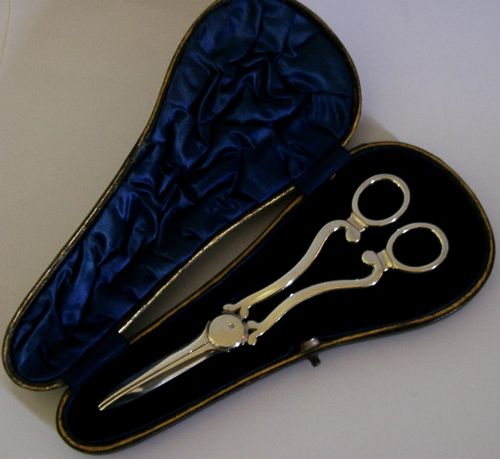
- Scissors specifically shaped for harvesting individual portions of fruit from a bunch without bruising the grapes. They typically feature ornate silver handles.
- Flatware
- The collective term for spoons, forks, and knives used for eating and serving food. In antique contexts, these often display specific regional patterns like the Fiddle or Queens pattern.
- Hallmark
- A series of official stamps applied to precious metals indicating the standard of purity, the assay office, the maker, and the year of manufacture.
Antique Cutlery Utensil: Frequently Asked Questions
What is a marrow scoop used for?
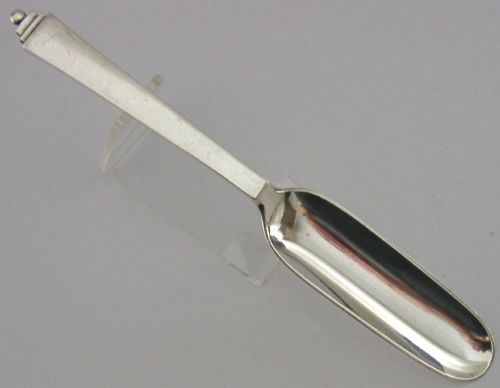
A marrow scoop serves to extract bone marrow, a delicacy popular in elite dining during the eighteenth and nineteenth centuries. The double-ended utensil provides narrow and wide troughs for reaching into different bone sizes.
Today, collectors appreciate these pieces as examples of highly specialised Georgian and Victorian silver craftsmanship that have survived in remarkably functional condition.
How do I clean antique silver utensils?
Cleaning antique silver requires a gentle approach using non-abrasive cloths and mild silver polish formulated specifically for vintage items. Avoid harsh dips that strip the natural patination built up over centuries of existence.
Store pieces in tarnish-resistant cloths or lined boxes when not in use to preserve the original surface and keep hallmarks clearly legible.
What are grape shears?
Grape shears are specialised scissors designed to cut small clusters of fruit from a larger bunch at the dining table. Their curved blades prevent the remaining fruit from being damaged during formal dessert courses.
Victorian examples frequently showcase decorative cast silver handles depicting vines or leaves, making them both functional tools and decorative objects.
How can I date my silver cutlery?
Dating silver cutlery involves locating the set of hallmarks stamped directly onto the metal. These marks typically include a date letter corresponding to a specific assay office and year of testing.
Additional clues come from the object's style, form, and any accompanying maker's marks registered by silversmiths during periods like the Georgian or Edwardian eras.