





Antique Curtain Hooks
Antique curtain hooks are decorative metal hold-backs that secure heavy drapes with period character, offering refined function for period interiors.
Antique Curtain Hooks
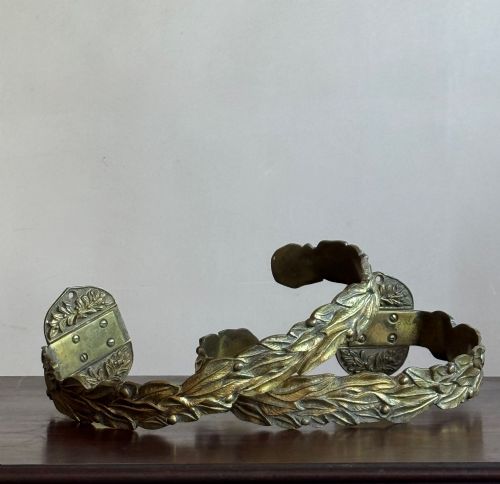
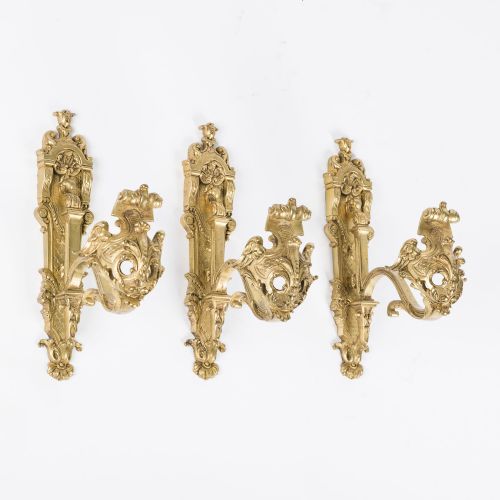
Antique curtain hooks appear in several distinct regional designs, frequently taking the form of curtain tie backs or wall hooks designed to manage heavy drapery. The selection on this page centres heavily on French and Georgian examples, showing substantial cast metal construction intended for formal drawing rooms.
Buyers encounter matched pairs and larger sets spanning the eighteenth and nineteenth centuries. The forms range from simple brass brackets to elaborate sculptural tie backs incorporating classical motifs.
Originating predominantly from French and British workshops, these pieces bridge practical window management and decorative metalwork. The forms reflect the shifting aesthetic tastes from Georgian restraint to exuberant revivalist movements.
Materials and manufacture
The primary metals utilised across these pieces include brass, ormolu, and gilt bronze, providing both structural rigidity and a receptive surface for gilding. Enamel elements appear in select eighteenth-century examples to add colour and textural contrast.
Craftsmen employed traditional casting techniques to shape the brass and bronze, followed by hand-chasing to sharpen the surface detail of foliage, figures, and architectural ornaments. Gilt surfaces were achieved through mercury gilding or applied gold leaf, creating the characteristic warm sheen found on nineteenth-century examples.
Antique Curtain Hooks Retail Price Guide 2026
Typical asking prices for curtain hooks among the pieces listed under this phrase on Sellingantiques today, from the lower quarter to the upper quarter. They describe what is for sale here now, not the wider market.
Gothic dragons lurk beside classical urns, proving that even window hardware offered Victorian craftsmen room for a spirited beast.
Assessing quality and execution
Quality rests primarily on the crispness of the cast and the depth of the subsequent hand-chasing. Superior examples display sharp undercut foliage and expressive figural details, whereas lesser pieces suffer from softened contours and minimal surface finish.
The integrity of the original gilt or ormolu surface dictates the visual impact of the hardware. Pieces retaining their rich, unpolished gilding outshine those stripped down to raw brass through aggressive cleaning over the decades.
Henri Picard
The Antique Curtain Hooks Glossary
- Ormolu
- Gilded bronze produced by applying a mercury and gold amalgam to a cast bronze object and heating it to drive off the mercury. This technique creates a durable, luminous golden finish characteristic of high-end French decorative hardware.
- Gilt brass
- Brass that has received a thin coating of gold applied by chemical or mechanical means. It offers a bright metallic lustre similar to ormolu but utilises a less costly base metal.
- Tie back
- A rigid metal bracket or hook mounted to the window jamb to hold fabric drapes away from the glass. Unlike fabric sashes, these hold-backs remain permanently fixed to the wall.
- French Rococo Revival
- A nineteenth-century design movement emulating the asymmetrical curves, C-scrolls, and naturalistic shell motifs of the mid-eighteenth century. This style dominates many of the ornate ormolu tie backs on the market.
Antique Curtain Hooks: Frequently Asked Questions
How do I mount antique curtain hooks?
These pieces generally secure directly to the wall or window frame via integrated screw threads or backplates behind the decorative head. It is wise to anchor them into solid timber or masonry given the substantial weight of cast brass and ormolu.
Ensure the mounting height aligns with the widest part of the draped fabric for a balanced aesthetic.
Are these hooks strong enough for heavy drapes?
Solid cast brass and bronze tie backs were originally engineered to support heavy velvet and damask window treatments. Their robust metal construction handles substantial drapery without bending.
Verify that the fixing screws match the weight of both the hardware and the curtains.
How do I clean gilt brass hardware?
Dust gently with a soft, dry cloth to remove surface particles. Avoid chemical polishes and abrasive cleaners, as they strip away the historic gilt layer.
Preserving the original surface finish maintains both the visual depth and the historical integrity of the piece.
How can I date an antique curtain hook?
Dating relies on stylistic clues, casting sharpness, and material composition. Georgian examples often show heavier, restrained brass casting, whereas Victorian ormolu pieces display elaborate Rococo or Gothic revival ornament.
Comparing the backplate fixings and wear patterns against known period examples helps narrow the decade of manufacture.