




Antique Curiosity Table
An antique curiosity table is a glass-topped vitrine designed to showcase small treasures, combining display with refined furniture craftsmanship.
Antique Curiosity Table
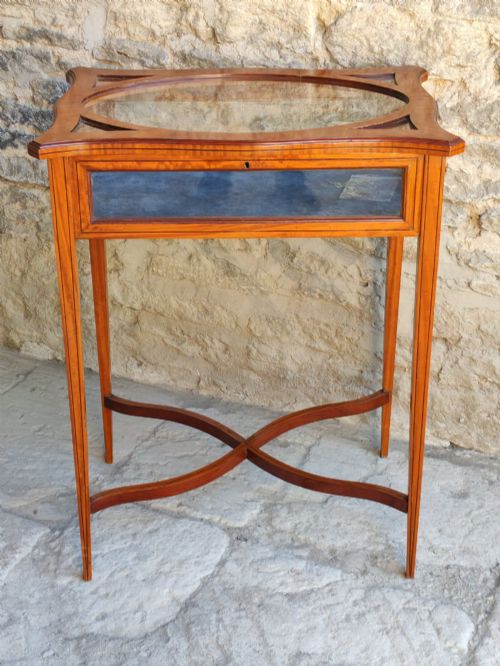
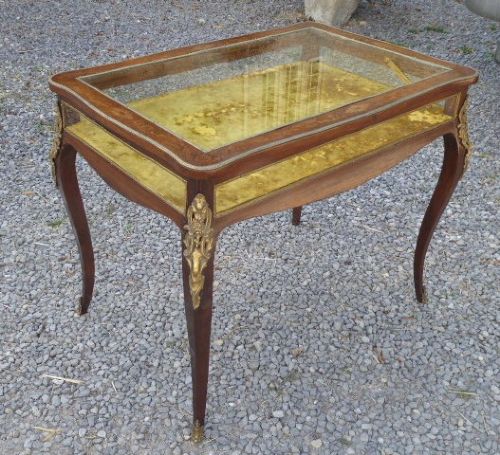
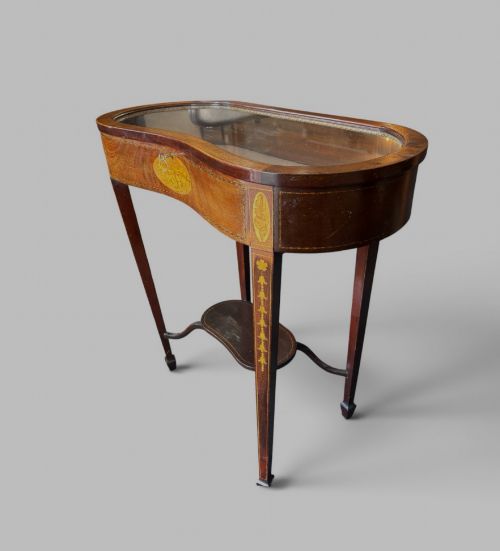
When you search for an antique curiosity table, you enter a domain of glass-topped vitrines, display tables, and bijouterie cabinets designed to showcase small treasures. These pieces span from the seventeenth century through the Victorian and Edwardian eras, encompassing varied forms like kidney-shaped display tables and octagonal bijouterie.
Makers and cabinetmakers adapted these display surfaces for drawing rooms and parlours, creating dedicated furniture to hold miniatures, medals, and natural curiosities. Each piece balances functional visibility with structural cabinet-making, allowing collectors to examine objects from every angle while keeping them secure.
Materials and construction
Cabinetmakers utilised dense hardwoods such as mahogany, walnut, and kingwood for the primary frames, often embellishing surfaces with satinwood inlay, marquetry, and fine brass mounts. Glass panels formed the hinged or lifted lids of bijouterie tables, providing unobstructed views into velvet-lined or fabric-covered interiors.
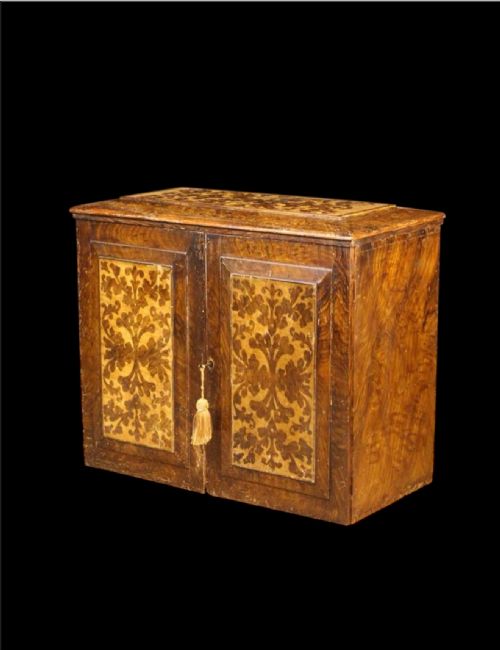
Earlier seventeenth-century examples incorporate ebony and intricate joinery in table cabinets, whilst later Victorian and Edwardian iterations rely on curved glass, serpentine shapes, and bamboo with lacquer. Silversmiths and metalworkers contributed specialised hinges, locks, and mounts that secured the glazed compartments.
Period representation spans the seventeenth century through to Edwardian and Victorian iterations.
Assessing quality in display furniture
Quality rests in the precision of the timber matching, the crispness of the marquetry, and the integration of glass within the wooden frame. Superior examples demonstrate fluid curves on kidney or serpentine shapes without compromising the structural integrity of the glazed lid.
The interior fitments, including original velvet or fabric linings and well-fitted brass hinges, distinguish finer commissions from standard production pieces. Attention to detail in the secondary timbers and the refinement of inlaid satinwood or brass stringing further separate the workshop output.
The Antique Curiosity Table Glossary
- Bijouterie table
- A glass-topped display table designed specifically for small ornaments, jewels, and curiosities. These pieces elevate objects to eye level for intimate inspection.
- Marquetry
- Decorative veneer work arranged in pictorial or geometric patterns using various coloured woods. Craftsmen applied this technique to the outer surfaces of tables and cabinets.
- Veneer
- A thin layer of superior wood applied to a base of a lesser timber to provide decorative richness. It appears extensively on satinwood and kingwood pieces.
- Serpentine
- A curved shape curving inward centrally and outward at the ends, creating a flowing contour. This outline frequently defines the edges of Edwardian display tables.
- Vitrine
- A glass cabinet or table designed for exhibition purposes. The term covers both standing display furniture and tabletop presentation units.
Antique Curiosity Table: Frequently Asked Questions
What is an antique curiosity table?
An antique curiosity table is a specialised piece of furniture featuring a glazed top or compartment intended for displaying small collectables, miniatures, and precious items. These tables evolved to serve the collecting habits of the eighteenth, nineteenth, and early twentieth centuries.
They combine the utility of a standard occasional table with the exhibition qualities of a museum case, keeping objects dust-free while remaining visible in a drawing room.
How were curiosity tables used?
Owners used these tables to arrange and display their collections of medals, shells, coins, and small trinkets for guests to admire. The glass lid allowed light to enter while protecting fragile items from handling.
In period interiors, they acted as focal points for conversation, encouraging guests to inspect the curated contents placed within the velvet-lined or fabric-covered interior.
How do I date an Edwardian display table?
Edwardian display tables often feature lighter timbers such as satinwood, mahogany with delicate inlay, and straight tapered legs. Construction techniques from this period typically show machine-sawn secondary woods alongside hand-finished details.
Comparing the style of inlay and the presence of Edwardian proportions helps separate these pieces from earlier Victorian or later revival furniture.
Can I use a bijouterie table daily?
Bijouterie tables function well for everyday display in modern homes, provided they are placed away from direct sunlight and excessive temperature fluctuations. The glass tops require careful cleaning with appropriate glass agents to avoid damaging surrounding wood.
The interior linings can house modern collections of jewellery, watches, or small artefacts just as they held historical curiosities.