
Antique Cupboard with Shelves
An antique cupboard with shelves brings practical storage and timeless timber character into a room.
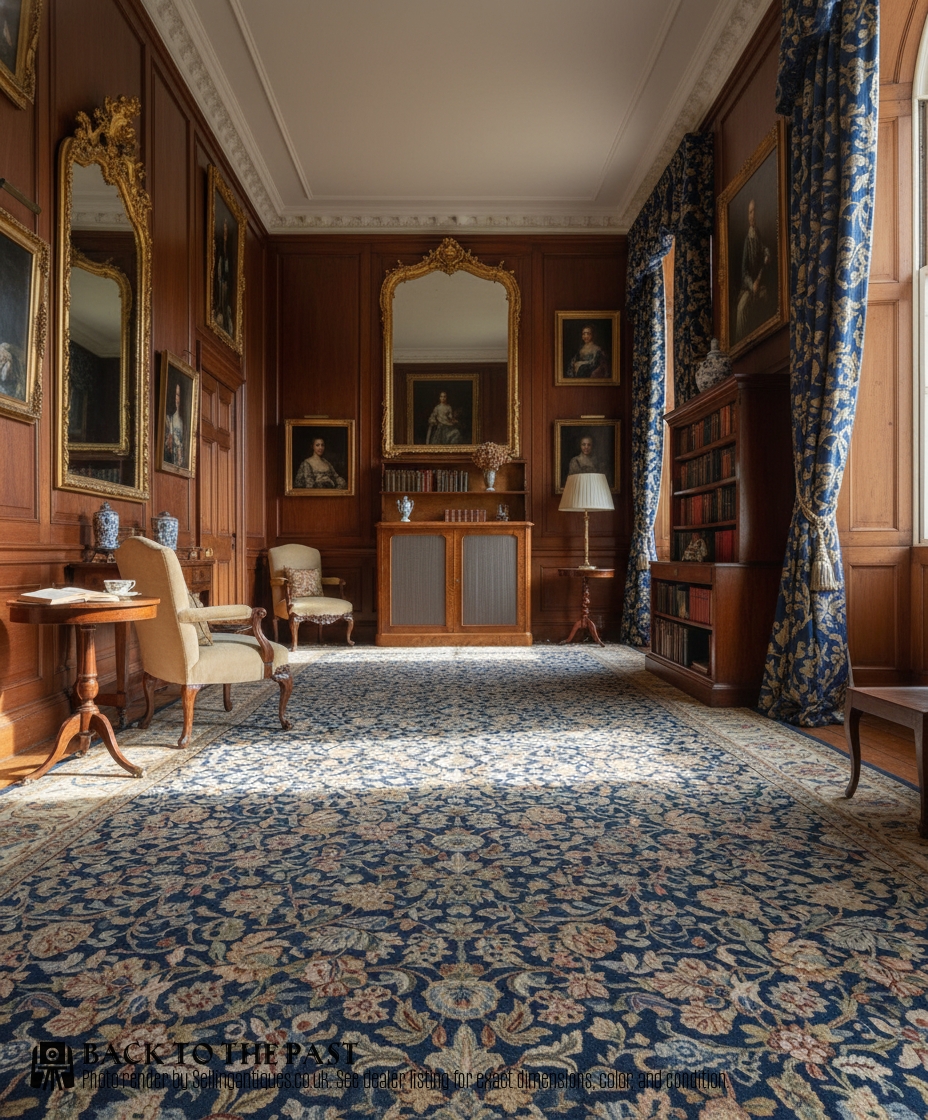
Antique Cupboard with Shelves
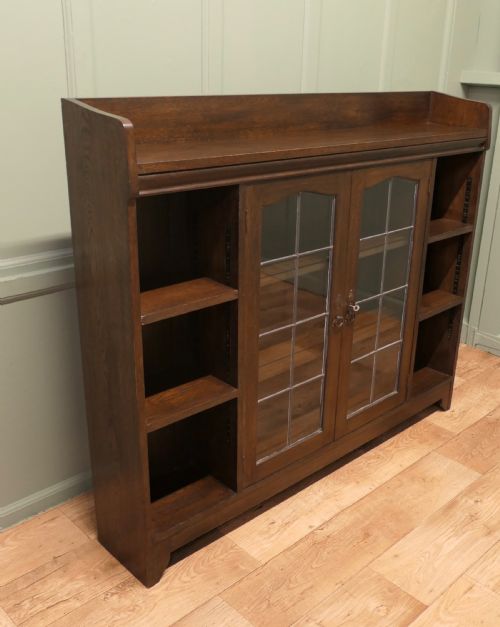
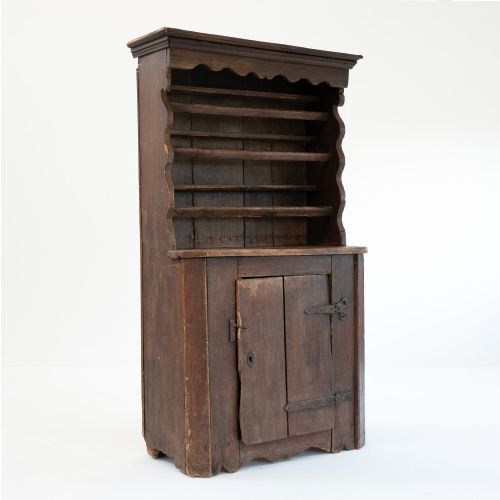
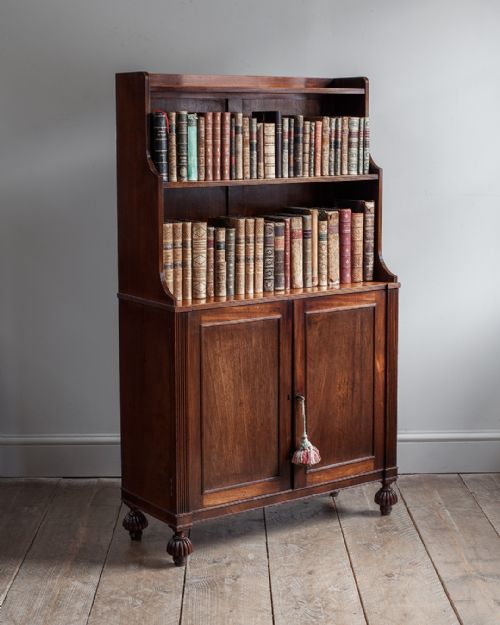
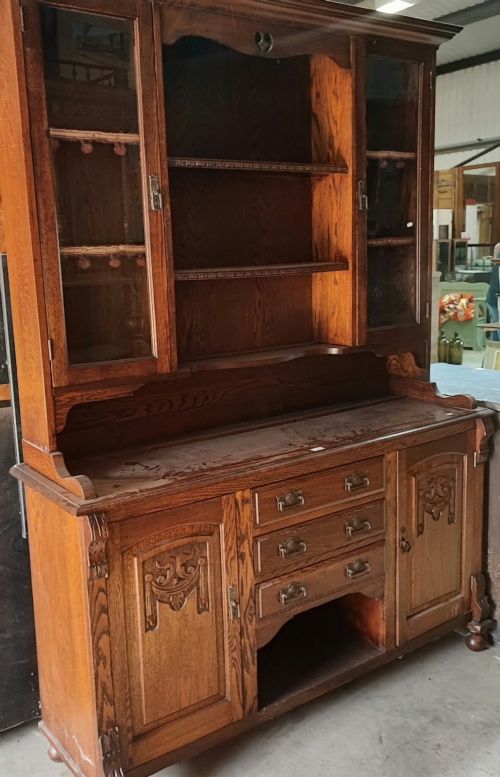
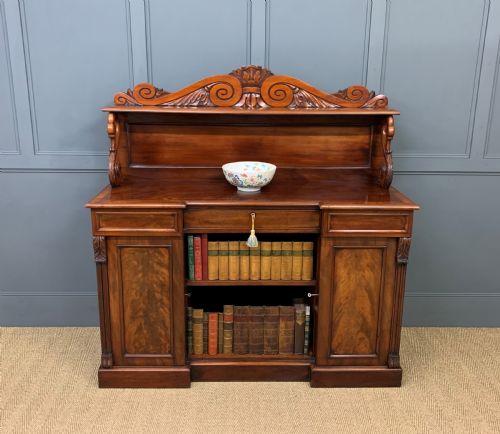
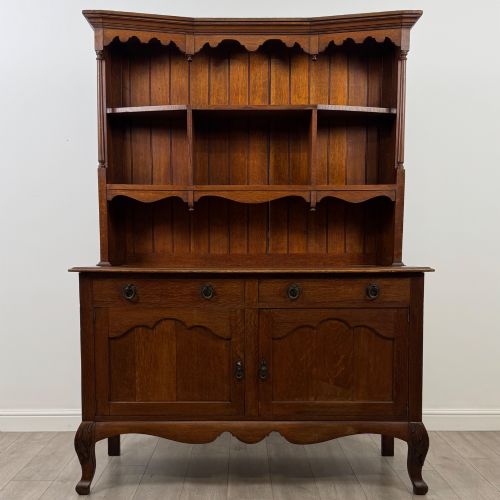
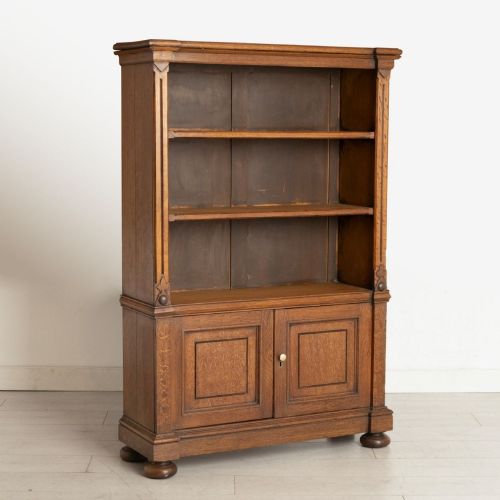
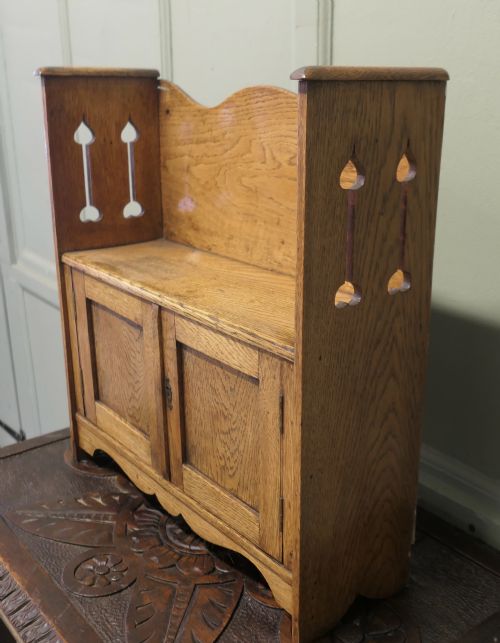
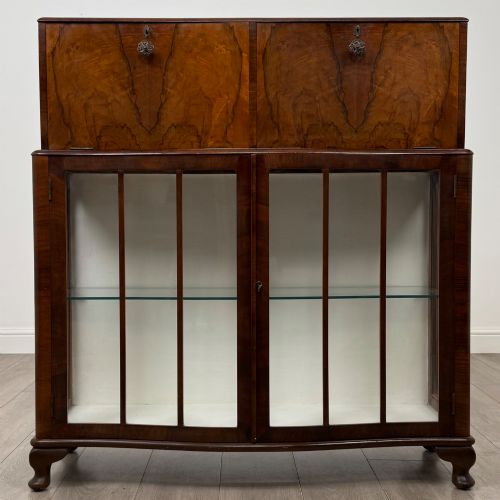
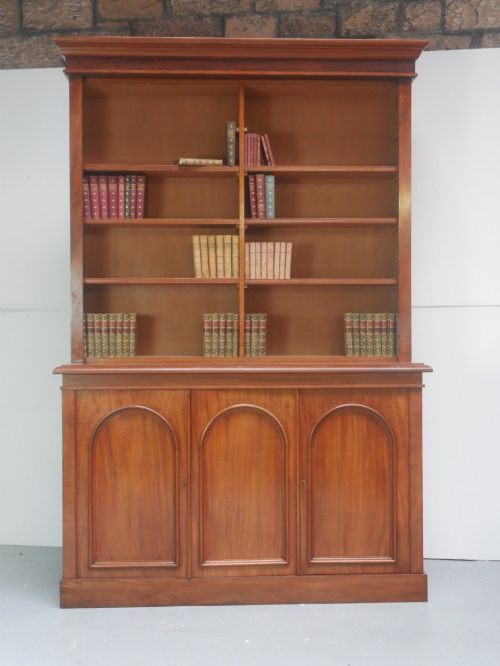
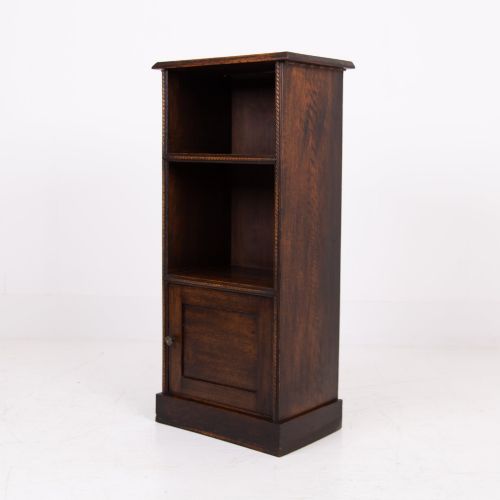
An antique cupboard with shelves combines enclosed storage with open or glazed display space, taking forms such as bookcases, chiffoniers, side cabinets, and Welsh dressers. Buyers find these utilitarian and display pieces across periods ranging from the Georgian and Regency eras through the Victorian and Edwardian decades into the 1930s.
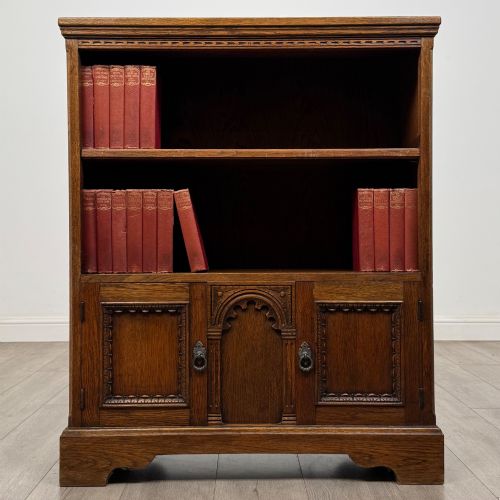
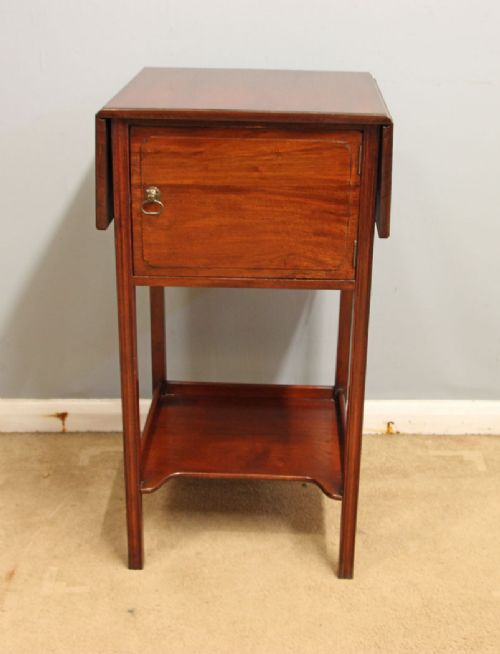
The selection on this page relies heavily on Victorian and Edwardian examples, alongside pieces from the Regency and Georgian periods. Formats vary from small bedside tables and wall shelves to large pine storage cupboards and tall bookcases with adjustable shelves.
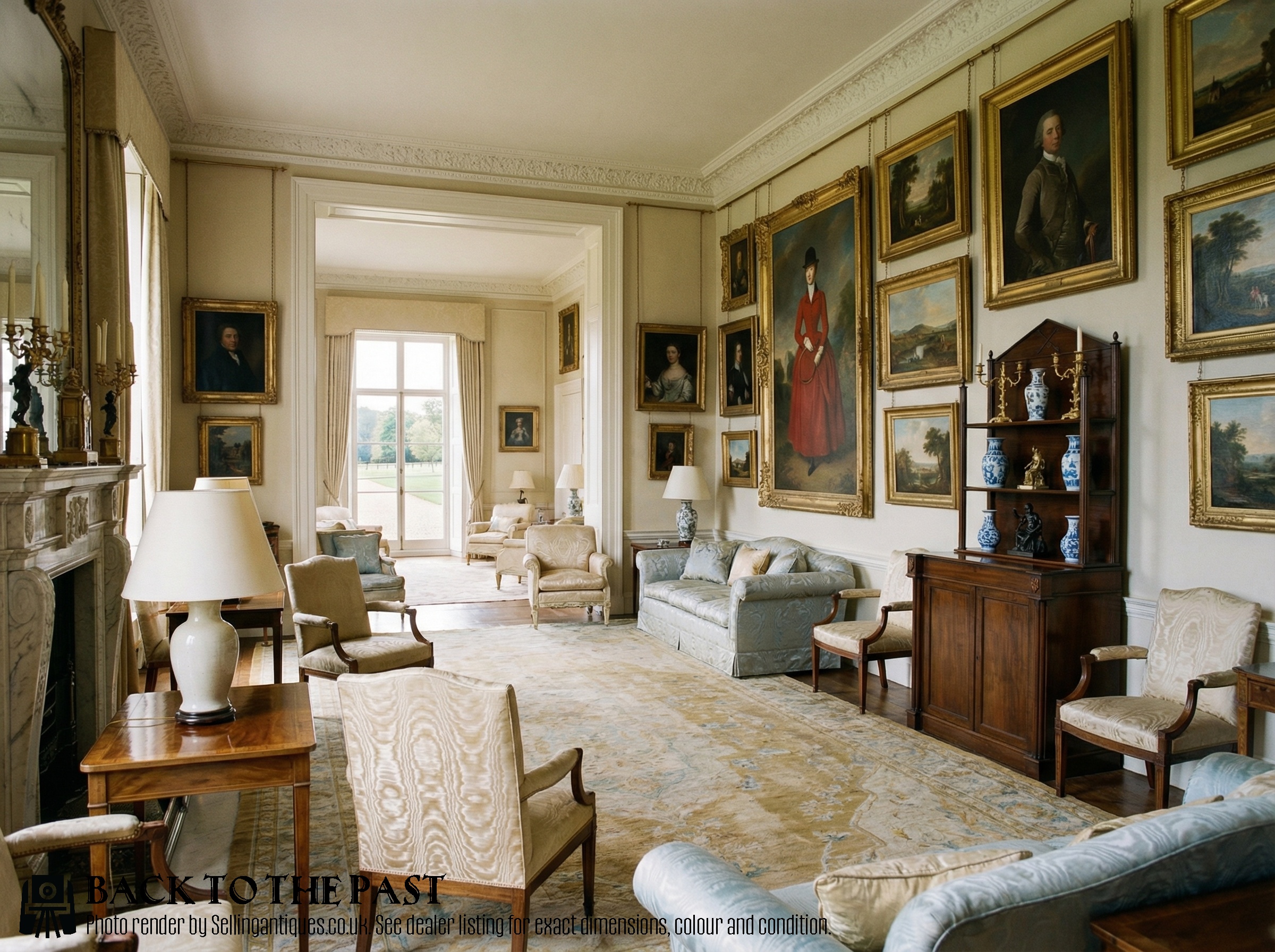
How they were made
Cabinet makers utilised dense hardwoods such as mahogany, oak, rosewood, satinwood, and walnut, alongside practical pine for painted storage furniture. Construction often incorporated brass hardware, glass panels for cabinet doors, and occasional fabric linings.
Joinery techniques supported functional adjustments, seen in the use of adjustable shelves, brass castors for mobility, and fitted interior compartments. Surfaces received finishes including wax, paint, or fine wood figuring.
Listings feature woods spanning mahogany, oak, rosewood, satinwood, walnut, and pine.
What varies in quality
Quality rests upon the selection of timber, distinguishing simple painted pine carcases from finely figured walnut, satinwood, or polished mahogany. The refinement of decorative details, such as brass inlay, carved elements, and well-proportioned architectural lines, elevates a piece.
Interior utility also dictates the standard of manufacture, separating basic fixed shelving from sophisticated adjustable shelving systems and integrated cupboards or drawers.
Gillows·Maple & Co·Heals
The Antique Cupboard with Shelves Glossary
- Chiffonier
- A low sideboard or cabinet, typically fitted with doors enclosing shelves beneath a drawer or upper shelf tier. This form gained popularity during the Regency and Victorian periods.
- Waterfall bookcase
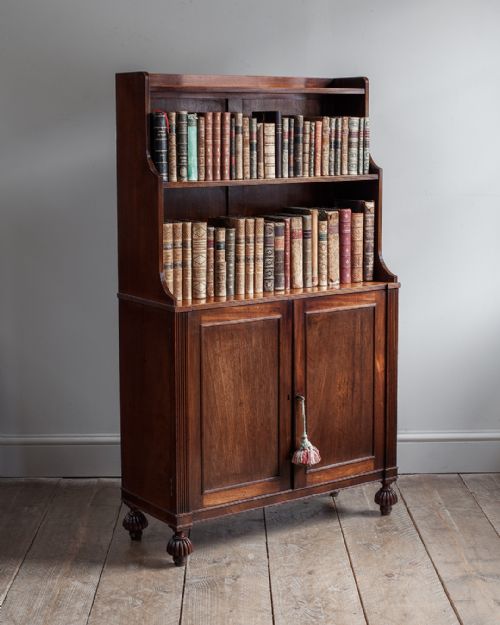
- A tall, narrow set of open shelves that steps back progressively from bottom to top, creating a cascading profile often seen in mahogany or satinwood.
- Welsh dresser
- A traditional combination of lower cupboards and drawers surmounted by open plate racks or display shelves. These pieces frequently appear in oak or pine.
- Secretaire
- A cabinet incorporating a pull-down writing flap that conceals small drawers and pigeonholes above lower shelving or cupboards.
- Tiger oak
- Quarter-sawn oak exhibiting distinct flecking and medullary ray patterns that resemble tiger stripes. Cabinet makers valued this timber for its decorative grain.
Antique Cupboard with Shelves: Frequently Asked Questions
How do I choose the right size cupboard?
Measure your available floor space and wall height carefully before browsing, keeping in mind that pieces range from compact bedside cabinets to large multi-shelf wardrobes.
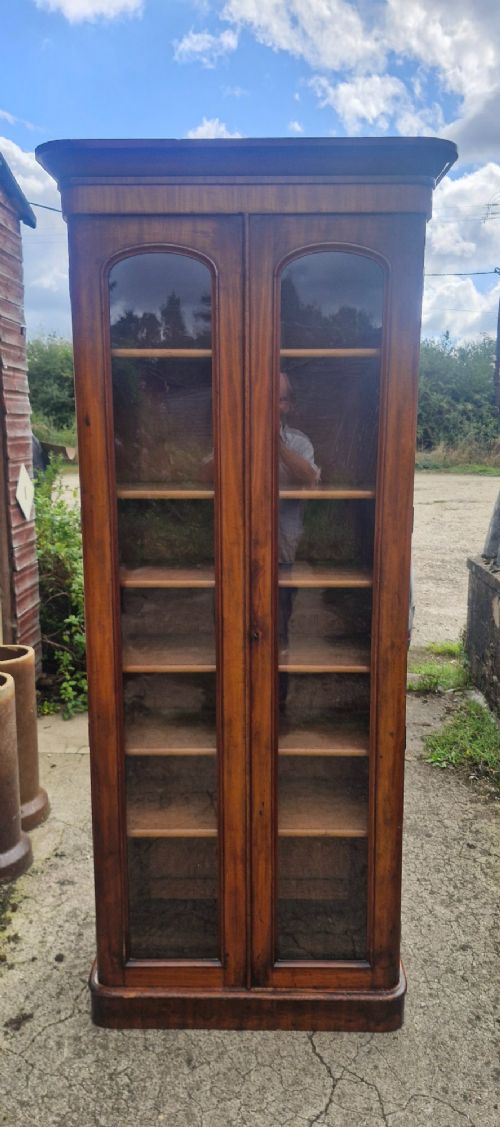
Consider whether you need a shallow waterfall bookcase for a tight corridor or a substantial glazed bookcase cabinet to anchor a larger living room.
Are the shelves usually adjustable?
Many bookcases and cabinets from the Victorian and Regency periods feature adjustable shelving supported by rack systems or wooden pegs, offering flexible storage for various book sizes.
Simpler country pine cupboards and older Georgian pieces more frequently employ fixed shelves built permanently into the carcase.
What is the difference between a chiffonier and a sideboard?
A chiffonier is traditionally a more compact variation of a sideboard, often featuring an enclosed cupboard base beneath a useful upper drawer and sometimes a tiered shelf back.
Sideboards tend to be longer proportions designed primarily for dining room service, whereas chiffoniers frequently served sitting rooms and libraries.
How do I care for antique wood surfaces?
Maintain polished hardwoods like mahogany and rosewood by dusting with a soft cloth and applying quality beeswax periodically to nourish the grain.
Keep wooden cabinets away from direct heat sources and strong sunlight to prevent the timber from drying out or fading over time.