




Antique Writing Cabinet Shelves
These antique writing cabinet shelves combine fitted writing spaces with display shelving, offering a practical workspace and storage piece for the home.
Antique Writing Cabinet Shelves
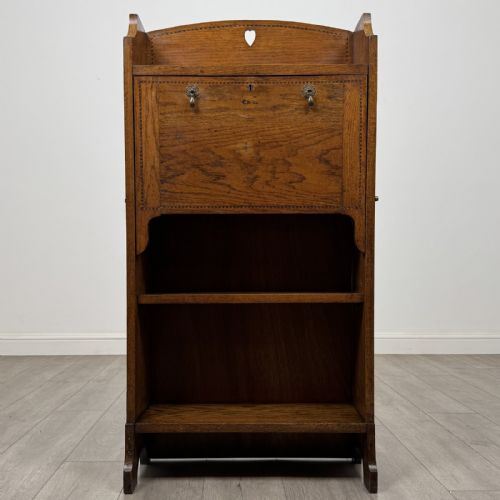
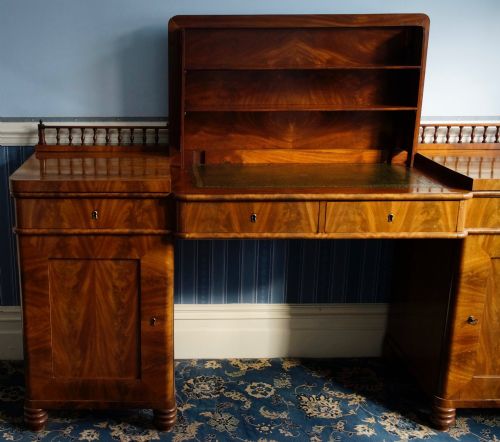
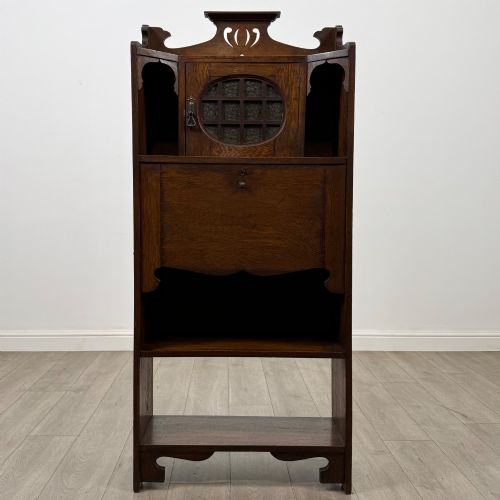
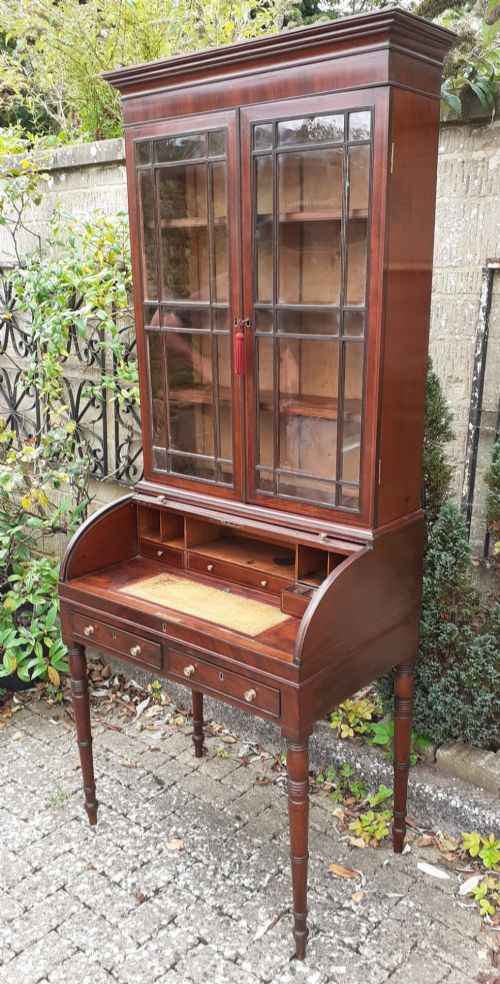
When you search for antique writing cabinet shelves, you encounter a variety of forms including bureau bookcases, writing desks, chiffoniers with shelf backs, and bureau cabinets. These pieces combine a writing surface, often with drawers or pigeonholes, alongside open or enclosed shelving for books and display.
The examples on this page span several periods, from the Georgian era through the Regency period and the 19th Century into Edwardian, 1880, 1920, and 1930 designs. You are likely to meet mahogany and oak constructions, reflecting the predominant materials used across these periods.
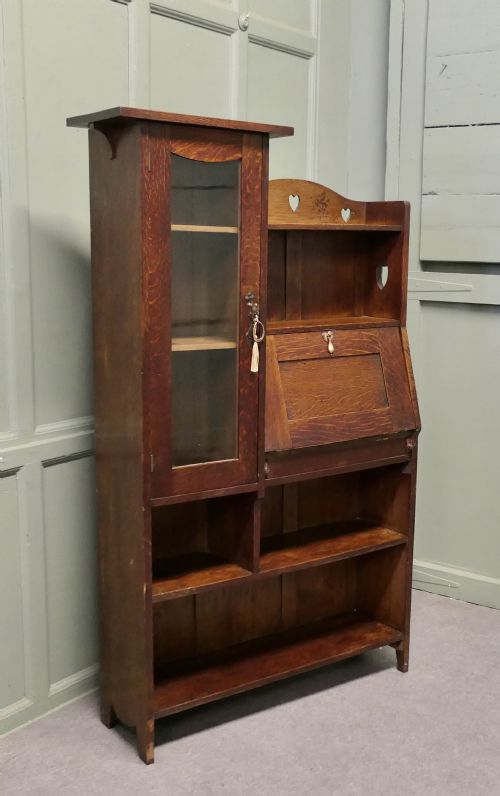
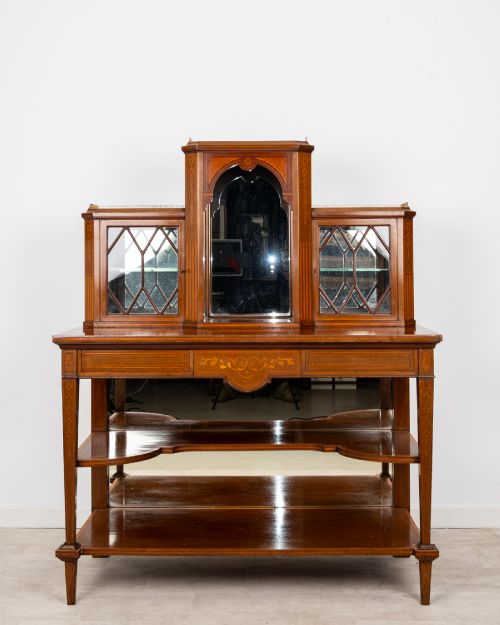
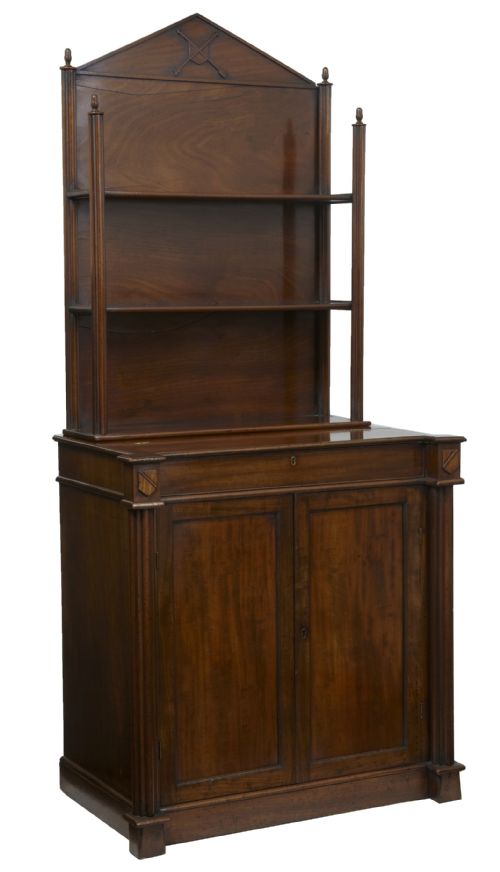
Forms range from compact student bureaux and bonheur du jour writing desks to larger bureau bookcases and chiffoniers featuring tier shelf backs and writing drawers. Each variation serves the dual purpose of surface writing and upright storage in domestic interiors.
How they were made
Cabinet makers utilised dense hardwoods such as mahogany, oak, walnut, and rosewood, often pairing them with contrasting satinwood or boxwood inlay. These woods provided the structural strength required for heavy bureau falls and tiered shelving units.
Metal and leather details appear across the pieces, with brass hardware, iron fittings, lead, and fitted leather writing inserts providing both functional utility and decorative contrast against the polished timber surfaces.
Antique Writing Cabinet Shelves Retail Price Guide 2026
Typical asking prices for writing cabinet shelves among the pieces listed under this phrase on Sellingantiques today, from the lower quarter to the upper quarter. They describe what is for sale here now, not the wider market.
Some writing drawers hide secret compartments for confidential letters, rewarding those who thoroughly check every small internal drawer.
What varies in quality
Quality in these pieces is dictated by the selection of timber figures and the precision of the cabinet work, particularly in the internal partitions of writing drawers and pigeonholes. Finer pieces demonstrate careful grain matching and refined inlay work, such as boxwood stringing.
The integration of the upper shelving tiers with the lower writing compartments distinguishes standard production items from superior examples. Structural harmony between the display shelves and the writing surface remains a key indicator of workshop standard.
Tudor and Burrey·John McLean
The Antique Writing Cabinet Shelves Glossary
- Bureau
- A desk with a sloping hinged lid that opens to reveal a fitted interior of small drawers and pigeonholes. It provides a concealed writing surface when closed.
- Chiffonier
- A low sideboard or cabinet, frequently featuring one or more tiers of display shelves on the back. Regency examples often incorporate a pull-out writing drawer within the structure.
- Bonheur du jour
- A light lady's writing desk featuring a small cabinet, drawers, or shelves on the upper surface. This form gained popularity during the Edwardian period.
- Escritoire
- A tall writing cabinet or desk containing a fall-front writing flap and internal compartments. The term denotes a refined writing place for correspondence.
- Inlay
- A technique where pieces of contrasting timber such as satinwood or boxwood are inserted into the primary wood surface to form decorative patterns.
Antique Writing Cabinet Shelves: Frequently Asked Questions
What is a bureau bookcase?
A bureau bookcase combines a sloping writing desk compartment at the base with enclosed shelving or glass-fronted bookcases above.
This dual-purpose furniture piece allowed owners to store books while maintaining a dedicated pull-down or hinged writing surface.
How do I use a chiffonier with shelves?
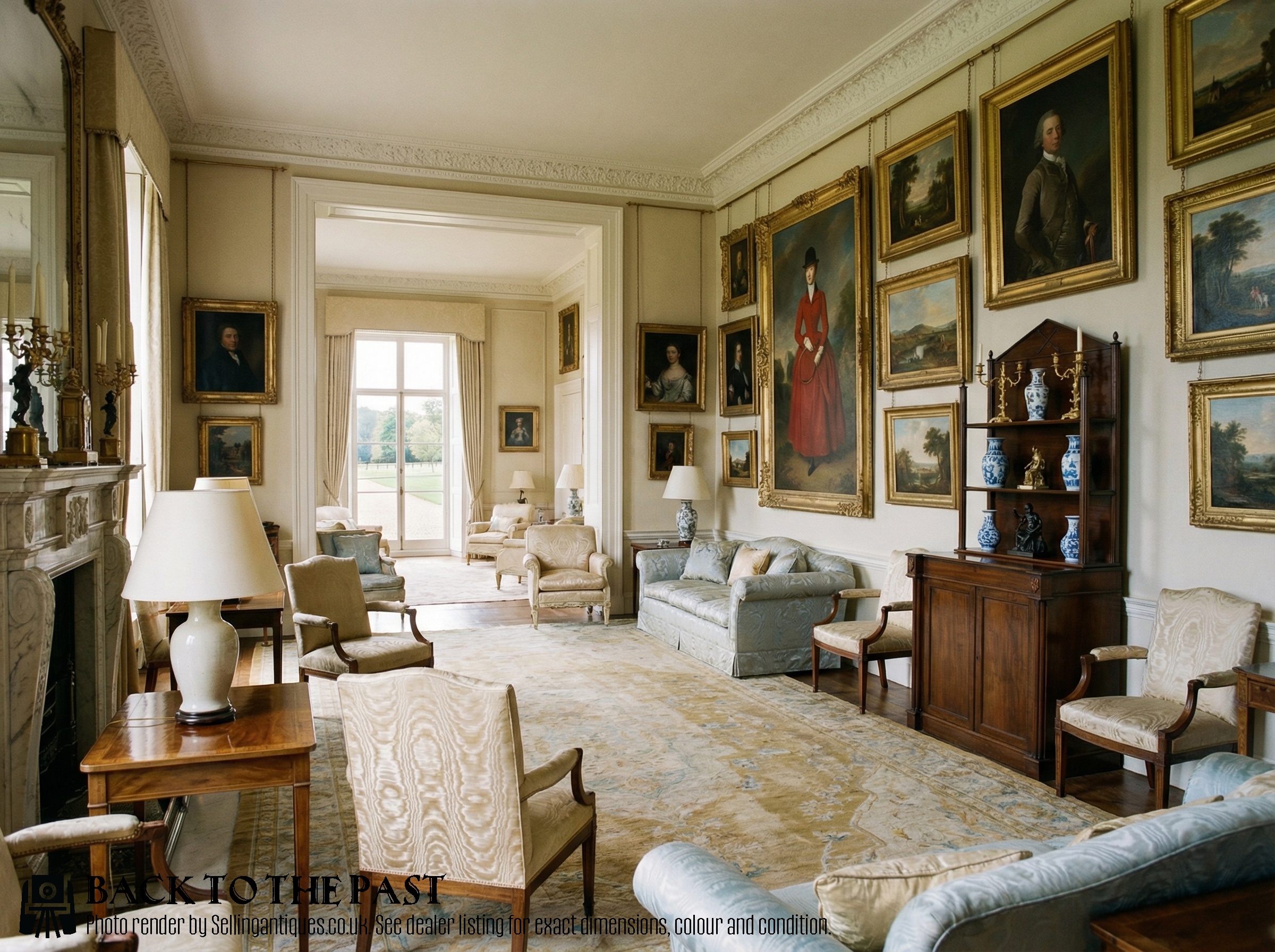
Chiffoniers featuring tier shelf backs serve well in living spaces or libraries for displaying decorative objects, ceramics, or small volumes.
The lower cabinet space and writing drawers provide concealed storage for household papers and correspondence.
What is a bonheur du jour?
A bonheur du jour is a small, light writing desk developed for writing letters, featuring superstructure shelving or a mini cabinet on top.
Its compact footprint makes it suitable for placement in reception rooms or bedrooms.
How do I date an oak students bureau?
Student bureaux in golden oak often date to the late nineteenth century, specifically around the 1880 period, reflecting Arts and Crafts design influences.
Construction details, hardware types, and simpler geometric joinery help distinguish these pieces from later twentieth-century reproductions.