
Antique Cupboard with Doors
An antique cupboard with doors offers practical storage while anchoring a room with period timber and traditional craftsmanship.
Antique Cupboard with Doors
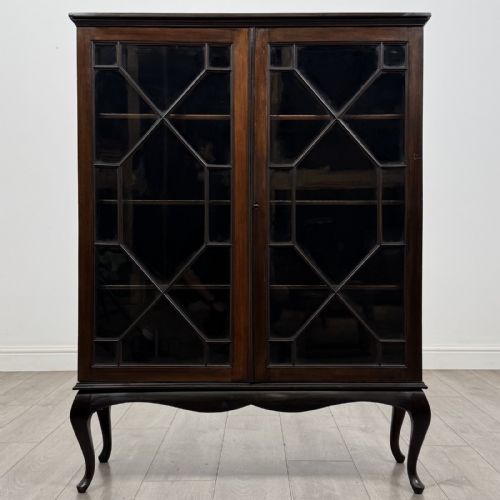
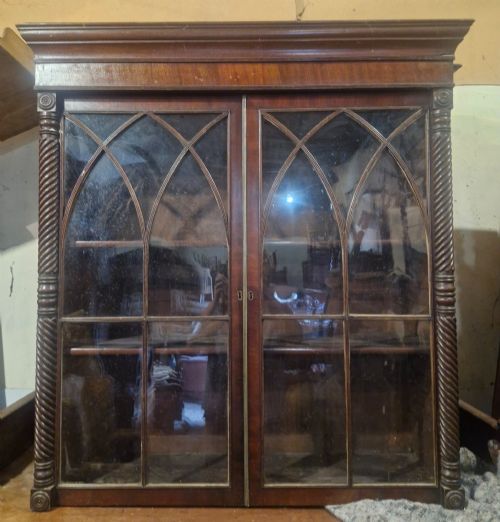
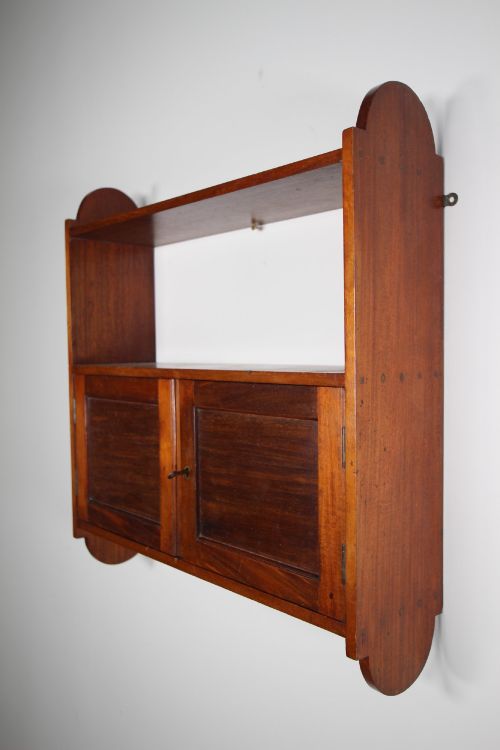
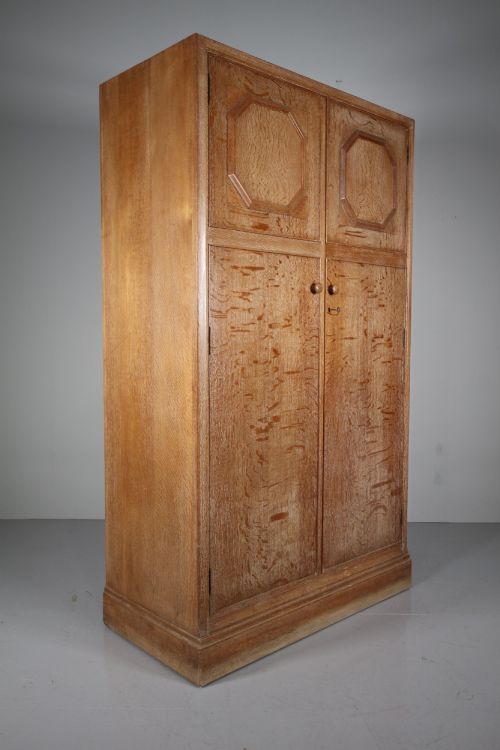
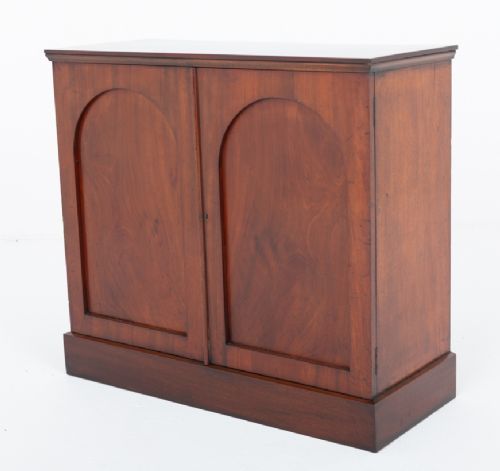
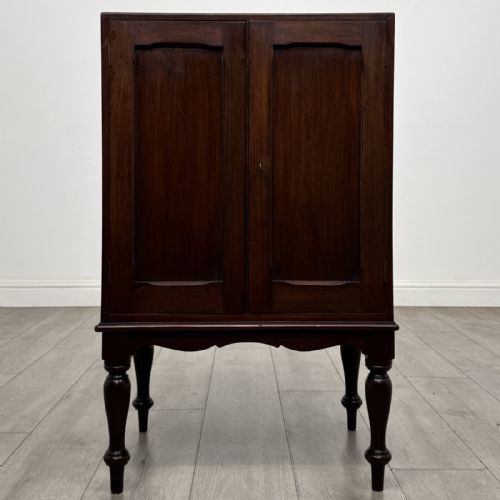
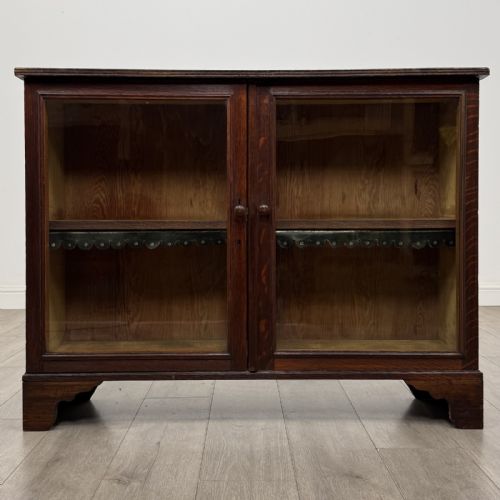
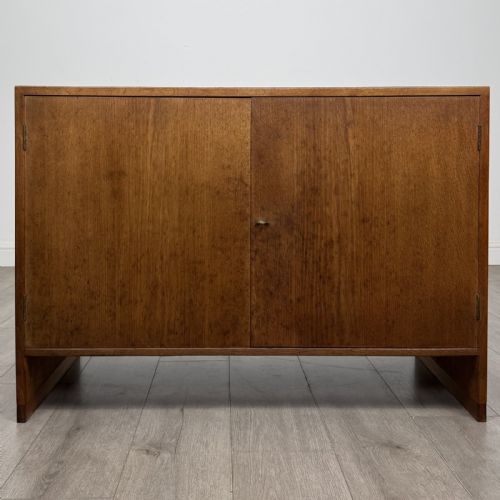
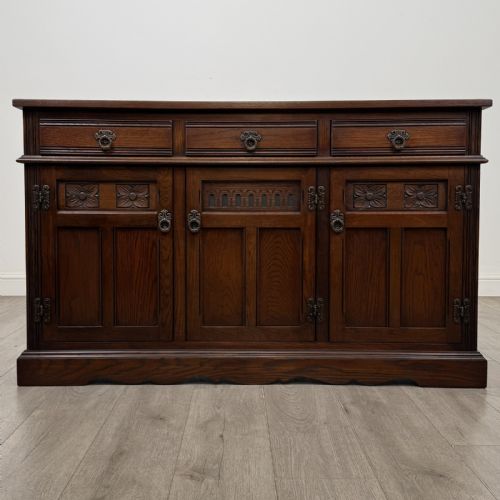
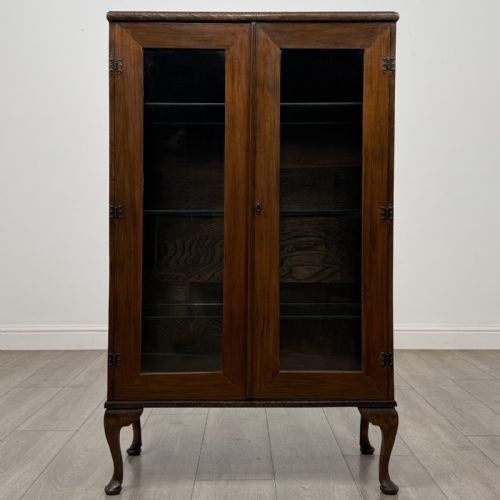
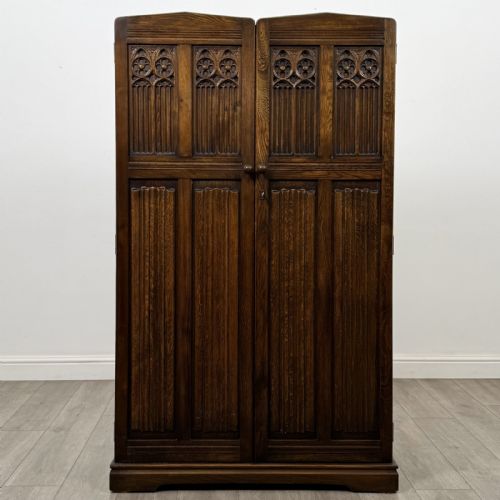
When you search for an antique cupboard with doors, you encounter a diverse selection of storage furniture spanning several centuries and distinct regional styles. The pieces on this page range from modest bedside nightstands and corner cupboards to large pine wardrobes, bookcases with glazed panels, and display cabinets.
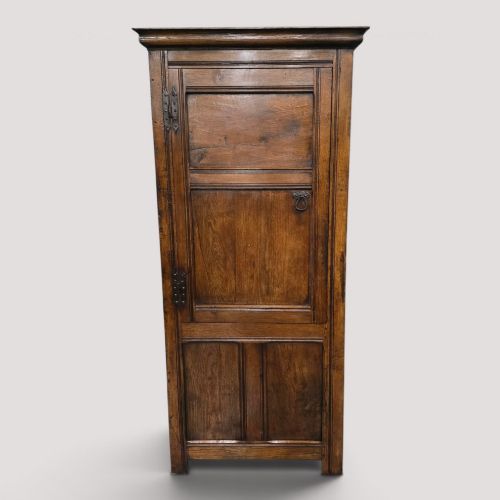
Victorian and Edwardian examples dominate the selection, alongside items from the Georgian period, the nineteenth century, and the early twentieth century up to the 1930s. You will frequently meet utilitarian pine pieces alongside more formal reception room furniture in mahogany, walnut, and oak.
Form follows function across these listings, dividing pieces into specific categories such as compactum wardrobes, chiffoniers, bookcase cabinets, and bedside tables. Each type provides enclosed shelving or hanging space behind timber, glass, or mirrored doors.
Materials and construction methods
Cabinet makers relied heavily on domestic and imported hardwoods such as mahogany, oak, and walnut for formal furniture, whilst employing pine for kitchen cabinets, dressers, and utility wardrobes. Surface decoration often involved marquetry inlay, satinwood banding, ebonising, or painted finishes like scumble glaze and Chinoiserie lacquer.
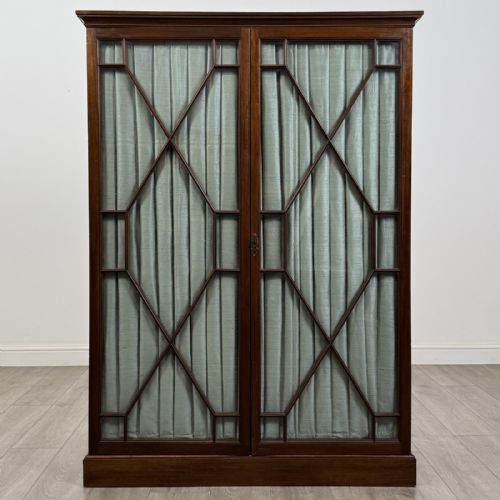
Structural integrity relied on traditional joinery techniques, with doors hung on brass hinges and secured using original brass or iron locks and keys. Glazed display sections utilised wooden glazing bars to hold individual panes of glass, while larger wardrobes frequently utilised knockdown construction for ease of transport.
Some nineteenth-century pine wardrobes arrived with knockdown frames so they could be dismantled and squeezed up narrow staircases.
Understanding quality and execution
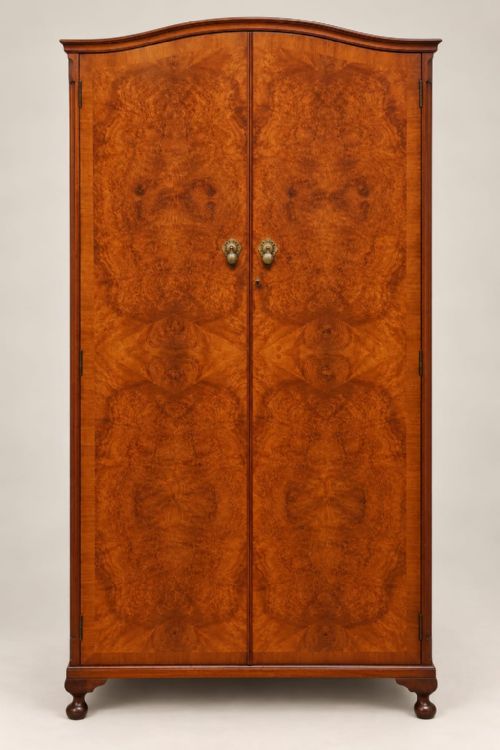
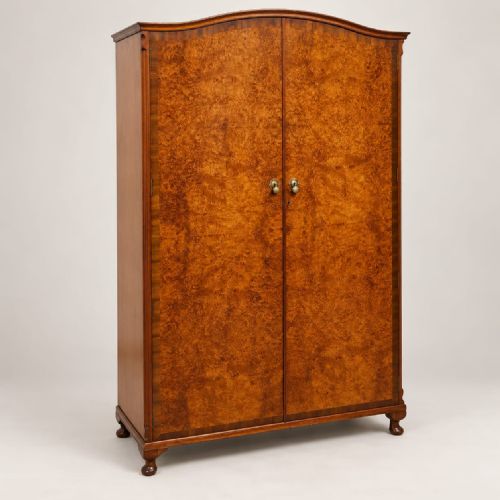
The distinction between standard utility furniture and superior examples lies in the selection of timber figures, such as figured mahogany or burl walnut, and the precision of the cabinet work. Higher-end pieces feature finely executed details like carved mouldings, intricate marquetry, and matching grain patterns across the doors.
Originality heavily influences desirability, rewarding pieces that retain their glass, backboards, brass hardware, and surface finishes without extensive modern replacement. Proportion and balance further separate standard workshop output from exceptional commissions.
Harris Lebus
The Antique Cupboard with Doors Glossary
- Compactum
- A large wardrobe combining hanging space, shelving, and internal drawers within a single carcass. These multi-functional pieces became popular during the Victorian and Edwardian periods.
- Chiffonier
- A low sideboard or cabinet featuring a set of enclosed cupboards beneath a surface, often topped with a small shelf or mirror back. They emerged during the Regency and Victorian eras for dining and living rooms.
- Marquetry
- The art of applying fitted pieces of wood veneer to a structure to form decorative patterns and pictorial scenes. Craftsmen utilised contrasting timbers to create depth and colour.
- Scumble paint
- A decorative surface technique where a translucent top layer of paint is manipulated with combs or rags to imitate the grain of finer woods like oak. This finish was commonly applied to utilitarian pine furniture.
- Glazed door
- A door framework fitted with glass panes to display contents such as books or china while protecting them from dust.
Antique Cupboard with Doors: Frequently Asked Questions
What is a compactum wardrobe?
A compactum wardrobe is a large storage unit that integrates hanging space, shelving, and internal drawers into one piece of furniture.
These versatile cupboards were designed to maximise storage efficiency in bedrooms during the late nineteenth and early twentieth centuries.
How do I care for antique pine?
Antique pine requires regular dusting with a dry cloth and occasional treatment with natural beeswax to nourish the wood and maintain its lustre.
Avoid placing pine cupboards in direct sunlight or near heat sources to prevent the timber from drying out and warping.
Are the glass doors original?
Original glass panes in antique cabinets often display minor imperfections, slight waviness, and small air bubbles formed during early manufacturing processes.
Inspecting the putty or wooden glazing bars can also help determine if the glass has been replaced at a later date.
Where were corner cupboards used?
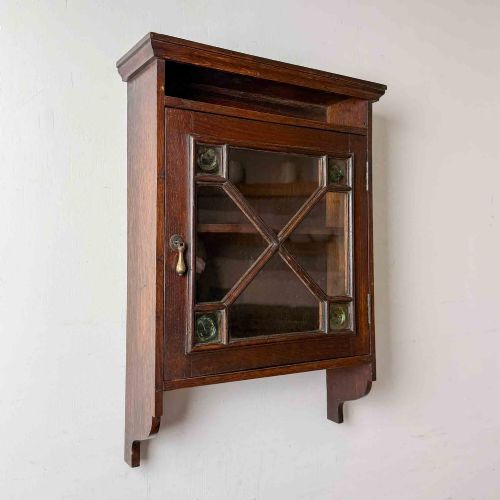
Corner cupboards were designed to fit neatly into the unused angles of dining rooms, parlours, and hallways.
They served primarily to display porcelain and glassware or to store dining room provisions out of sight.