
Antique Cupboard Base
An antique cupboard base provides solid storage and surface space, bringing practical utility and traditional character to a room.
Antique Cupboard Base
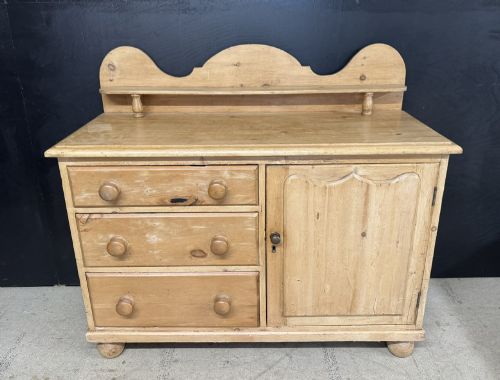
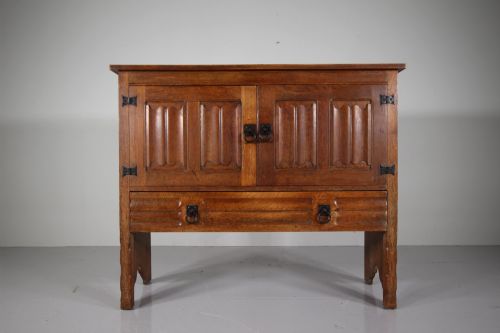
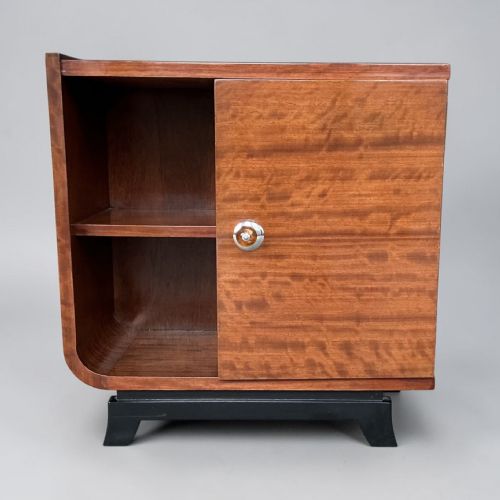
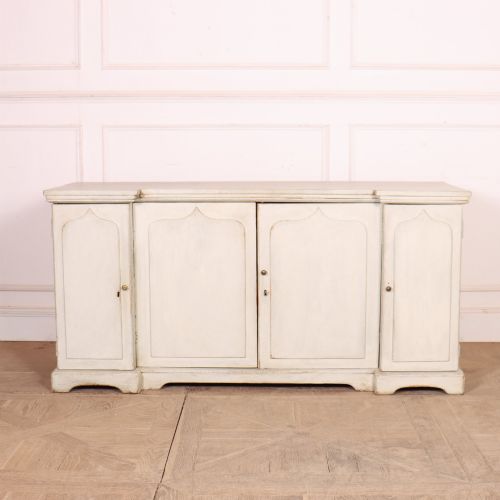
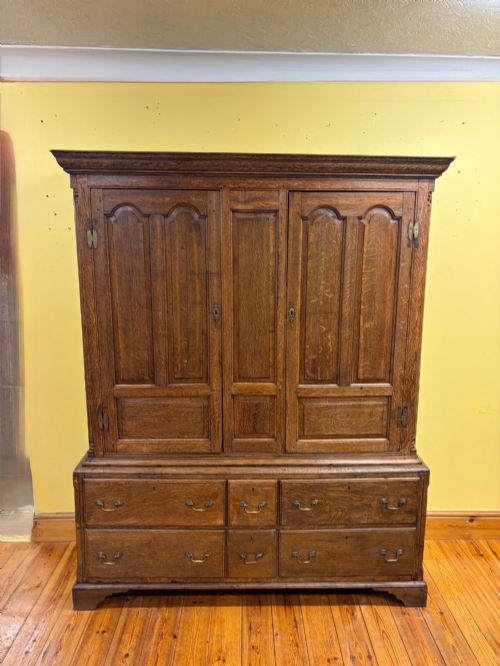
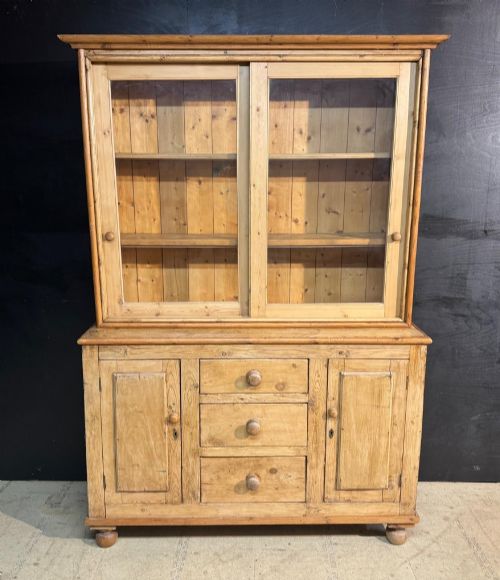
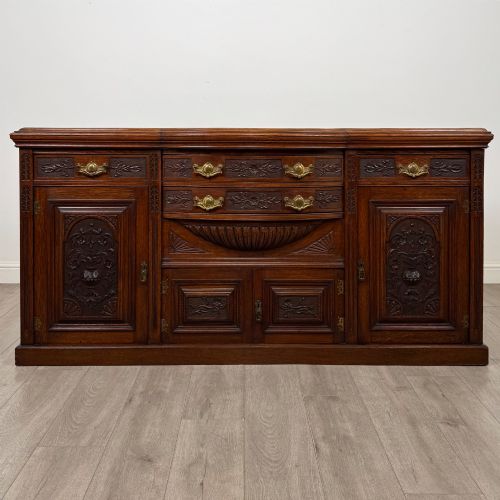
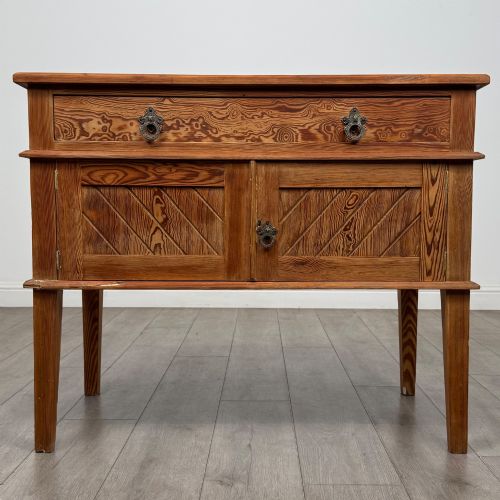
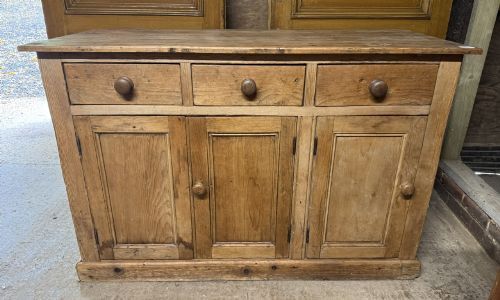
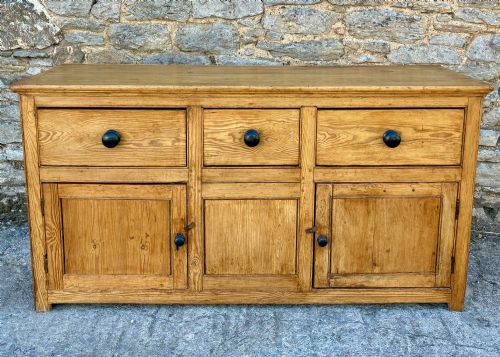
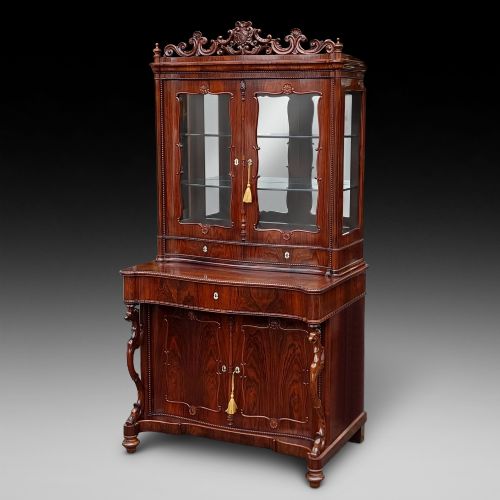
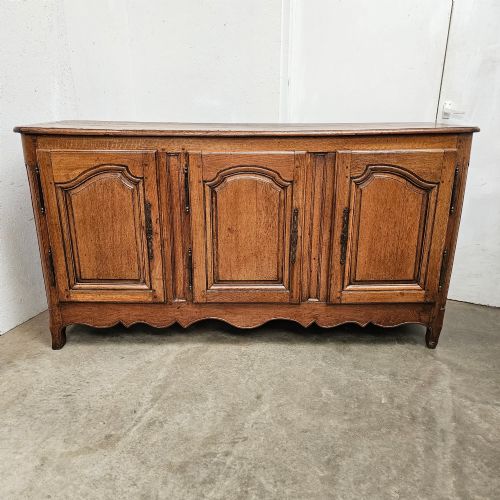
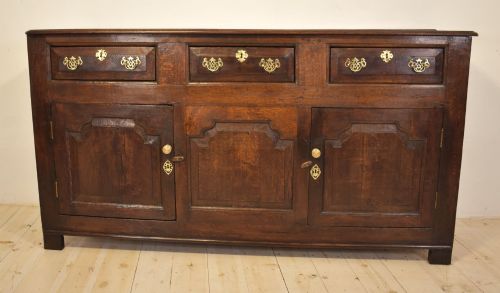
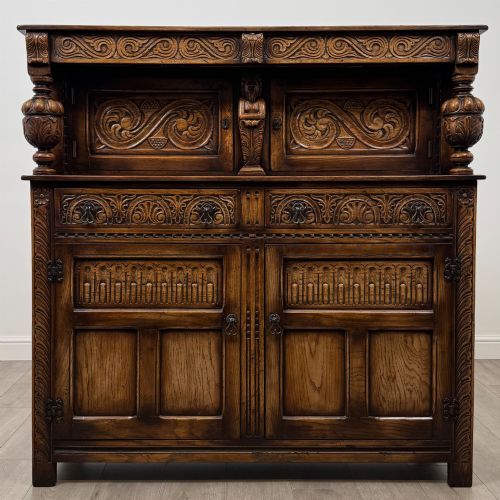
When searching for an antique cupboard base, buyers encounter heavy utilitarian furniture designed for domestic storage and food preparation in kitchens and dining rooms. The pieces span centuries from the eighteenth through the early twentieth century, taking the form of dresser bases, low cupboards, sideboards and housekeepers' cupboards.
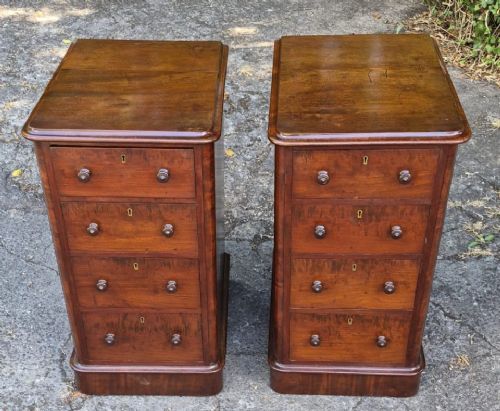
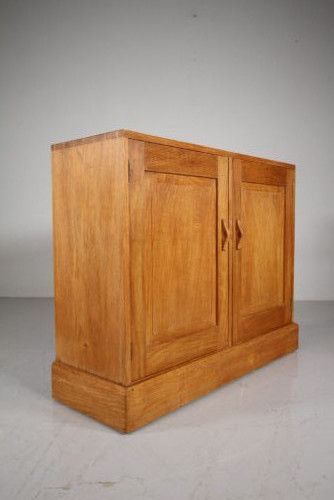
Most items seen here are English or Welsh provincial pieces, alongside French provincial examples and occasional outputs from the Cotswold School. Oak and pine dominate the forms, supplemented by mahogany, fruitwood and rosewood in more formal variations. Regional vernacular styles range from Lancashire and Welsh dresser bases to Jacobean Revival and Gothic Revival designs.
The buyer meets functional storage units equipped with doors and drawers, sometimes retaining original paint or wax finishes. These items function equally as kitchen sideboards, dining room servers or media cabinets in modern domestic settings.
How they were made
Construction relies heavily on native timbers, predominantly solid oak and pine, joined using traditional methods suited to heavy daily use. Cabinetmakers utilised robust frame and panel construction for doors and sides, ensuring structural stability across large floor-standing surfaces.
Secondary materials such as brass for handles and iron for hinges appear throughout the periods, alongside painted wood surfaces and carved details. Joinery techniques incorporate pegged mortise and tenon joints, hand-cut dovetails on drawer construction, and panelled backs reflecting regional workshop practices.
Listings feature cupboard bases spanning from the 17th century through the 1930s, built in oak, pine, mahogany, and painted wood.
What varies in quality
The hierarchy of quality rests on the integrity of the timber, the crispness of hand-carved detailing, and the retention of original surfaces and hardware. Pieces retaining their early paint finishes or original patinated wax hold distinct advantages over those stripped or heavily restored in later eras.
Structural refinement separates standard utilitarian storage from superior cabinet work, evident in balanced proportions, tightly fitted drawer boxes, and the quality of internal timber. Maker attributions or stamps, such as Cotswold School examples, elevate the status of individual pieces beyond standard vernacular production.
Peter Waals
The Antique Cupboard Base Glossary
- Dresser Base
- A low freestanding cabinet featuring drawers and cupboards, historically used for food preparation and serving in large kitchens. This form omits the upper plate rack entirely.
- Housekeeper's Cupboard
- A large tall storage cupboard with multiple doors enclosing shelves and drawers, originally utilised for storing household linens and dry goods. These pieces are typically constructed in solid oak or pine.
- Court Cupboard
- A traditional English cupboard featuring an upper recessed section supported on pillars above a lower cupboard base. These items frequently display carved oak panels characteristic of seventeenth-century styling.
- Enfilade
- A long sideboard or cabinet featuring a succession of doors in a single continuous line, common in French provincial dining rooms. They are frequently constructed from oak or fruitwood.
- Tridarn
- A three-tiered Welsh cupboard structure incorporating display and storage compartments in a single towering architectural form. Early examples date to the eighteenth century in solid oak.
- Pitch Pine
- A dense, resinous softwood sourced from North America and utilised extensively in Victorian cabinetmaking. It offers prominent grain patterns and high durability.
Antique Cupboard Base: Frequently Asked Questions
What is an antique cupboard base used for?
These pieces serve as substantial storage units and surface counters in kitchens, dining rooms and hallways. Their deep cupboards and wide drawers accommodate tableware, linens and modern household items.
The sturdy top surfaces provide functional space for food preparation, serving or displaying decorative objects. Many buyers repurpose them as media consoles or sideboards in contemporary living spaces.
How do I identify a Georgian cupboard base?
Georgian pieces typically feature hand-cut dovetails on drawer boxes and structural elements built primarily from solid oak. The proportions follow classical design rules with restrained decorative carving.
Hardware often consists of brass drop handles or backplates appropriate to the eighteenth century. Regional variations from Wales or England display distinctive drawer counts and panel arrangements.
Are pine cupboard bases original?
Pine examples range from eighteenth-century farmhouse pieces to late Victorian workshop production. Many retain their original wax finishes, old paint layers or clean scrubbed pine surfaces.
Construction methods such as pegged joints and hand-planed panels help confirm period authenticity. Inspecting the interior secondary woods provides clues regarding age and regional origin.
How do I care for an antique oak base?
Maintain the wood by applying natural beeswax periodically to nourish dry timber and preserve the historic finish. Avoid placing furniture in direct sunlight or near heat sources to prevent timber splitting.
Clean surfaces gently with a soft dry cloth rather than modern chemical polishes. Protecting the top surface from moisture prevents water rings on historic wax or polished wood.