

Antique Crystal Lamp
An antique crystal lamp brings a distinct weight and refractive fire to a room, drawing the eye through cut facets and metal mounts.
Antique Crystal Lamp
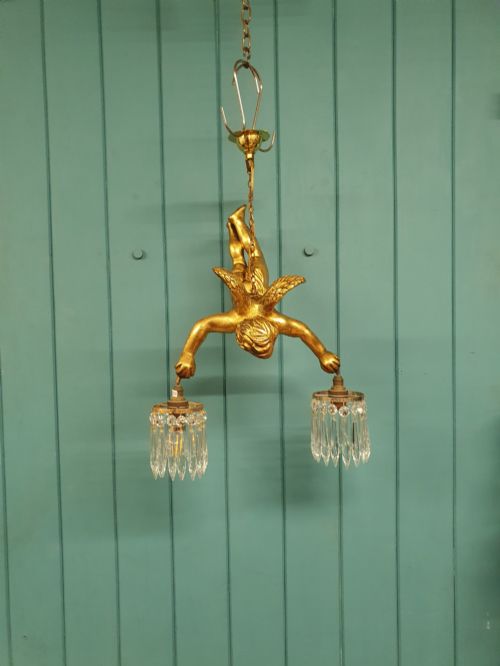
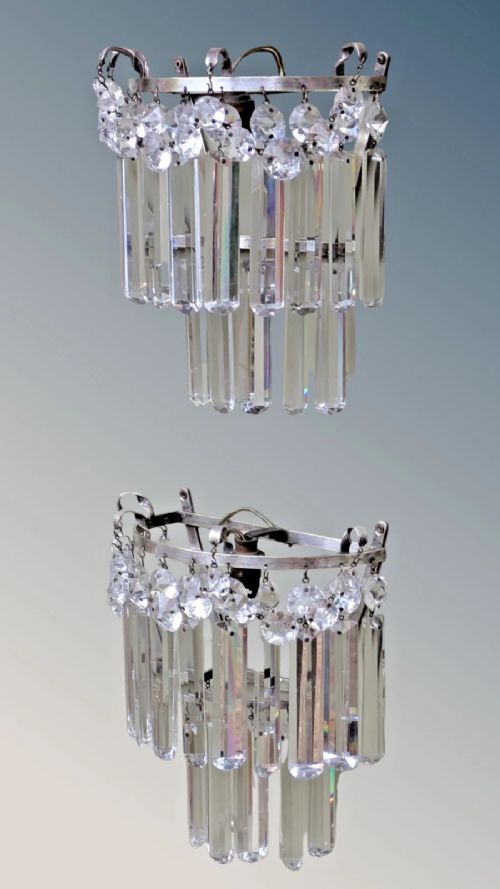
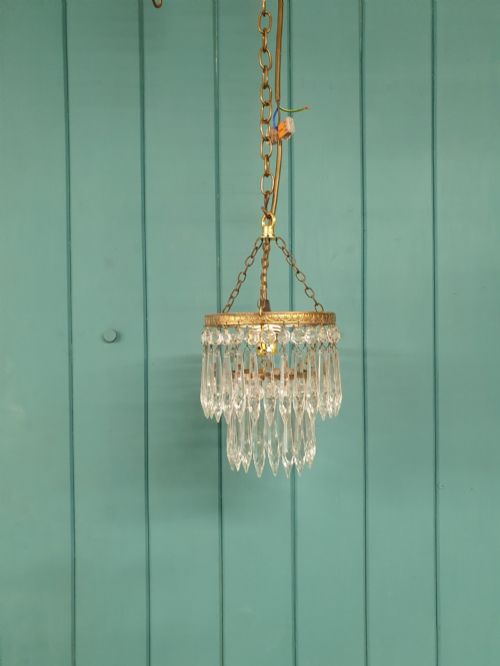
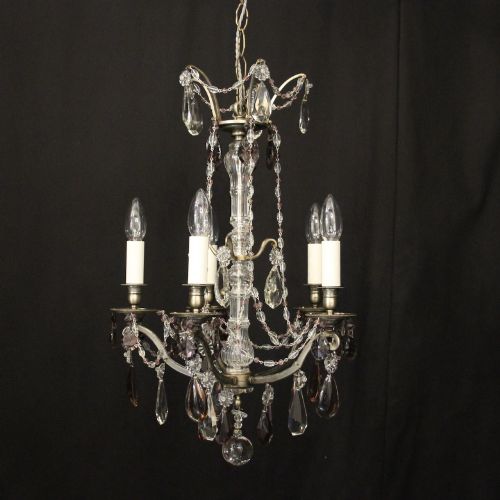
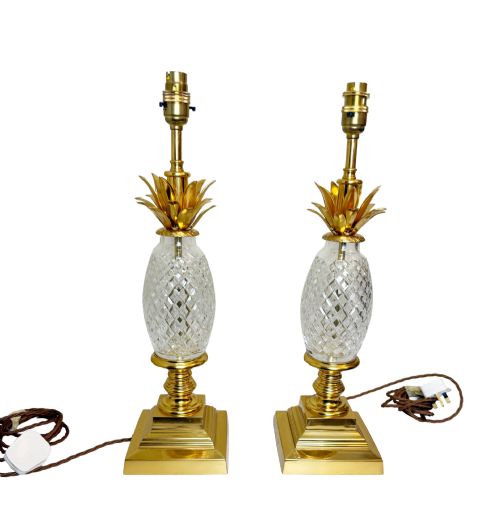
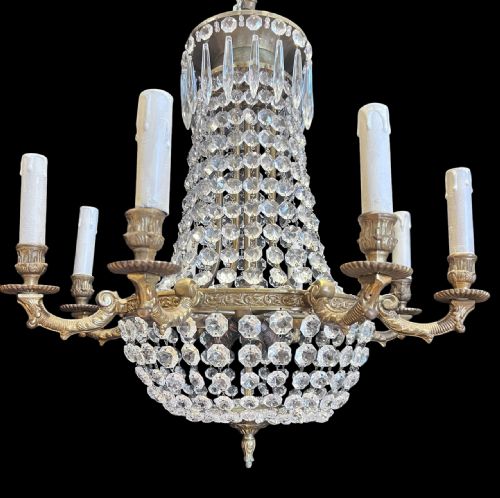
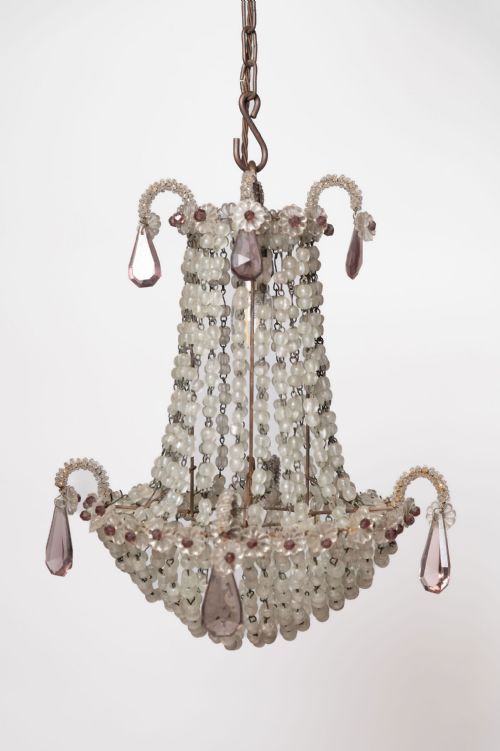
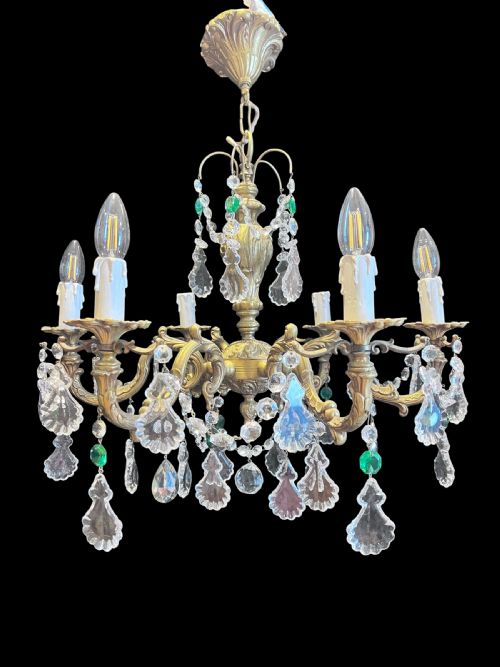
When searching for an antique crystal lamp, buyers encounter a diverse selection of lighting forms spanning table lamps, oil lamps, and various hanging fixtures. The inventory records numerous table lamps alongside ceiling lights, wall lights, and substantial multi-light chandeliers.
The pieces originate across several periods, most notably the Victorian, Edwardian, and early twentieth century up to the 1950s. French Empire and Rococo styles appear frequently alongside English and Italian designs, utilising brass, gilt bronze, and cut glass components.
How They Were Made
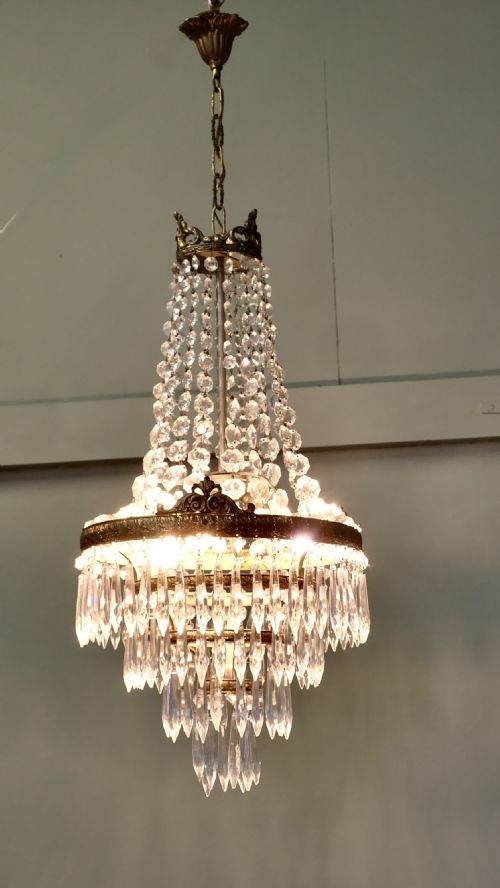
Maker workshops combined heavy cast brass, gilt bronze, and ormolu mounts with hand-blown and deeply cut crystal glass elements. Metal frames provided structural support for rows of cascading prisms, pendants, and beads linked together by wire.
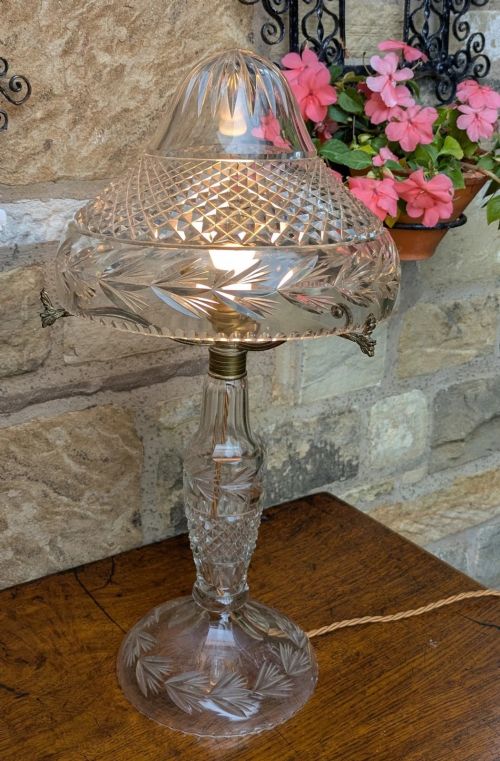
Glass components relied on precise wheel-cutting techniques to create sharp facets that maximised light refraction. Bases and decorative details incorporated turned hardwood, spun metal, and applied gilt decoration.
Antique Crystal Lamp Retail Price Guide 2026
Typical asking prices for crystal lamp among the pieces listed under this phrase on Sellingantiques today, from the lower quarter to the upper quarter. They describe what is for sale here now, not the wider market.
What Varies in Quality
The calibre of a piece rests upon the crispness of the glass cutting and the weight of the metal frame. Finer examples display deep, sharp facets on the crystal and substantial cast bronze or brass mounts rather than lighter stamped metal.
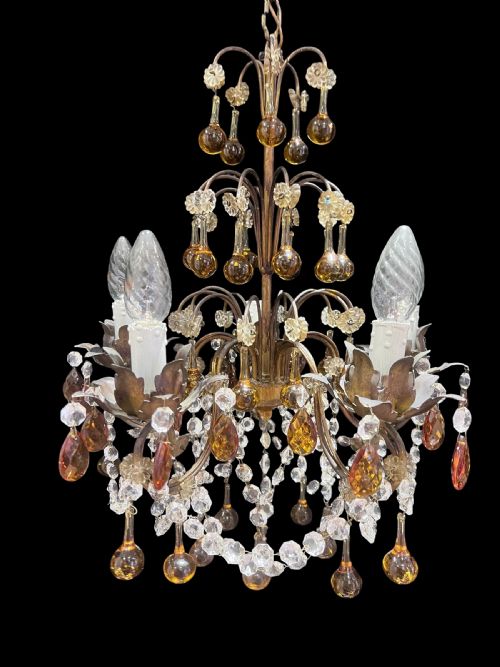
Design complexity also distinguishes the range, moving from simple single-bulb table lamps to elaborate multi-tiered chandeliers adorned with coloured crystals and intricate gilt work.
Stuart Crystal·F. & C. Osler
The Antique Crystal Lamp Glossary
- Chandelier
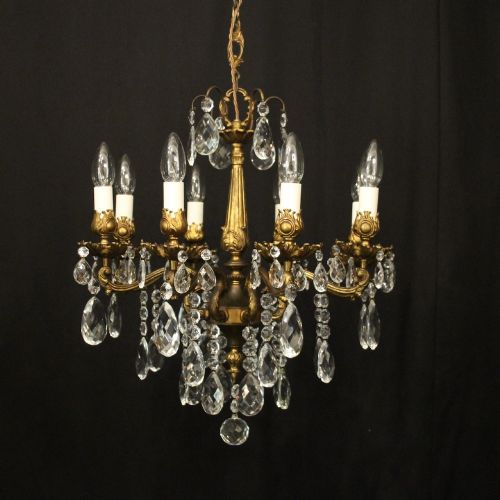
- A large, branched hanging light fixture designed to hold multiple bulbs or candles. These fixtures suspend heavy arrangements of cut glass prisms and drops from a central frame.
- Plafonnier
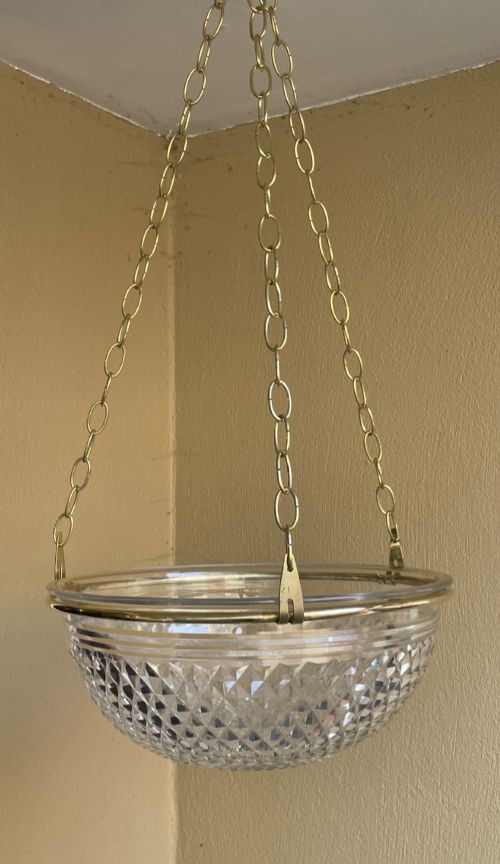
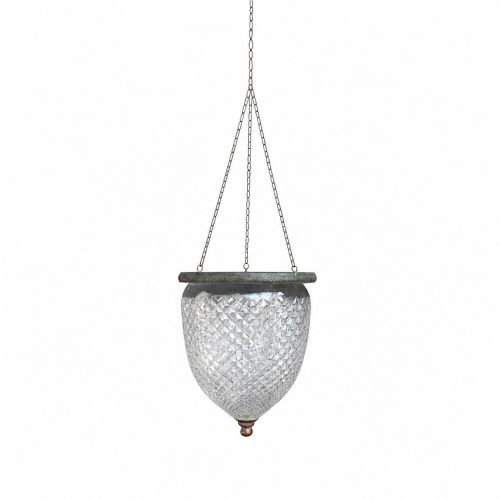
- A ceiling light fitted flush or close to the surface. These shallow fixtures often feature textured or cut glass bowls held by metal mounts.
- Ormolu
- Gilded bronze used widely for decorative mounts and bases during the nineteenth and early twentieth centuries. This technique imparts a rich golden finish to cast metal details.
- Prism
- A cut glass pendant suspended from lighting fixtures to refract light across the room. These elements come in various shapes including spikes, drops, and beads.
- Waterfall
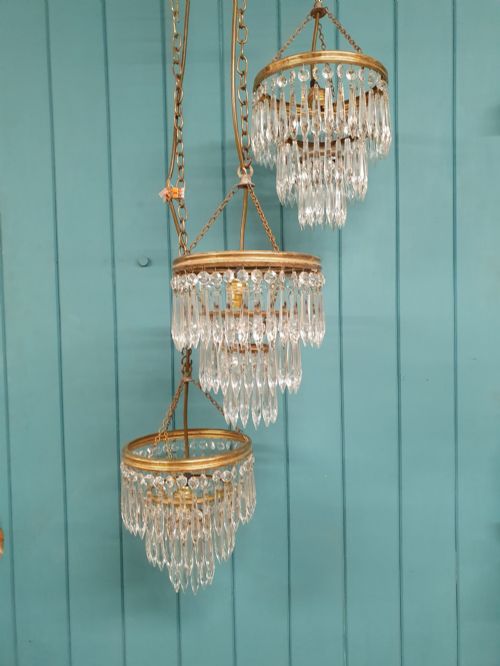
- A style of chandelier arrangement where rows of cascading crystal drops form a flowing, tiered silhouette. This design creates dense curtains of glass around the internal light source.
Antique Crystal Lamp: Frequently Asked Questions
How do I clean an antique crystal lamp?
Cleaning requires a gentle approach using a mild solution of warm water and a small amount of dish soap. Each crystal drop should be washed by hand and dried carefully with a lint-free cloth.
Metal mounts and frames need separate attention to avoid moisture damage. Keeping the wiring dry and supporting hanging components during cleaning prevents accidental detachment.
Can these lamps be rewired for modern use?
Most antique lamps can be safely rewired by a qualified professional to meet current electrical standards. Rewiring preserves the original metal body while updating the internal cord and bulb holder.
Buyers should consult an electrician to ensure the vintage fittings accommodate modern plugs and voltages safely.
How do I tell Edwardian lamps apart from Victorian ones?
Victorian lighting tends to feature heavier, more ornate brass and bronze structures with deep colour palettes. Edwardian pieces often shift toward lighter brass frames and refined cut glass patterns.
The transition reflects changing interior tastes towards brighter, airier spaces in the early twentieth century.
What is the difference between cut glass and crystal?
Traditional crystal contains lead oxide, which increases the weight, clarity, and refractive index of the material. Cut glass lacks this specific lead content but still receives deep decorative facet cutting.
Both materials appear frequently across the documented lighting inventory.