




Antique Crystal Fruit Bowl
An antique crystal fruit bowl brings heavy-cut brilliance and nineteenth-century weight to any dining table or sideboard.
Antique Crystal Fruit Bowl
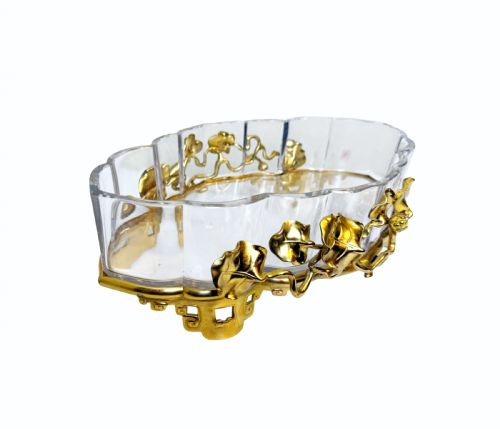
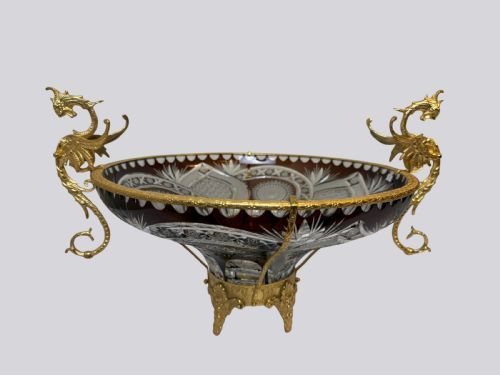
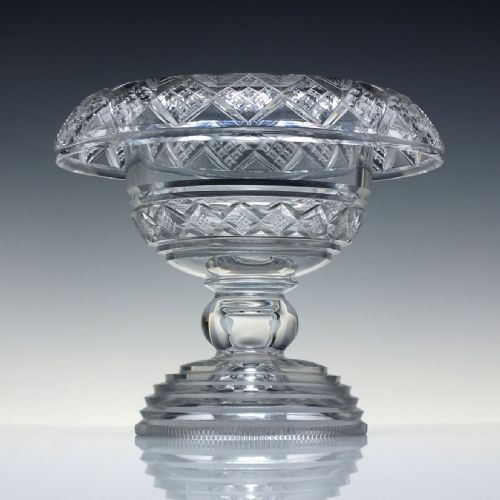
An antique crystal fruit bowl serves as a centrepiece or decorative dish designed to hold fruit or display cut glass on a table. The pieces found here range from substantial Georgian standing bowls to elaborate Victorian and Edwardian cut glass dishes.
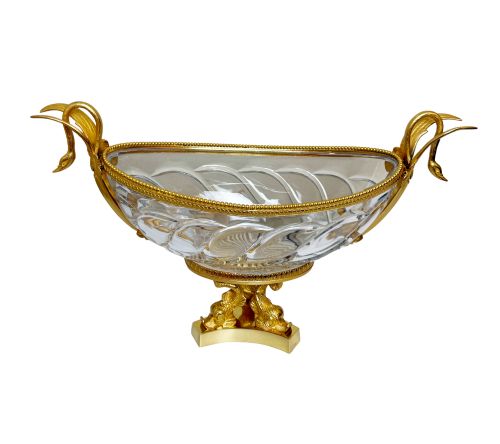
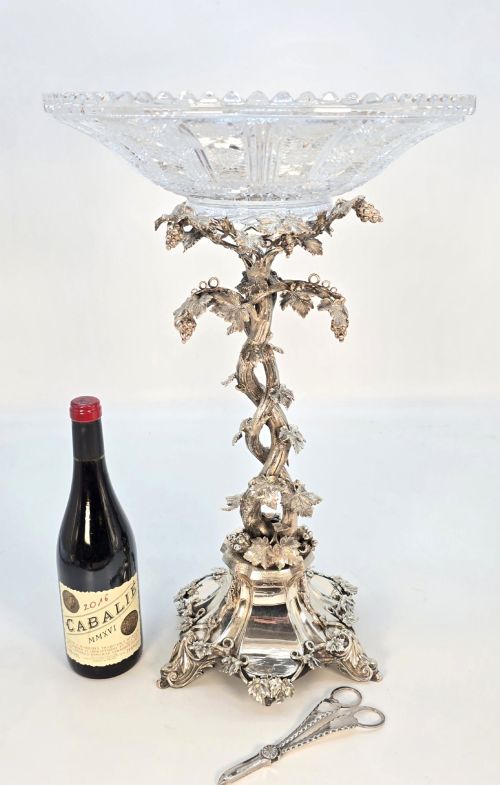
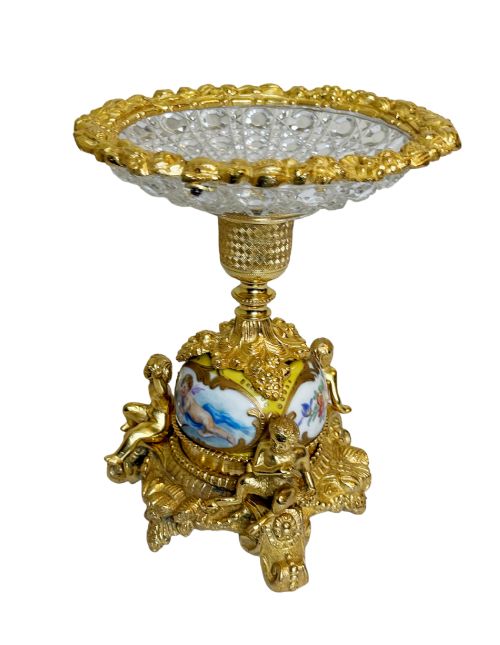
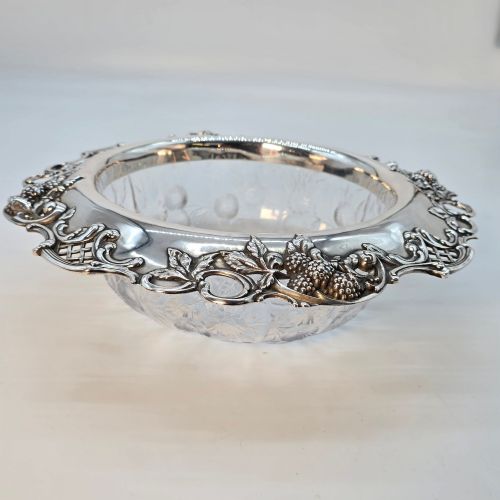
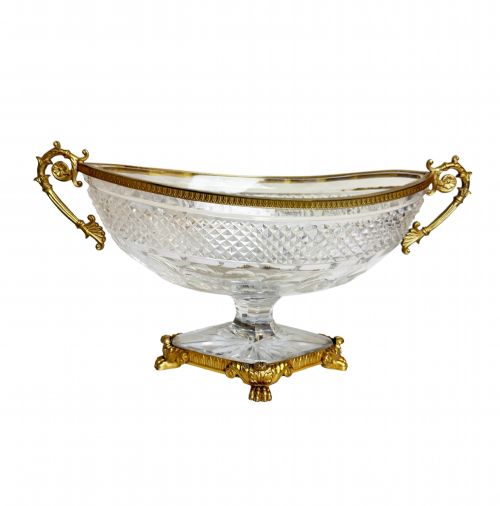
Many examples incorporate metal mounts, including gilt bronze, ormolu, silver plate, and sterling silver. These mountings often take the form of stands, frames, or decorative handles that elevate the glass vessel above the surface.
The selection spans multiple periods from the early nineteenth century through the art deco era. Buyers will find English, French, and Bohemian items spanning cut glass, lead crystal, and coloured glass vessels.
How they were made
Makers produced these bowls using hand-blown and lead crystal glass shaped into deep vessels and pedestals. Craftsmen then applied deep cutting techniques, wheel engraving, or surface overlayers in colours like cobalt blue, green, and red.
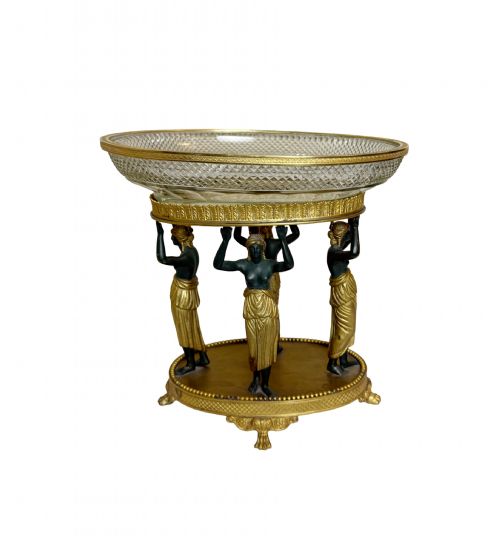
Metal components such as gilt bronze, ormolu, and silver plate were cast and chased to support the glass bodies. Workshops combined these metal frames with the crystal bowls using secure fittings, often featuring cherubs, nautical themes, or classical revival motifs.
What varies in quality
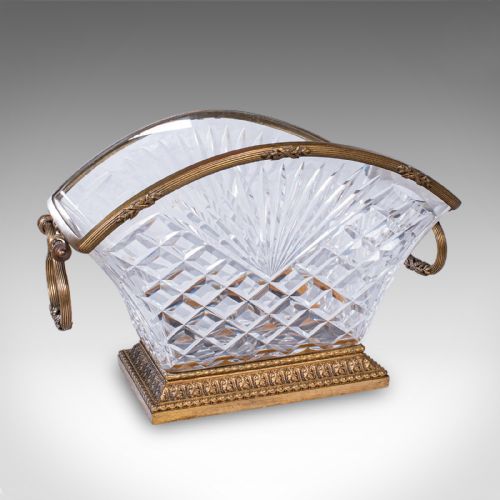
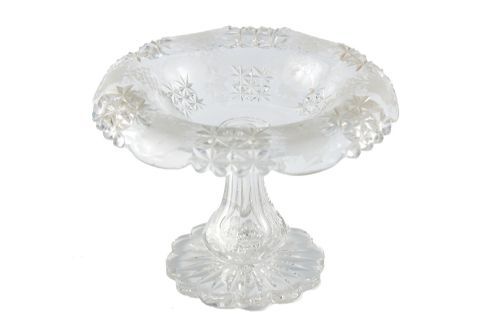
The clarity and weight of the lead crystal set the foundation for a superior piece, alongside the depth and crispness of the hand-cut facets. Smoother polish on the cut surfaces and sharper detail in the geometric or floral patterns distinguish finer vessels.
The quality of the metal mounts heavily influences the overall standard of the object. Heavier cast gilt bronze, detailed ormolu work, and substantial silver plating or sterling mounts paired seamlessly with the glass indicate higher craftsmanship.
Tiffany & Co.·Val St. Lambert·St Louis glassworks·Rene Lalique·François-Eugène Rousseau·Baccarat·Waterford·Christofle et Cie
The Antique Crystal Fruit Bowl Glossary
- Lead crystal
- Glass containing lead oxide which increases the refractive index and weight of the material. This composition allows for deeper, sharper facet cutting.
- Ormolu
- Gilded bronze mounts applied to furniture and decorative objects. The technique involves applying a mercury and gold amalgam to bronze.
- Epergne
- A large table centrepiece featuring a central bowl with branching dishes or baskets. These multi-tiered items held fruit, sweets, or flowers.
- Comport
- A decorative pedestal bowl or dish raised on a stem. These pieces sat centrally on dining tables during the nineteenth century.
- Tazza
- A shallow bowl or dish mounted on a stem and foot. They served fruit or sweetmeats in formal dining settings.
Antique Crystal Fruit Bowl: Frequently Asked Questions
How do I clean an antique crystal fruit bowl?
Wash the glass gently in lukewarm water using mild detergent and line the sink with a towel to prevent chipping.
Keep metal mounts dry and polish them only with a soft cloth to avoid damaging silver plate or gilt bronze surfaces.
Can I use these bowls for serving fruit?
These bowls were originally designed for displaying fruit on dining tables and sideboards. Modern use remains entirely practical for firm fruits like apples or citrus.
Avoid highly acidic items sitting for extended periods if the crystal or metal shows historic wear.
How do I identify a Georgian cut glass bowl?
Georgian pieces often display heavier lead crystal with characteristic greyish undertones and hand-polished facets. Look for thick bases and distinct pontil marks on the underside.
Diamond cutting and hobnail patterns from this era feel sharp and distinct to the touch.
What is the difference between a centrepiece and a fruit bowl?
A centrepiece often includes elaborate metal stands, epergne attachments, or figures in gilt bronze and ormolu. Standard fruit bowls rely primarily on the cut crystal or glass vessel itself.
Both forms served to decorate grand dining tables during the nineteenth and early twentieth centuries.