


Antique Cross Stitch Panel
An antique cross stitch panel holds generations of meticulous handwork, offering a tangible window into domestic life across centuries.
Antique Cross Stitch Panel
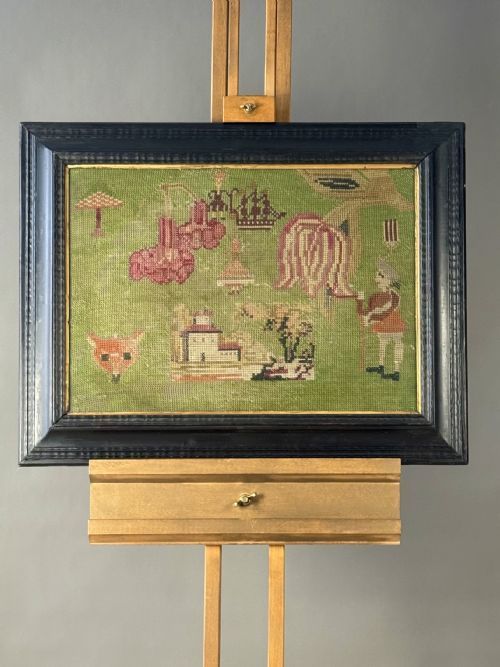
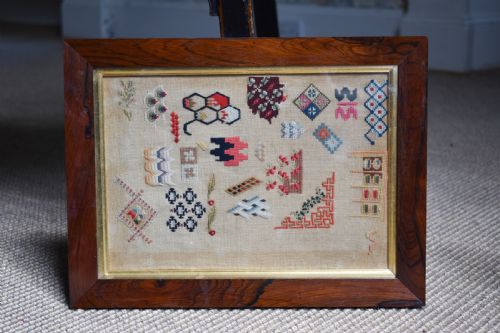
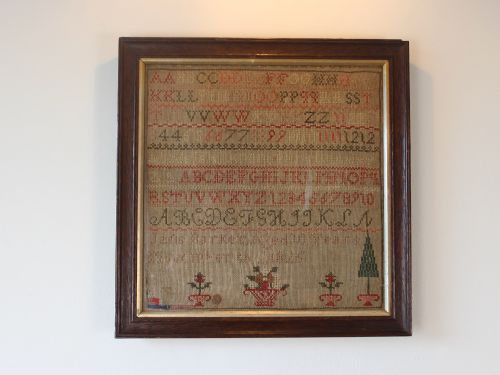
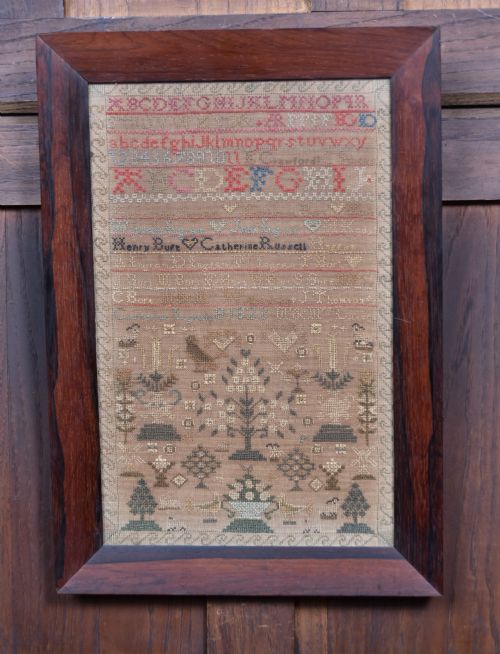
When searching for an antique cross stitch panel, buyers encounter an array of needlework samplers and embroidered textile art originating mainly from the eighteenth and nineteenth centuries. These historic works frequently document personal milestones, alphabets, or scriptural passages through dedicated stitching.
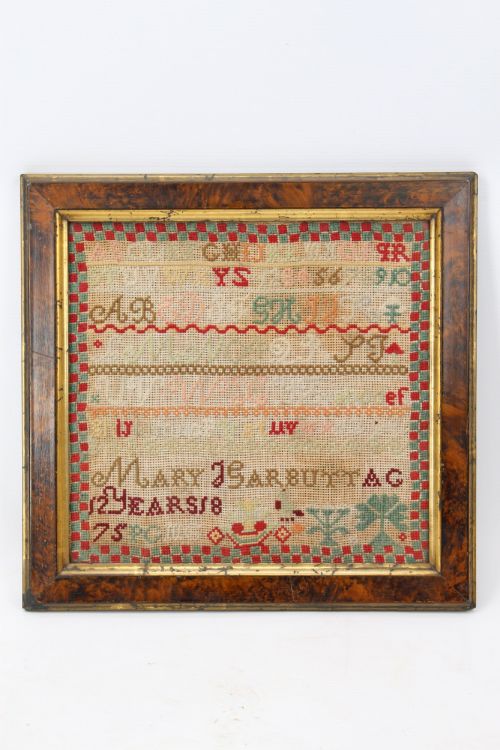
The nineteenth century yields a high concentration of Victorian examples, often worked by young makers recording their age and the date of completion. Alongside these domestic pieces, regional textile art such as Central Asian tribal panels appears within the selection.
Framed textile art dominates the form, preserving delicate linen and wool grounds behind glass in period timber frames. Miniature formats and paired alphabet samplers also emerge among the various framed configurations.
Materials and Technique
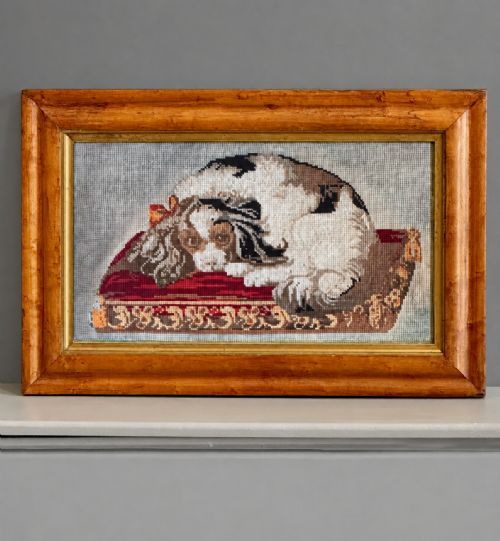
Maker execution relied fundamentally on linen foundation fabrics worked with silk thread, wool, and standard thread. Stitches formed dense pictorial and textual compositions, ranging from traditional alphabet rows to figurative subjects like Berlin work spaniels.
Presentation depended heavily on custom framing, frequently utilising original wood surrounds such as burr maple to protect the textile ground. Glass panes secured the surface against environmental debris while maintaining visibility for the intricate embroidery underneath.
Object types span needlework samplers, framed textile art, and Central Asian tribal panels.
Distinctions in Quality
Quality rests significantly upon the precision of the stitching and the clarity of the composition achieved by the maker. Examples displaying balanced alphabets, complex pictorial scenes, or complete genealogical records demonstrate superior needle control.
The preservation of the original mounting and frame substantially influences the desirability of the piece. Intact nineteenth century timber frames protect the integrity of the linen ground and maintain the historical context of the textile.
The Antique Cross Stitch Panel Glossary
- Berlin work
- A popular nineteenth century style of needlepoint characterised by brightly coloured wool thread worked on canvas from printed grid patterns.
- Sampler
- A piece of needlework produced as a demonstration or test of skill in various stitches, often featuring alphabets, numbers, and pious verses.
- Linen
- A strong, durable fabric woven from flax fibres that served as the primary foundation ground for early needlework panels.
- Needlepoint
- A type of canvas work where yarn is stitched through a stiff open-weave canvas to completely cover the ground fabric.
Antique Cross Stitch Panel: Frequently Asked Questions
How do I date an antique sampler?
Many panels include embroidered dates alongside the maker name and age, providing a direct reference point for creation.
Style, framing materials, and lettering formats offer additional clues when specific dates are absent from the textile.
Were these panels made by children?
A large proportion of needlework samplers were worked by young girls as part of their domestic education in schools or at home.
Inscriptions frequently record the age of the maker, with many examples created by children between the ages of ten and fourteen.
How should I display a textile panel?
Panels preserved under glass in original frames should remain in their protective settings to shield the delicate threads from dust and physical handling.
Placement away from direct sunlight prevents the fading of silk and wool threads over extended periods.
What subjects appear on these samplers?
Common motifs include alphabets, numbers, moral verses, biblical passages such as the Lord's Prayer, and genealogical family records.
Later Victorian examples also incorporate figurative subjects, including animals and domestic scenes.