






Georgian Needlepoint Frame
A georgian needlepoint frame secures historical needlework under glass, offering a glimpse into domestic art through framed samplers and embroidered pictures.
Georgian Needlepoint Frame
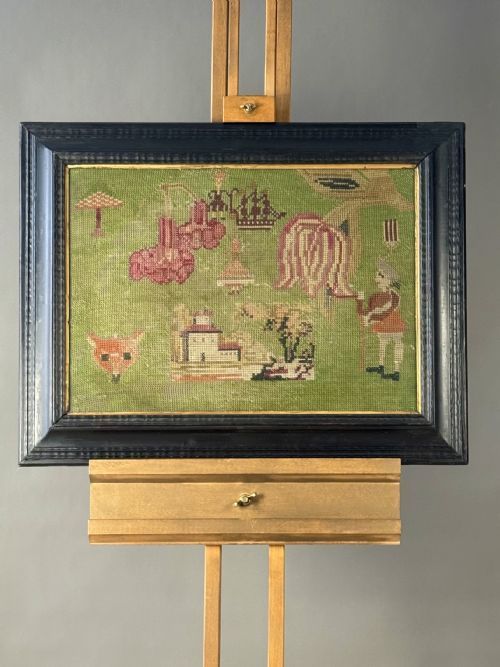
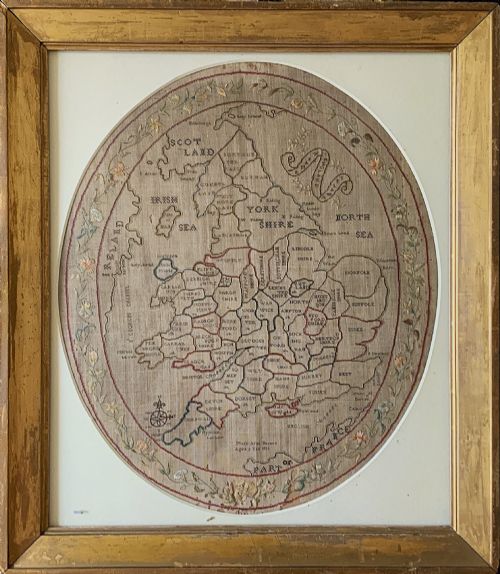
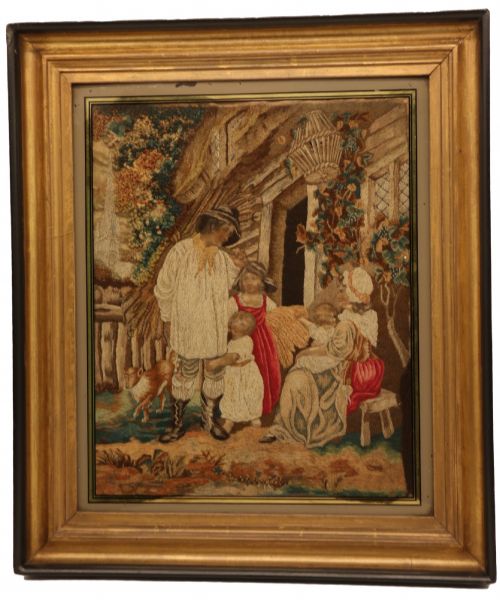
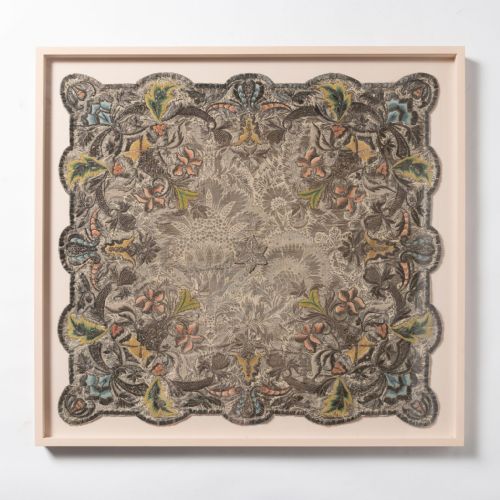
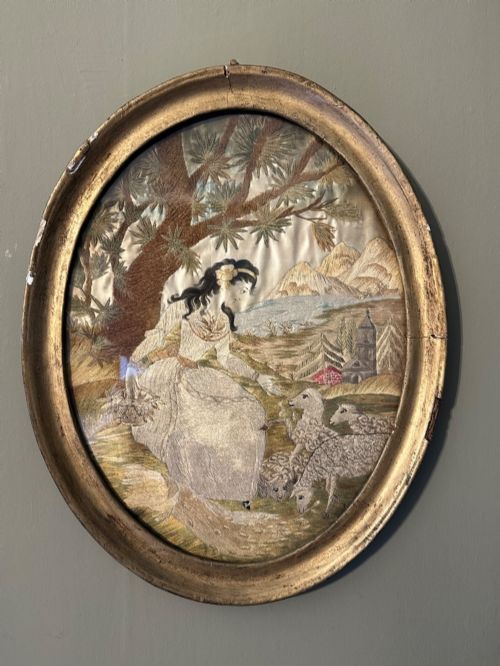
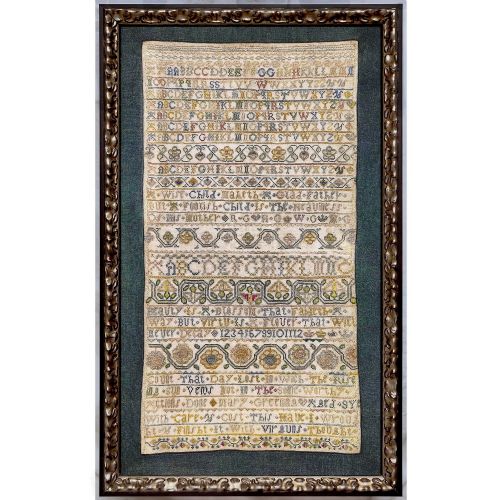
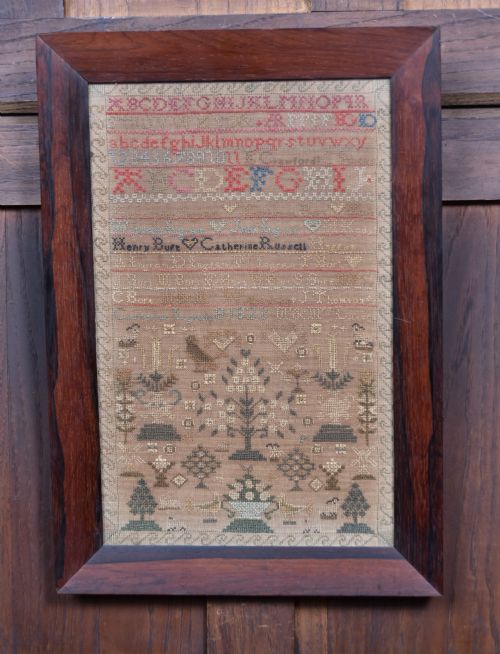
A georgian needlepoint frame encompasses framed textile art, needlework samplers, and embroidered silk panels originating primarily from the eighteenth and nineteenth centuries. These pieces manifest as maps, pastoral farming pictures, and religious scenes worked by hand.
The objects frequently take the form of wall art housed within period surrounds, alongside occasional functional items such as footstools and firescreens incorporating needlework. The selection spans Georgian, Regency, and Victorian aesthetics.
Materials and construction
Maker execution relies on linen, silk, and wool threads stitched into textile grounds to form pictorial and tabular designs. Artisans employed silk floss, crewel work, and long stitch techniques to build texture and colour within the embroidery.
Framing materials incorporate wood, giltwood, mahogany, birds eye maple, and rosewood, often protecting the textiles beneath glass or verre églomisé panels. Gold leaf accents complement the wooden mouldings surrounding the textile panels.
Listings feature eighteenth and nineteenth century needlework incorporating silk thread, wool, and linen within wooden and giltwood frames.
Execution and preservation
Distinction in quality arises from the precision of the needlework and the complexity of the pictorial composition, such as detailed figures or cartographic accuracy in map samplers. Superior examples display accomplished hand execution and balanced colour palettes.
The condition of the textile and the originality of the frame determine the standing of each piece. Intact glass protection and stable wooden surrounds preserve the underlying silk and wool embroidery against environmental degradation.
The Georgian Needlepoint Frame Glossary
- Sampler
- A piece of needlework produced as a demonstration or test of skill in various stitches. These frequently record alphabets, numerals, and the maker's age or name.
- Verre églomisé
- A process of applying gold or metal leaf to glass backings, often used for decorative borders on picture frames. This technique creates a reflective, dark margin around the central view.
- Crewel work
- Embroidery executed with wool yarn on a heavy linen or cotton twill fabric. The method produces textured, durable surface designs with a traditional appearance.
- Silk floss
- Unspun silk fibres used for embroidery to achieve a high sheen and smooth texture. It allows for subtle shading in pictorial needlework.
Georgian Needlepoint Frame: Frequently Asked Questions
What is a georgian needlepoint frame?
A georgian needlepoint frame holds historic embroidered textiles, samplers, and silk pictures created during the eighteenth and nineteenth centuries. These items combine textile art with period wooden or gilt surrounds.
Such objects preserve domestic needlework under glass, protecting fragile silk and wool threads from dust and handling. They function primarily as wall art reflecting educational and decorative practices of the era.
How do I identify a period frame?
Period frames use woods like mahogany, rosewood, or birds eye maple, often finished with gold leaf or verre églomisé glass panels. Construction details such as corner joints and backboards provide clues to the manufacturing date.
Matching the frame style to the era of the needlework inside helps confirm authenticity. Many pieces retain their original surrounds, which complement the textile design.
What subjects appear in these textiles?
Common subjects include educational maps of England and Wales, pastoral farming scenes, religious compositions, and commemorative Royal Artillery pieces. Makers also rendered figures in gardens and literary scenes.
Samplers frequently record alphabets, genealogies, and the names and ages of young makers. This variety documents the domestic pursuits and educational milestones of the period.
How should I care for needlework art?
Keep framed textiles away from direct sunlight to prevent the fading of silk and wool threads. Stable indoor humidity levels protect both the fabric ground and the wooden frame structure.
Glass fronts protect the delicate embroidery from atmospheric dirt and physical damage. Cleaning should remain restricted to gentle dusting of the exterior frame.