
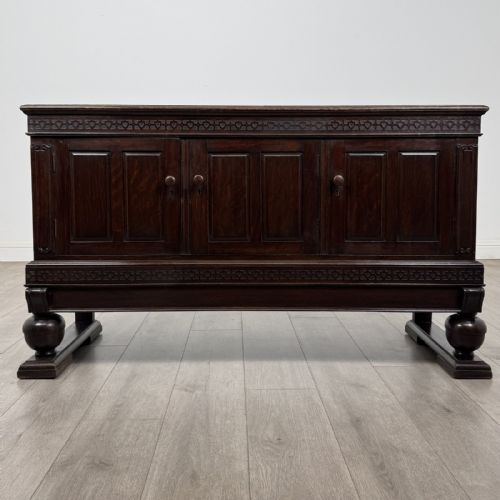
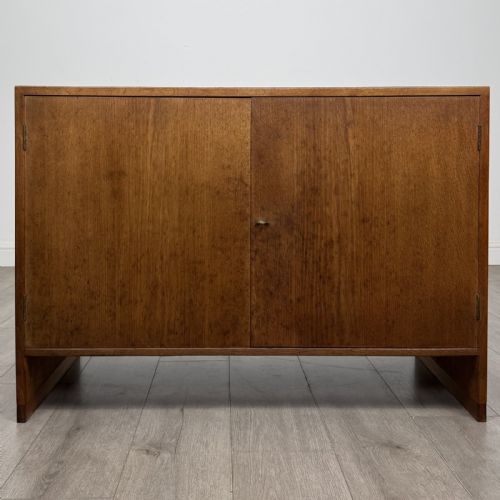
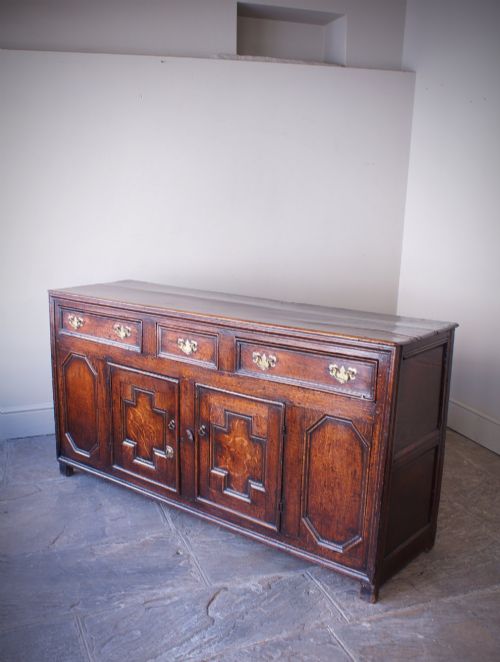
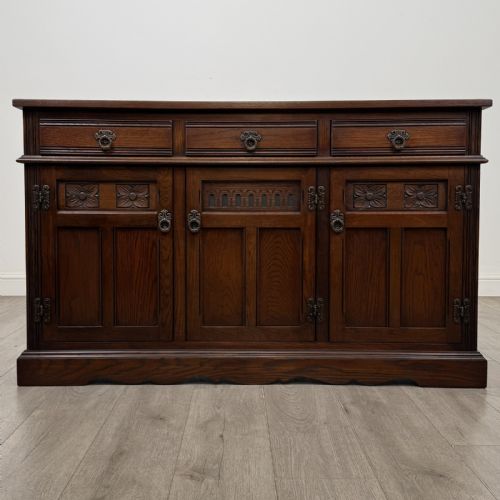
Antique Credenza Cupboard
An antique credenza cupboard brings architectural presence and rich timber grain to a room, offering generous storage alongside a refined display surface.
Antique Credenza Cupboard
When you search for an antique credenza cupboard, you encounter substantial storage furniture designed for formal rooms, drawing rooms and dining spaces. The selection spans nineteenth-century Victorian forms, Edwardian craftsmanship and earlier walnut or mahogany iterations.
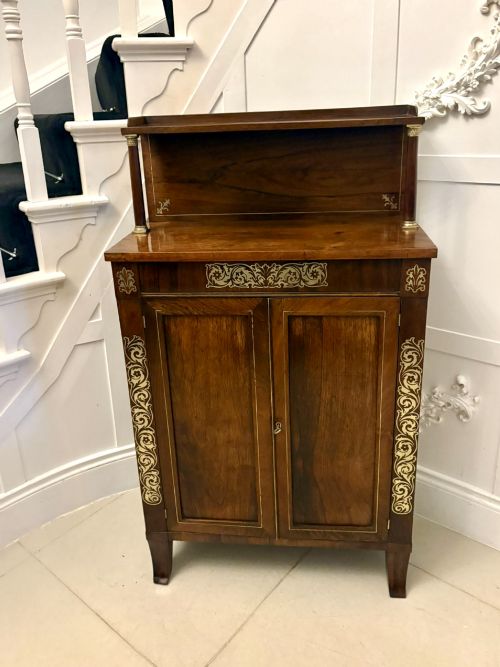
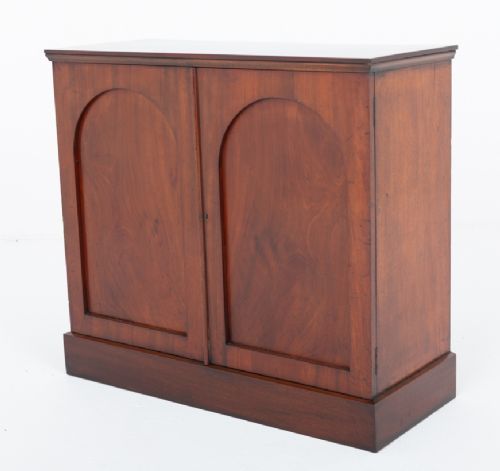
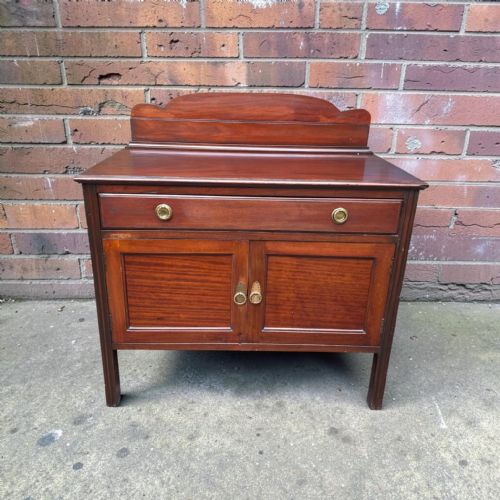
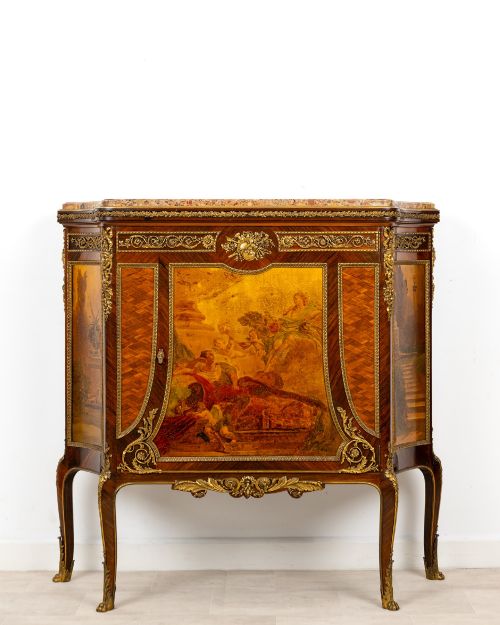
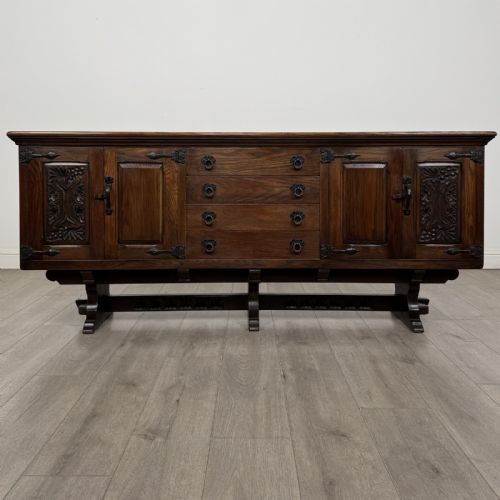
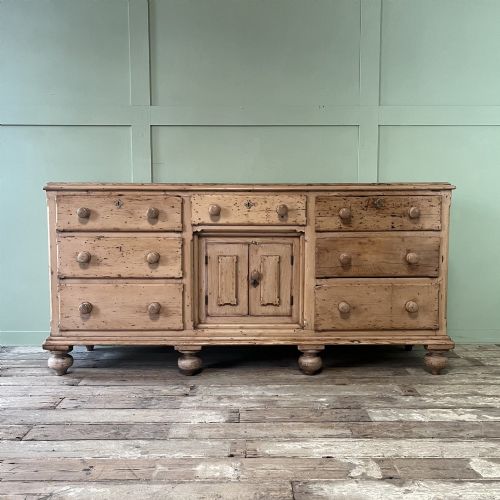
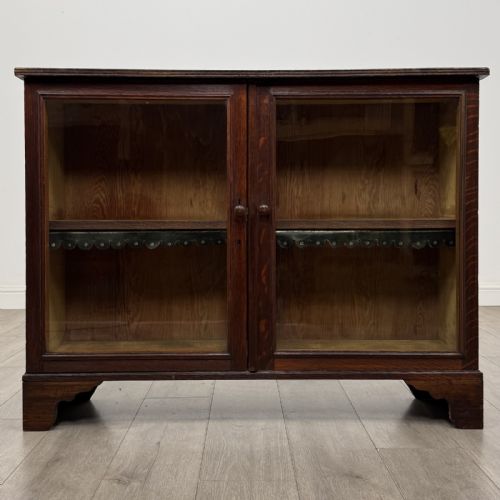
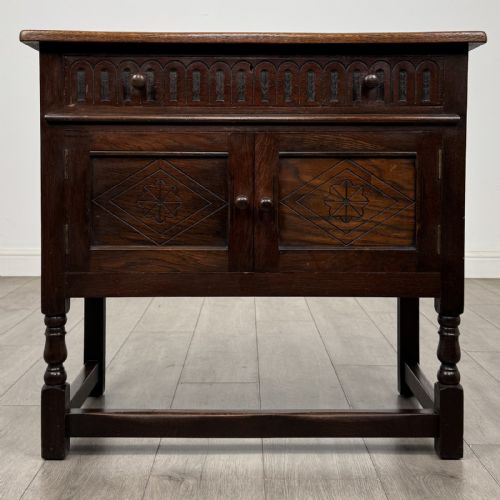
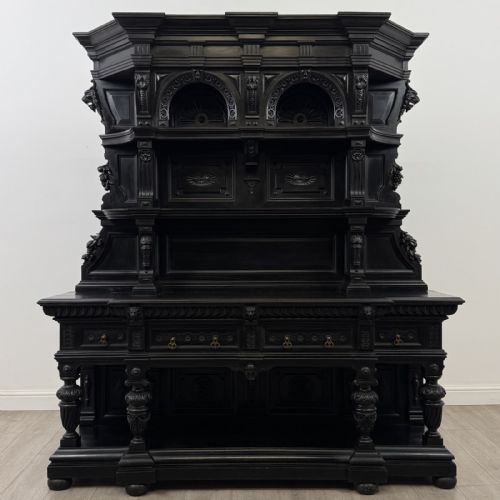
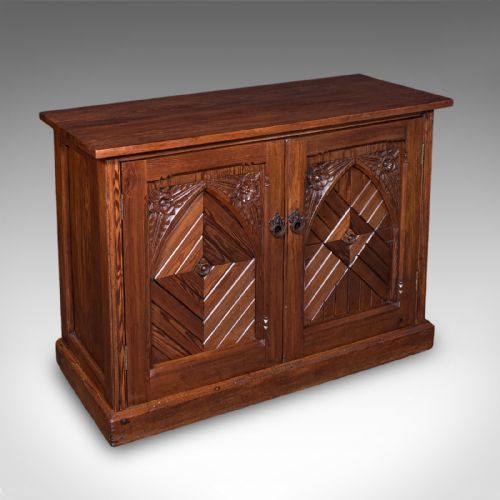
You meet various configurations on this page, ranging from marble-topped display cabinets and gilt-mounted sideboards to low oak cupboards. Many pieces combine enclosed storage with open surfaces or glazed doors, serving as practical side units for dining rooms and halls.
The origins stretch across English workshops, French provincial makers and Scottish ateliers, utilising indigenous and exotic timbers. These storage pieces reflect the domestic requirements of their respective eras, accommodating china, linen and books.
Materials and construction methods
Cabinetmakers constructed these pieces primarily from solid hardwoods and choice veneers, selecting oak, mahogany, walnut and rosewood for their durability and grain. Flame mahogany veneer and burr walnut added rich surface patterns to formal Victorian and Edwardian carcases.
Metal and glass components played structural and decorative roles, with brass fittings, iron hardware and cast ormolu mounts securing joints and framing doors. Glazed panels appeared on display cabinets and vitrines, allowing visibility of the contents within.
Several pieces are specifically designed for cocktails, proving that historic hosts enjoyed a well-stocked drink cabinet just as much as modern ones.
Evaluating standard and distinction
The distinction between standard utility items and exceptional pieces rests upon the precision of the cabinetmaking and the quality of the timber selection. Superior examples display carefully matched veneer grains, crisp hand-carved ornamentation and well-fitted internal shelving.
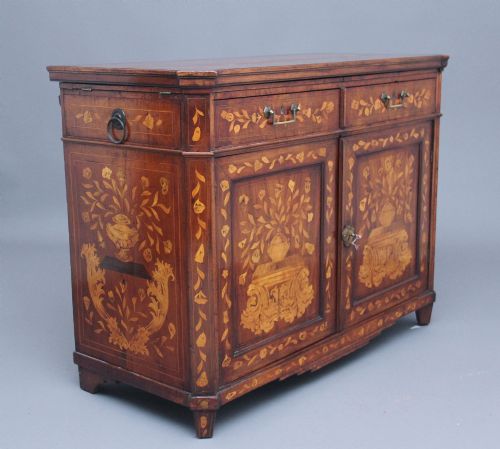
Makers integrated decorative elements such as marquetry inlay, gilt mounts and elaborate brass handles with varying degrees of restraint and skill. The structural integrity of the carcase, the smooth movement of drawers and the original state of the timber finish separate ordinary production from high-grade workshop output.
Shoolbred & Co.·Edwards and Roberts
The Antique Credenza Cupboard Glossary
- Credenza
- A sideboard or cabinet, often standing low to the ground, traditionally used for displaying plate and serving food.
- Chiffonier
- A compact sideboard or cabinet equipped with drawers and enclosed shelving, popular during the nineteenth century.
- Marquetry
- Decorative veneer work forming pictorial or geometric patterns using various tinted woods and shell.
- Ormolu
- Gilded bronze furniture mounts and decorative fittings cast in relief and finished by hand.
- Demi-lune
- A half-moon shape used for the footprint and top surface of tables, commodes and cabinets.
Antique Credenza Cupboard: Frequently Asked Questions
Where did people place these cupboards?
These pieces traditionally occupied dining rooms, drawing rooms and hallways where homeowners required surface space for serving or display alongside enclosed storage.
Their substantial proportions suited the reception rooms of large houses, functioning as sideboards, serving tables or decorative cabinets.
How do I identify the period?
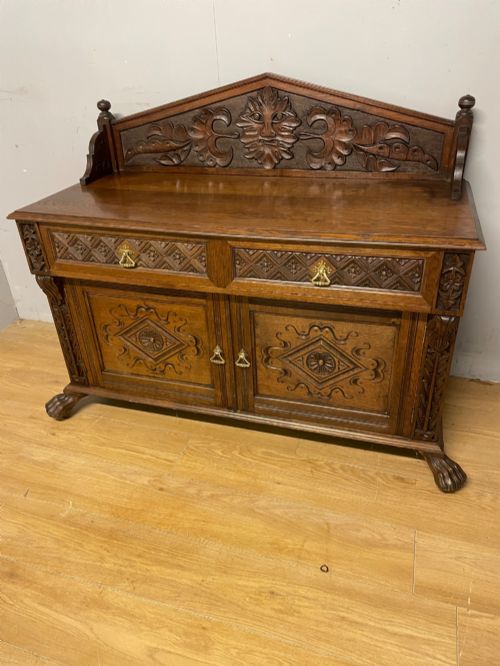
Dating relies on examining timber choices, construction techniques and stylistic motifs such as Jacobean revival carving or Edwardian inlay.
Nineteenth-century examples frequently feature heavy mahogany or walnut carcases, while later Edwardian versions often display lighter oak framing and simpler joinery.
Can I use them for modern storage?
These cabinets provide practical capacity for contemporary living spaces, accommodating tableware, linens, media equipment or books behind solid or glazed doors.
Their internal shelving and deep cupboards adapt well to organising everyday items while adding period character to a room.
What maintenance do timbers need?
Preserving the wood requires stable room humidity and protection from direct sunlight to prevent the veneers and solid timbers from drying or cracking.
Regular dusting with a dry cloth and occasional application of appropriate furniture wax maintain the sheen of the polished surfaces.