
Antique Cream Vase
An antique cream vase brings quiet elegance to a room, offering soft neutral tones shaped by Victorian, Edwardian, and Meiji artisans.
Antique Cream Vase
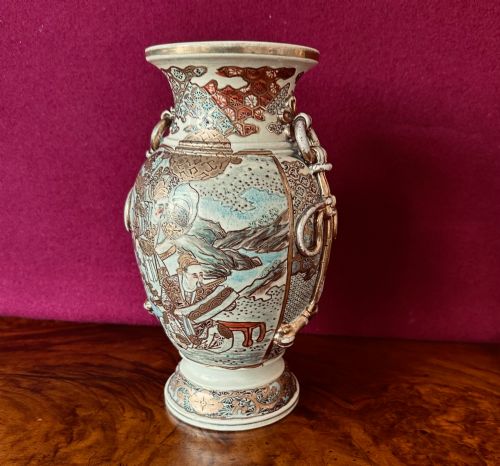
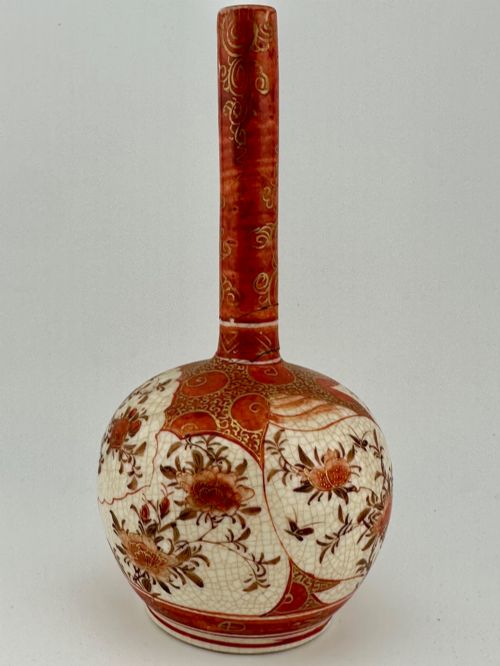
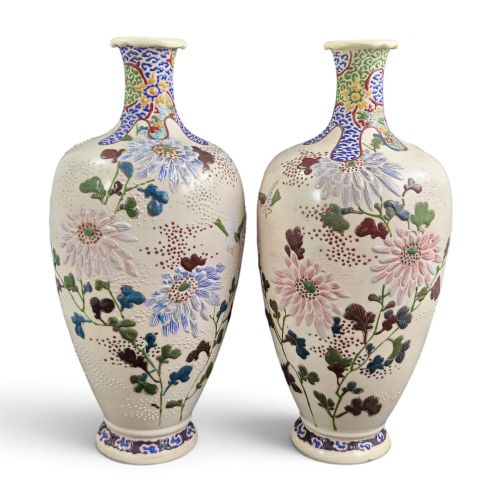
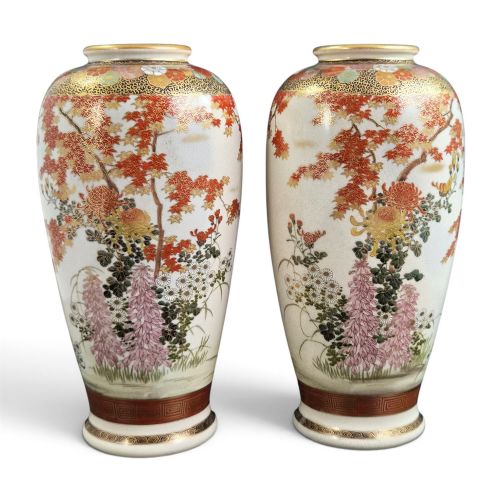
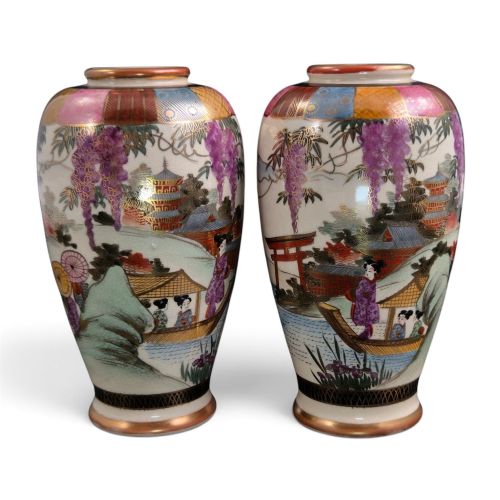
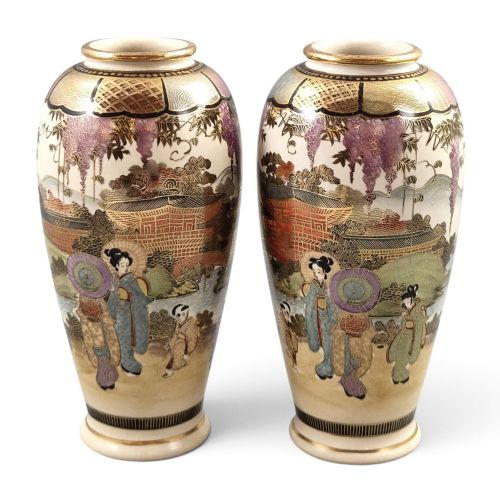
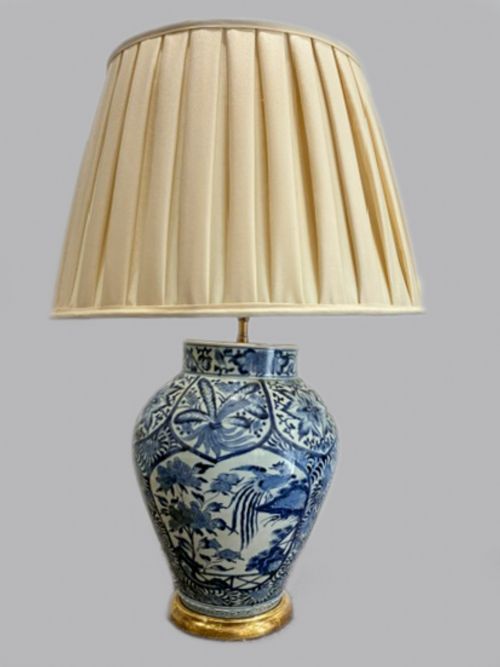
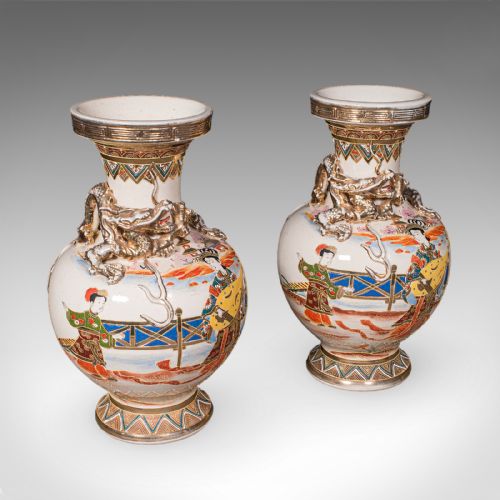
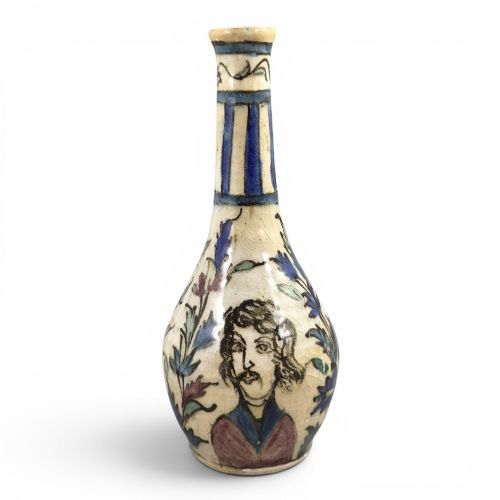
An antique cream vase encompasses a diverse range of ceramic and porcelain vessels, spanning European earthenware and intricate Japanese Satsuma wares from the nineteenth and early twentieth centuries. These pieces display pale ivory, blush, and cream ground colours that highlight hand-painted floral motifs, gilt highlights, and intricate figural scenes.
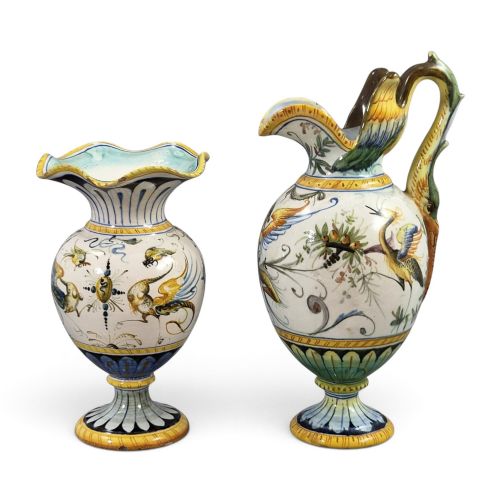
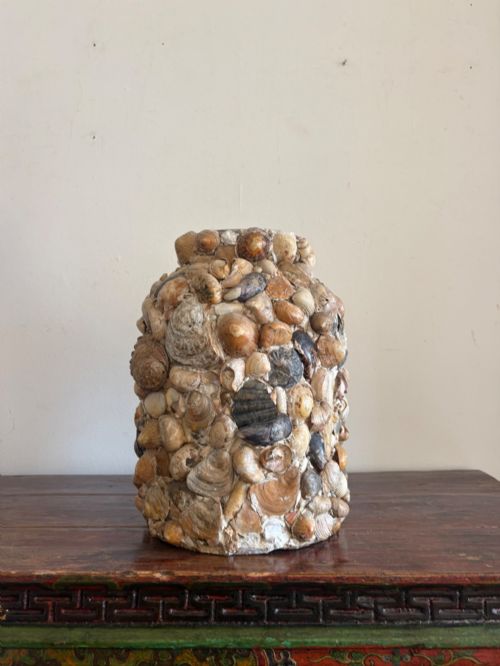
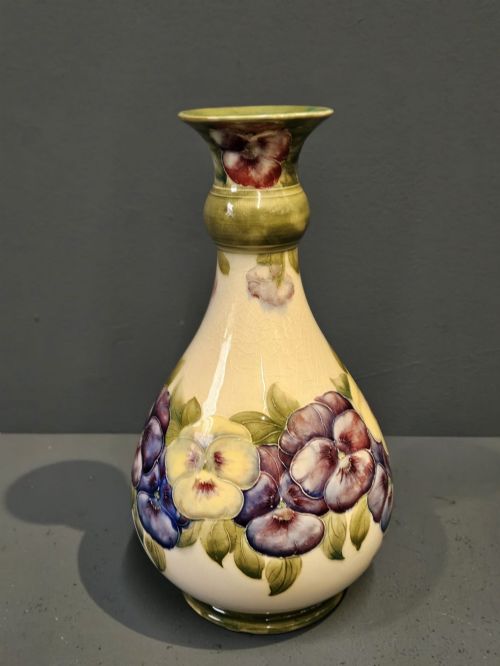
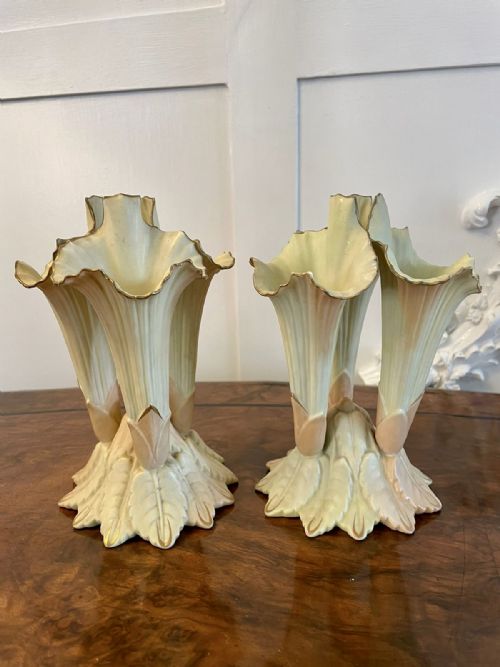
Collectors frequently encounter blush ivory productions from English potteries alongside Japanese earthenware and continental art pottery featuring soft neutral palettes. The selection on this page ranges from small cabinet spill vases and handled ewers to monumental decorative forms and occasional floor pieces.
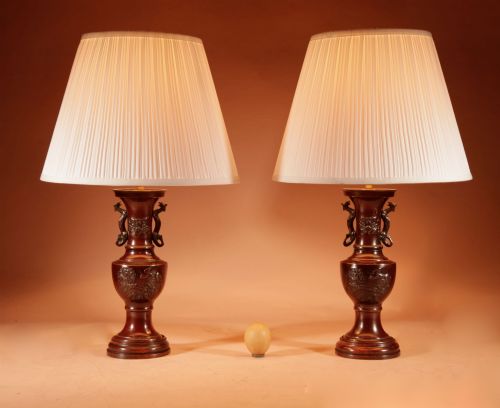
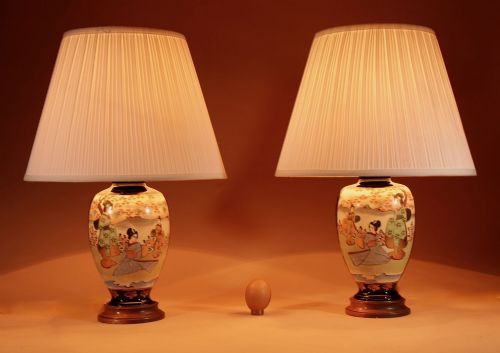
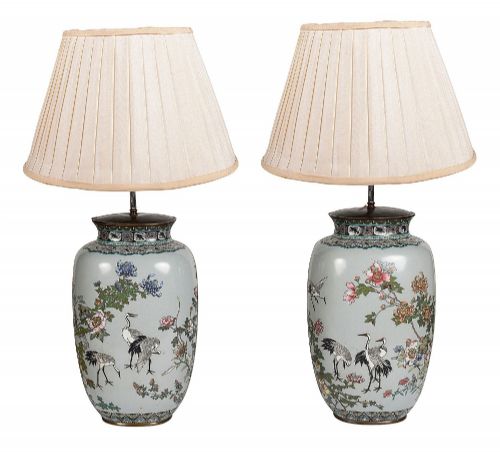
Vessels converted to table lamps appear alongside traditional mantel ornaments and garniture sets, reflecting how past owners adapted these decorative objects for domestic use. The predominant forms include baluster shapes, campana urns, and bottle vases created across the Victorian and Edwardian eras.
How They Were Made
Potters shaped these vessels from earthenware, stoneware, and porcelain, applying reactive glazes and specialised slip techniques to achieve smooth pale surfaces. English makers utilised delicate blush ivory bodies that absorbed soft enamel colours, while Japanese workshops applied finely crackled glazes over earthenware bases.
Decoration relied on hand painting, gilding with gold leaf, and raised enamel work executed by skilled artisans. Relief modelling appears on many pieces through applied figures, dragons, and floral elements that provide tactile depth to the cream grounds.
The selection includes Japanese Meiji period Satsuma ceramics, English blush ivory porcelain, and continental Art Nouveau pottery.
What Varies in Quality
Quality rests upon the crispness of the hand painting and the control demonstrated during the firing process. Superior examples exhibit finely detailed brushwork, precise gilding, and well-balanced forms without distortion.
Signed works by recognised makers and distinguished workshops command greater attention due to their documented provenance and superior artistic execution. The complexity of the decorative scheme, from simple floral sprays to densely populated figural scenes, further distinguishes standard production pieces from masterworks.
Royal Worcester·Kinkozan·Moorcroft·Cantagalli·Thomas Webb·Maruni Kobe·Shozan·Manpei·Hododa·Reissner Stellmacher and Kessel·Robert T Lallement·Royal Vienna·Tunnicliffe·Kinzan
The Antique Cream Vase Glossary
- Blush Ivory
- A specialised porcelain body developed by English potteries to produce a soft, matt cream background resembling unglazed ivory. This surface accepted delicate floral overglaze enamels particularly well during the late Victorian and Edwardian periods.
- Satsuma
- A type of Japanese earthenware featuring a pale, ivory-coloured crackle glaze traditionally decorated with enamel and gilt. Originating in Satsuma Province, these wares became highly sought after in the West during the Meiji period.
- Spill Vase
- A tall, slender cylindrical vessel designed to hold slender wooden spills used for lighting candles and fires. These small decorative items sat upon mantelpieces throughout the nineteenth century.
- Majolica
- A type of earthenware coated with an opaque tin-lead glaze and painted with bright metal oxide colours. This technique revival flourished during the nineteenth century, producing rich ornamental ewers and vases.
- Garniture
- A set of three or more matching vases or ornaments designed to be displayed together on a mantelpiece or sideboard. These coordinated sets often comprise a central jar flanked by matching side vases.
Antique Cream Vase: Frequently Asked Questions
How do I clean an antique cream vase?
Dust the surface gently with a soft dry brush to remove particulate matter without disturbing fragile enamel or gilt decoration.
Avoid immersing antique ceramics in water, particularly pieces with porous earthenware bodies or delicate cold-painted highlights, as moisture can penetrate old glazes.
Were these vases meant for flowers?
Many forms served purely decorative functions on mantelpieces and cabinets, acting as visual centerpieces rather than functional water holders.
Spill vases and small ewers had specific domestic tasks, whereas monumental garnitures and painted cabinet pieces were collected to display wealth and artistic taste.
How can I date a Satsuma vase?
Examine the fineness of the crackle glaze and the style of the hand-painted enamels, which became more complex and crowded during the late Meiji period.
Signature panels on the base often name the studio or artist, providing a reliable reference point when checked against documented workshop timelines.
What is blush ivory porcelain?
Blush ivory is a specialised ceramic body introduced by English manufacturers to mimic the warm, matte appearance of genuine elephant ivory.
Potters painted soft floral motifs directly onto this absorbent unglazed surface before applying a clear protective glaze and firing the piece.