
Antique Cream Upholstered Seating
Antique cream upholstered seating brings together period frames and neutral textiles, offering comfortable places to sit that suit both traditional and modern rooms.
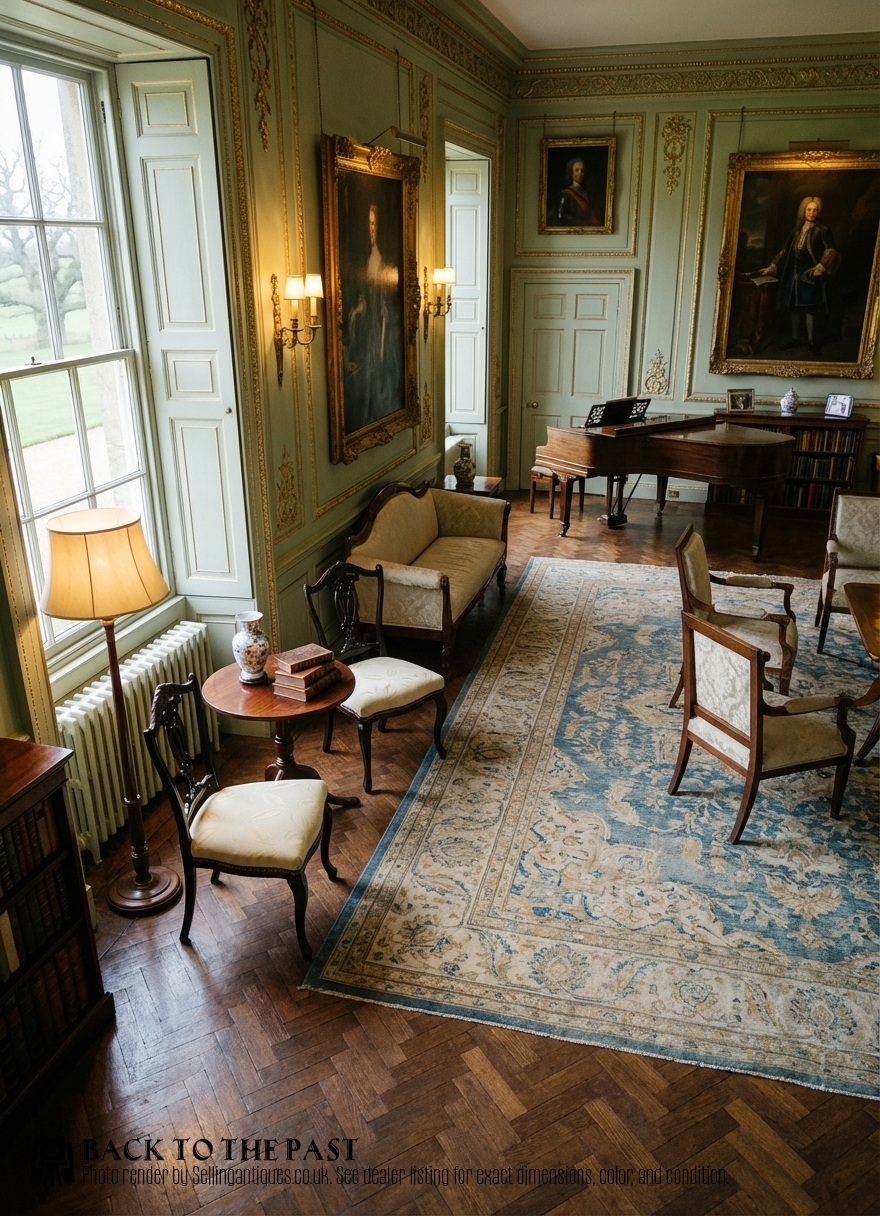
Antique Cream Upholstered Seating
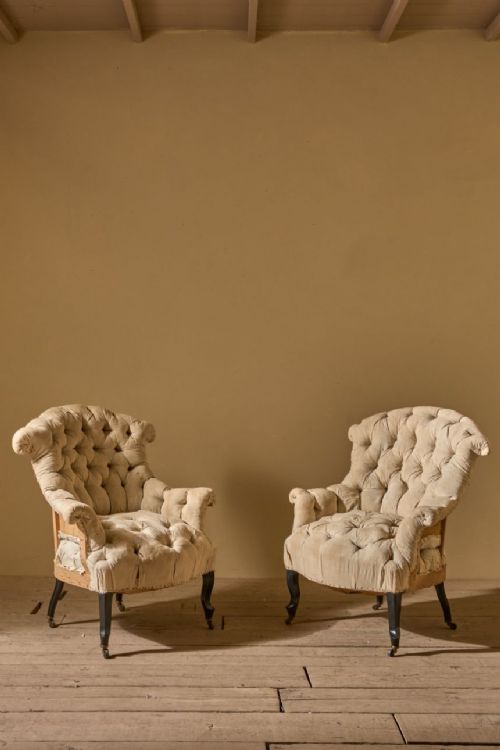
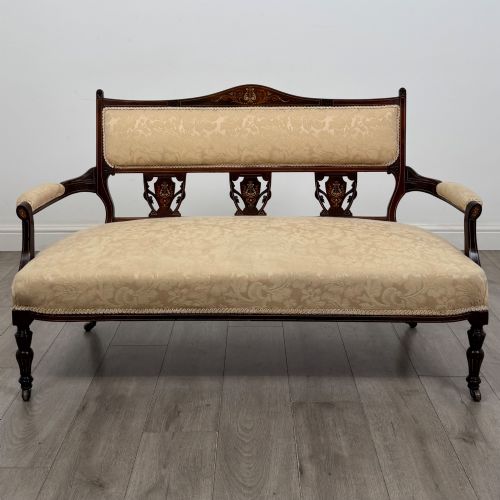
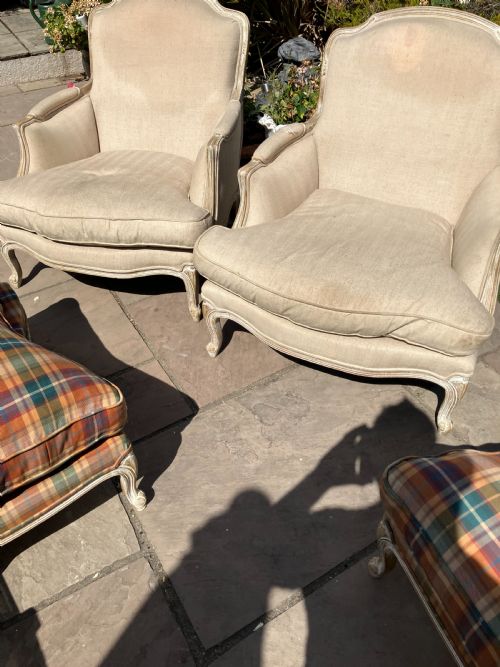
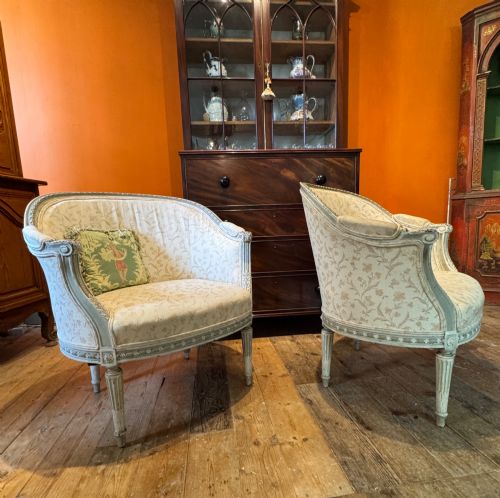
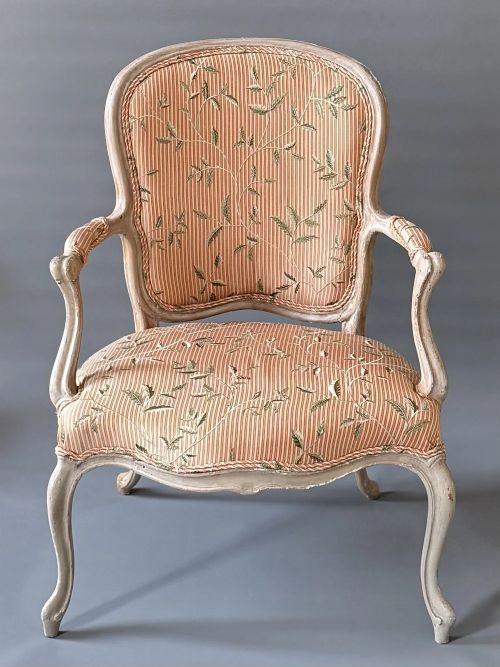
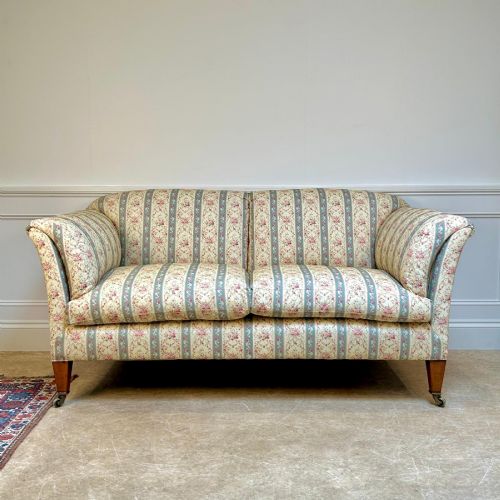
When you search for antique cream upholstered seating, you find an assortment of chairs, sofas, and stools spanning several centuries of design. The inventory on this page includes Victorian Chesterfields, Edwardian country house sofas, and French bergere armchairs alongside various stools and dining chairs.
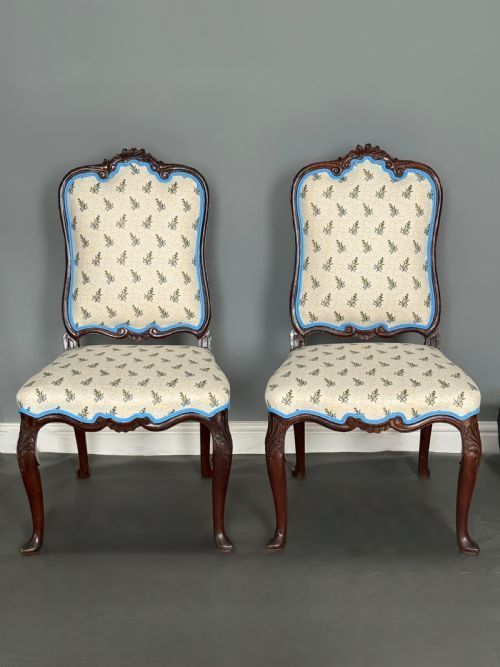
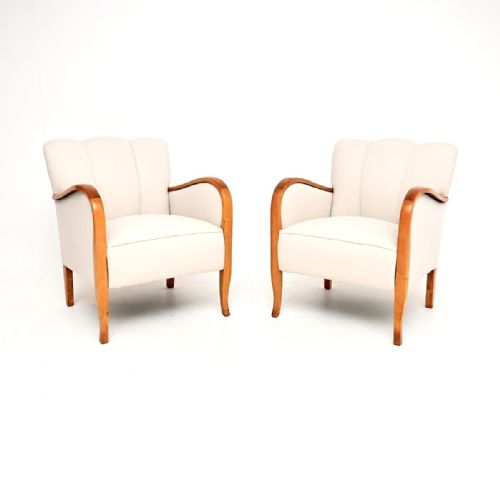
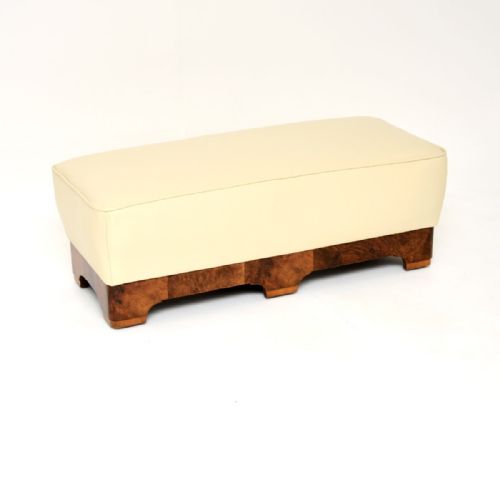
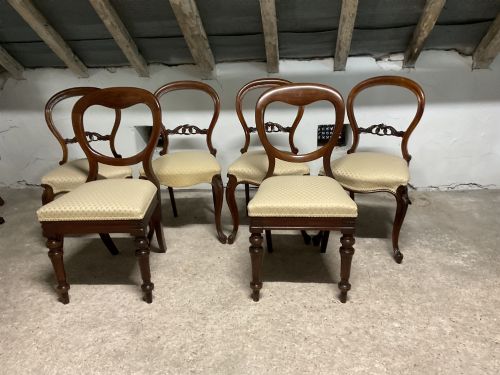
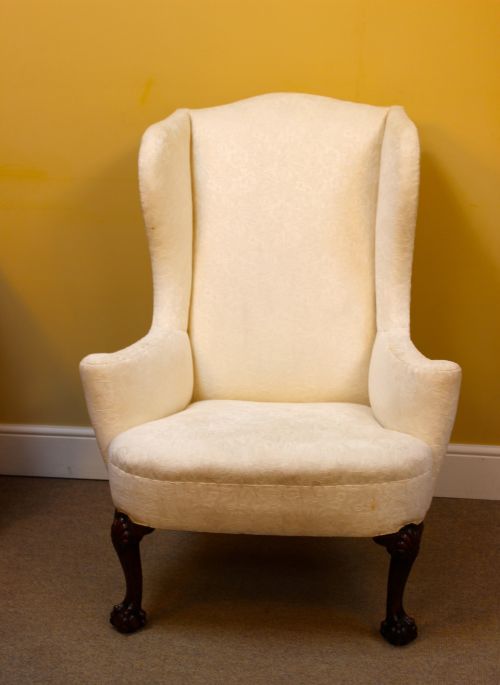
Victorian pieces dominate the seating forms, ranging from deep-buttoned sofas in calico linen to walnut balloon-back dining chairs. Alongside these are earlier Georgian and 18th century armchairs, plus mid-century French painted chairs and Art Deco stools in satin birch.
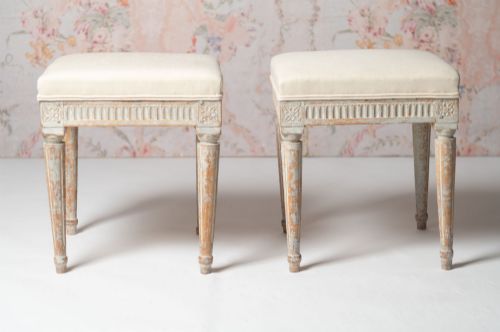
Buyers will encounter multiple seating formats, from large settees and daybeds to compact footstools and dressing stools. The common thread is the combination of historic wooden frames with soft, light-coloured fabric coverings.
Woods and Textile Coverings
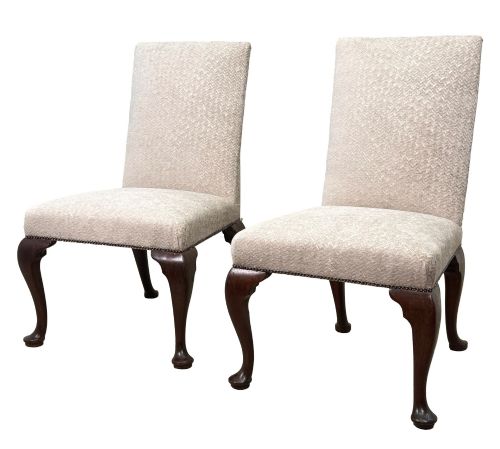
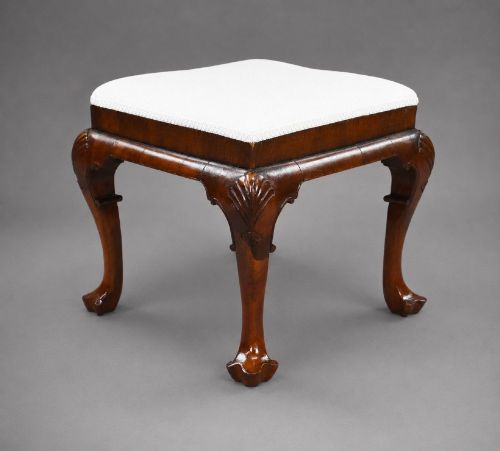
The underlying frames utilise traditional timber construction, employing mahogany, walnut, rosewood, and satin birch, often shaped with cabriole legs, ball and claw feet, or inlaid details. Some pieces retain original paint finishes or ebonised and parcel gilt highlights from the 18th and 19th centuries.
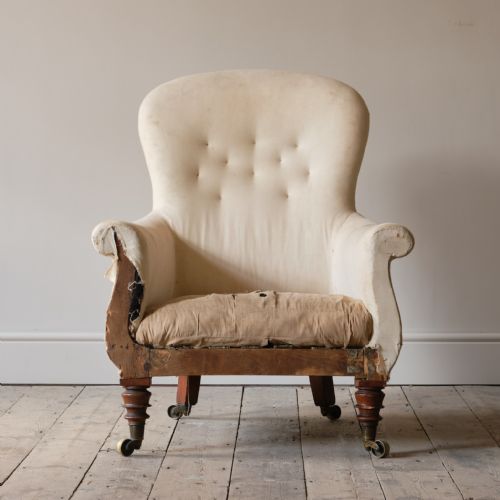
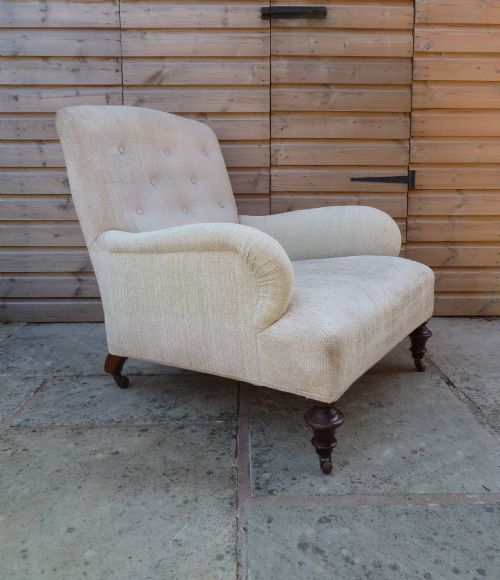
Upholstery relies on historic textile choices recorded in the listings as fabric, linen, and calico. These materials provide a neutral cream foundation over traditional interior stuffing methods, suiting both period restoration projects and contemporary interiors.
Craftsmanship and Frame Integrity
Quality rests primarily on the integrity of the wooden frame and the precision of the joinery, whether dealing with a carved walnut Victorian ladies chair or a Georgian mahogany library chair. Finer examples show crisp carving, balanced proportions, and robust structural timbers such as Cuban mahogany or goncalo alves wood.
The finish of the wood and the state of any applied decoration also distinguish better pieces. Original paint, intricate inlay, or careful parcel gilding elevate standard seating into notable examples of period craftsmanship.
Howard and Sons
The Antique Cream Upholstered Seating Glossary
- Calico
- A plain-woven textile, usually cotton, often used as a base upholstery layer or a neutral covering on antique chairs and sofas.
- Bergere
- A type of enclosed upholstered armchair with wooden framing, originating in France and common in 19th century designs.
- Cabriole leg
- A furniture leg that curves out and then narrows inward, frequently terminating in a pad or claw foot on Victorian and earlier seats.
- Settee
- A long wooden or upholstered seat with a back and arms, designed for more than one person.
- Satin birch
- A light-coloured hardwood with a lustrous grain, utilised in Art Deco seating frames.
Antique Cream Upholstered Seating: Frequently Asked Questions
What periods do these seats come from?
The listings encompass items from the 18th, 19th, and early 20th centuries, including Georgian, Victorian, Edwardian, and Art Deco eras.
You will also find mid-century French pieces alongside earlier revival styles like Queen Anne and Louis XV.
How were these chairs and sofas used originally?
Armchairs and Chesterfields served as primary seating in drawing rooms and country house libraries, while smaller stools functioned as dressing or piano seats.
Dining chairs were arranged around large tables for formal meals, and settees provided communal seating in parlours.
How do I care for cream upholstered furniture?
Protect light fabric coverings from direct sunlight to prevent fading, and vacuum the textile surfaces gently on a regular basis.
Treat the wooden frames with appropriate furniture wax according to the timber type, avoiding excessive moisture on the fabric.
Can I tell different seating styles apart?
Styles are distinguished by their framework and silhouette, such as the curved cabriole legs of Victorian pieces or the geometric lines of Art Deco satin birch.
Upholstery details like calico linen covers and deep buttoning also help identify specific periods and workshops.