

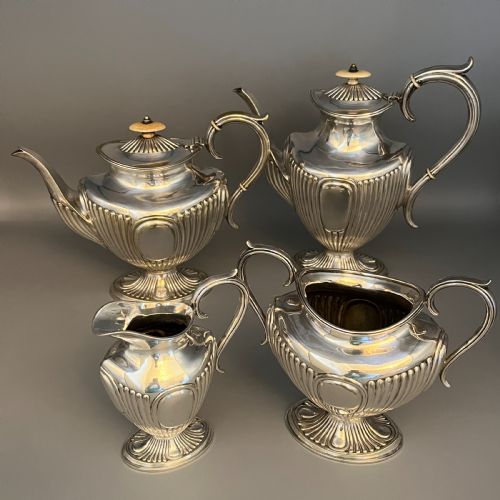
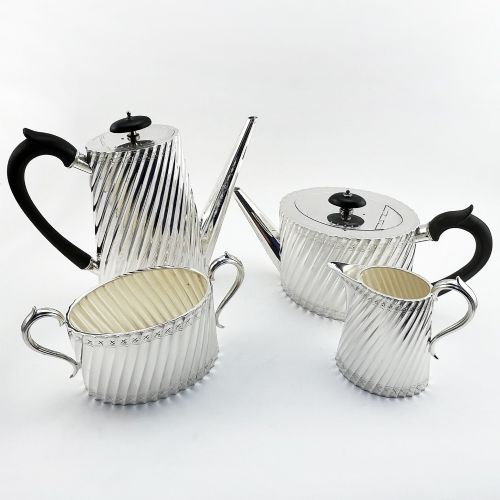

Antique Cream Plates
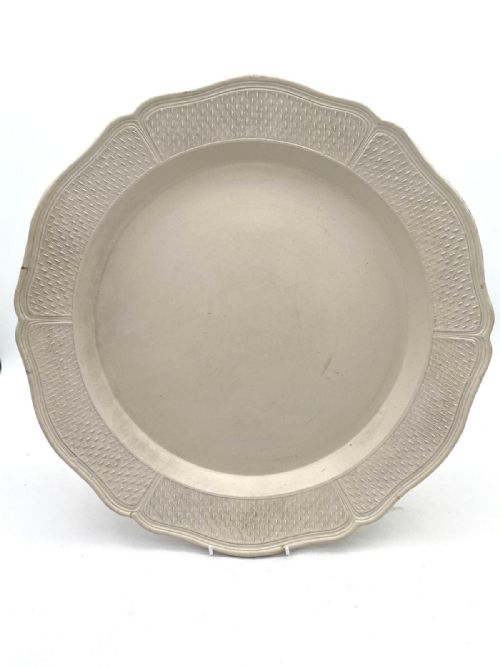
These antique cream plates bring historical earthenware and porcelain into domestic settings, offering collectors tangible links to eighteenth and nineteenth-century ceramic traditions.
Antique Cream Plates
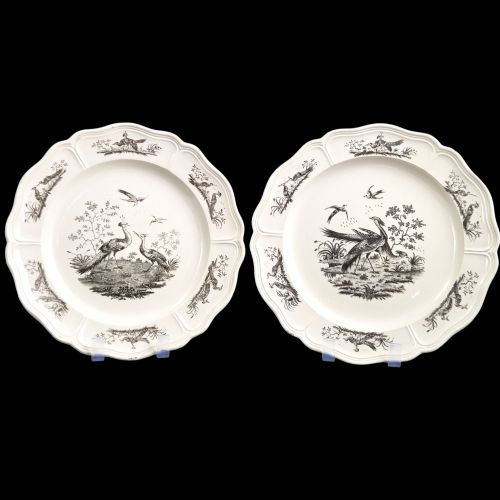
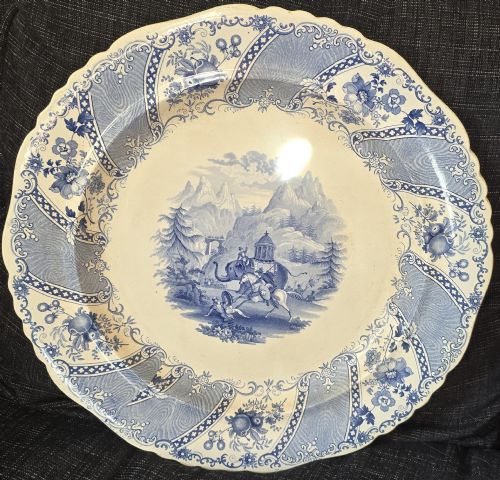
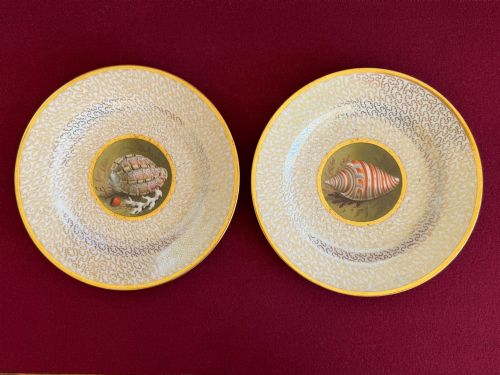
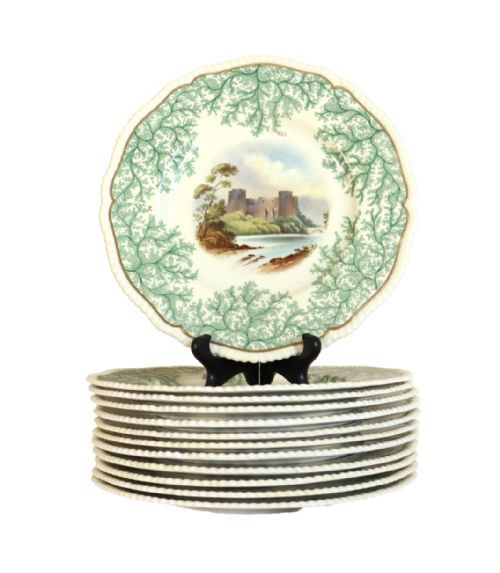
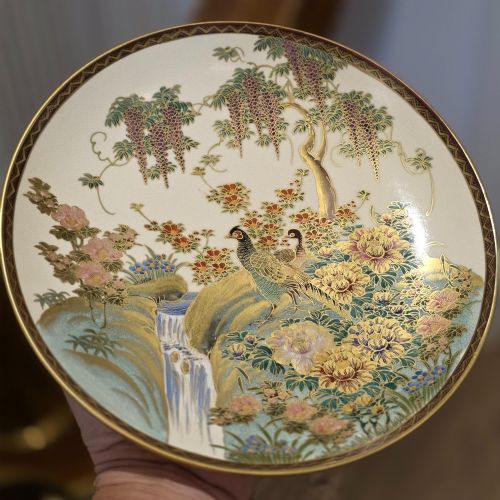
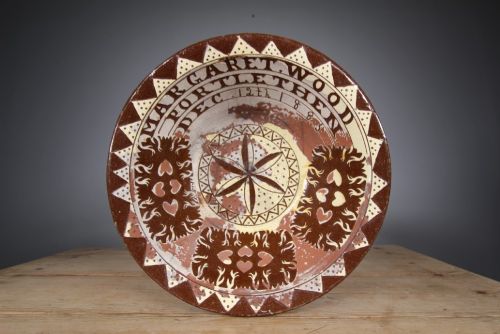
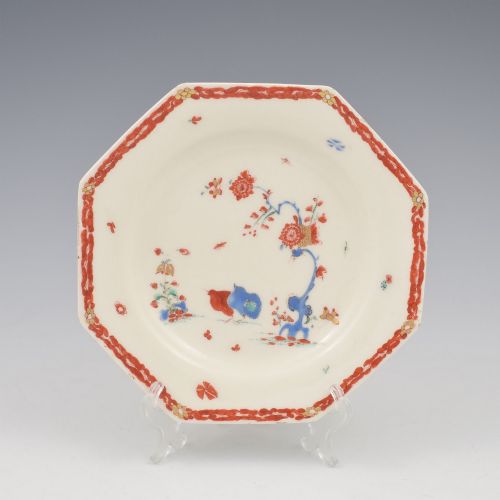
When searching for antique cream plates, buyers encounter wares spanning the eighteenth, nineteenth, and early twentieth centuries, produced by notable factories such as Leeds Pottery, Spode, and Wedgwood. These objects include creamware service pieces alongside transferware and porcelain plates featuring historical scenes, botanical borders, and hand-painted details.
The selections available range from Georgian creamware chargers to Victorian earthenware and porcelain dinner plates. Many survive as single display items or assembled sets, originating from English potteries and European workshops.
How They Were Made
Potters shaped these vessels using earthenware and porcelain clays, applying fluid lead glazes that settled into warm, ivory tones during kiln firing. Transfer-printing techniques allowed makers to apply intricate blue or polychrome designs onto the surface before a final glaze firing fixed the pattern.
Hand-painting and gilding frequently supplemented printed outlines, requiring skilled brushwork on cabinet plates and dessert services. Artisans utilised salt-glazing methods and specialised ceramic bodies to achieve durable domestic wares.
Antique Cream Plates Retail Price Guide 2026
Typical asking prices for cream plates among the pieces listed under this phrase on Sellingantiques today, from the lower quarter to the upper quarter. They describe what is for sale here now, not the wider market.
Some plates survived because families hid them away in cupboards while using everyday wooden trenchers for actual meals.
What Varies in Quality
The standard of a piece depends upon the crispness of the transfer print, the evenness of the cream glaze, and the precision of any hand-applied enamel or gilt details. Early examples demonstrate careful potting with minimal kiln distortion and refined body thickness.
Provenance and maker attribution elevate certain items, as seen in documented factory pieces with discernible factory marks or historical associations. Greater artistic ambition in hand-painted scenes distinguishes standard domestic vessels from exhibition-grade cabinet plates.
Leeds Pottery·Spode·William Smith And Co·Wedgwood·Barr Flight And Barr
The Antique Cream Plates Glossary
- Creamware
- A fine earthenware developed in Yorkshire and Staffordshire during the eighteenth century, characterised by its pale yellow or buttery cream glaze. It replaced heavier salt-glazed stonewares on dining tables.
- Transferware
- Ceramic ware decorated by pressing a design from an engraved copper plate onto tissue paper, which was then transferred onto the unglazed or biscuit pottery. This technique allowed intricate pictorial scenes to be produced in quantity.
- Porcelain
- A vitrified ceramic material made from china clay and petuntse, fired at high temperatures to achieve a dense, white body. Unlike earthenware, true porcelain is impermeable even without glaze.
- Salt-glazed
- Stoneware fired by throwing common salt into the hot kiln, creating a pitted, orange-peel texture on the surface. This finish provided a durable barrier for utilitarian kitchen and table vessels.
- Enamel
- Opaque vitreous colours fused to the surface of ceramics or metals during a secondary low-temperature firing. These pigments introduced bright palettes to porcelain cabinet plates.
Antique Cream Plates: Frequently Asked Questions
Are these plates suitable for daily use?
While utilitarian earthenware and porcelain were built for dining, historical wear and age make most surviving examples better suited for display or careful occasional service. Thermal shock from hot food can stress century-old ceramic bodies.
Examine the glaze for hairline cracks or crazing before considering any food service use, as porous bodies absorb liquids over time.
How do I date an antique plate?
Look for factory marks, impressed ciphers, and registration numbers on the reverse, which often correspond to specific nineteenth-century ceramic registration years. Stylistic clues such as border patterns and transfer print subjects also indicate the period.
Compare the weight, clay body, and potting technique against documented examples from known makers like Wedgwood or Leeds Pottery to narrow the decade of production.
What causes the yellowish colour on creamware?
The distinct pale yellow hue results from the lead glaze interacting with the underlying refined earthenware body during kiln firing. Eighteenth and nineteenth-century potters intentionally refined this tone to create a warm alternative to Chinese porcelain.
Age and mineral absorption can deepen this colour over centuries, lending authentic antique creamware its characteristic warmth.