
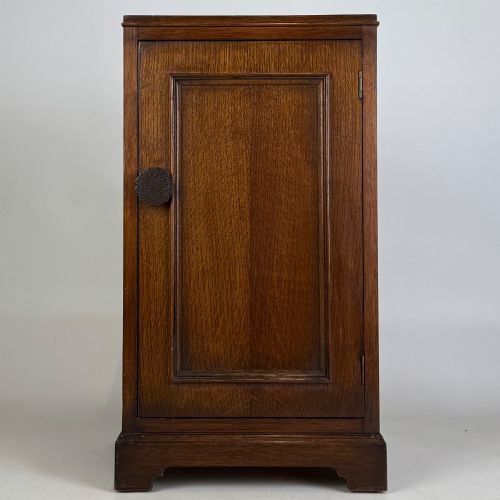
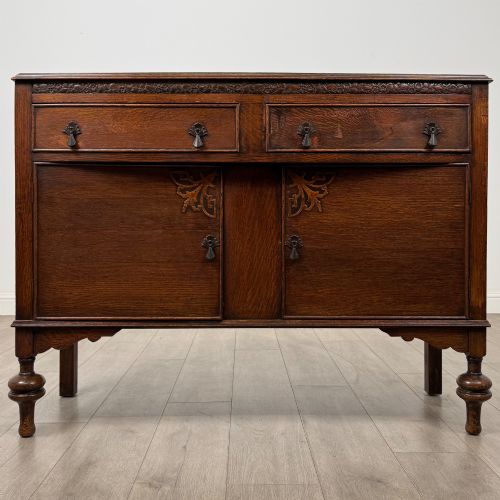


Antique Craft Storage Table
An antique craft storage table brings period utility into modern rooms through fitted compartments and sturdy timbers.
Antique Craft Storage Table
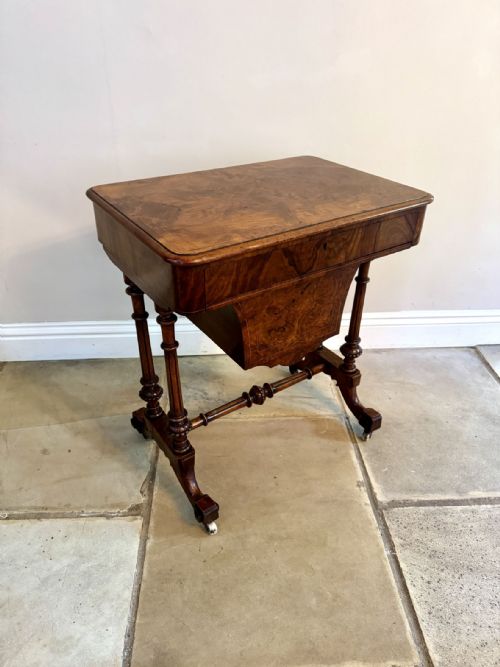
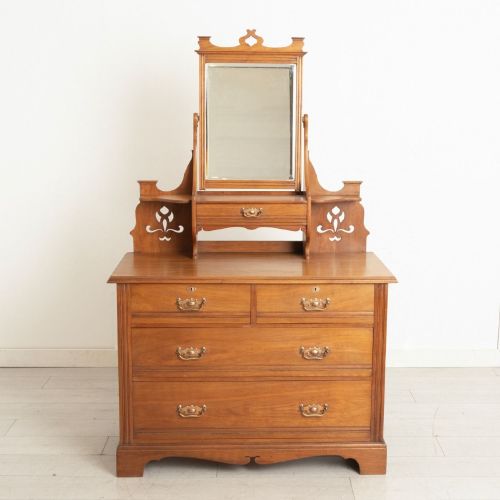
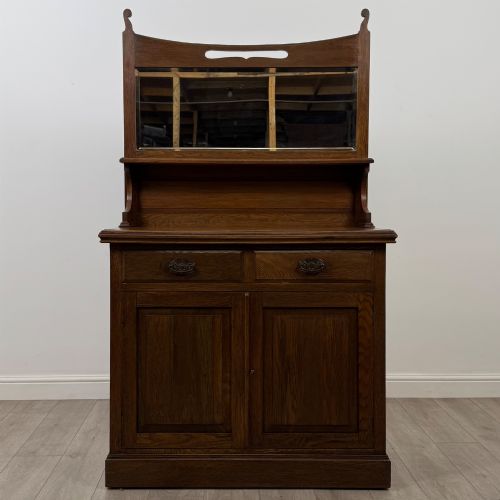
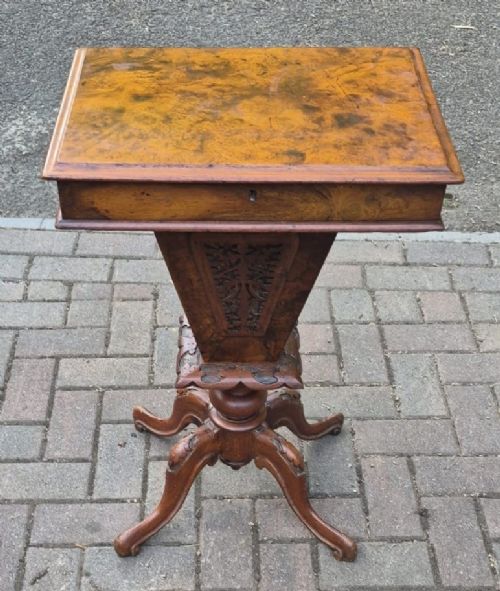
Buyers encounter items constructed from oak, walnut, and mahogany, reflecting styles such as Arts and Crafts, Art Nouveau, and Jacobean Revival. These pieces combine flat surfaces with enclosed storage compartments, drawers, or drop-in boxes suited for organising tools and supplies.
Materials and construction
Woodworking techniques rely heavily on solid oak, walnut, and burr walnut, joined to create durable frames for daily use. Carved details and applied brass hardware frequently accent the main timber structures.
Makers utilised softwoods alongside denser hardwoods like mahogany, incorporating fabric linings within interior compartments for delicate contents.
Current listings feature pieces spanning the nineteenth century, Victorian, Edwardian, and 1930s periods, constructed primarily in oak, walnut, and mahogany.
Markers of quality
Quality rests in the selection of timber figures, such as burr walnut or quarter-sawn oak, and the crispness of carved ornamentation. Superior examples display thoughtful joinery that maintains structural integrity across drawers, drop-fronts, and hinged lids.
Finer pieces integrate decorative elements like tile tops or polished brass fittings harmoniously into the overall design, whereas simpler utilitarian items rely on plain surfaces and basic softwood frames.
The Antique Craft Storage Table Glossary
- Arts and Crafts
- A design movement prioritising traditional craftsmanship and simple forms over mass production. Pieces from this style often feature exposed joinery and honest use of oak.
- Burr walnut
- A highly prized wood veneer showing swirling grain patterns caused by growth deformities on walnut trees. It is utilised on statement furniture surfaces.
- Occasional table
- A small, movable table designed for a specific, intermittent function rather than heavy daily use. These include lamp and side tables.
- Monks bench
- A multifunctional piece of furniture featuring a hinged back that folds down to form a table top over a storage chest. They frequently appear in oak with carved panels.
Antique Craft Storage Table: Frequently Asked Questions
What is an antique craft storage table used for?
These tables provide dedicated space for organising sewing gear, crafting materials, and small household items within fitted drawers or cabinets. The top surfaces simultaneously function as standard side tables or lamp stands in living areas.
Historically, specific forms like sewing boxes on stands kept needles, threads, and fabrics tidy near a chair. Today, they serve equally well for modern hobbies while adding period character to a room.
How do I date an oak craft table?
Dating relies on stylistic clues and construction methods visible in the woodwork and hardware. Pieces displaying flat, geometric carvings and rich golden oak tones typically point toward the Arts and Crafts movement around nineteen hundred.
Later items from the nineteen-thirties adopt more streamlined modern silhouettes with minimal ornamentation. Comparing the drawer construction and handle styles helps narrow down the decade of manufacture.
Are these tables suitable for small rooms?
Compact forms like bedside cabinets, tabletop cabinets, and small side tables fit easily into tight spaces while offering concealed storage. Their dual nature as a surface and a container maximises utility in modest interiors.
Tall or bulky sideboards require more floor space, but occasional tables and sewing boxes remain modest in footprint. They tuck neatly beside armchairs or against bedroom walls.
What woods were used for these pieces?
Makers predominantly employed oak, walnut, and mahogany as the primary structural and visual timbers. Burr walnut appears on select surfaces for decorative effect, showcasing intricate natural grain patterns.
Softwoods and mixed metals also appear in internal framing and hardware components. Each timber variety dictates the overall tone, weight, and style of the finished furniture.