

Antique Country Tea Table
An antique country tea table brings domestic warmth to a room, offering sturdy timber construction and simple vernacular charm.
Antique Country Tea Table
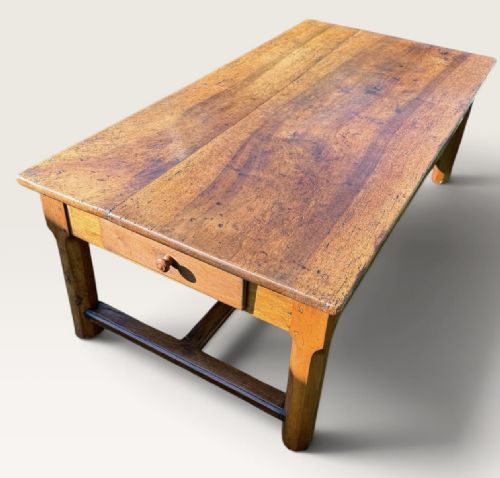
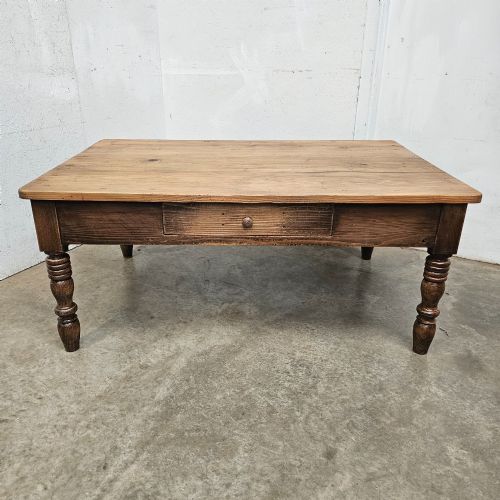
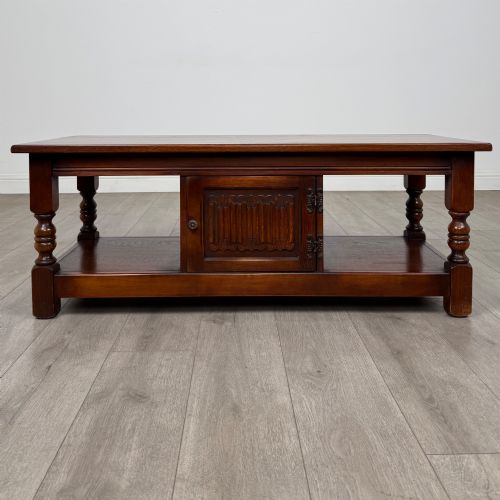
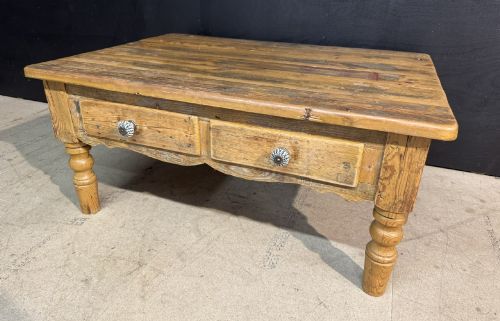
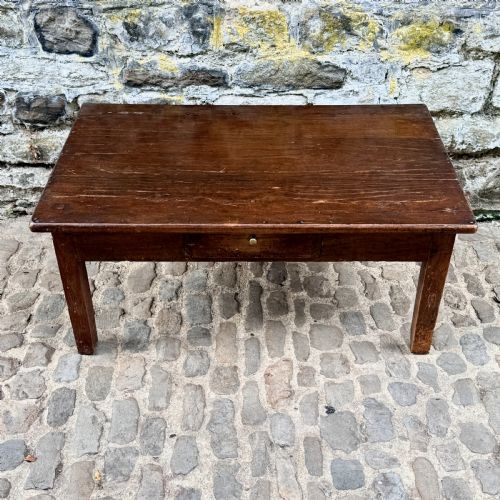
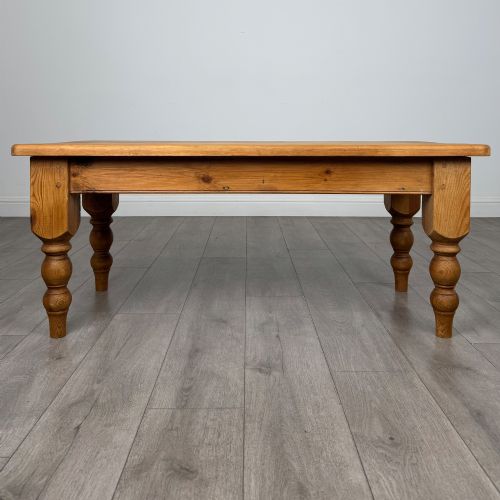
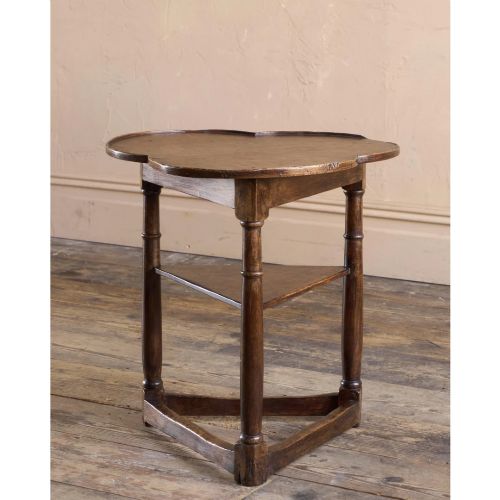
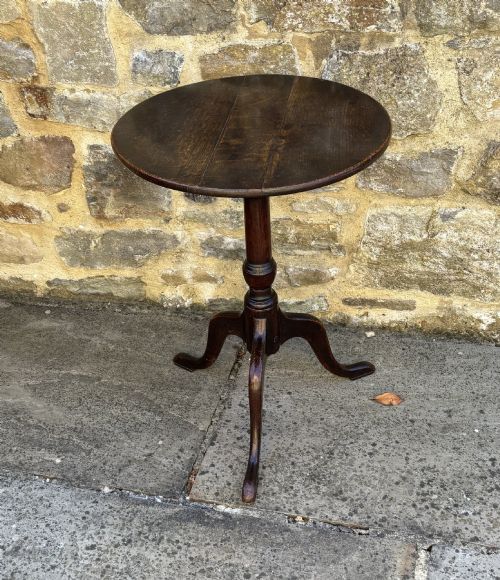
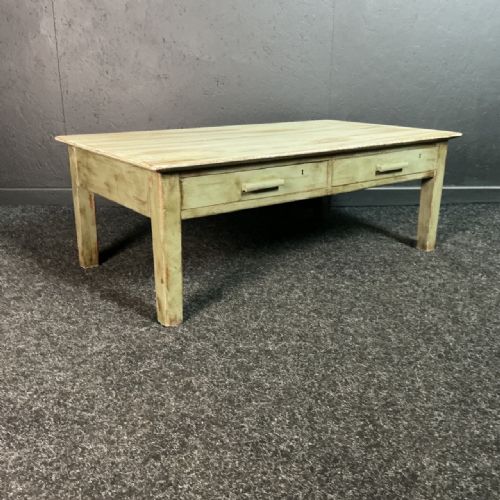
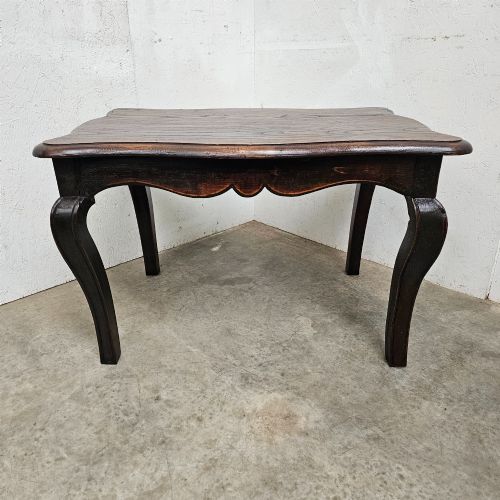
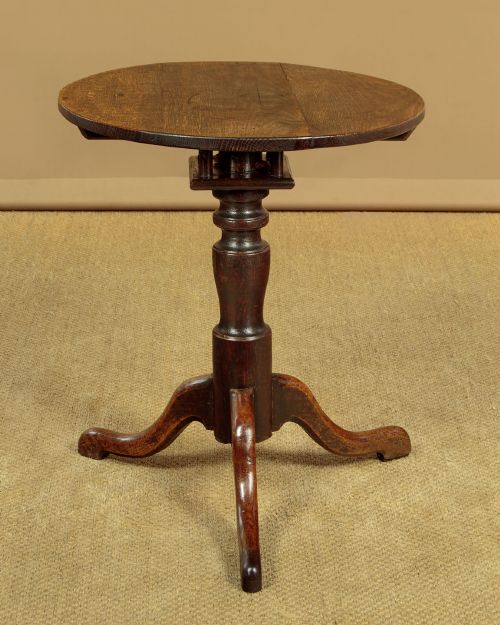
An antique country tea table represents domestic utility from past centuries, often found in forms such as tripod tables, cricket tables, and side tables. Buyers seeking an antique country tea table encounter pieces shaped by regional makers using local timber for daily family life.
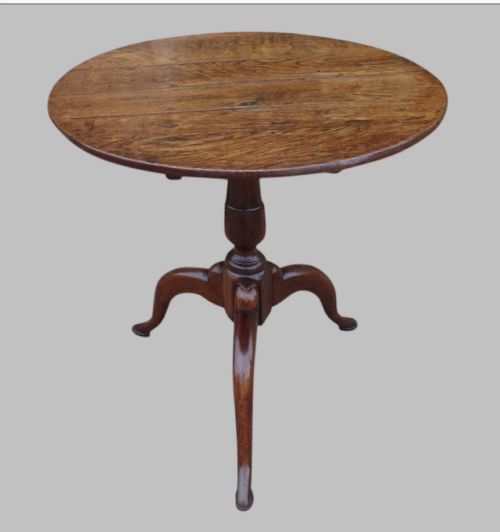
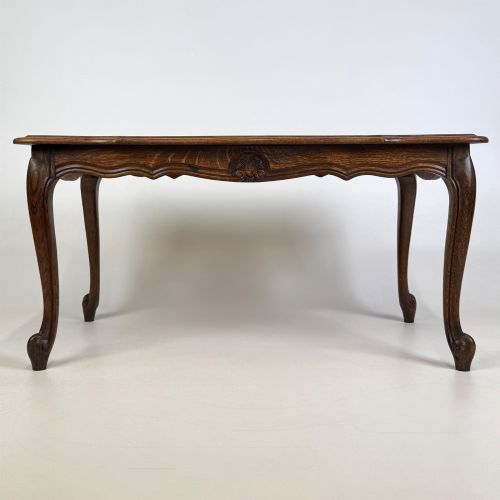
The selection ranges from eighteenth-century oak and fruitwood tripod tables to nineteenth-century pine, elm, and cherrywood low tables. Georgian and Edwardian examples sit alongside rustic farmhouse designs from English, French, Austrian, and Swedish origins.
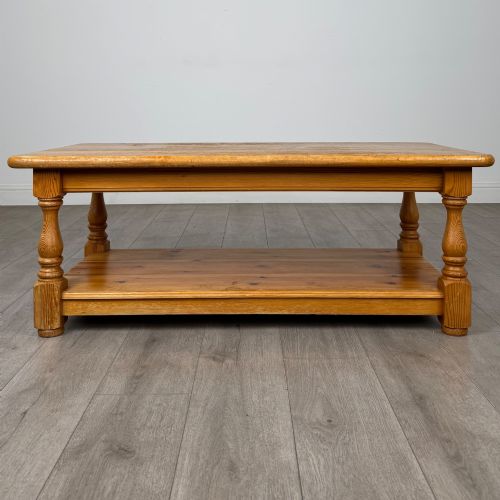
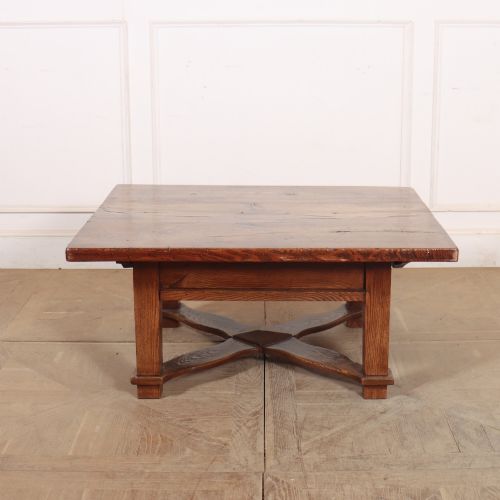
Many items function today as coffee tables or occasional tables, retaining the proportions and patination of their utilitarian origins. The surviving inventory bridges formal Georgian cabinetwork and rugged vernacular carpentry.
How they were made
Carpenters constructed these tables predominantly from solid native hardwoods and softwoods, including oak, pine, elm, fruitwood, cherrywood, walnut, and chestnut. Timbers were selected for local availability and toughness rather than decorative uniformity.
Joinery relied on pegged mortise and tenon joints, turned legs, bobbin turnings, and tripod bases with tilt-top mechanisms. Surfaces often show hand-planed boards, occasional painted finishes, and forged brass or iron fixings.
Listings span oak, pine, elm, walnut, cherrywood, chestnut, ash, and sycamore across the eighteenth and nineteenth centuries.
What varies in quality
Quality rests in the integrity of the timber selection, the crispness of the hand-turned legs, and the survival of original surface patination. Early pieces with uncompromised pegging and stable tripod bases demonstrate superior maker skill.
Proportion and utility dictate distinction, where balanced top boards and tight joints separate master vernacular work from routine regional carpentry.
The Antique Country Tea Table Glossary
- Tripod table
- A small round table supported by a central pillar and three legs. This form gained popularity in the eighteenth century for serving tea or holding light items.
- Cricket table
- A small wooden table featuring three splayed legs and typically a triangular or round top. Early versions provided stability on uneven flagstone floors.
- Tilt-top table
- A table designed with a mechanism allowing the top to pivot vertically when not in use. This conserved floor space in smaller rooms.
- Vernacular furniture
- Domestic pieces made by local tradesmen rather than urban cabinetmakers. They prioritise regional utility and available materials.
- Patina
- The surface sheen and colour developed over decades of handling, polishing, and natural ageing. It signals genuine historic use.
Antique Country Tea Table: Frequently Asked Questions
What is an antique country tea table?
An antique country tea table is a domestic wooden table produced in regional workshops for serving tea or general household use.
These pieces typically date from the eighteenth and nineteenth centuries, utilising timbers like oak, pine, and fruitwood with simple turned or tripod supports.
How were country tea tables used?
They served primarily for pouring and drinking tea, a central social ritual in historic households.
Beyond tea service, their portable size made them versatile for holding books, candles, or needlework in parlours and sitting rooms.
How do I style a country tea table?
Their modest proportions and warm timber tones allow them to function naturally as low coffee tables or side tables in modern spaces.
Pair them with upholstered seating where their turned legs and historic surfaces can provide a visual contrast to contemporary textiles.
How do I distinguish eighteenth-century tables?
Eighteenth-century examples often feature pegged joinery, hand-planed solid boards, and dense timbers like oak, elm, or fruitwood.
Construction details such as birdcage tilt-top mechanisms or dynamic tripod bases point directly to this earlier period.