

Antique Country Sporting Art
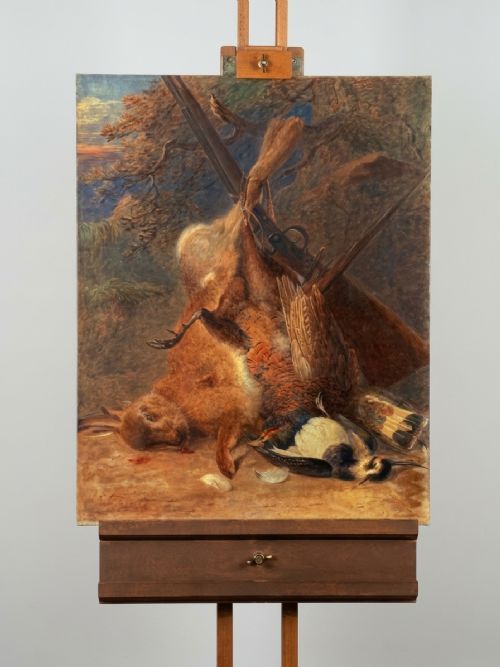
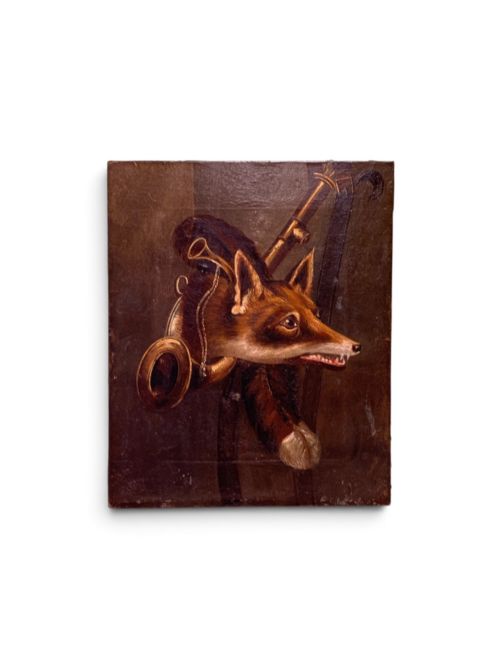
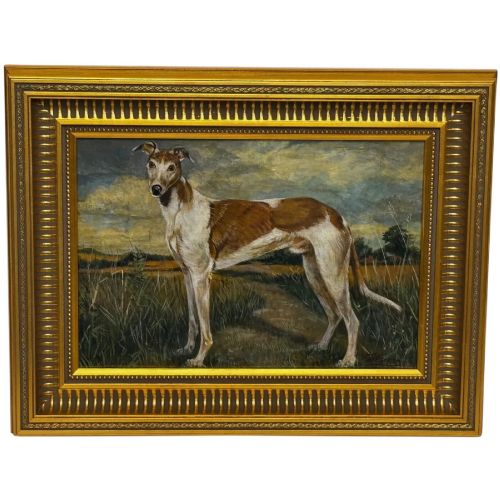
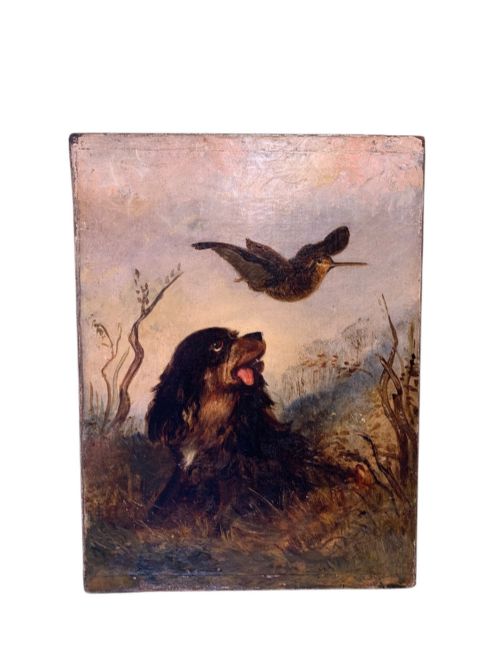
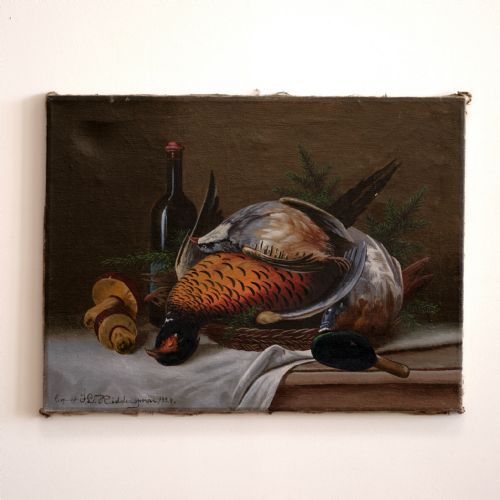
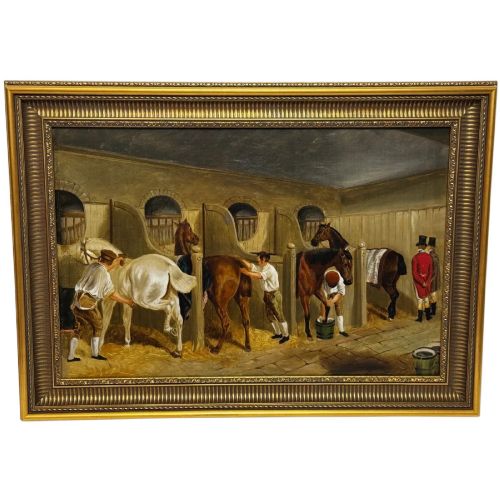
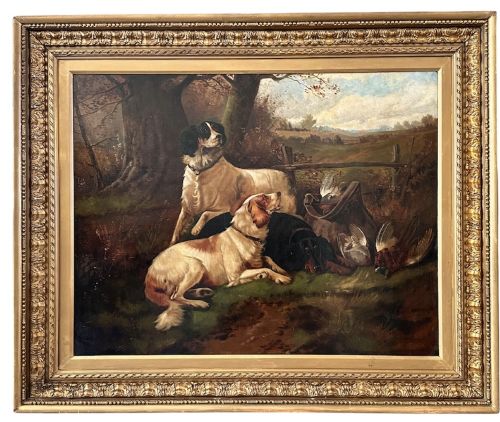
These antique country sporting art pieces capture horses, hounds, game and rural pursuits across oil, canvas and paper.
Antique Country Sporting Art
When you search for antique country sporting art, you encounter oil paintings, watercolours, lithographs and decorative objects centred on rural pastimes, gun dogs, horses and game. The items span the Georgian, Victorian and Edwardian periods, stretching from the early nineteenth century into the mid twentieth century.
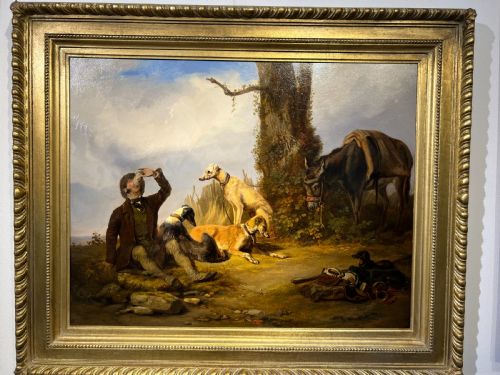
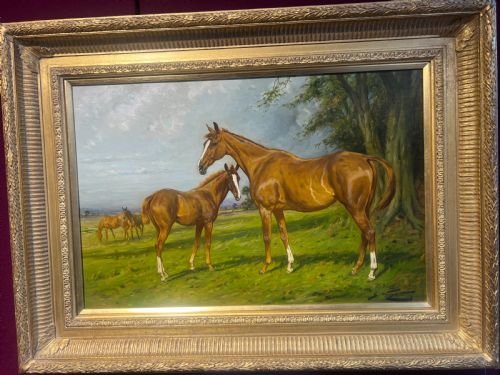
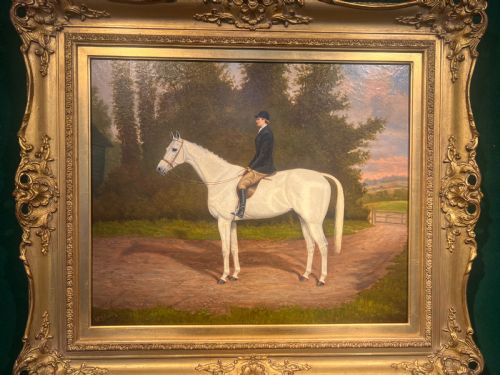
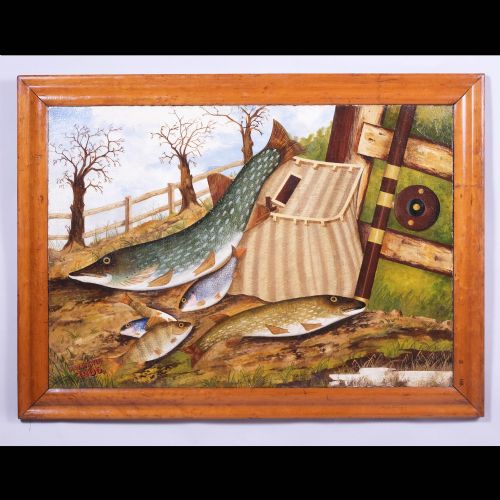
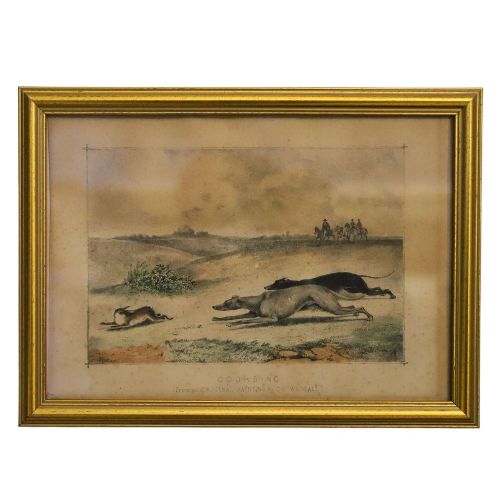
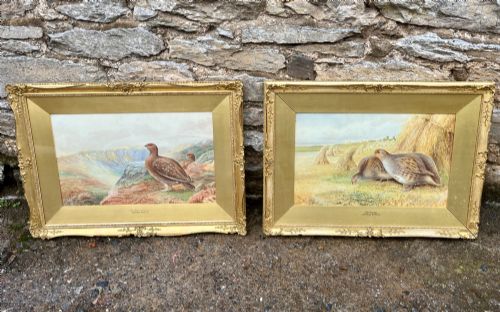
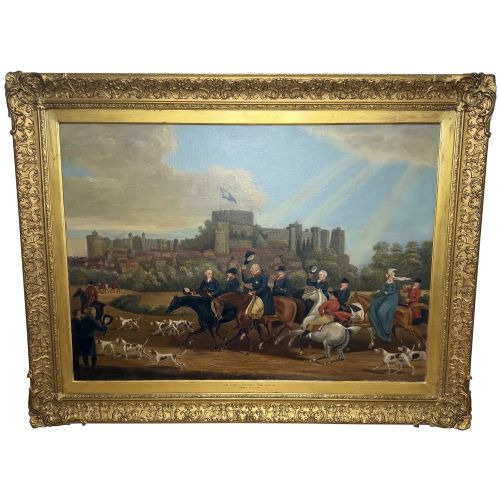
You are most likely to meet framed oil paintings on canvas and board depicting hounds, spaniels, horses and hunting scenes. These works range from naive portrayals to detailed academic portraits by named Victorian and Edwardian painters.
Materials and construction
These works rely primarily on oil paint applied to canvas or wood panels, alongside watercolours and bodycolour on paper. Prints utilise lithography, engraving and aquatint techniques, often with hand colouring.
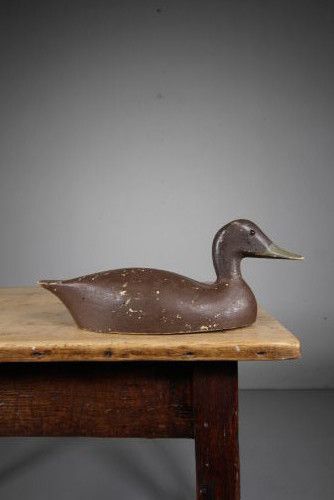
Frames are constructed from wood, including giltwood and gilt framing, while three-dimensional decorative objects such as decoys utilise shaped wood and paint.
Among the hounds and hunters, a stoic wooden dovecote decoy waits patiently for birds that stopped flying over a century ago.
Distinctions in quality
Quality rests upon the confidence of the brushwork and the accuracy of animal anatomy, distinguishing skilled academic output from stiffer naive efforts. The handling of light within landscape backgrounds and the depth given to fur, feather and horseflesh set individual pieces apart.
The integrity of the original framing, the clarity of paper prints and the preservation of the paint surface without heavy restoration dictate the standing of a piece within its period.
George Sydney Shepherd·Sir Edwin Henry Landseer·George Wright·William Albert Clarke·George Rankin·Thomas Walker Bretland·John Frederick Herring Snr·Benjamin Blake·John Arthur Lomax·Samuel Raven·Philip Henry Rideout·George Armfield·George E Sharpe·Colin Graeme Roe·Valentine Thomas Garland·Samuel Spode
The Antique Country Sporting Art Glossary
- Oil on canvas
- A painting medium where pigments suspended in oil are applied to stretched woven fabric. This was the principal method for substantial nineteenth-century animal and sporting portraits.
- Lithograph
- A print made from a flat stone or metal plate using a process based on the repulsion of oil and water. They were widely utilised for reproducing popular hunting and racing scenes.
- Bodycolour
- Water-based pigment mixed with a white filler to make it opaque, providing heavier coverage than traditional watercolour. It was often employed to add bright highlights to feathers and coats.
- Aquatint
- A variant of etching that produces tonal areas resembling washes of watercolour. This technique suited the reproduction of sporting prints published in series.
- Decoy
- A carved and painted wooden object shaped like a bird or animal to attract game. Country house examples often combine utilitarian function with folk art character.
Antique Country Sporting Art: Frequently Asked Questions
What subjects appear in sporting art?
The works depict horses, foxhounds, gun dogs, game birds, hares and country pursuits. Scenes range from stable portraits to wide landscape hunts.
Human figures occasionally appear as country gentlemen, riders and handlers alongside their animals.
How were these pictures displayed originally?
Owners hung these paintings in country houses, libraries and hunting lodges within heavy giltwood frames. They reflected the owner's participation in rural field sports and breeding.
Smaller watercolours and prints were often grouped in sets along corridors and informal sitting rooms.
How do I date a sporting painting?
Dating relies on costume details of the riders, the style of the gilt frame and written inscriptions on the reverse of the canvas. Pigment analysis and stretcher construction also offer clues.
Many Victorian and Edwardian works carry artist signatures and dates directly on the front of the composition.
Are painted wooden decoys considered art?
Decoys were originally utilitarian objects placed in fields or water to attract birds during shoots. Collectors now value them as folk art sculpture due to their carved forms and weathered painted surfaces.