

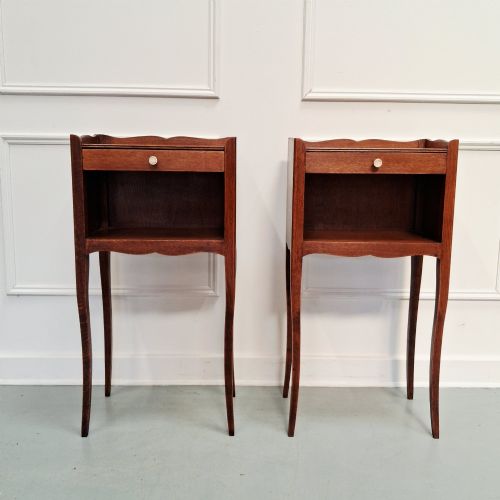
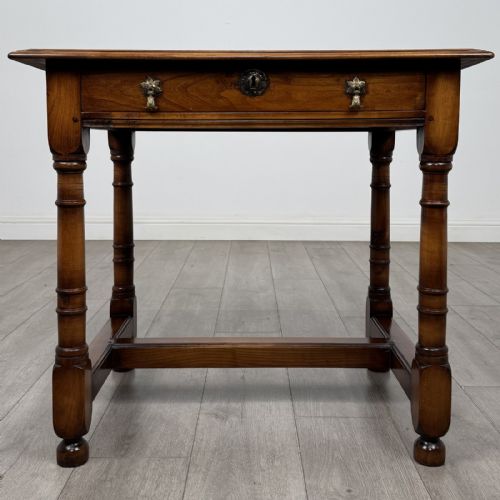
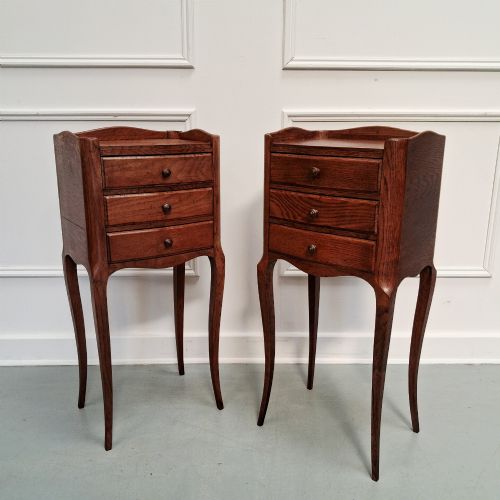
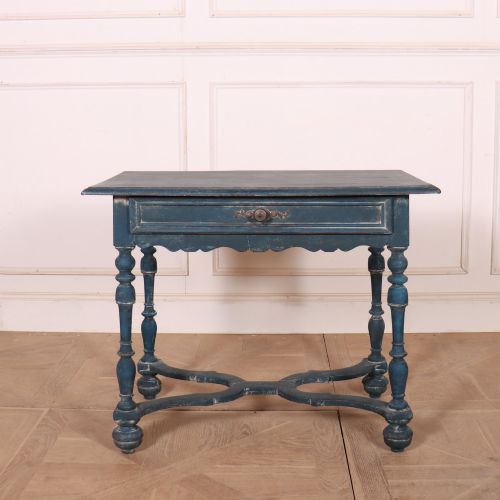
Antique Country Nightstand
These antique country nightstands bring honest provincial character and practical bedside storage to a room through centuries of timber and paint.
Antique Country Nightstand
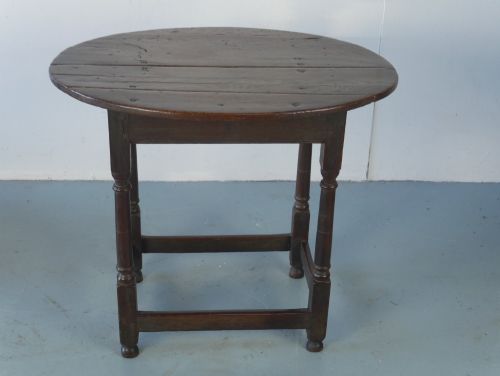
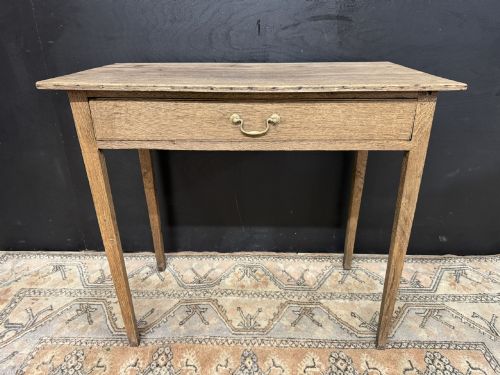
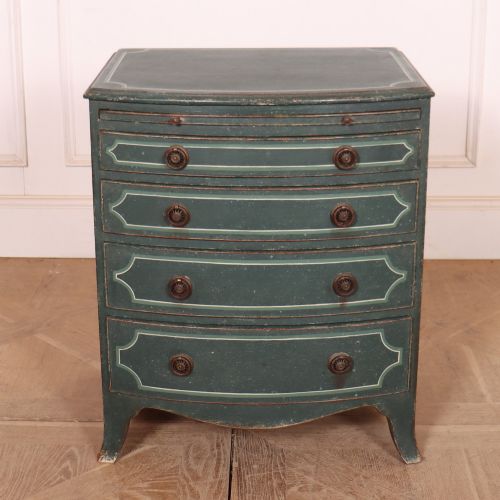
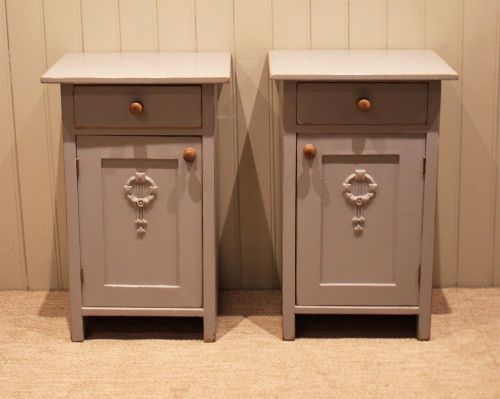
An antique country nightstand encompasses low side tables, small chests of drawers, and bedside cabinets rooted in rural domestic life. Buyers searching this phrase typically encounter sturdy pieces made from oak, pine, fruitwood, and walnut.
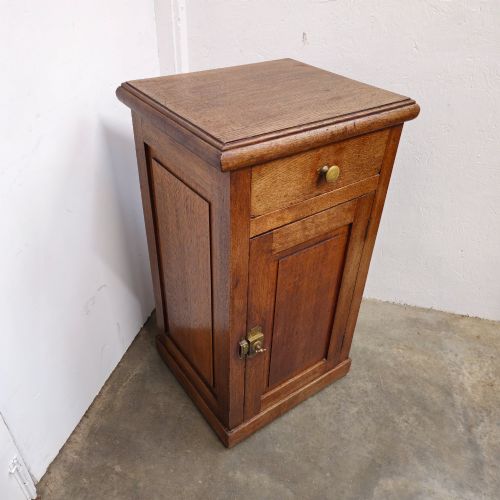
The selections span the eighteenth, nineteenth, and early twentieth centuries, drawing on English, French provincial, Dutch, and Swedish traditions. Cabinets with enclosed cupboards or single drawers appear frequently alongside open lamp tables.
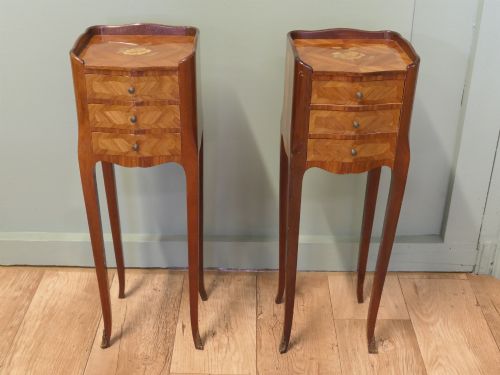
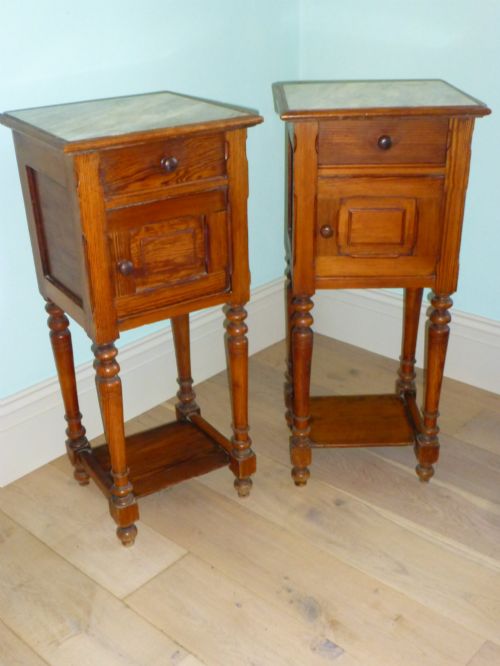
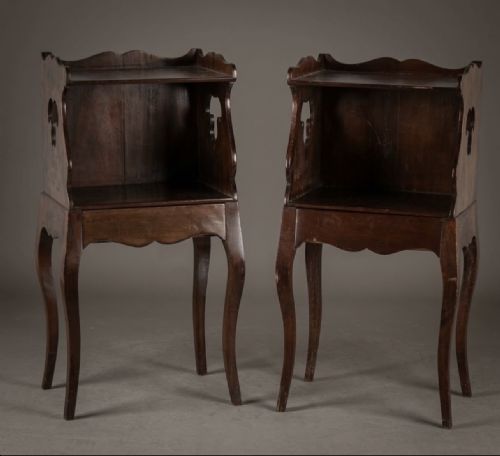
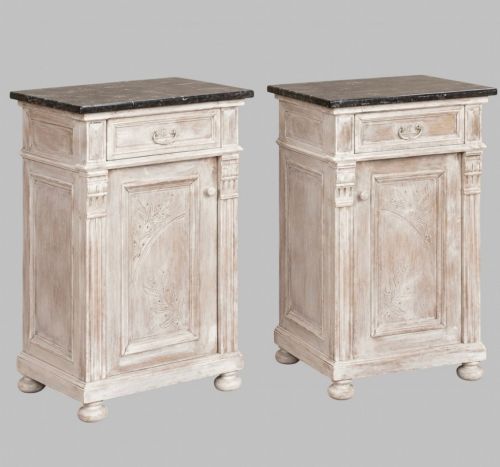
Regional forms range from humble scrubbed pine washstands and primitive scullery chests to marble-topped French chateau bedside pieces. This variety reflects the practical needs of bedrooms across different European country houses and cottages.
Materials and construction
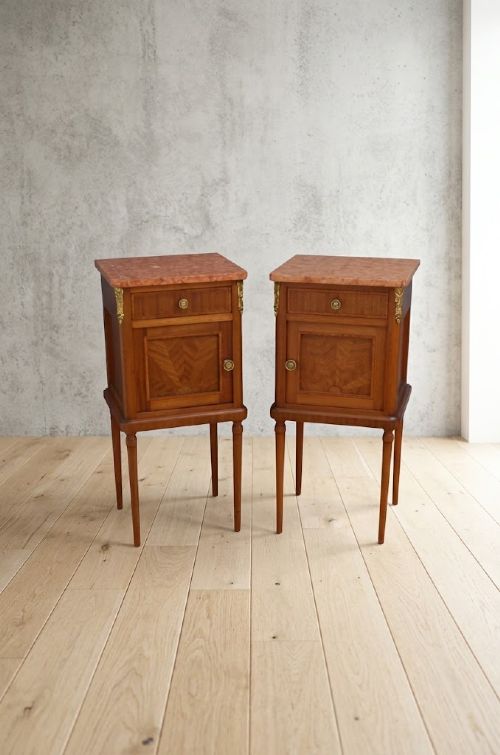
Solid timbers such as oak, cherrywood, ash, and pine form the structural core of these bedside pieces, joined using traditional methods suited to domestic workshops. Fruitwood and burr veneers appear on finer French examples, paired occasionally with inset marble tops.
Surfaces display layers of historic paint, simulated wood grain, wax finishes, or bleached treatments applied over decades of use. Iron, brass, and turned wooden hardware secure doors and drawers built for daily utility.
Antique Country Nightstand Retail Price Guide 2026
Typical asking prices for country nightstand among the pieces listed under this phrase on Sellingantiques today, from the lower quarter to the upper quarter. They describe what is for sale here now, not the wider market.
Several small cupboards were built low enough to ensure servants could reach the chamber pot without fully waking.
Assessing quality in country bedside pieces
Quality rests upon the integrity of the timber selection and the restraint of past restoration work. Pieces retaining their original painted surfaces, untouched hardware, and stable structural joints hold greater integrity than heavily altered examples.
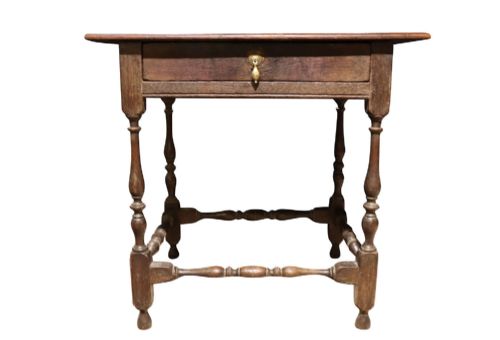
Refinement of proportion and joinery distinguishes simpler utilitarian washstands from sophisticated provincial cabinet-making. Subtle details like bobbin-turned legs, matched fruitwood veneers, and cleanly fitted marble slabs elevate certain pieces above standard vernacular furniture.
The Antique Country Nightstand Glossary
- Bedside cabinet
- A small enclosed piece of furniture designed to sit beside a bed, usually featuring a cupboard door above or below a small drawer.
- Fruitwood
- Timber derived from fruit-bearing trees such as cherry, pear, or apple, prized in provincial cabinet-making for its warm tone and fine grain.
- Upstand
- A vertical raised lip at the back or sides of a cabinet or table top designed to prevent items from slipping off.
- Washstand
- A low piece of furniture originally built to hold a wash basin and jug, often adapted today as a bedside table or lamp stand.
- Bobbin-turned
- A style of furniture leg or stretcher shaped on a lathe to resemble a string of rounded bobbins or spools.
Antique Country Nightstand: Frequently Asked Questions
How do I care for antique painted wood furniture?
Historic painted surfaces require gentle cleaning with a dry or barely damp microfiber cloth to remove dust without disturbing the pigment. Avoid harsh chemical cleaners, modern furniture sprays, and direct sunlight that can fade aged paint.
Applying a microcrystalline wax occasionally will protect older painted or polished finishes from moisture and minor scuffs.
Can I use an antique washstand as a nightstand?
Antique washstands make practical nightstands because their proportions and heights match standard bed levels closely. Many include protective upstands that prevent bedside water glasses or books from slipping backward.
Their lower shelves or small cupboards provide convenient storage for reading materials and nighttime essentials.
How do I identify French provincial bedside pieces?
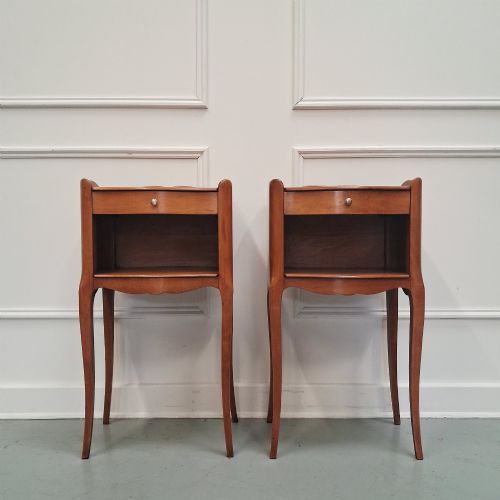
French provincial pieces often feature softer fruitwood timbers, cherrywood, or layered painted finishes rather than heavy dark oak. Details like subtle carving, shaped aprons, and inset marble tops point toward continental workshop origins from the nineteenth or early twentieth century.
Their hardware and leg profiles typically reflect regional French furniture traditions distinct from English country styles.