






Antique Country Folk Chair
These antique country folk chairs combine regional vernacular traditions with honest handcrafting, offering buyers a genuine connection to domestic history.
Antique Country Folk Chair
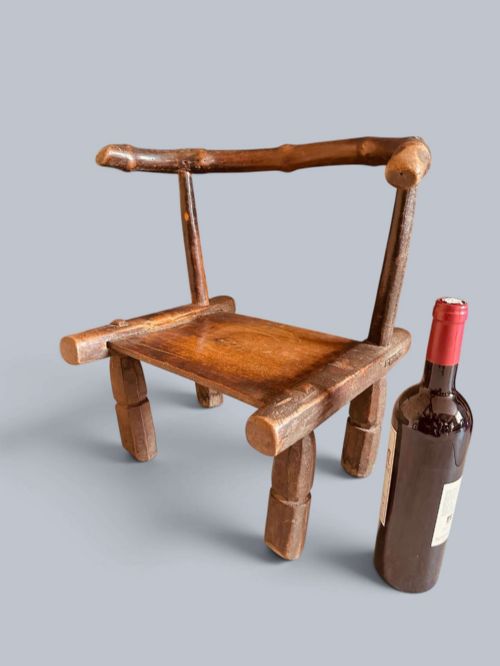
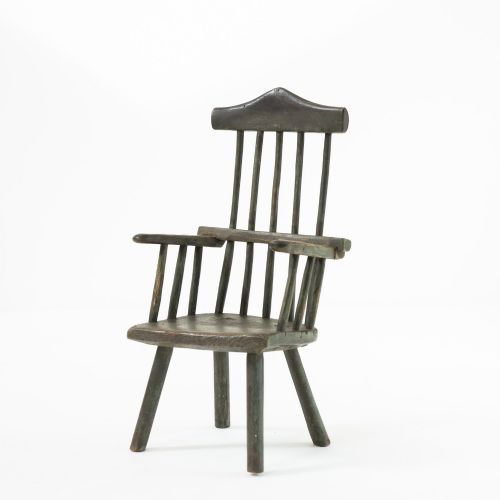
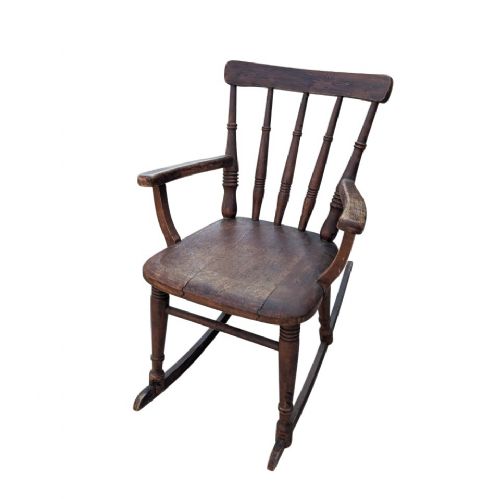
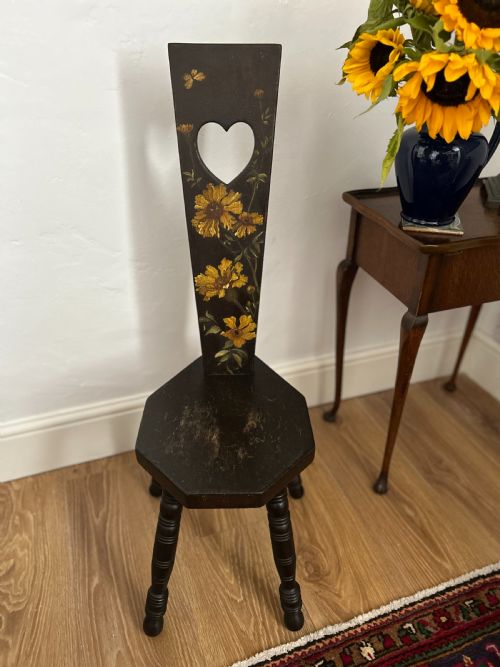
When you search for an antique country folk chair, you encounter domestic seating shaped by local traditions and rural utility across the eighteenth, nineteenth, and early twentieth centuries. These pieces encompass diverse regional forms including stick backs, comb backs, spindle backs, and dug out seats designed for everyday use in cottages and farmhouses.
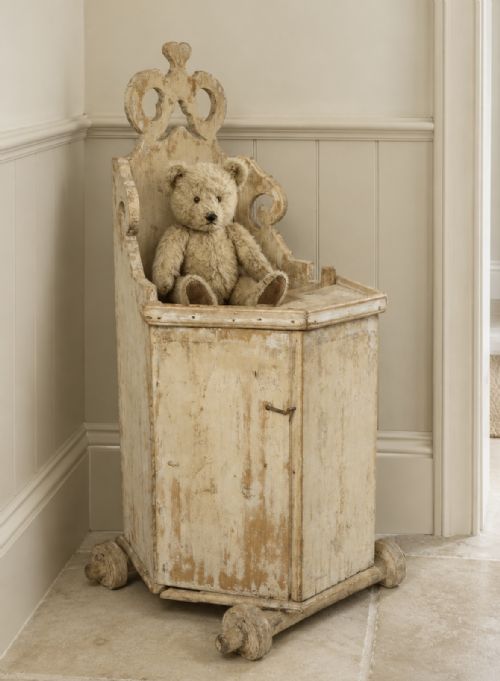
The selection on this page leans heavily toward Scandinavian and Welsh vernacular pieces alongside Irish, Austrian, and Hungarian examples. You will frequently find children's chairs, rocking chairs, highchairs, and nursing chairs that reflect the specific functional needs of historic rural households.
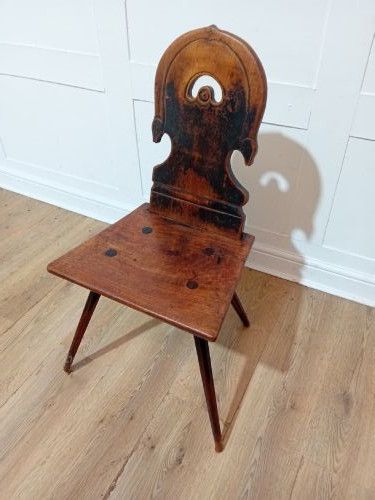
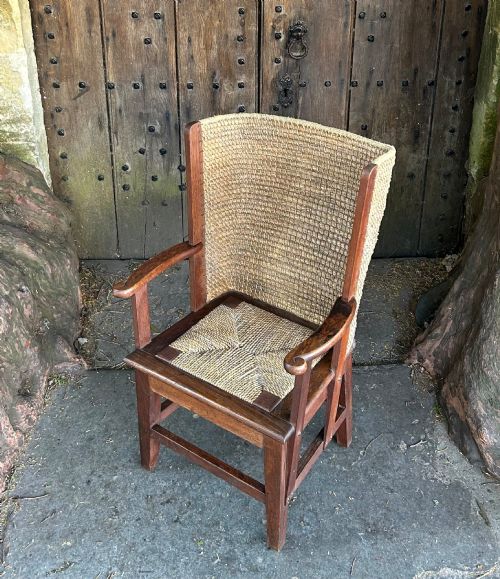
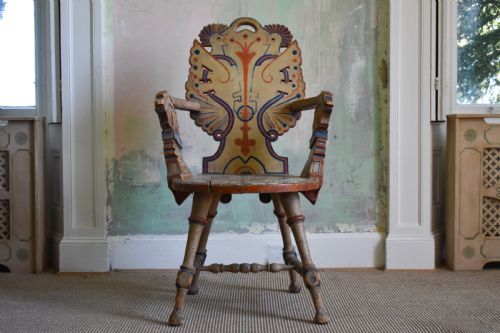
Makers working within these vernacular traditions relied on readily available local timber and straightforward joinery rather than strict academic styles. Each piece carries the distinct regional character of its origin, whether manifested in a Scottish Orkney design or a Bavarian folk art chair.
Materials and construction
Makers constructed these chairs from native timbers such as pine, oak, elm, ash, beech, and assorted hardwoods sourced directly from local woodlands. These woods were often shaped while unseasoned or utilised in natural forms, resulting in sturdy frames built to withstand decades of heavy domestic service.
Surface treatments play a defining role in the construction evidence, with many pieces retaining original paint, stained finishes, or natural patination. Traditional seating elements also incorporate plaited straw in Irish súgán examples and woven organic materials that complement the timber frameworks.
Antique Country Folk Chair Retail Price Guide 2026
Typical asking prices for country folk chair among the pieces listed under this phrase on Sellingantiques today, from the lower quarter to the upper quarter. They describe what is for sale here now, not the wider market.
Several chairs feature unusual snake head carvings tucked into their wooden frames, adding a whimsical touch to utilitarian seating.
Distinctions in quality
Quality in these vernacular pieces rests upon the integrity of the original construction and the survival of untouched surfaces like early paint or natural patination. Chairs that retain their original structural elements without heavy timber replacement demonstrate greater integrity than heavily restored examples.
The visual appeal depends on the balance between utilitarian function and expressive regional carving or decorative painting. Superior examples exhibit deliberate proportion and distinctive regional traits, such as snake head carvings or bobbin turnings, executed by competent rural hands.
The Antique Country Folk Chair Glossary
- Stick back
- A chair design where turned spindles or round sticks are tenoned directly into a solid wooden seat. This construction method defines many regional vernacular chairs.
- Vernacular
- Architecture and objects created independently of academic architectural styles, utilising local traditions and materials. These pieces reflect the practical needs of specific rural communities.
- Súgán
- An Irish term for a twisted straw rope used traditionally to form woven chair seats. It provides a resilient and flexible surface using gathered agricultural materials.
- Dug out
- A seating form created by hollowing out a single solid log to form the seat and back. This heavy primitive technique utilises whole timber sections.
- Comb back
- A Windsor chair variation where the vertical spindles extend upward to support a horizontal top rail resembling a traditional hair comb. This style offers robust upper back support.
Antique Country Folk Chair: Frequently Asked Questions
How do I identify a folk chair?
Look for construction methods and timber choices that reflect regional rural traditions rather than formal workshop patterns. These chairs typically display straightforward joinery and utilitarian forms rooted in specific geographic localities.
Examine the surface finish and wear patterns for signs of genuine age and historic use. Original paint layers or deep natural patination often indicate an untampered rural history.
Where were these chairs made?
These seating pieces originated in rural households, regional workshops, and farmsteads across Britain, Ireland, Scandinavia, and Central Europe. Local craftspeople built them using native timber available in their immediate surroundings.
Geographic traits often link a chair to specific areas, such as Orkney designs from Scotland or stick back forms associated with Welsh vernacular traditions.
How should I care for antique pine?
Keep antique pine and painted wooden furniture away from direct heat sources and dramatic humidity fluctuations. Stable environmental conditions prevent the timber from drying out, cracking, or losing historic surface layers.
Dust the timber gently with a dry, soft cloth rather than applying modern chemical polishes or silicone sprays. Preserving the dry, authentic surface maintains the historic character of the piece.
What is an Orkney chair?
An Orkney chair is a traditional regional armchair distinguished by a high, woven straw back supported by a wooden frame. These chairs developed to protect sitters from cold drafts in remote island cottages.
They typically feature frames built from beech or other native hardwoods combined with meticulously plaited oat straw. This construction creates a supportive, insulating backrest unique to Scottish vernacular craft.