


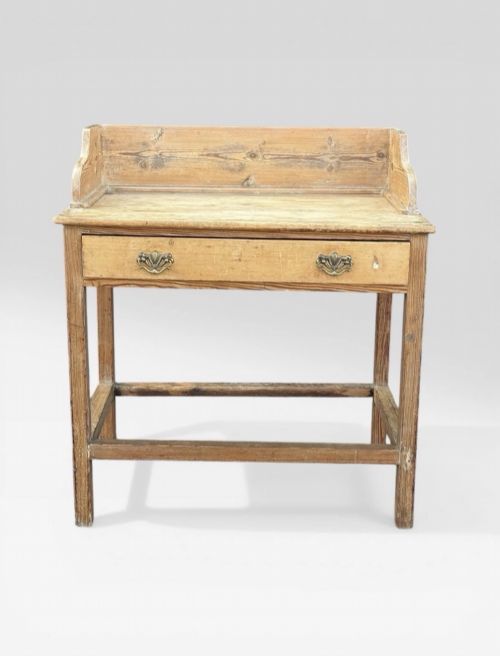
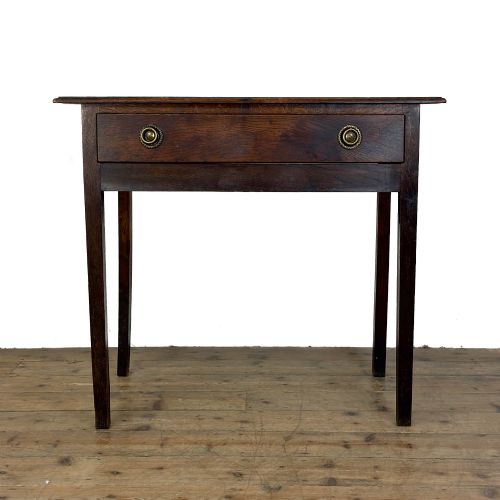
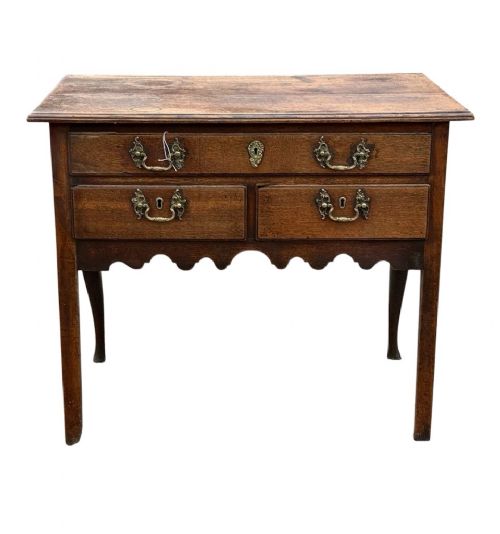
Antique Country Dressing Table
An antique country dressing table brings honest utility and vernacular character to a bedroom through time-worn timber and simple lines.
Antique Country Dressing Table
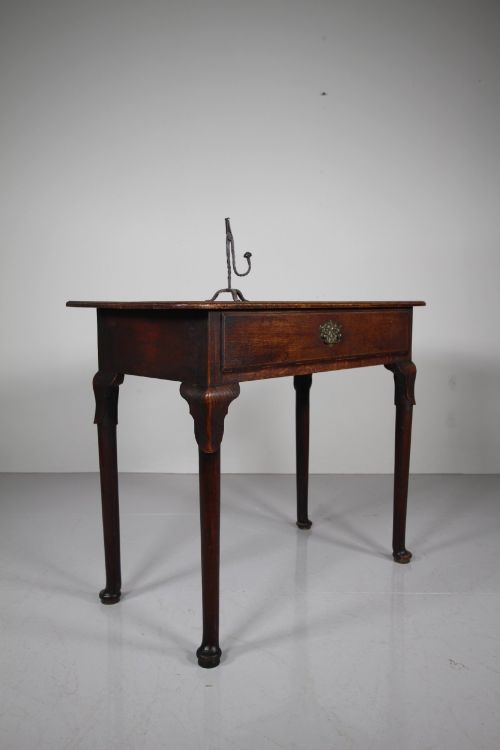
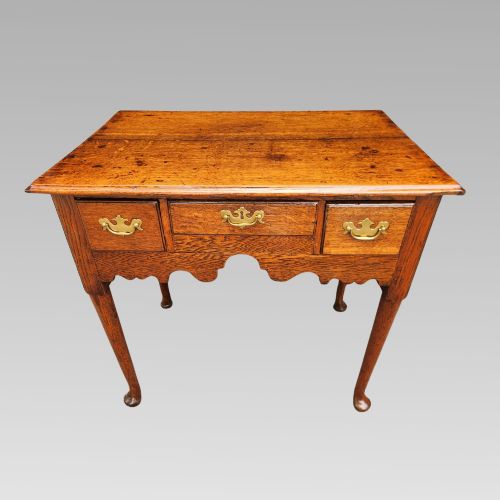
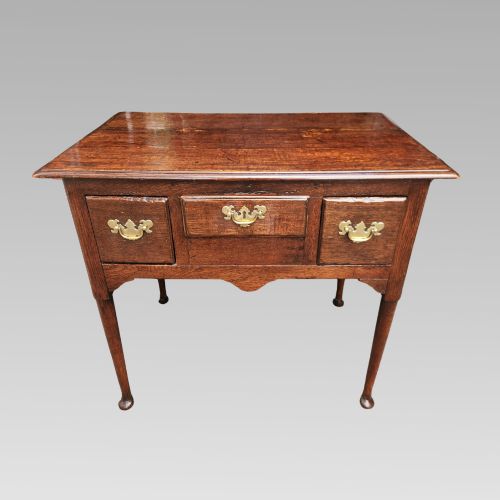
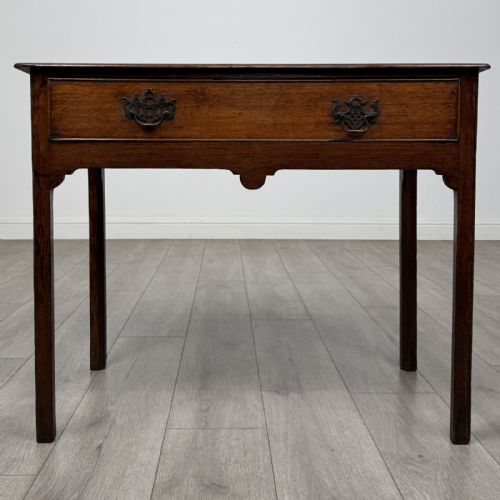
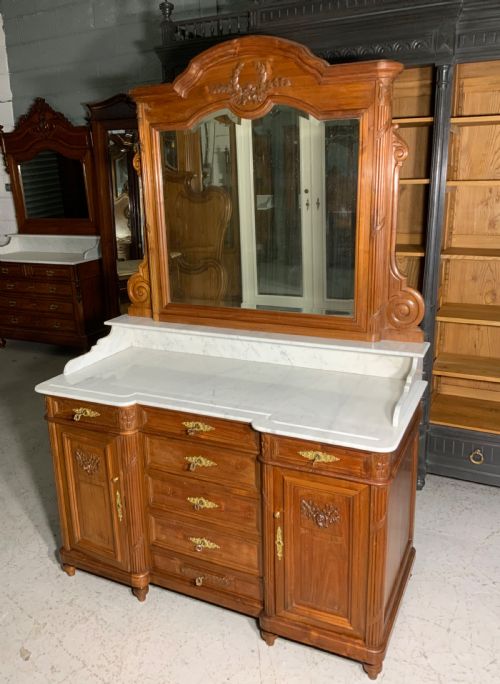
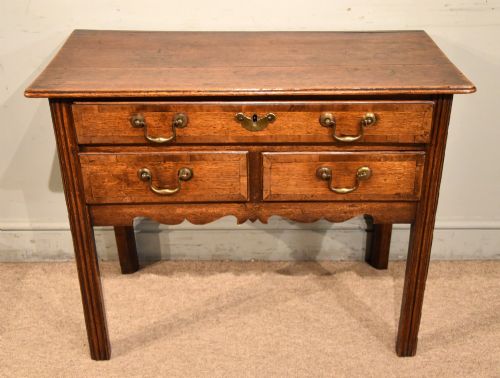
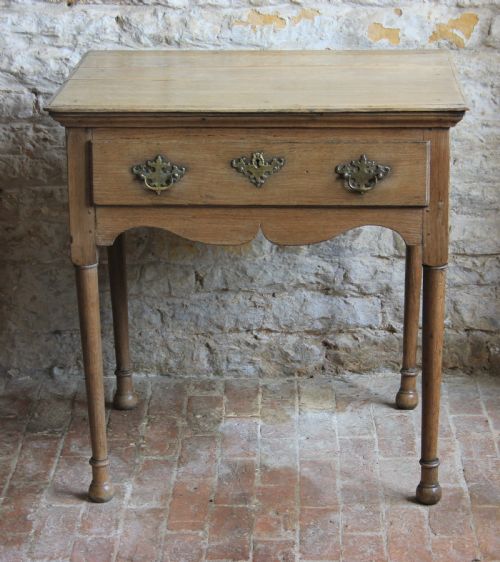
When you search for an antique country dressing table, you encounter domestic furniture designed for everyday provincial use rather than formal urban display. These pieces frequently overlap in form with lowboys, writing tables, and side tables fitted with drawers for personal storage. The examples on this page span from the eighteenth century through to the early twentieth century, reflecting domestic routines across generations.
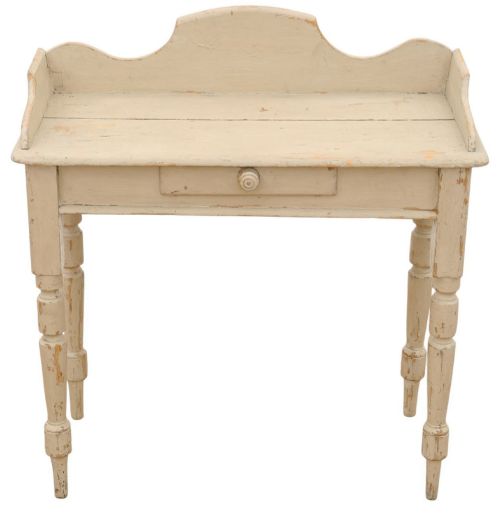
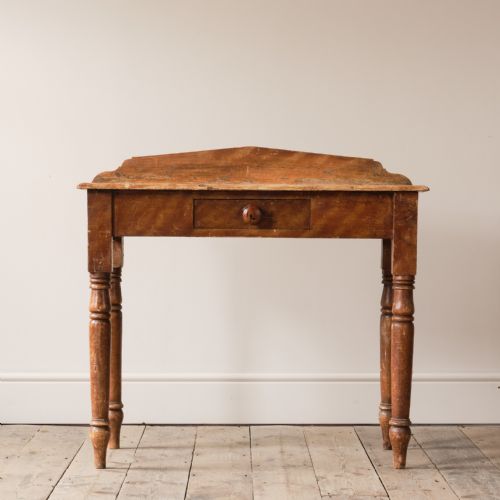
You are most likely to meet pine, oak, and mixed native timbers such as elm, yew, and fruitwood. Many survivals bear traces of original or later paint finishes, ranging from muted tones to scrubbed surfaces that expose the grain beneath. Their proportions are typically modest, suiting smaller chambers and country houses where space was valued.
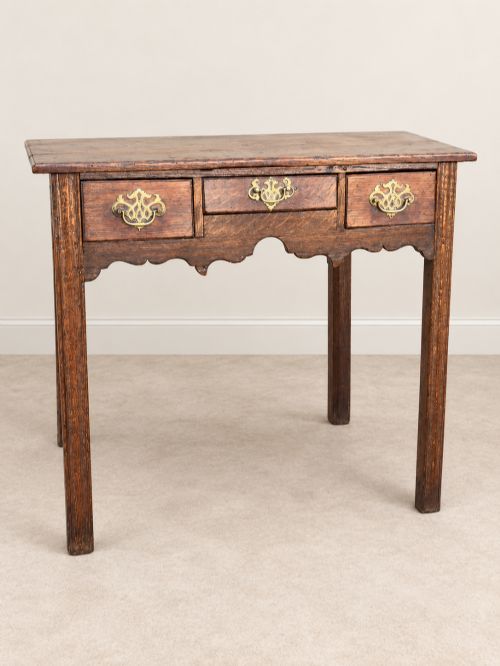
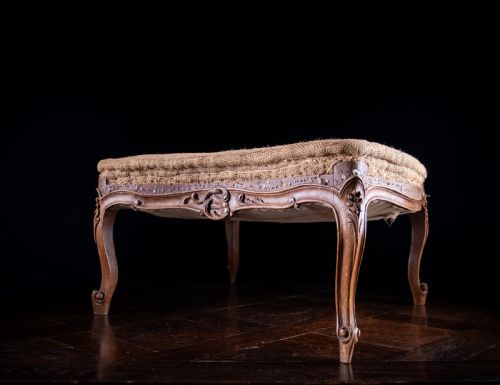
Regional variations appear across the selection, from Welsh Georgian oak pieces to French provincial forms. Some retain their original brass drop handles or wooden knobs, while others show adaptations made over decades of active service. Their enduring appeal lies in this straightforward construction and practical utility.
Materials and construction
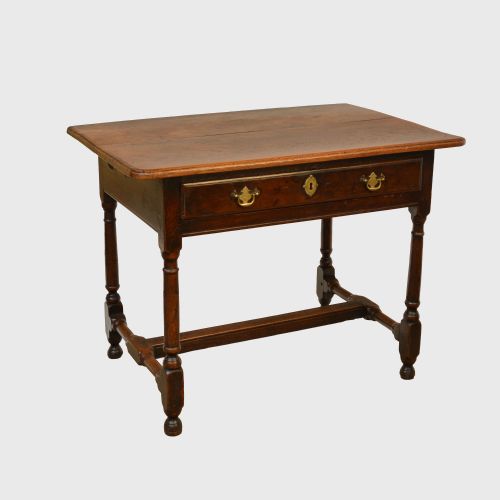
Makers relied on solid native timbers such as oak, pitch pine, and deal, selected for local availability and strength. Joinery methods prioritise straightforward pegged mortise and tenon frames, dovetails for drawer construction, and hand-planed boards. These traditional techniques allowed tables to withstand heavy daily use in farmhouse and country house settings.
Surface treatments range from waxed natural grain to layers of paint applied over softwood and hardwood. Drawer linings often feature secondary timbers, and metalwork is typically restricted to brass drop handles or simple iron fixtures. This unpretentious approach to manufacture ensures each piece remains sturdy and direct.
Antique Country Dressing Table Retail Price Guide 2026
Typical asking prices for country dressing table among the pieces listed under this phrase on Sellingantiques today, from the lower quarter to the upper quarter. They describe what is for sale here now, not the wider market.
Form variations include lowboys, washstands, writing tables, and console tables with painted finishes.
Distinctions in quality
The degree of original survival separates everyday utility pieces from more refined examples. Tables retaining their early paint surfaces, undisturbed brassware, and unaltered timber tops command greater attention from collectors. Conversely, heavy structural alterations or inappropriate modern replacements diminish the integrity of the piece.
The choice of secondary woods and the refinement of drawer dovetailing also signal the maker's hand. Early eighteenth-century oak and elm examples display careful selection of quarter-sawn grain, whereas later nineteenth-century pine versions often prioritise robust function over decorative flourish. Proportion and balance ultimately govern the success of any individual table.
The Antique Country Dressing Table Glossary
- Lowboy
- A small table with one or more drawers, commonly used as a dressing table or side table during the eighteenth century.
- Pitch pine
- A durable resinous softwood native to North America, widely utilised for nineteenth-century furniture construction.
- Fruit wood
- Timber derived from fruit-bearing trees such as pear or apple, noted for a dense, fine grain.
- Kneehole desk
- A writing table featuring a central recess for the legs, flanked by pedestals of drawers.
- Dovetail
- A joinery technique interlocking wedge-shaped fingers, standard in traditional drawer construction.
Antique Country Dressing Table: Frequently Asked Questions
What is an antique country dressing table?
An antique country dressing table is a utilitarian wooden table, often featuring one or more drawers, used for personal grooming in domestic settings.
These pieces typically date from the eighteenth to the early twentieth century and utilise accessible regional timbers like pine and oak.
How were these tables used originally?
They served as functional surfaces in bedrooms and dressing rooms for holding washing basins, mirrors, and personal items.
Many designs doubled as writing desks or side tables due to their simple, multi-purpose drawer configurations.
How do I care for a painted pine table?
Protect the surface by dusting gently with a dry cloth and avoiding excessive moisture or direct sunlight.
Preserve original paint finishes by avoiding harsh chemical cleaners and maintaining stable indoor humidity levels.
How can I tell an eighteenth-century table apart from a Victorian one?
Eighteenth-century examples frequently employ solid oak, elm, or fruitwood with hand-cut dovetails and pegged joinery.
Victorian pieces more commonly feature pine or pitch pine, machine-sawn elements, and sometimes factory-produced hardware.